

Commentary
A summer of escalation in the Black Sea has hurt Ukraine economically and is exacerbating world food security. A truce is needed—as is a broader reframing of Europe’s Ukraine strategy.
Thomas de Waal

REQUIRED IMAGE
Source: Carnegie
With the Senate's passage of the U.S. - Jordan Free Trade Agreement on Monday, U.S. President George Bush can now welcome His Majesty King Abdullah with a trade agreement that demonstrates how two allies can work together towards a common agenda to fight terrorism by negotiating a trade agreement that promotes stronger economies and cleaner environments, without unwanted protectionism.
A comprehensive bilateral trade agreement with the United States is vitally important to Jordan, a key player in the developing strategy to combat international terrorism. Along with Egypt, Jordan is Washington's closest Arab ally, and they are the only two Arab countries to have signed peace treaties with Israel. Working with King Abdullah, the United States will have a better chance of communicating its messages to governments in the region.
The free trade agreement will also assist Jordan's development efforts by bolstering its economy. But perhaps more important to Jordan's economy than expanded access to U.S. markets is the message it sends to businesses operating in the region that friendly regional relations between Arabs and Jews and strong ties with the West can result in stronger national economies.
Few Americans would dispute the geopolitical reasons for passing the agreement. That said, because the agreement includes provisions to protect labor and the environment, some members of Congress and the American business community voiced their opposition to the deal. As two people deeply involved in negotiating the environmental provisions of the agreement for our respective countries, we believe that a closer examination of these provisions counters their concerns.
The environmental provisions of the FTA -- the first ever negotiated into a trade agreement - obligate both countries to "strive to ensure" that lax environmental laws do not encourage trade, as well as to establish high levels of environmental protection. Commitments like these should be familiar to many businesses, as they mirror language found in environmental management systems like ISO 14000 and Responsible Care.
Nowhere in the agreement do the two countries agree to adopt or enforce standards set by the other -- in fact, there is language that explicitly recognizes the right of each country to exercise discretion in setting its own standards for environment and economic development. What this language implies is that both countries will take into consideration the environmental implications of increased economic activity, and not use the environment as a guise for trade protectionism.
Jordan and the United States consented to use the agreement's dispute settlement procedures to ensure that those commitments are met, giving labor and the environment parity with other aspects of the agreement. That said, given the tremendously different levels of development between the two countries, negotiators were careful to ensure that the dispute measures would not become "hammers" designed to punish one another for non-enforcement of environmental laws. For example, the standard used to determine whether or not a party has violated the FTA's environmental provisions is quite high -- higher arguably than the punitive measures of NAFTA's environmental side agreement. To make its case, a country must establish proof of a "sustained or recurring course of action or inaction" regarding an environmental law that directly affects trade. According to legal scholars, this will be hard to prove given the broad discretion written into the agreement. Finally, even if an infraction is found, it is up to both parties to decide the appropriate course of action.
This explanation is not meant to suggest that the environmental language is merely "green window dressing," but to emphasize that the real objective behind negotiating this language was to underscore each country's respect for the environment. To put words into action, though, the agreement includes cooperation measures designed to promote environmentally responsible trade.
The United States agreed to assist the Jordanian government in its efforts to enhance environmental protection by focusing technical cooperation on Jordanian environmental quality issues and the development and effective implementation of Jordanian environmental laws. For the first time in Jordanian history, prior to international negotiations, the government engaged its citizens in a discussion regarding the environmental issues that might arise from liberalized trade. This exercise -- similar in many ways to the U.S. practice of conducting environmental impact assessments -- revealed a desire among the Jordanian people to develop their economy in a manner respectful of their extraordinary ecosystem. Collaboration of this kind will provide useful guidance to U.S. foreign assistance federal agencies like USAID and the EPA.
As they have in many foreign policy arenas, the United States and the Kingdom of Jordan demonstrate in this agreement that two countries can find ways to pursue policies that promote their common interests. International peace, economic growth, a clean environment, and respect for workers rights are goals that our two countries share.
Prior to her appointment as ambassador, Alia Hatough-Bouran served as secretary-general in the Ministry of Tourism and Antiquities. In that post, she represented Jordan in negotiations with the U.S. regarding environmental matters. From 1999 to 2001, John Audley served as the United States Environmental Protection Agency's Trade Policy Coordinator and helped negotiate the U.S.-Jordan Free Trade Agreement.
Former Senior Associate
Alia Hatough-Bouran

A summer of escalation in the Black Sea has hurt Ukraine economically and is exacerbating world food security. A truce is needed—as is a broader reframing of Europe’s Ukraine strategy.

Thomas de Waal

Canadian Prime Minister Mark Carney has twice inspired praise for standing up to U.S. President Donald Trump: at the 2026 World Economic Forum in Davos and on Canada-U.S. trade negotiations. Is Carney showing a third way better than the EU has in dealing with the Trump administration?

Rym Momtaz, ed.
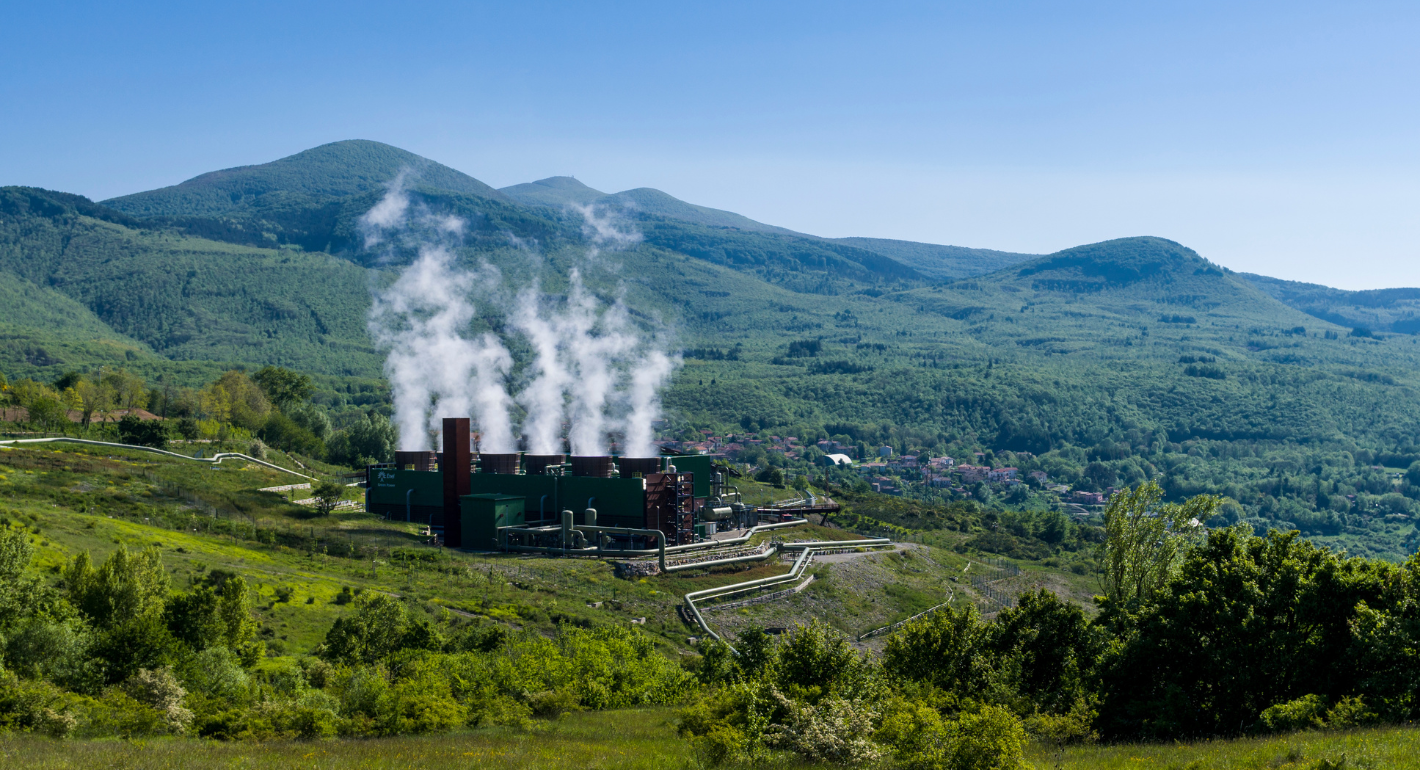
Europe’s industrial supply chains leave it vulnerable to global shocks. The EU needs a pragmatic green industrial strategy that balances durable partnerships and bolsters homegrown clean tech without sacrificing low-carbon ambition.


Milo McBride, Pauline Gerard

As geopolitical rivalry weaponizes global supply chains, the EU’s true vulnerability lies in emerging-risk imports. For these goods, suppliers are growing more concentrated, substitution more difficult, and political risk is looming.

Sinan Ülgen

The EU is putting together a new security strategy to meet today’s myriad challenges. But for any proposal to be effective, the union needs to grapple with its identity and ambitions.

Pierre Vimont