

Report
- +2
George Perkovich, Jessica Tuchman Mathews, Joseph Cirincione, …

REQUIRED IMAGE
Moves by North Korea to restart its nuclear reactor program and by Iran to build advanced nuclear facilities to produce weapons-grade materials, threaten to blow the lid off long-standing nonproliferation efforts. The developments show that the approach being pursued by the current administration for preventing the spread of nuclear arms has failed and needs immediate adjustment.
Moves by North Korea to restart its nuclear reactor program and by Iran to build advanced nuclear facilities to produce weapons-grade materials, threaten to blow the lid off long-standing nonproliferation efforts. The developments show that the approach being pursued by the current administration for preventing the spread of nuclear arms has failed and needs immediate adjustment.
While previous efforts to eliminate the threat of proliferation have not been entirely successful, efforts by the Bush administration have been counterproductive almost across the board. They have set back bilateral and multilateral efforts to prevent proliferation.
Failure in Korea
The most urgent case is that of North Korea. Despite its flaws, the 1994 bilateral agreement with the United States temporarily froze North Korea's nuclear plants and laid out a path to eliminate Pyongyang's nuclear capability without risk of war or regional instability. Likewise, before President Bush came to office, efforts to end the North's missile development and sales showed promise, even if much remained incomplete.
Now, after almost two years of harsh words and little engagement from the United States, North Korea has resumed its old game of brinkmanship to bring America back to the negotiating table.
Despite Pyongyang's pursuit of a secret uranium enrichment program in violation of its pledges, Washington could and should negotiate a broad, stringent and verifiable package deal that shuts down all of the North's nuclear facilities, missile production and sales in exchange for diplomatic recognition, a nonaggression pact and agricultural and economic assistance.
Had Bush embarked on such a path when he took office, North Korea's nuclear programs might have been eliminated by now. Instead, North Korea's program threatens to set off a proliferation arms race that could eventually engulf South Korea, Japan and Taiwan. Now, however, time is running out. There is a limited window to ensure that the Korean peninsula remains nuclear - free. If the Bush administration cannot produce results before North Korea reprocesses plutonium from its spent fuel, it may be impossible to rollback the North's nuclear capabilities.
Failure in Iran
In Iran, the scenario is equally challenging, if not quite as immediate. Tehran has announced that it is building facilities to both enrich uranium and produce plutonium, the two key ingredients for nuclear weapons. Iran has the international right under existing treaties to build the plants, provided they are under full international checks. But such monitoring would be worth little if weapons-grade materials were being produced in a country bent on acquiring nuclear arms.
By including Iran in its "axis of evil," the Bush administration has set back any potential to engage Iranian leaders to find alternatives to their nuclear ambitions. Instead, the United States has sought to pressure Russia not to provide Tehran with nuclear technology, with little success.
There have been no attempts to develop alternate ways to engage Iran or redirect its efforts to obtain nuclear weapons for what it asserts are legitimate security concerns. U.S. attempts to control sensitive exports to Iran and reduce its access to illicit nuclear technology would garner greater sympathy if they were combined with a more concerted policy to engage Iran. U.S. credibility on proliferation issues has also been greatly undercut by recent decisions to wink at Pakistan's illegal and dangerous transfers of uranium enrichment to North Korea and give all but official approval to North Korean missile sales to Yemen.
These decisions demonstrate to the rest of the world that the U.S. war on terrorism - in which Pakistan and Yemen are key American allies - takes precedence over the fight against proliferation. As a result, states bent on acquiring weapons of mass destruction may be in a position to play this preference to their advantage, as has Pakistan.
Time To Turn Around
With 2003 likely to bring increased tensions in regions of proliferation concern, including East and South Asia, and the Middle East, President Bush has little time to get an effective set of nonproliferation policies
place before the hot rhetoric of extremists in the administration leads to further failures.
The President needs to set a new direction, one that accepts and uses all available nonproliferation tools - not just tough talk and saber rattling. Foremost among the effective tools is direct diplomacy backed by international coordination.
As difficult and distasteful as some in the Bush administration may find negotiating with North Korea, such talks could yield quick and positive results that would advance U.S. security interests. Likewise, a new approach with America's European allies and Russia to engage Iran could yield useful results, or at least provide fresh ideas on how to redirect Iranian security efforts away from nuclear weapons.
In both cases, time is not on the side of those seeking to prevent the spread of nuclear arms. Unless new policies are adopted quickly, irreparable damage to global security and the international non-proliferation regime may result.
Jon Wolfsthal is the Deputy Director of the Non-Proliferation Project and co-author of Deadly Arsenals: Tracking Weapons of Mass Destruction.

Former Nonresident Scholar, Nuclear Policy Program
Jon Wolfsthal was a nonresident scholar with the Nuclear Policy Program.
Recent Work



George Perkovich, Jessica Tuchman Mathews, Joseph Cirincione, …
Jon Wolfsthal
Carnegie does not take institutional positions on public policy issues; the views represented herein are those of the author(s) and do not necessarily reflect the views of Carnegie, its staff, or its trustees.
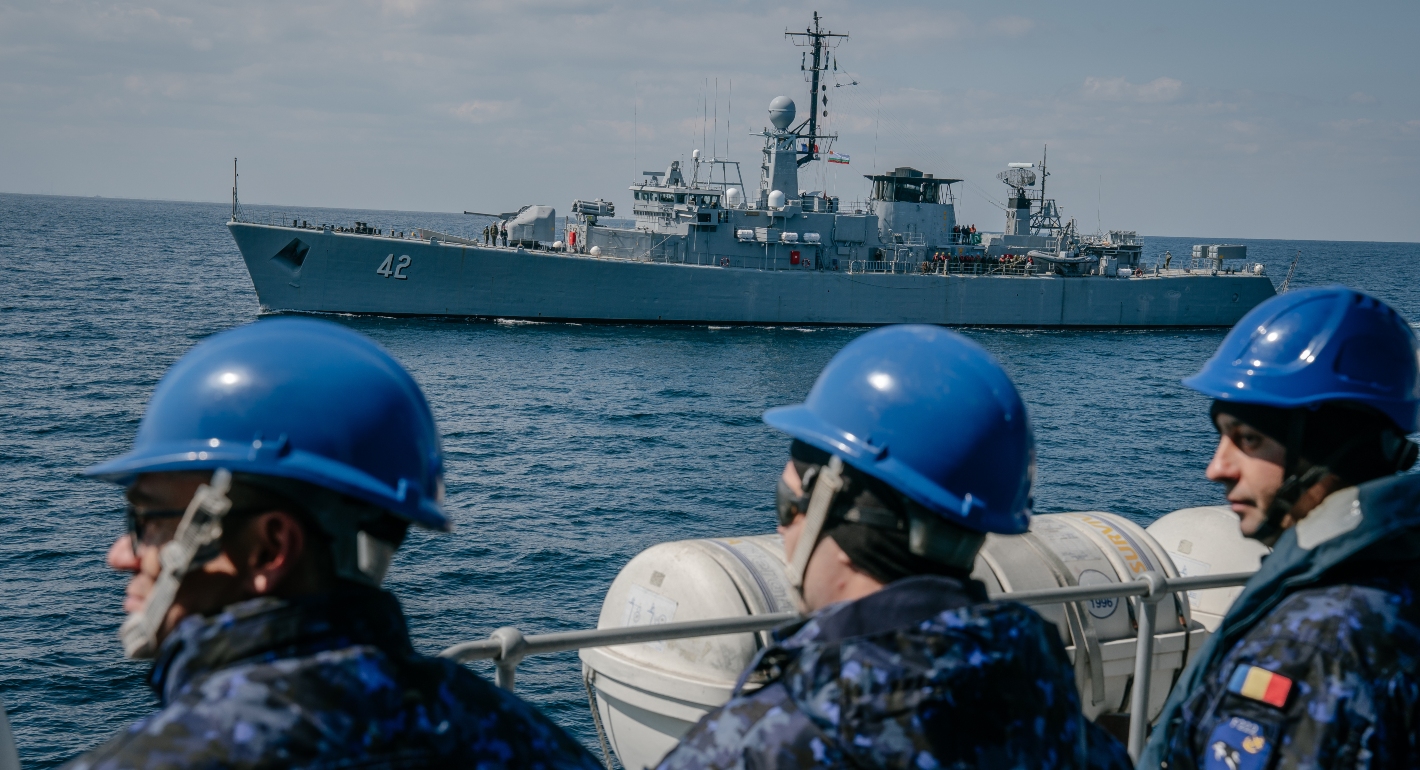
As Russia's war on Ukraine drags on, NATO is expanding its footprint in the Black Sea. Turkey, Romania, and Bulgaria are upgrading their fleets and deepening trilateral cooperation.

Dimitar Bechev

For ninety years, Turkey has been positioned as the principal gatekeeper of Black Sea security. As a result, European and NATO efforts to support Ukraine will require closer engagement with Ankara.

Thomas de Waal

Defense tech innovations will be at the heart of Europe’s new security strategy. But so far, Brussels has been making moves without a broader plan, undermining readiness and credibility.

Raluca Csernatoni
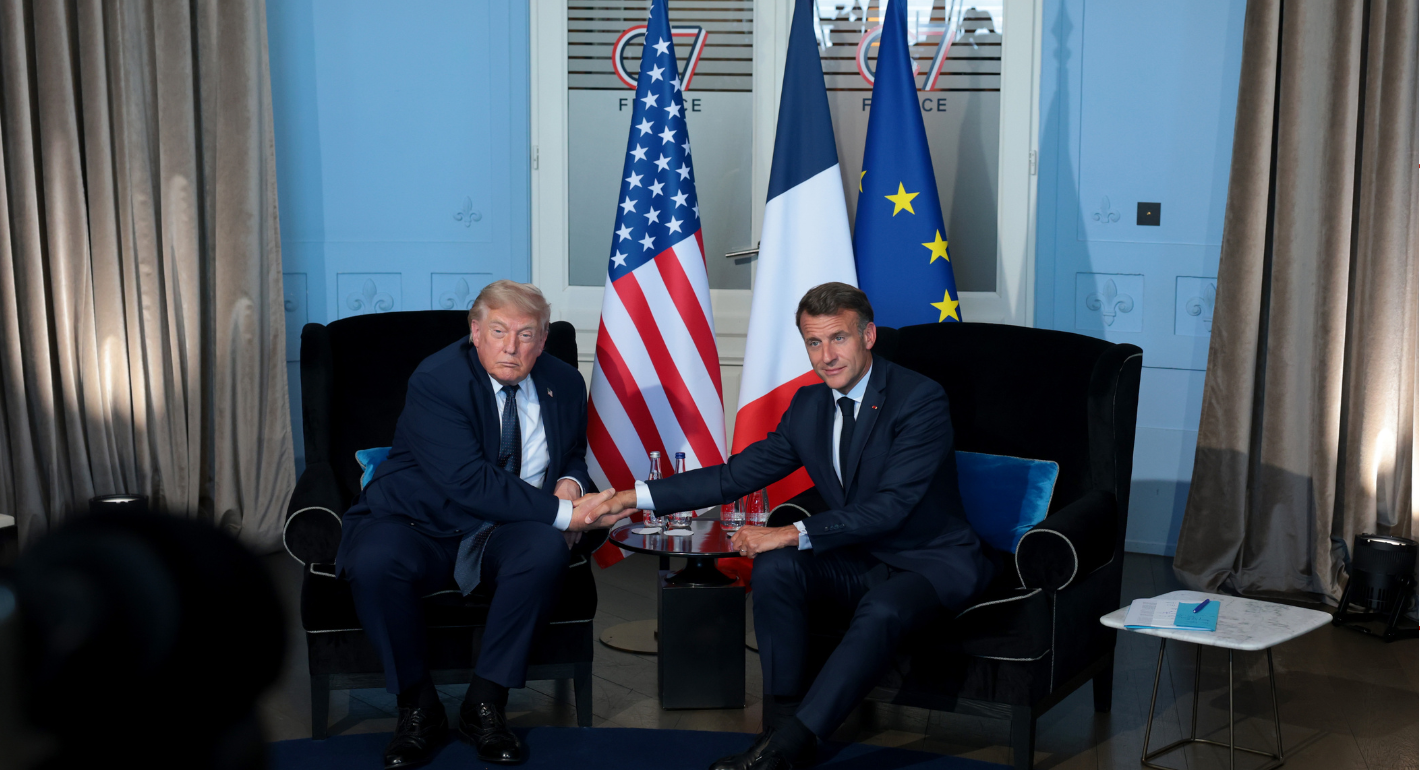
When the U.S.-Iran memorandum of understanding was announced, the UK, France, Germany, and Italy declared their readiness to help demine the Strait of Hormuz and lift nuclear sanctions on Tehran. But does Europe need new tools to recover a diplomatic role?

Rym Momtaz, ed.
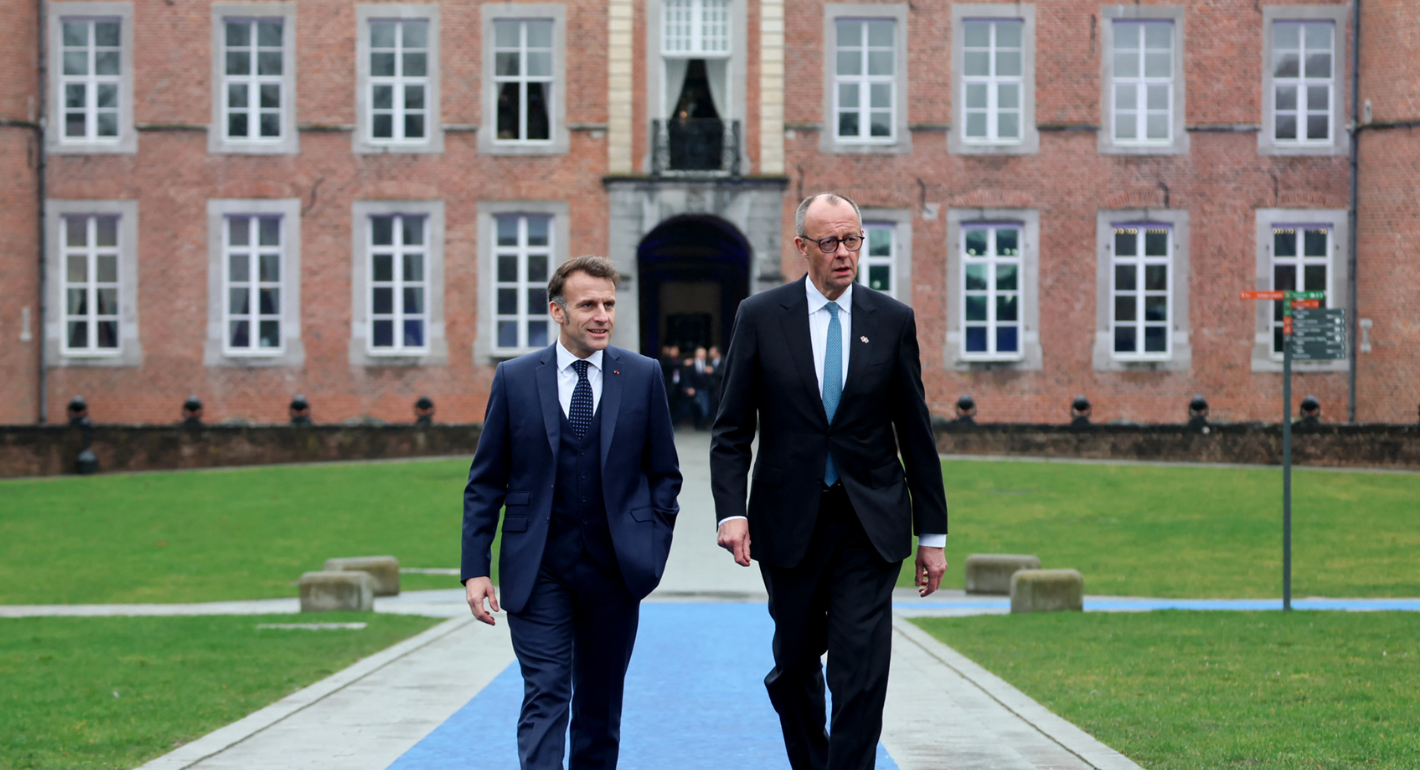
The Franco-German relationship is on the rocks again. But unlike previous moments of tension, the epochal changes on the world stage require that both step up investment in their bilateral ties.
Rym Momtaz