• Research
  • Strategic Europe
  • About
  • Experts
Carnegie Europe logoCarnegie lettermark logo
EUUkraine
  • Donate
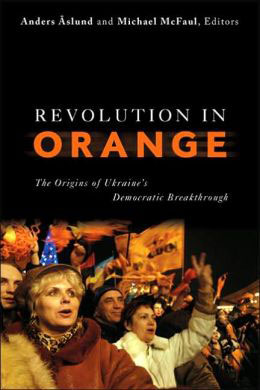
Revolution in Orange: The Origins of Ukraine's Democratic Breakthrough
Book

Revolution in Orange: The Origins of Ukraine's Democratic Breakthrough

The dramatic series of protests and political events that unfolded in Ukraine in the fall of 2004—the “Orange Revolution”—were seminal both for Ukrainian history and the history of democratization. Revolution in Orange seeks to explain why and how this nationwide protest movement occurred.

Link Copied
By Anders Aslund and Michael McFaul
Published on Mar 1, 2006

Additional Links

Table of ContentsIntroductionPaperback - $16.95Hardback - $112.98

Source: Washington

The dramatic series of protests and political events that unfolded in Ukraine in the fall of 2004—the “Orange Revolution”—were seminal both for Ukrainian history and the history of democratization. When poisoned with dioxin, pro-Western presidential candidate Viktor Yushchenko was left physically weakened and disfigured but politically energized. The ruling party, faced with strengthened opposition, resorted to voter intimidation and massive electoral fraud to win the runoff election. Supporters of Yushchenko gathered in Kyiv, responding with mass demonstrations, sit-ins, and marches. Thanks in large part to this peaceful revolution, the flawed election results were annulled. In a second runoff, Yushchenko was elected as the new president. Revolution in Orange seeks to explain why and how this nationwide protest movement occurred. Its effects have already been felt from Kyrgyzstan to Lebanon and are likely to travel even further. Yet few predicted or anticipated such a dramatic democratic breakthrough in Ukraine.

This volume attempts to distinguish between necessary and facilitating factors in the success of the Orange Revolution. It also discusses the elements that have been commonly assumed to be critical, but in fact were not instrumental in the movement. Chapters explore the role of former president Kuchma and the oligarchs, societal attitudes, the role of the political opposition and civil society, the importance of the media, and the roles of Russia and the West.

Advance Praise

"Keen observers of the recent transition, Aslund and his coauthors write with authority about the challenges and opportunities Ukraine faces today.... This book should be read carefully by students and policy makers alike."
—George Soros, chairman of the Open Society Institute
About the Authors

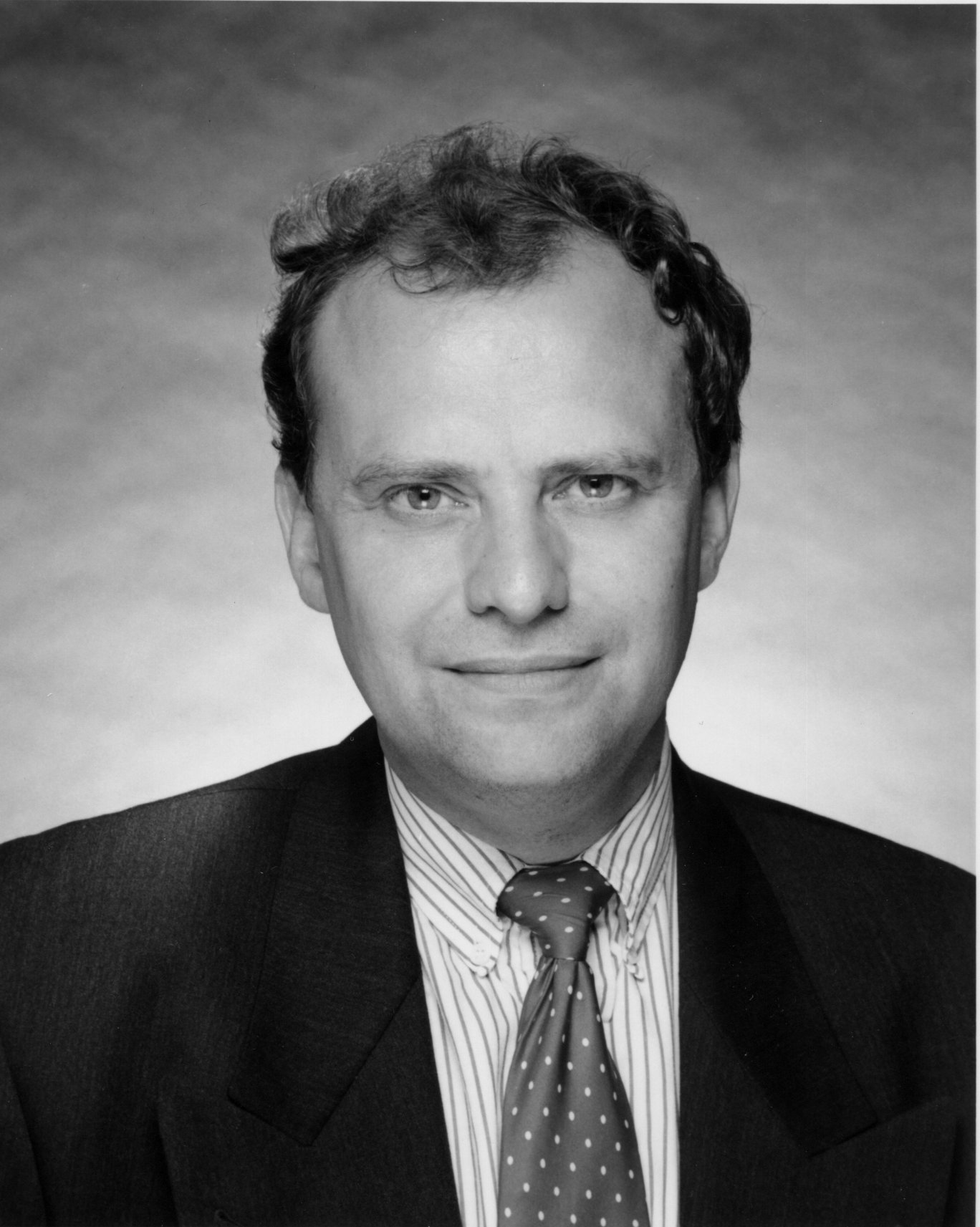
Anders Aslund

Former Senior Associate, Director, Russian and Eurasian Program
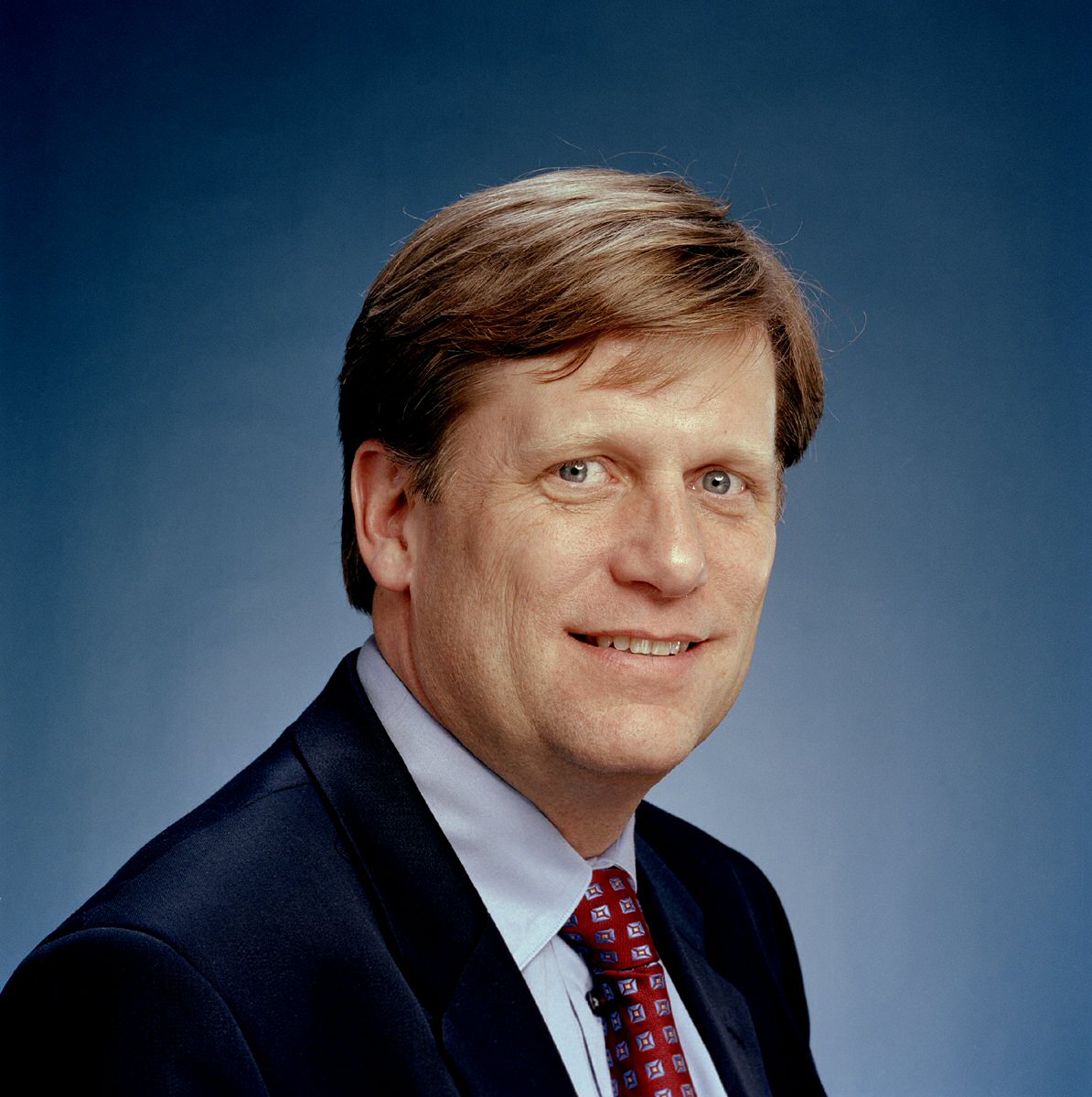
Michael McFaul

Former Senior Associate

In addition to his role at Carnegie, McFaul is Peter and Helen Bing Senior Fellow at the Hoover Institution and associate professor of political science at Stanford University.

Authors

Anders Aslund
Former Senior Associate, Director, Russian and Eurasian Program
Anders Aslund
Michael McFaul
Former Senior Associate
Michael McFaul
CaucasusRussiaEastern EuropeUkrainePolitical ReformDemocracyEconomy

Carnegie does not take institutional positions on public policy issues; the views represented herein are those of the author(s) and do not necessarily reflect the views of Carnegie, its staff, or its trustees.

More Work from Carnegie Europe

  • Commentary
    Strategic Europe
    Taking the Pulse: Is France’s New Nuclear Doctrine Ambitious Enough?

    French President Emmanuel Macron has unveiled his country’s new nuclear doctrine. Are the changes he has made enough to reassure France’s European partners in the current geopolitical context?

      • Rym Momtaz

      Rym Momtaz, ed.

  • Commentary
    Strategic Europe
    The EU Needs a Third Way in Iran

    European reactions to the war in Iran have lost sight of wider political dynamics. The EU must position itself for the next phase of the crisis without giving up on its principles.

      Richard Youngs

  • Commentary
    Strategic Europe
    Global Instability Makes Europe More Attractive, Not Less

    Europe isn’t as weak in the new geopolitics of power as many would believe. But to leverage its assets and claim a sphere of influence, Brussels must stop undercutting itself.

      Dimitar Bechev

  • Research
    New Approaches to Defending Global Civil Society

    New thinking is needed on how global civil society can be protected. In an era of major-power rivalry, competitive geopolitics, and security primacy, civil society is in danger of getting squeezed – in some countries, almost entirely out of existence.

      Richard Youngs, ed., Elene Panchulidze, ed.

  • Commentary
    How Can Europe Renew a Stalled Enlargement Process?

    Despite offering security benefits to candidates and the EU alike, the enlargement agenda appears stalled. Why is progress not being made, and is it time for Europe to rethink its approach?

      Sylvie Goulard, Gerald Knaus

Get more news and analysis from
Carnegie Europe
Carnegie Europe logo, white
Rue du Congrès, 151000 Brussels, Belgium
  • Research
  • Strategic Europe
  • About
  • Experts
  • Projects
  • Events
  • Contact
  • Careers
  • Privacy
  • For Media
  • Gender Equality Plan
Get more news and analysis from
Carnegie Europe
© 2026 Carnegie Endowment for International Peace. All rights reserved.