

Commentary
The European Commissioner for Trade is headed to China. But after President Xi’s bridge-building visit to Washington, can a more isolated EU overcome Beijing’s stranglehold on critical raw materials? Who will blink first?
Rym Momtaz, ed.
Source: Getty
This is a dangerous moment for the Middle East, because the conflicts in Gaza and Lebanon could easily escalate to involve the broader region. Any strategy to address the present crisis must deal with the realities of the Middle East as they are now, not try to leapfrog over them by seeking to impose a grand new vision. Such a vision would be bound to fail as it did in the case of Iraq.
This is a dangerous moment for the Middle East, because the conflicts in Gaza and Lebanon could easily escalate to involve the broader region. Indeed, there are voices in the United States and Israel calling for a deliberate broadening of the conflict to Syria and Iran in an attempt to solve all the contentious issues of the region at once.
We believe that this is an illusion. Any strategy to address the present crisis must deal with the realities of the Middle East as they are now, not try to leapfrog over them by seeking to impose a grand new vision. Such a vision would be bound to fail as it did in the case of Iraq.
The following commentaries by members of the Carnegie Endowment’s Middle East Program highlight realities the administration should not ignore. They reflect the different and sometimes conflicting views of the individual authors, rather than an overall position of the Program. One common point emerges clearly from all the analyses, however: the crisis cannot be solved by a single grand strategy that would broaden the conflict to Syria or even Iran and would change the face of the Middle East forever. As in all other crises in the Middle East, at the heart of the problem is the difficult task of negotiating coexistence in a small, overpopulated, and resource-poor part of the world among population groups that have strong identities, different cultures, conflicting interests, and seemingly irreconcilable goals. No grand strategy will alter this most fundamental of Middle East realities.
• Marina Ottaway—Syria
• Nathan J. Brown—Hamas
• Julia Choucair—Hizbollah
• Michele Dunne—Moving Beyond the Limitations of U.S. Policy
• Amr Hamzawy—Understanding Regional Reactions: Saudi Arabia, Egypt and Jordan
• George Perkovich—Iran
• Paul Salem—The Predicament of the Lebanese Government
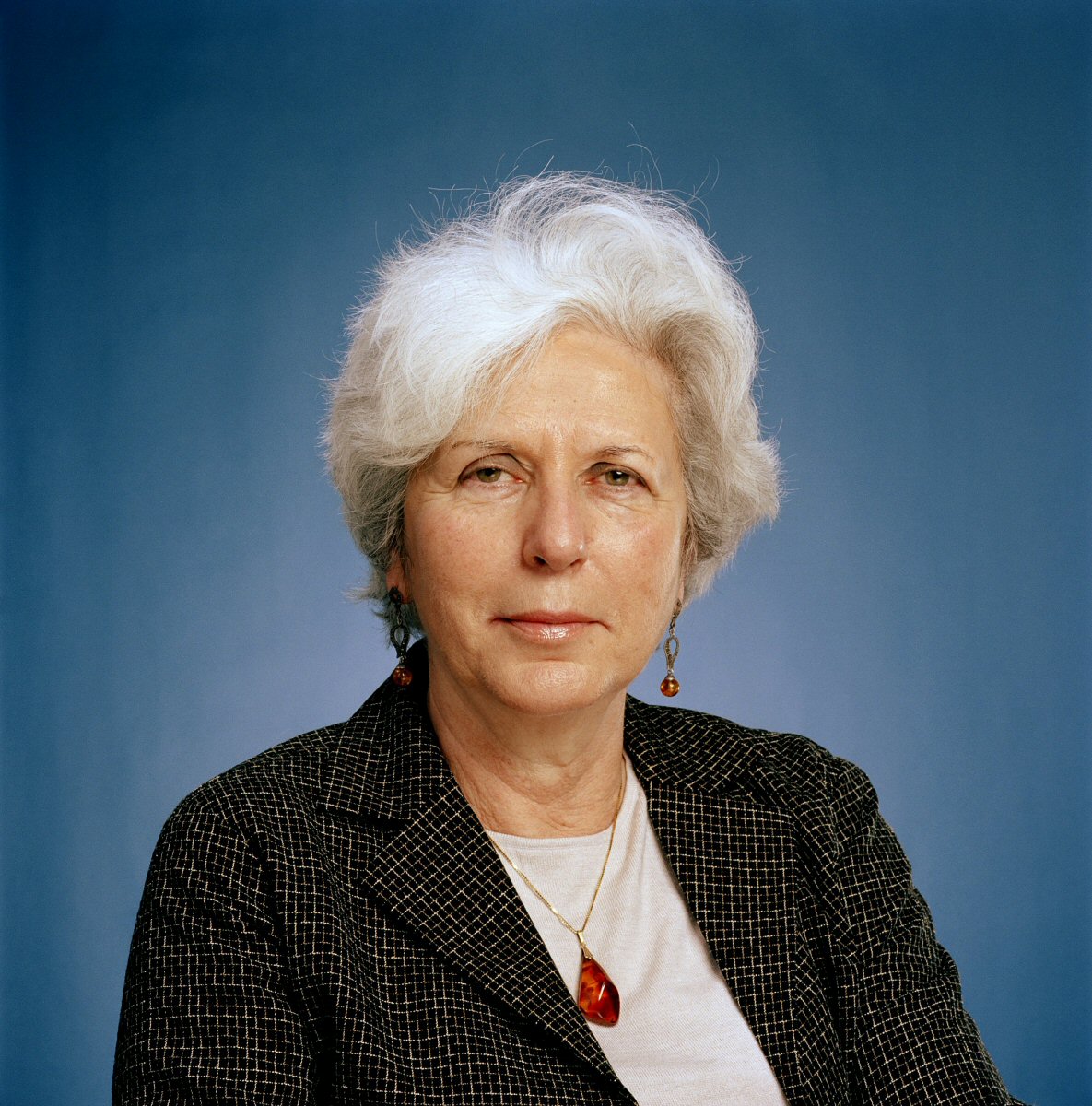
Former Senior Associate, Middle East Program
Before joining the Endowment, Ottaway carried out research in Africa and in the Middle East for many years and taught at the University of Addis Ababa, the University of Zambia, the American University in Cairo, and the University of the Witwatersrand in South Africa.
Former Editor in Chief, Sada
Julia Choucair Vizoso is editor in chief of the online journal, Sada. Her research interests include Middle Eastern politics, authoritarianism, and identity politics.

Former Nonresident Scholar, Middle East Program
Michele Dunne was a nonresident scholar in Carnegie’s Middle East Program, where her research focuses on political and economic change in Arab countries, particularly Egypt, as well as U.S. policy in the Middle East.

Director, Middle East Program
Amr Hamzawy is a senior fellow and the director of the Carnegie Middle East Program. His research and writings focus on Egypt’s and other middle powers’ involvement in regional security in the Middle East, particularly through collective diplomacy and multilateral conflict resolution

Japan Chair for a World Without Nuclear Weapons, Senior Fellow
George Perkovich is the Japan Chair for a World Without Nuclear Weapons and a senior fellow in the Carnegie Endowment for International Peace’s Nuclear Policy Program. He works primarily on nuclear deterrence, nonproliferation, and disarmament issues.

Nonresident Senior Fellow, Middle East Program
Nathan J. Brown, a professor of political science and international affairs at George Washington University, is a distinguished scholar and author of nine books on Arab politics and governance, as well as editor of five books.
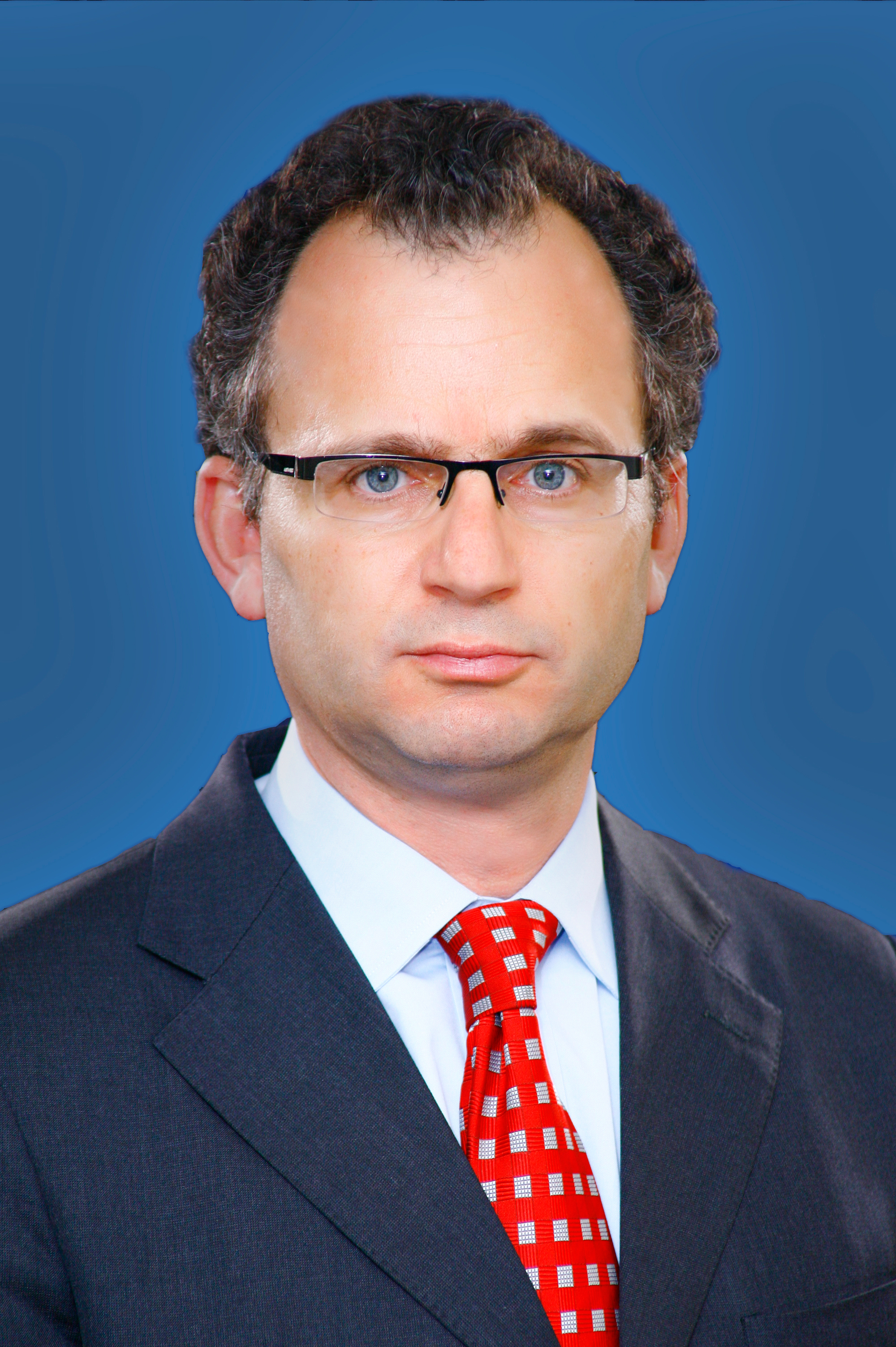
Senior Fellow at the Middle East Institute
Paul Salem is a senior fellow at the Middle East Institute.
Carnegie does not take institutional positions on public policy issues; the views represented herein are those of the author(s) and do not necessarily reflect the views of Carnegie, its staff, or its trustees.

The European Commissioner for Trade is headed to China. But after President Xi’s bridge-building visit to Washington, can a more isolated EU overcome Beijing’s stranglehold on critical raw materials? Who will blink first?

Rym Momtaz, ed.

European NATO countries are wrestling with the possibility of U.S. disengagement from the alliance. With the continent’s security increasingly uncertain, governments must restore the credibility of their collective defense.



Hans-Dieter Lucas, Adam Thomson, Pierre Vimont

The domestic impacts of how long it is taking to end the war in Ukraine have pushed the French electorate to the political extremes and compromised the country’s diplomatic capacity.
Rym Momtaz

Before the next wave of EU enlargement takes place, the union needs to grapple with thorny questions of how power is distributed among its members.


Emil Sondaj Hansen, Ditte Brasso Sørensen

The new U.S.–Denmark–Greenland agreement will help Washington exert political, economic, and financial dominance under the guise of security. Yet, it acknowledged Copenhagen’s and Nuuk’s sovereignty on the island.

Marc Pierini