

Article
Frederic Grare

REQUIRED IMAGE
Source: Carnegie Endowment
The year 2007 will be crucial for the future of democracy in Pakistan. If the election schedule announced by Parliamentary Affairs Minister Sher Afghan Niazi is followed, presidential elections will be held in the fall and the general and provincial elections will be held on January 30, 2008. Many commentators in the West believe that the Pakistani regimewill portray the elections as a contest between Islamists represented by the MMA and the enlightened moderation of President Pervez Musharraf and the Pakistan Army.
In a new Carnegie Paper, Islam, Militarism, and the 2007–2008 Elections in Pakistan, Frederic Grare argues that the reality is that the Islamic forces will not be a defining factor. They are a dependent variable whose power is largely determined by the army. The only real questions are whether the army’s tactics for manipulating the 2007–2008 elections will differ from those used in 2002 and what role the Islamic parties will play in the process.
Click on icon above for the full text of this Carnegie Paper.
In a parallel argument, retired Pakistani Lieutenant General Asan Durrani elaborates on the consequences of military manipulation of the political process in his article "It is Not a Tiger" in The Nation (Pakistan).
To read Durrani's article in The Nation, click on the link to the right.
A limited number of print copies of this Carnegie Paper are available.
Request a copy
Frederic Grare is a visiting scholar in the South Asia Program at the Carnegie Endowment. He focuses on the tension between stability and democratization in Pakistan.
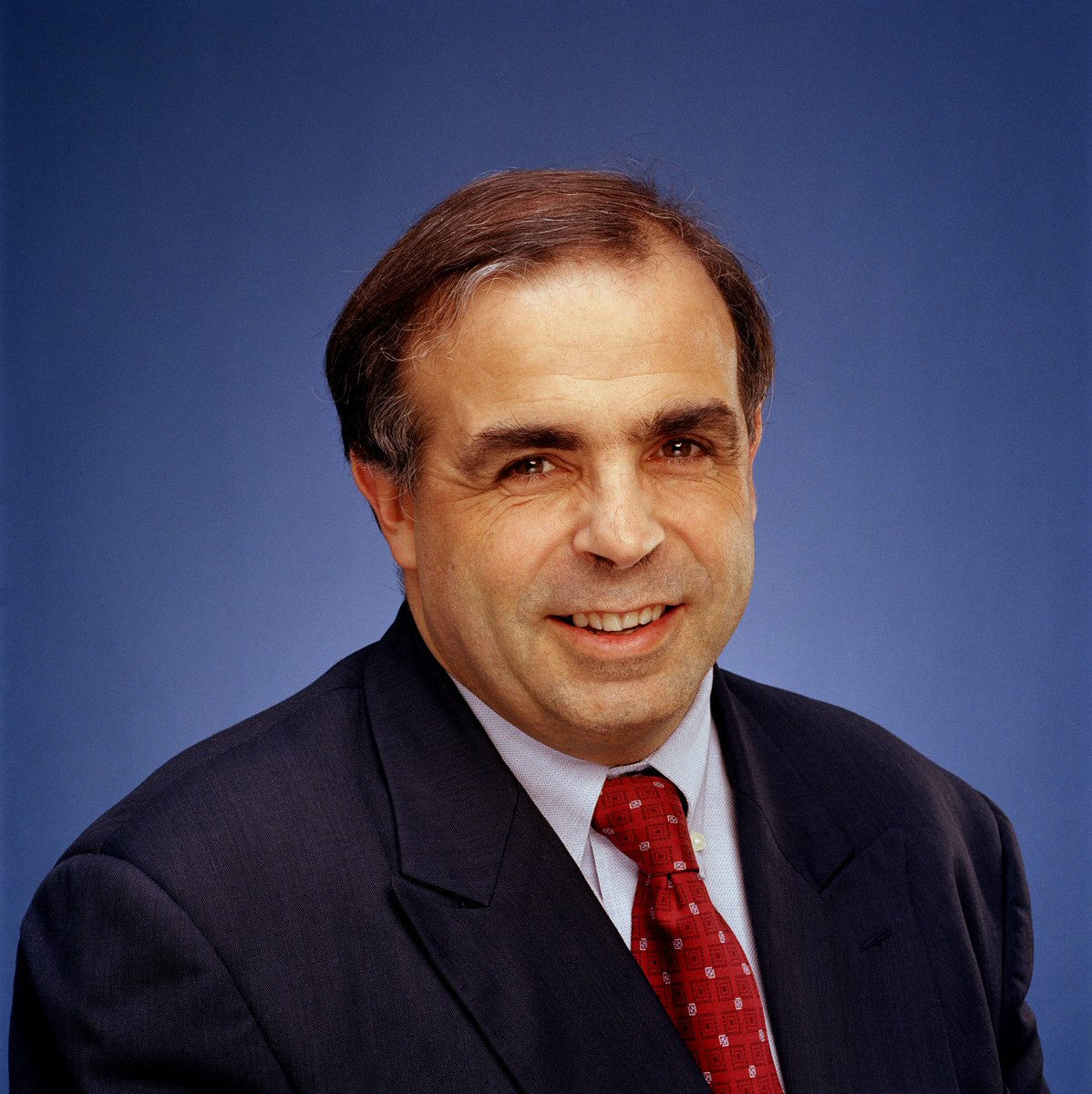
Former Nonresident Senior Fellow, South Asia Program
Frédéric Grare was a nonresident senior fellow at the Carnegie Endowment for International Peace, where his research focuses on Indo-Pacific dynamics, the search for a security architecture, and South Asia Security issues.
Recent Work
Frederic Grare
Frederic Grare
Carnegie does not take institutional positions on public policy issues; the views represented herein are those of the author(s) and do not necessarily reflect the views of Carnegie, its staff, or its trustees.

European Commission President Ursula von der Leyen is about to give her annual address on the state of the EU. Here’s what she won’t—but should—say.

Rym Momtaz

Radical-right parties are expected to do well in upcoming elections in four of the EU's biggest member states. If successful, they could prevent the union from addressing key challenges ahead.

Stefan Lehne

The aftermath of the Ceuta crisis shows Europe has drawn the wrong lessons. Rather than doubling down on failed migration policies, the EU needs to address the underlying roots of such episodes.

Richard Youngs

An overwhelming victory by a far-right-wing party in a small state in eastern Germany will have major repercussions for Chancellor Friedrich Merz’s coalition.

Judy Dempsey

Canadian Prime Minister Mark Carney has twice inspired praise for standing up to U.S. President Donald Trump: at the 2026 World Economic Forum in Davos and on Canada-U.S. trade negotiations. Is Carney showing a third way better than the EU has in dealing with the Trump administration?
Rym Momtaz, ed.