

Paper
Ibrahim Saif, Ahmed Ghoneim

REQUIRED IMAGE
Arab governments tempered public anger at rising food prices by increasing wages and subsidies, but their approach is not sustainable without raising taxes. Instead they should revise agricultural policies, expand social safety nets, and curb excessive energy consumption, argues Carnegie Middle East Center economist Ibrahim Saif.
Arab governments tempered public anger at rising food prices by increasing wages and subsidies, but their approach is not sustainable without raising taxes. Instead they should revise agricultural policies, expand social safety nets, and curb excessive energy consumption, argues Carnegie Middle East Center economist Ibrahim Saif.
Examining the response to the crisis by both oil-producing Gulf countries and populous non-oil exporting countries, Saif recommends sustainable alternative policies in his new commentary, The Food Price Crisis in the Arab Countries: Short Term Responses to a Lasting Challenge.
Key Conclusions:
“In the short run, there is no quick fix for the crisis created by rising food prices. Particularly in non-oil producing countries, there remains a real danger that people will take to the streets in increasing numbers when they see their livelihoods threatened. And in the Arab countries, the consequences of discontent and anger can easily acquire a geopolitical angle.”

Former Senior Associate, Middle East Center
Saif is an economist specializing in the political economy of the Middle East. His research focuses on international trade and structural adjustment programs in developing countries, with emphasis on Jordan and the Middle East.
Recent Work
Ibrahim Saif, Ahmed Ghoneim
Ibrahim Saif, Muhammad Abu Rumman

A summer of escalation in the Black Sea has hurt Ukraine economically and is exacerbating world food security. A truce is needed—as is a broader reframing of Europe’s Ukraine strategy.

Thomas de Waal
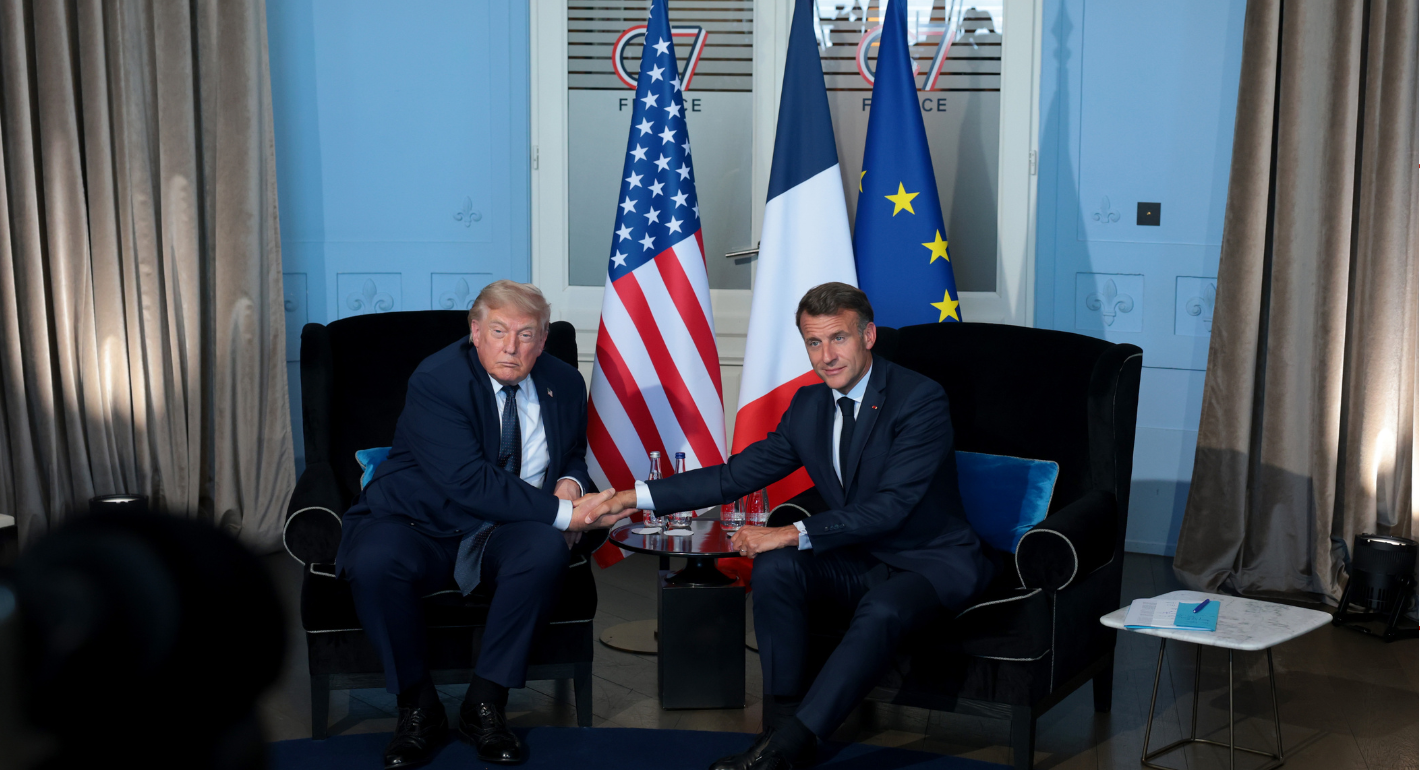
When the U.S.-Iran memorandum of understanding was announced, the UK, France, Germany, and Italy declared their readiness to help demine the Strait of Hormuz and lift nuclear sanctions on Tehran. But does Europe need new tools to recover a diplomatic role?

Rym Momtaz, ed.

As geopolitical rivalry weaponizes global supply chains, the EU’s true vulnerability lies in emerging-risk imports. For these goods, suppliers are growing more concentrated, substitution more difficult, and political risk is looming.

Sinan Ülgen

The EU is putting together a new security strategy to meet today’s myriad challenges. But for any proposal to be effective, the union needs to grapple with its identity and ambitions.

Pierre Vimont

The EU’s new migration policy is not suited to today’s realities. With climate change increasingly becoming a driver of displacement, Europe needs to rethink its deterrence-focused approach.

Shana Tabak