

Paper
Paul Salem
Source: Getty
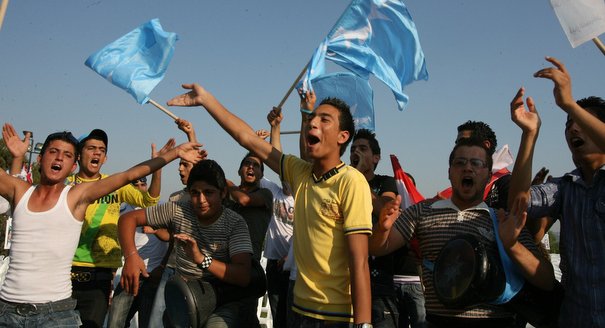
Lebanon faces critical parliamentary elections on June 7 between the pro-western March 14 coalition and the March 8 coalition led by Hezbollah. Whatever majority might be gained by either side will be very slim.
Whatever majority might be gained by either side in Lebanon's upcoming June 7 elections will be very slim. The country will remain almost evenly divided between the two camps of March 14 and March 8, with major communities that make up the Lebanese polity lined up on either side of the political divide. Within this context, stable government cannot proceed without a broad coalition involving both sides as well as a strong role for President Michel Sleiman.
A careful consideration of the available options makes it clear that that a broad-based government is the best way forward. If the March 8 coalition wins and the March 14 coalition boycotts, it could lead to economic collapse and could push the state more fully into the arms of Iran. If March 14 wins and March 8 is kept out, it could lead to a renewal of civil strife. After the elections, the two coalitions should be encouraged to form a coalition government with a strong role for the president. The Arab and international community should also maintain their support for Lebanon's political, economic and security institutions, with particular emphasis on maintaining support for the army.
March 14 is campaigning as the party of national sovereignty, the driver of the UN-mandated Special Tribunal for Lebanon investigating the assassination of Prime Minister Rafik Hariri, and the bloc that will protect Lebanon from manipulation by Syria and Iran. The Future Movement, the coalition's main component, claims the mantle of economic leadership.
Lebanon remains a precarious republic in an impossibly difficult neighborhood, and the international community should avoid moves that throw it off balance.
In the March 8 coalition, Hizbullah prides itself on its resistance to US influence and Israeli arms; and the Free Patriotic Movement led by Michel Aoun promises to fight corruption and ensure strong Christian representation in the state. However, beyond that, all parties share responsibility before the Lebanese public for maintaining stability in the country and tackling a host of social, economic and political reforms that have been effectively ignored by the ruling oligarchy for too long.
If March 14 renews its majority, there will be no radical departure in policy. The group has offered to form a coalition government after the elections, but has so far refused to grant the opposition veto power in it. This is understandable as obstructionism has plagued the decision-making record of the current government. Nevertheless, disagreement over this point led to violence last year, and would likely do so again. March 14 should use a victory to extract stronger commitments from March 8 to move forward together on key issues such as the Hariri tribunal, bolstering national defense, managing the country's precarious economy, and agreeing to long overdue social and political reforms.
If March 8 wins, the uncertainties are greater. The United States and the international community could overreact, painting the results as a Hizbullah seizure of power, and drawing comparisons to the Hamas takeover of Gaza. This could lead to a dangerous collapse of support for the Lebanese state and armed forces. The Arab world could react similarly, with Saudi Arabia and the oil-rich Gulf states suspending financial support, leading to a collapse of confidence in Lebanon and a precipitous decline into economic and social unrest.
So far, Saad Hariri has insisted he will stay out of a March 8-led government. However, a purely March 8 government would increase the risks in decision-making, jeopardizing key achievements such as the Hariri tribunal and Security Council Resolution 1701. A March 14 boycott would also contribute to a collapse of international confidence in Lebanon and domestic confidence in the economy and the currency. Such developments would impose a high cost to the Lebanese public, but also push a March 8 government to turn more fully to Iran to replace economic and military aid previously provided by the West and the Arab world. March 14 would serve both its constituents and Lebanese national interests better by participating in the government.
It is ... important for Lebanon's friends in the region and around the world to encourage Lebanon's parties to join in a coalition government, reinforcing the middle ground and preventing radical departures in policy.
A third and quite likely outcome of the election is a hung Parliament, with both camps holding large minorities and independents, close to the president, holding the balance. This would very likely lead to a broad coalition government, perhaps led by a March 14 prime minister, but with neither camp having a majority and both sides having veto power.
It is important that the international community respect the Lebanese electoral process. This is the first election since 1972 held on the basis of an election law accepted by all parties. It is also being held without Syrian control and under the management of an interior minister whose integrity and impartiality is unassailable. Whatever the outcome, it will reflect the preferences - for better or worse - of the country's voting public.
It is also important for Lebanon's friends in the region and around the world to encourage Lebanon's parties to join in a coalition government, reinforcing the middle ground and preventing radical departures in policy. The US, Europe and the Arab states should show strong support for President Michel Sleiman, who plays a balancing and moderating role in the system, and for the army, which although not all-powerful, plays a critical role in maintaining security and stability in the country.
Lebanon remains a precarious republic in an impossibly difficult neighborhood, and the international community should avoid moves that throw it off balance. The departure of Syrian forces in 2005, the establishment of the Hariri tribunal, the stabilization of the Lebanese-Israeli border after the disastrous war of 2006, and the re-establishment of political and economic stability in 2008 are all precious achievements. The region is still at a crossroads between making long awaited progress toward negotiation and accommodation, or falling back into confrontation and war. In this transitional period, Lebanon must preserve its stability, which is the basis for social and economic stability as well. A coalition government should be an occasion to consolidate this stability rather than entering into a new phase of risk and confrontation.
Senior Fellow at the Middle East Institute
Paul Salem is a senior fellow at the Middle East Institute.
Recent Work
Paul Salem
Paul Salem
Carnegie does not take institutional positions on public policy issues; the views represented herein are those of the author(s) and do not necessarily reflect the views of Carnegie, its staff, or its trustees.

As the EU confronts profound challenges, several leaders have called for fundamental reform to the union’s model—but only modest, superficial changes have resulted. What if Europe really could be reimagined from zero today: What should such a redesigned European order look like?

Richard Youngs, ed.
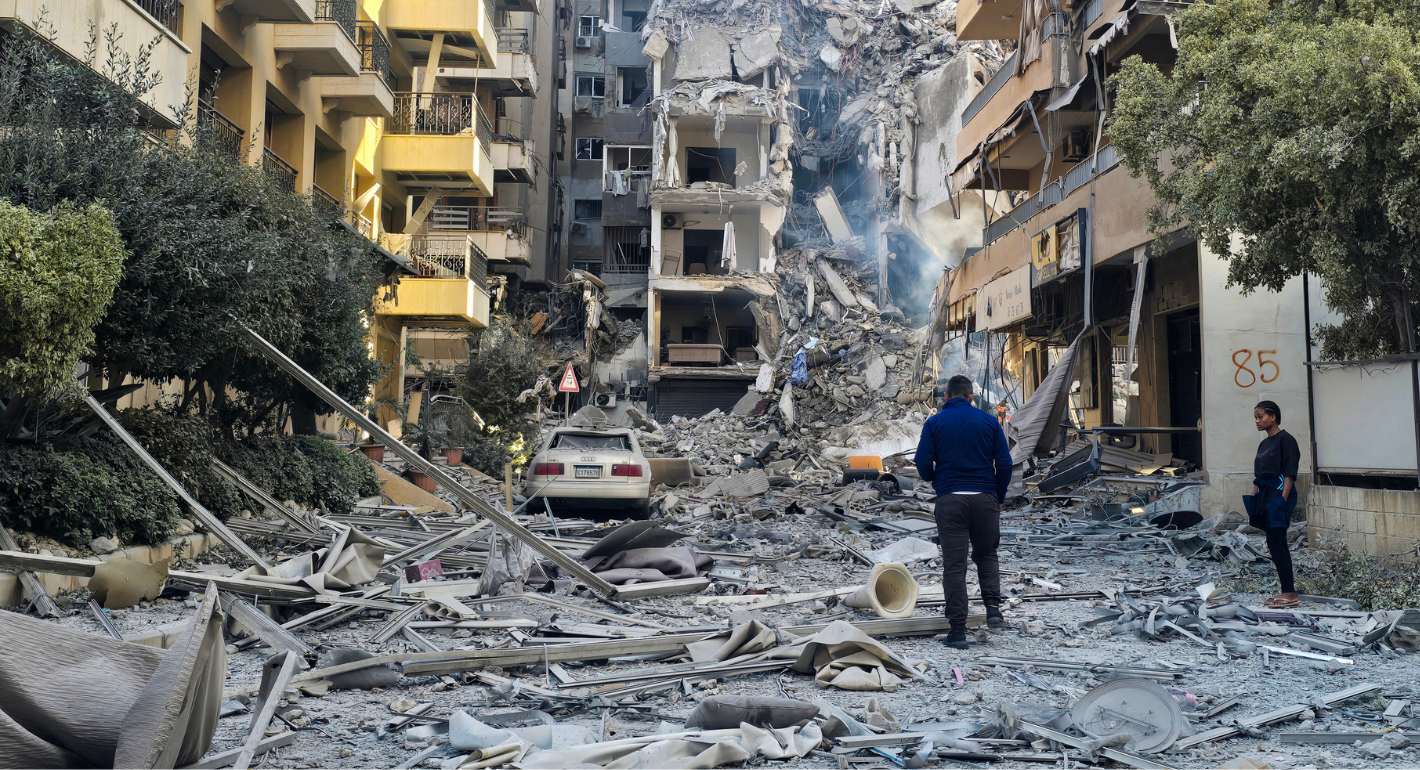
Europe seems to have accepted its sidelining in the Middle East. The EU must reassert its support for the international rules-based order and step up engagement.

Rym Momtaz
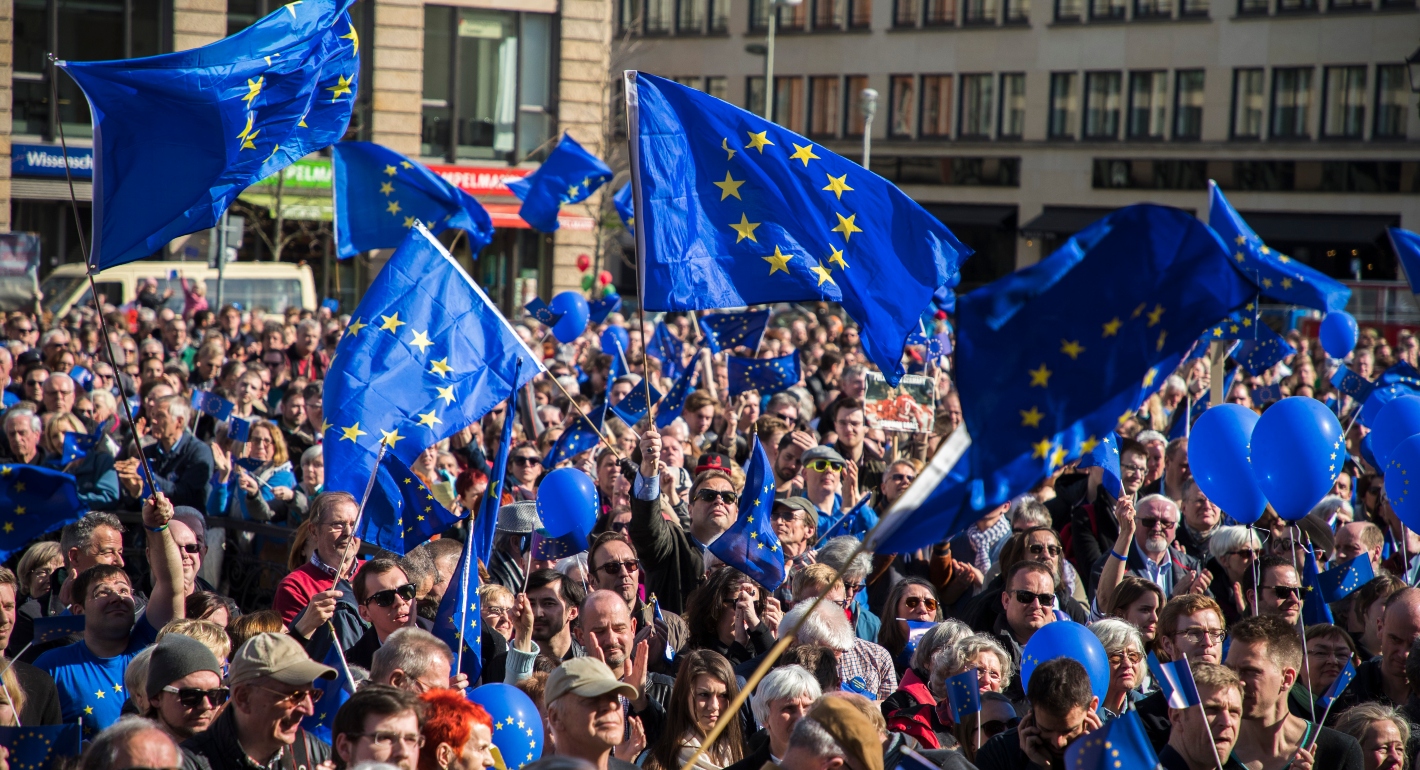
Preparing candidate countries for EU membership is no longer enough. As the enlargement process becomes a reality, the union must also prepare its own societies.

Iliriana Gjoni
Countries face several hurdles in joining the EU, including the final stage of ratifying their accession treaties. Procedural reforms and substantive adjustments could help move the process forward.

Stefan Lehne
Europe has an interest in supporting Armenian leader Nikol Pashinyan as he tries to make peace with neighbors and loosen ties with Russia. But it is depersonalized support in the long term, not quickfire flash, that will win the day.

Thomas de Waal