

Commentary
Closer EU-UK ties could help address urgent European concerns. But is the EU ready for rapprochement with the United Kingdom?
Rym Momtaz, ed.
Source: Getty
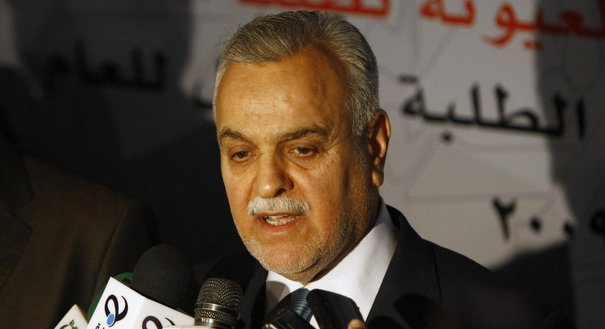
One of Iraq’s vice presidents, Tariq al-Hashemi, has vetoed the country's new election law, threatening to delay elections which according to the constitution must happen by the end of January 2010.
Only days after the Iraqi Parliament passed its new election law, as the country waited for ratification by the Presidency Council (the President and his two VPs), Iraq’s Vice President has vetoed the bill, threatening to delay elections which according to the constitution must happen by the end of January 2010. The postponement could result in an unconstitutional caretaker government headed by Prime Minister Nouri al-Maliki, which risks renewed sectarian violence and a delay of the withdrawal of U.S. troops from Iraq.
Council squares off with Parliament over distribution of seats
Echoing the wishes of the Kurdish Parliament, Iraqi Vice President Tariq al-Hashemi and President Jalal Talabani called for Article One of the election law to be amended to allow 15 percent of the 323 seats in the upcoming parliament to be reserved as “national seats.” These would be set aside for minorities, and “compensatory” seats for Iraqis living abroad and parties that fare well at the national level but fail to win seats in any particular province.
Currently, only 5 percent of the upcoming parliament—a total of 16 seats—are allocated as national seats, with eight reserved for minorities and eight as compensatory seats. Decrying the law as unfair to Iraqi exiles, Hashemi demanded that the proportion be increased from 5 percent to 15 percent to reflect the “real” number of Iraqi refugees and expatriates.
Hashemi also proposed that the country return to Article 19 of the 2005 elections law, which he claims places Iraqi expatriates on equal footing with those in the country, and had threatened to veto the election bill if it were not amended by November 17, calling on the Iraqi High Electoral Commission (IHEC) and the parliament to ensure quick amendments so that the elections could occur on time. As such, Hashemi has vetoed the bill, and the IHEC has suspended preparations for the elections. The IHEC needs 60 days from ratification of the election law to prepare for the vote, and with the initial date having been January 16, elections will not be held on that day.
While the 2005 election law reserved 45 seats for minority and compensatory seats, the current bill has put aside considerably fewer. The law sets a proportion of one member of parliament for every 100,000 constituents, thus determining the number of seats for each province. As most estimates of Iraqis living abroad range from 1.5 million to 3 million, the eight seats designated are far from representative of this segment of the Iraqi population, especially considering that the eight national seats are also intended to provide representation for small political parties.
Until Hashemi’s veto, the electoral debate that has mired the Presidency Council for the past four months had been concerned chiefly with Kirkuk, allowing little consideration of other issues. Though the veto came as a surprise to many, several small parties, minorities, Sunnis, and Kurds had been dissatisfied with the number of national seats specified by the bill, so the issue was bound to come up again, delaying ratification of the law. Since the bill is slated to return to Parliament, where final debate will not be limited to the issue of the national seats, Hashemi’s move risks further delaying the elections.
Since the bill is slated to return to Parliament, where final debate will not be limited to the issue of the national seats, Hashemi’s move risks further delaying the elections.
On the other hand, the issue of national seats has made for strange bedfellows. In addition to the minorities, Sunnis and Kurds are the two main constituencies that would gain from an increase of national seats. As such, after exchanging heated recriminations over Kirkuk, leaders of the two communities have come together in support of revising the bill.
A majority of Iraqi refugees are thought to be Sunni, and thus an increase in the proportion of national seats would bring about greater representation for Sunnis in Parliament. The Kurds would also stand to gain from such an increase, as many minorities had fled to Iraqi Kurdistan both before and after the toppling of the Baath regime and most are believed to support the Kurdish parties in power—particularly the Yazidis and the Shabaks. As a result, Hashemi’s proposal is expected to bring about greater Kurdish representation, or parties more attuned to their interests.
Kurds dispute Iraqi government’s population count
But Hashemi’s demand may have opened a can of worms. Yesterday, the Kurdish leadership protested the present allocation of seats to different provinces, and threatened to boycott the upcoming elections unless Parliament reconsidered the issue. According to the Kurdish Regional Government, the Trade Ministry—which determines the numbers of residents in each province based on food rationing cards—has employed inaccurate data in determining the allocation of seats to provinces, and the Kurdish provinces of Dohuk, Suleimaniyah, and Arbil have not received their fair share of seats.
If certain factions and members of Parliament capitalize on the election law’s return to Parliament to bring up other issues for amendment, debates could stretch past the very limited time frame Iraq has to ratify the bill.
While this issue could create some contention, it will not affect the electoral law or go to the Parliament for review. Rather, the Trade Ministry will have to resolve this problem in coordination with the KRG. Indeed, the three Kurdish provinces received considerably smaller increases in seat numbers than did some other provinces. Though the overall number of seats in the Iraqi Parliament will rise from 275 to 323 with these elections, Suleimaniyah received no increase in parliamentary representation—the only province in Iraq of which that is true. Similarly, Arbil was the only province to receive only one seat more than the 13 it currently holds.
Some Iraqis argue that the government has overestimated the number of ethnic Kurds in recent years and underestimated the majority-Sunni regions’ populations, and that their representation must be adjusted as such. The Kurds, of course, believe that the system of determining the number of voters based of food rationing cards is flawed, and demand that the Trade Ministry employ another form of identification.
If certain factions and ministers capitalize on the election law’s return to Parliament to bring up other issues for amendment, debates could stretch past the very limited time frame Iraq has to ratify the bill. Though the issues of national seats and of the distribution of parliamentary seats among provinces are unrelated, if either problem is not quickly addressed, it could result in a political logjam and, in the case of the national seats, a dangerous delay of the January elections.
Danial Anas Kaysi is currently the Junior Fellow for the Middle East program at the Carnegie Endowment for International Peace. He holds a BS from George Mason University's Institute for Conflict Analysis and Resolution.
Danial Kaysi
Carnegie does not take institutional positions on public policy issues; the views represented herein are those of the author(s) and do not necessarily reflect the views of Carnegie, its staff, or its trustees.
Closer EU-UK ties could help address urgent European concerns. But is the EU ready for rapprochement with the United Kingdom?

Rym Momtaz, ed.
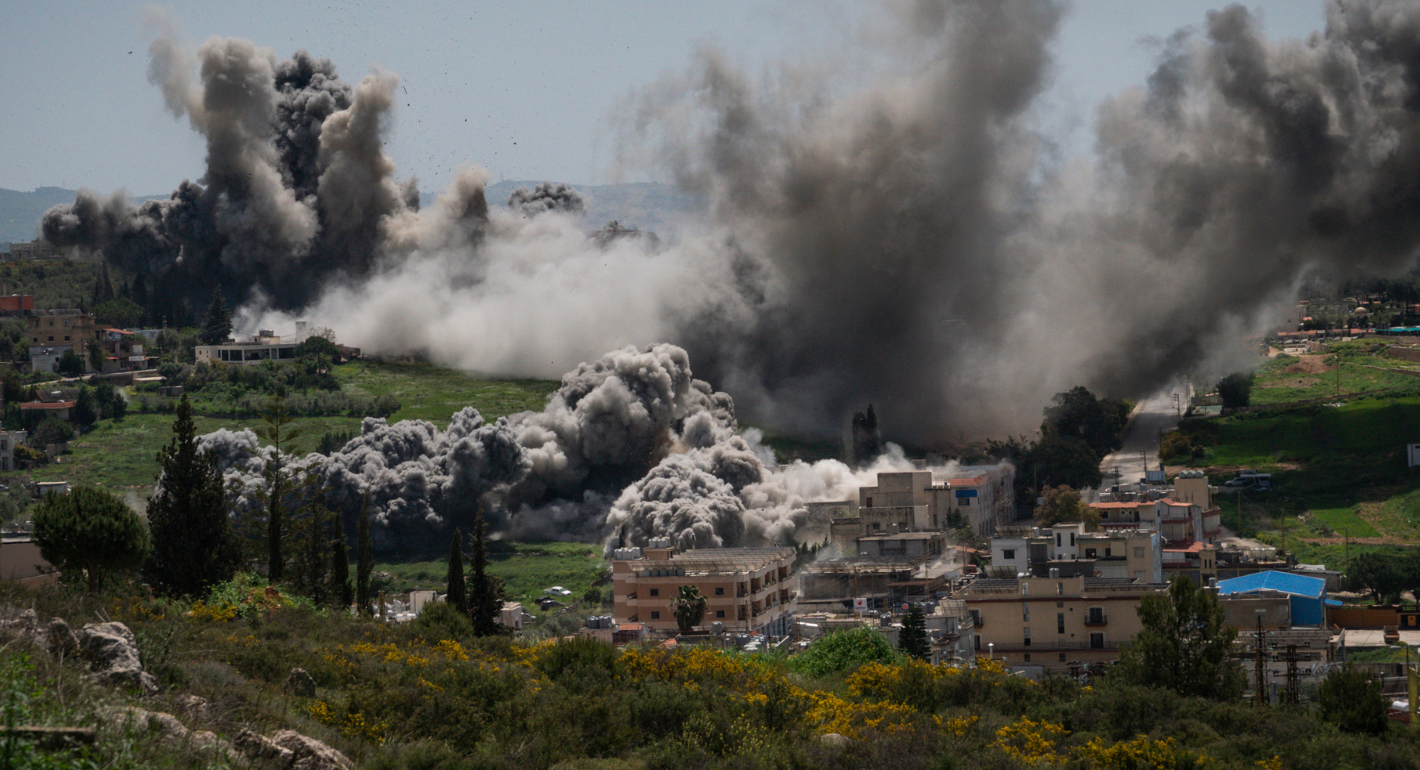
Europe has been standing by while its Southern neighborhood is being redrawn by force. To establish a path to peace between Israel and Lebanon, it’s time for Europeans to get involved with hard power.
Rym Momtaz
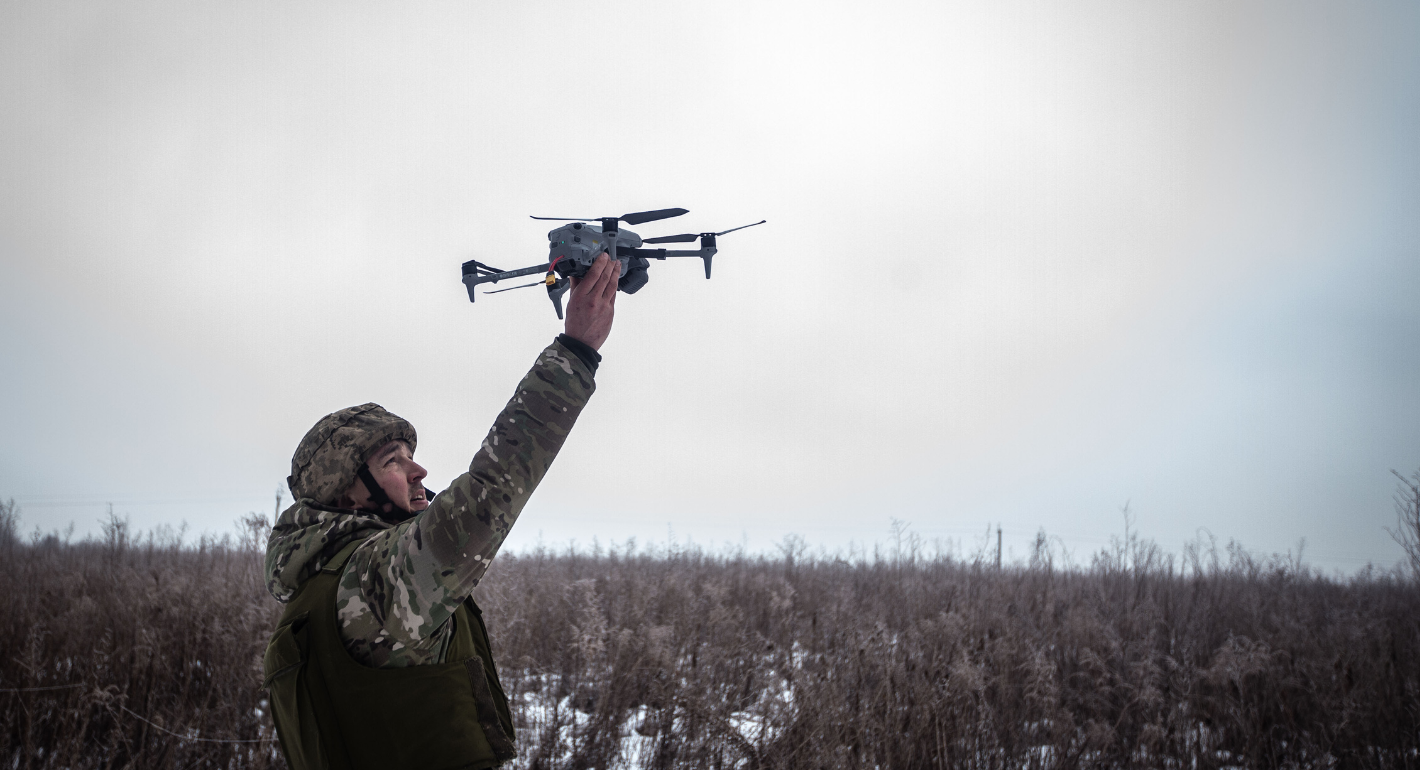
In Ukraine, Gaza, and Iran, AI warfare has come to dominate, with barely any oversight or accountability. Europe must lead the charge on the responsible use of new military technologies.

Raluca Csernatoni

Montenegro and Albania are frontrunners for EU enlargement in the Western Balkans, but they can’t just sit back and wait. To meet their 2030 accession ambitions, they must make a strong positive case.


Dimitar Bechev, Iliriana Gjoni
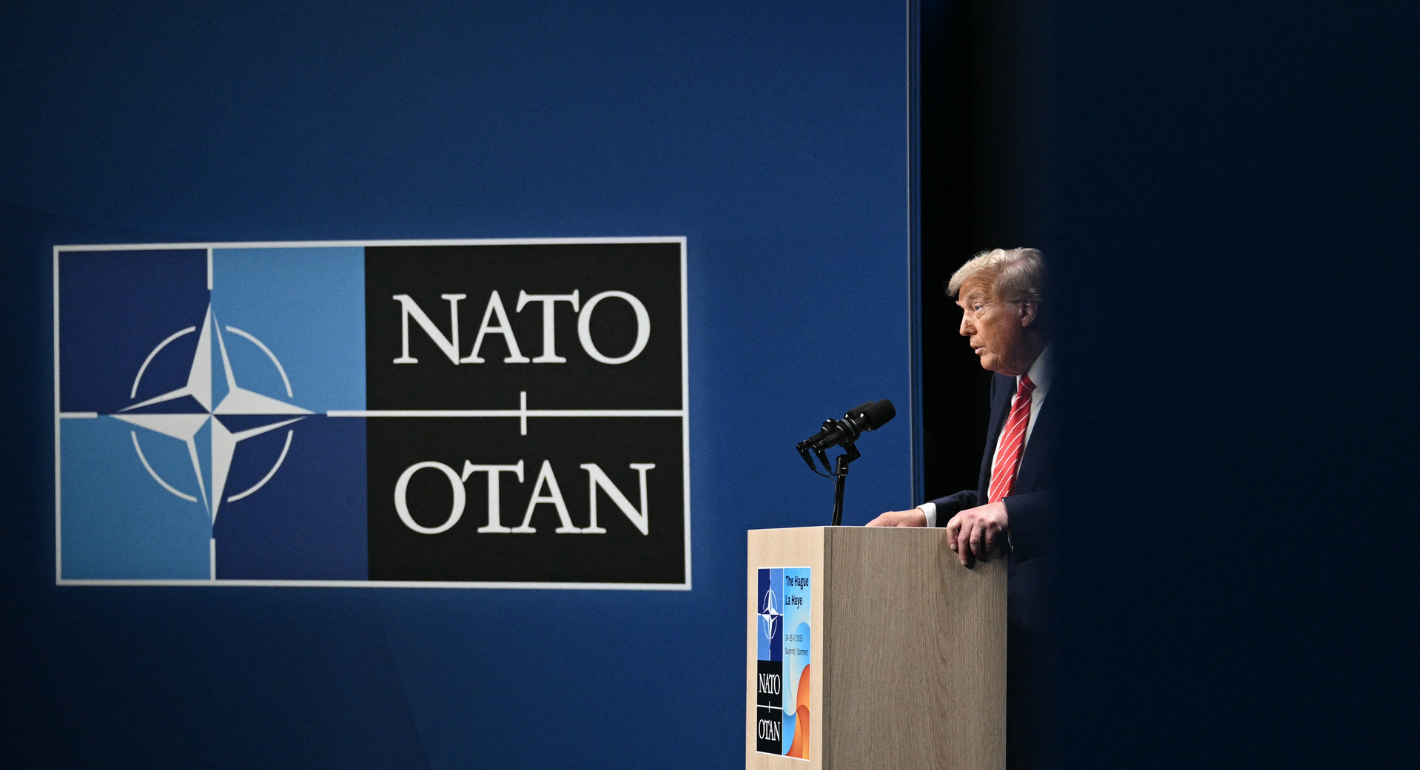
Donald Trump has repeatedly bashed NATO and European allies, threatening to annex Canada and Greenland and deploring their lack of enthusiasm for his war of choice in Iran. Is this latest round of abuse the final straw?
Rym Momtaz, ed.