

Paper
Gilles Dorronsoro
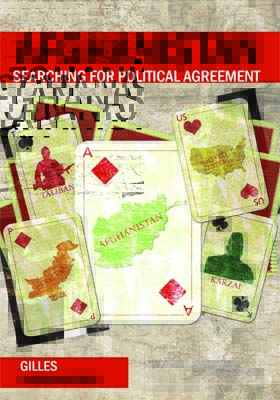
A less costly and more effective way for the international coalition to overcome the impasse in Afghanistan is a negotiated agreement with the Taliban, which could pave the way for a unity government.
Coalition strategy in Afghanistan has reached an impasse: tactical successes will not defeat the Taliban while Pakistan offers sanctuary, nor can security be “Afghanized” by a government that lacks legitimacy and is irreparably unpopular. A less costly—both in lives and money—and more effective option would be a negotiated agreement with the Taliban that paves the way for a unity government.
“Nothing guarantees that negotiations—if agreed to by the Taliban—will succeed. Furthermore, the regime that will be established will be unstable for months, perhaps even years,” writes Dorronsoro.
“But if the negotiations succeed, they will enable the formation of a national unity government in Kabul, a new constitution negotiated during a Loya Jirga, and internal and international guarantees to prevent the return of al-Qaeda. Given the current impasse in which the coalition finds itself, such a result is the best that one can hope for.”

Former Nonresident Scholar, South Asia Program
Dorronsoro’s research focuses on security and political development in Afghanistan. He was a professor of political science at the Sorbonne in Paris and the Institute of Political Studies of Rennes.
Recent Work
Gilles Dorronsoro
Gilles Dorronsoro
Carnegie does not take institutional positions on public policy issues; the views represented herein are those of the author(s) and do not necessarily reflect the views of Carnegie, its staff, or its trustees.
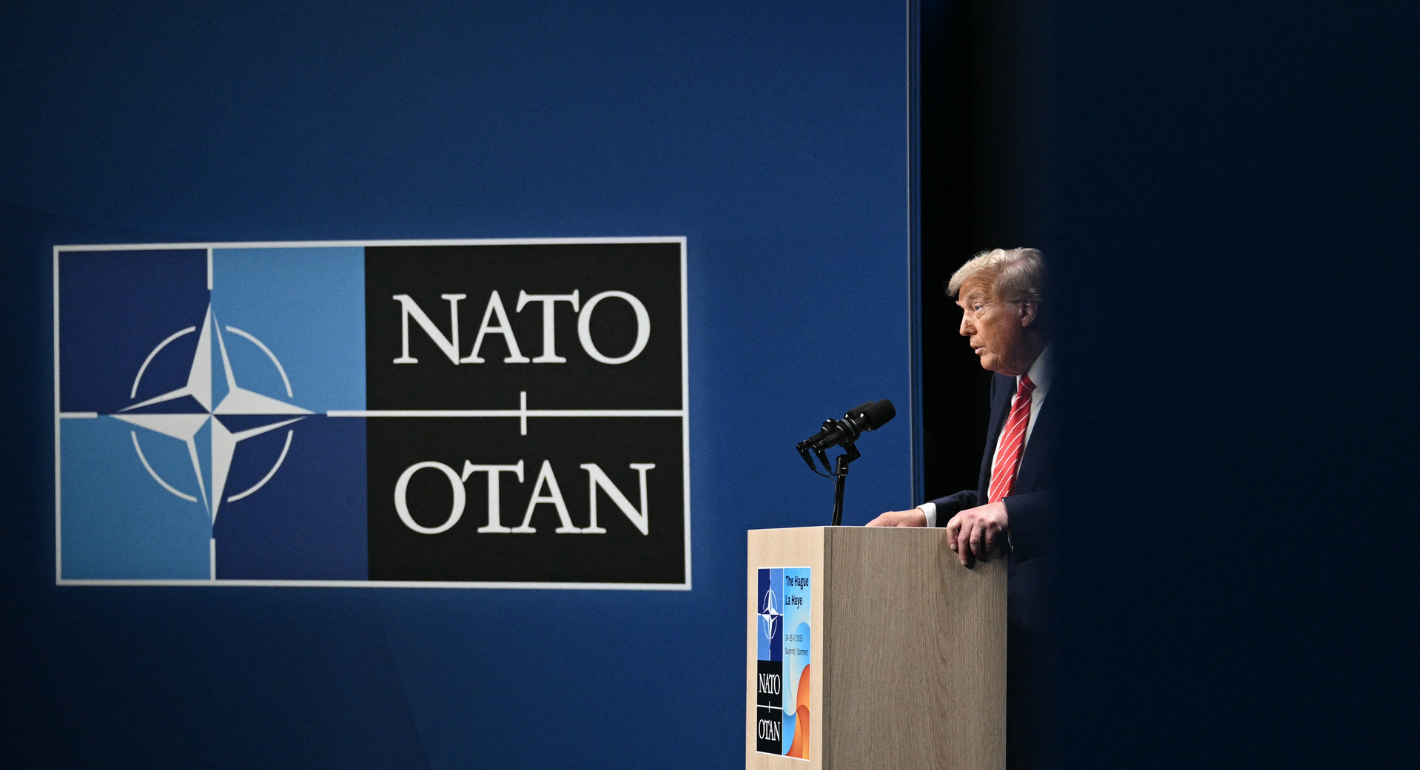
Donald Trump has repeatedly bashed NATO and European allies, threatening to annex Canada and Greenland and deploring their lack of enthusiasm for his war of choice in Iran. Is this latest round of abuse the final straw?

Rym Momtaz, ed.
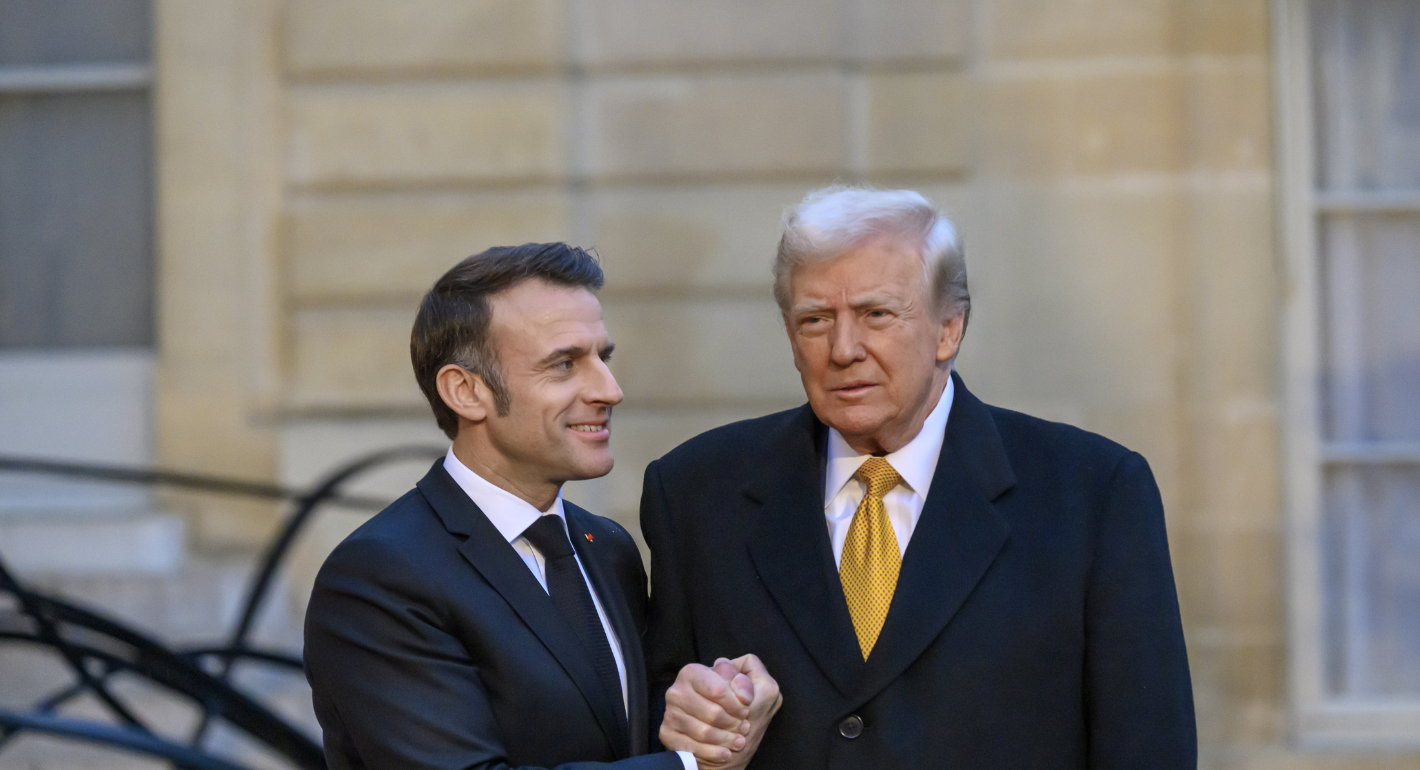
Donald Trump’s repudiation of NATO goes against the Make America Great Again vision of a U.S.-centered foreign policy. If the goal is to preserve the alliance by boosting Europe’s commitments, leaning into France’s vision is the most America First way forward.
Rym Momtaz
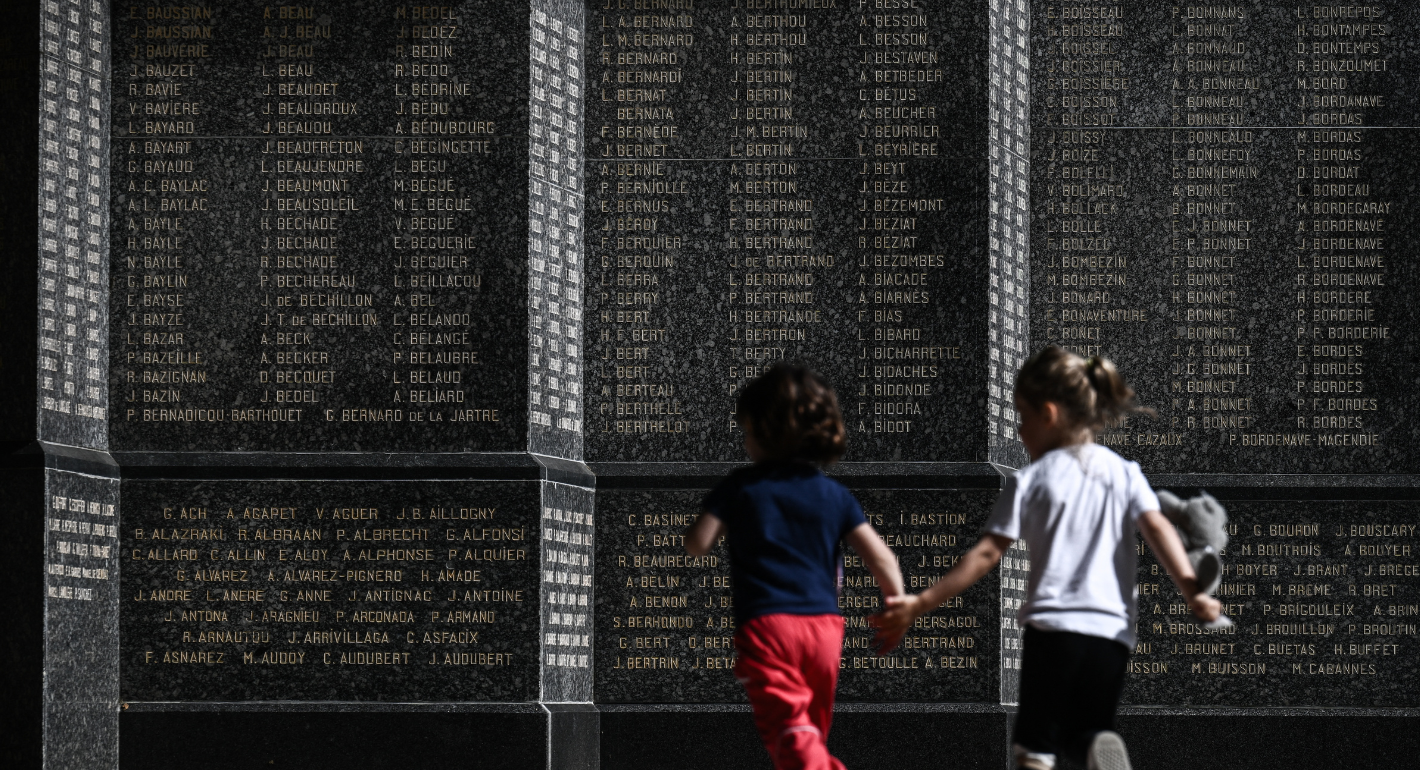
The wars in Ukraine and the Middle East are existential threats to Europe as a peace project. Leaders and citizens alike must reaffirm their solidarity to face up to today’s multifaceted challenges.

Marc Pierini
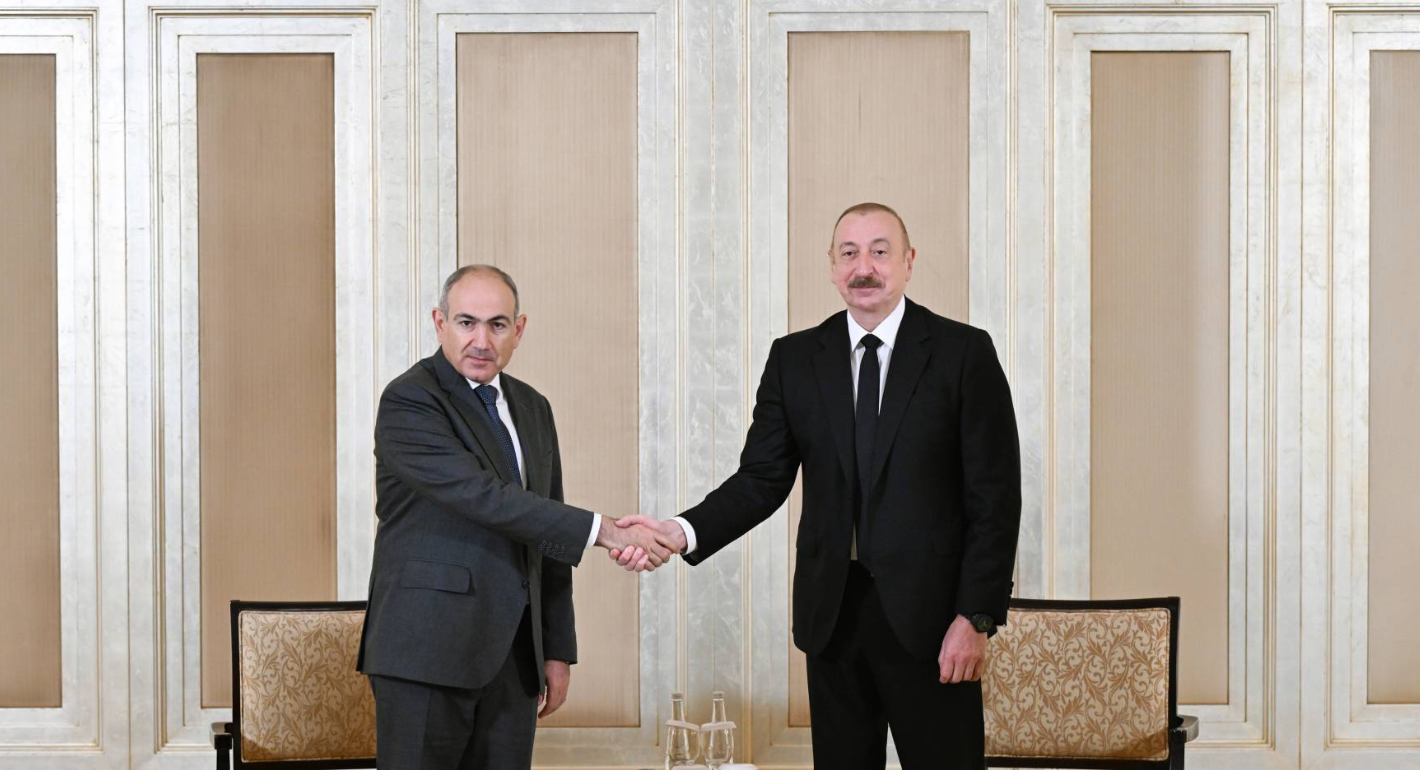
The U.S.-sponsored TRIPP deal is driving the Armenia-Azerbaijan peace process forward. But foreign and domestic hurdles remain before connectivity and economic interdependence can open up the South Caucasus.

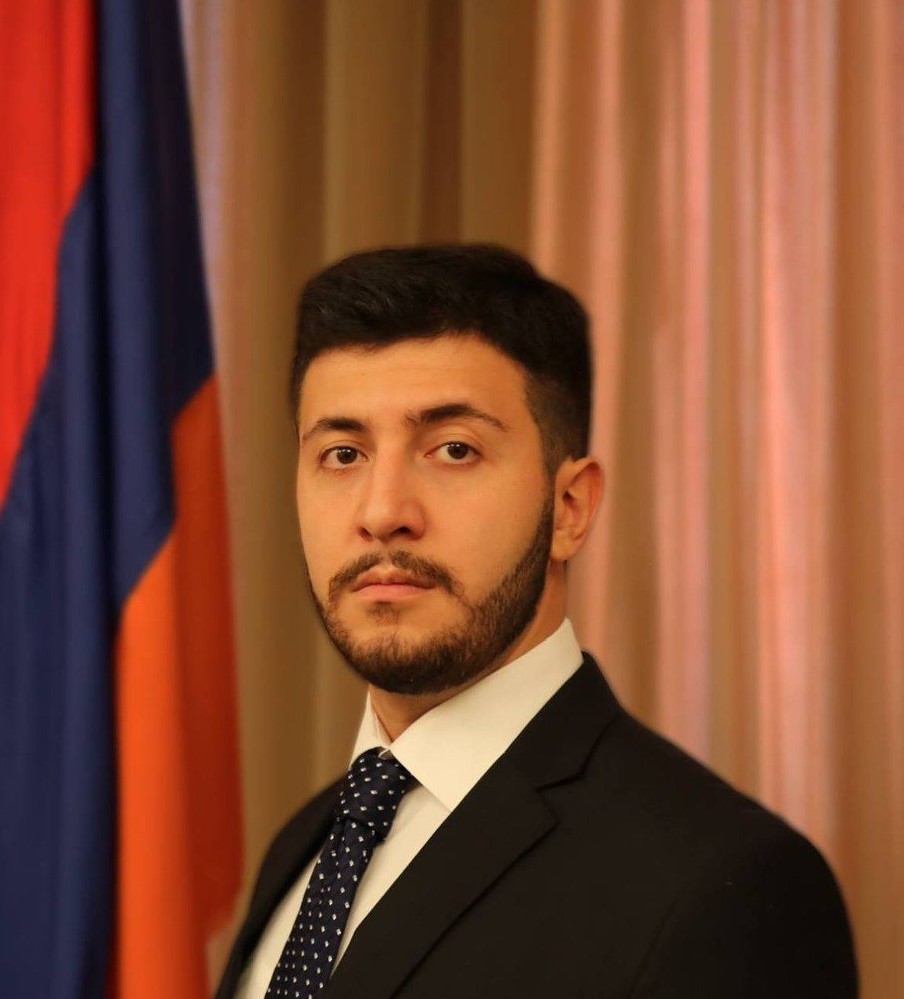
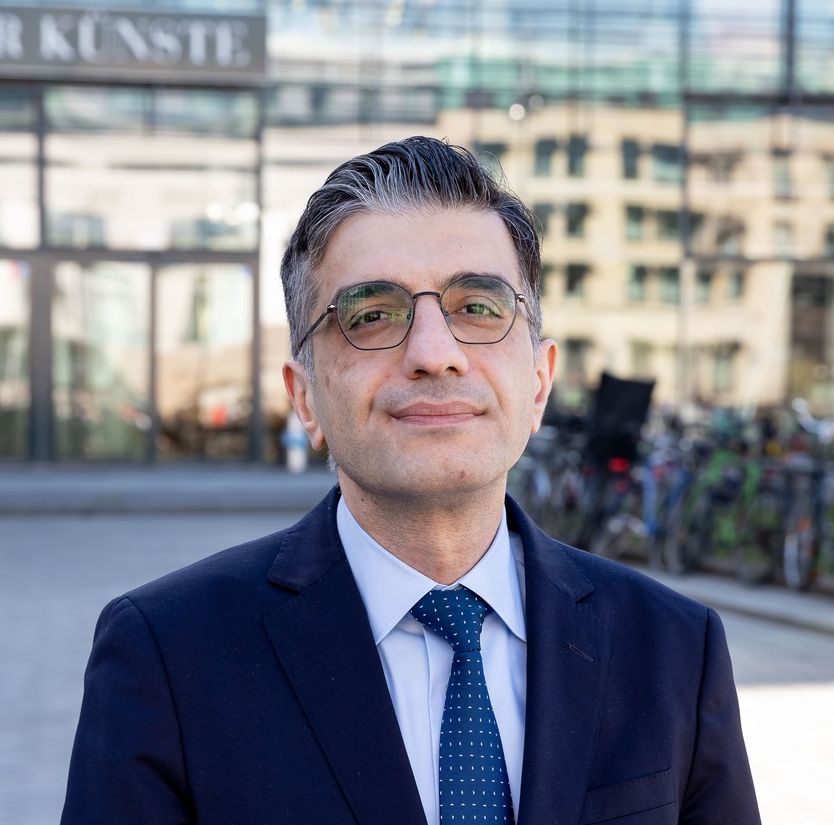
Thomas de Waal, Areg Kochinyan, Zaur Shiriyev
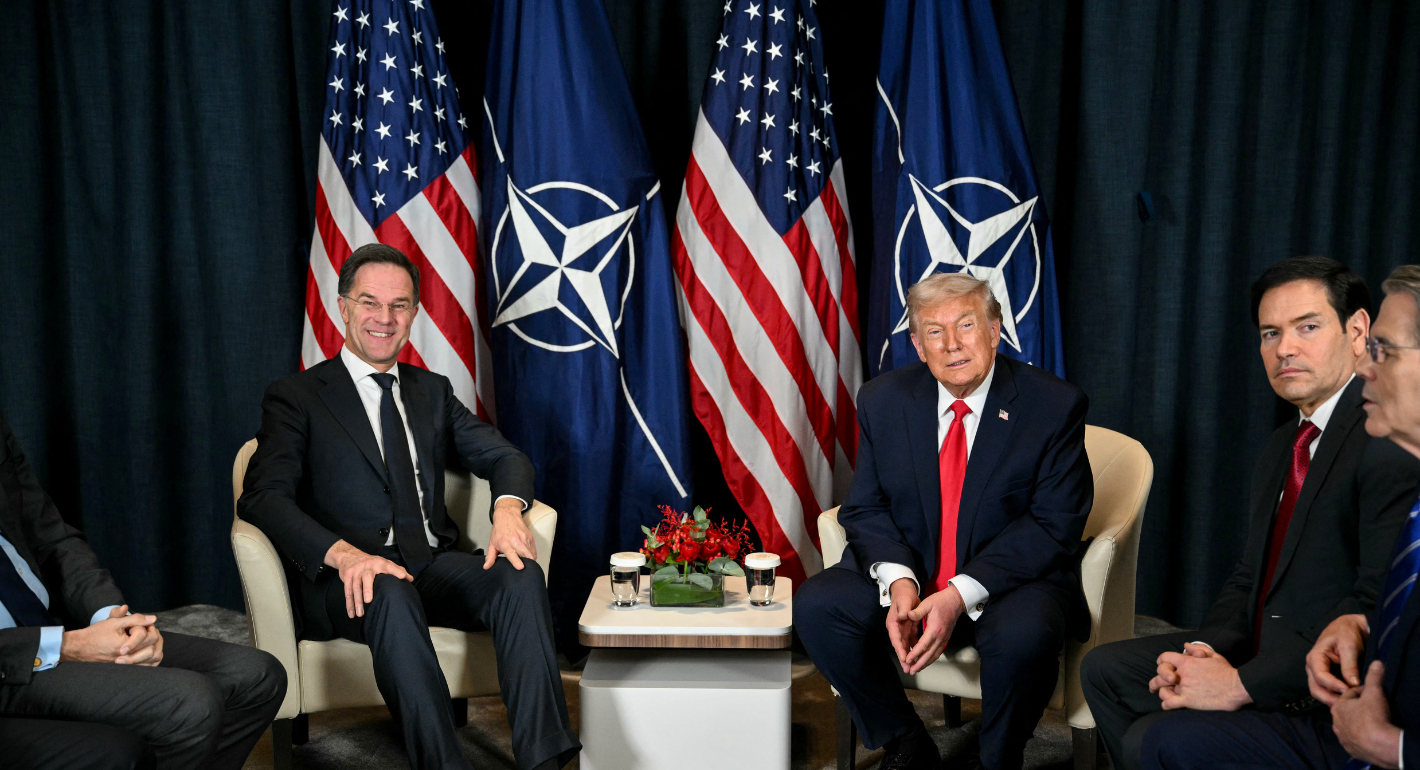
Donald Trump has demanded that European allies send ships to the Strait of Hormuz while his war of choice in Iran rages on. He has constantly berated NATO while the alliance’s secretary-general has emphatically supported him.
Rym Momtaz, ed.