

Commentary
Ahead of a tough winter for Ukraine, Donald Trump’s swing back toward Russia bodes ill. But instead of panicking, Kyiv’s European allies are focusing on action.
Rym Momtaz

Source: Getty
In order for Europe to become a more efficient global actor, it must strengthen its political leadership and better identify its interests.
If there is one area in which Europeans excel, it is in endless discussions. With the most striking example being Belgium: we are unbeatable when it comes to division and compromise based on the lowest common denominator. Wrangling prevents strategy.
Let’s take a look at the recent past and some examples of division. In Copenhagen in December 2009, disharmony within the European Union’s climate leadership resulted in a failed conference and delivered a blow to the fight against global warming.
In the related field of energy, instead of establishing a common policy and internal market based on efficient supply and production management, member states fostered the game of producer states, developing competing relationships and focusing on competing supply routes. But things did not stop there: after witnessing the Fukushima disaster, some chose to abandon nuclear energy without consultation, while others chose to continue its development or to engage in shale gas exploitation. Any national energy choice automatically has an economic and environmental impact on other members of the European family.
In the case of the sovereign debt crisis, endless procrastination over the aid mechanism, the amount of aid, conditions, and the contribution of banks has only exacerbated the crisis by strengthening speculation and increasing cost. Finally, on Libya, division in the EU resulted in NATO being entrusted with a military operation outside its traditional geographic sphere and not even indirectly linked to its core mission, even though Libya is in our immediate vicinity.
Examples such as these show that Europe still has a long way to go before it can assume a strategic role in the new twenty-first century world organized around a few regional powers and state-continents. Strategy development must meet three preconditions: first, awareness of oneself, second, politicians with leadership qualities, and third, identification of one’s interests. However, the permanent Congress of Vienna that dominates political life in the EU, as well as bilateral relations between member states and the rest of the world, maintains the illusion of national sovereignty—albeit increasingly insignificant under the impact of globalization and the competition of emerging powers.
Ministerial reports of national interests haggled out in Brussels bolster the growing Euroskepticism of its citizens, and Europe’s absence on all major issues deprives them of any sense of pride. But pride is the only foundation on which a strategy can thrive. National politicians have no incentive to develop a European vision of the future. And the method for selecting those who run the European institutions puts people of little charisma at the helm, able only to navigate between different national interests. European interests, too often presented as incompatible with national interests that actually differ little from each other, generally remain undefined.
Solving this challenge with three unknowns will be neither quick nor easy. It means fulfilling the dream, long cherished but never realized, of political union. To reconnect citizens with Europe, it is urgent to demonstrate EU effectiveness, both internally and internationally.
This requires immediate redefinition of the EU budget, which is barely 1 percent of the EU’s collective gross domestic product (GDP), against 30 percent of GDP for the federal budget of the United States. The EU budget should be increased to provide leverage allowing for greater efficiency and visibility. It must also be reformed to break away from geographical redistribution and fund key strategic objectives: research and development; innovation and industrial policy (including the protection of strategic industries); infrastructure (including in space) and trans-European networks; energy diversification and efficiency; external relations, defense and security; and food and health. The introduction of new local resources would ensure this qualitative leap and is the only way to lighten the burden on indebted countries. By giving up certain powers, member states could save money and focus on education and primary health care, police missions, justice, territorial defense, environment, and so on.
Whatever the pace, this trend is inevitable unless we wish to give up European construction and accept permanent marginalization on the world stage. In external relations, member states must stop seeing the European External Action Service as a rival or auxiliary and instead reap the benefits that allow them to trim down their own diplomatic services. The same goes for defense—unnecessary duplication is rife but member states struggle to fund equipment and operations.
The second unknown is the lack of political leadership. Modest institutional reform is inevitably needed to enhance the political readability of how the institutions work and allow key officials to gain legitimacy and autonomy. During European elections, it might be useful to promote discussions on major European issues rather than national concerns by establishing transnational lists, as the European Parliament is currently considering. Appointment of the president of the European Commission based on these election results and the constitution of the Commission away from national bartering should allow this institution to once more become a driving force for European policy and produce a strategic vision. Lastly, the European Council should be reformed to be composed of European Affairs Ministers, who will not see all sector decisions in terms of national “victories” or “diktats” from Brussels.
Finally, we must define Europe’s higher interests, which generally differ from national interests only in the short or very short term. The identification of European interests, however, has so far been carefully avoided in documents which, except for the 2003 security strategy, were drowned in beautiful values and great principles. Why not entrust a group of experts with drafting a white paper on European interests, based on consultations with European institutions and the authorities and civil society of each member state? This document could review all strategic issues, identify common interests, and provide tools for promoting and defending them. It could then serve as a basis for the adoption of strategic guidelines by the European Council.
Until these three challenges are solved, there will be no strategic Europe. Time is running out and, as Charles-Joseph de Ligne wrote, “In war, politics and love, seize the moment for it may not come again!”
Olivier Jehin is the former head of the Institut Français des Relations Internationales (Ifri) in Brussels, a freelance journalist and editor of Europe Diplomacy & Defence.
To reinvigorate debate over European foreign policy and Europe’s role in the world, Carnegie Europe is publishing a series of essays from leading policymakers, diplomats, experts, and journalists on Strategic Europe over the coming weeks. A new essay will appear every day.
Olivier Jehin
Carnegie does not take institutional positions on public policy issues; the views represented herein are those of the author(s) and do not necessarily reflect the views of Carnegie, its staff, or its trustees.
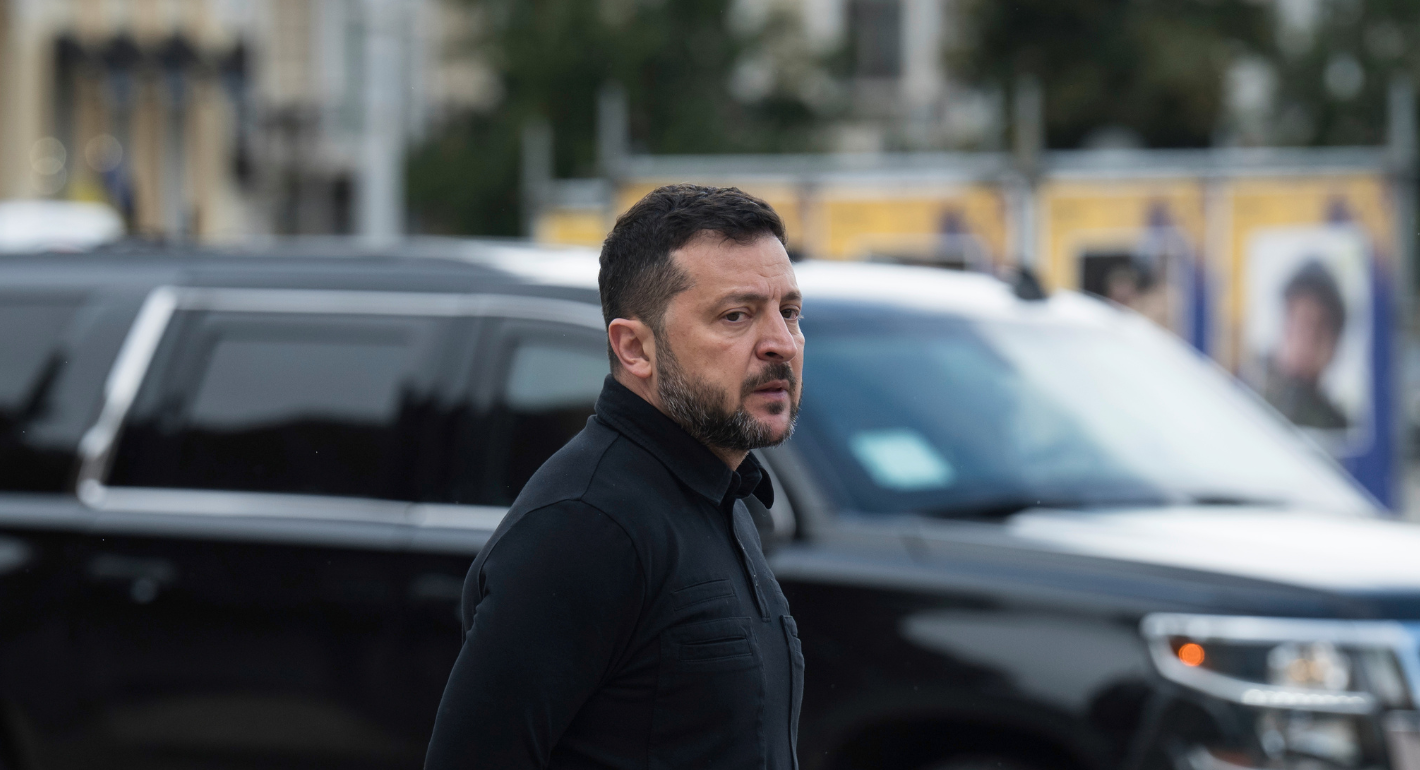
Ahead of a tough winter for Ukraine, Donald Trump’s swing back toward Russia bodes ill. But instead of panicking, Kyiv’s European allies are focusing on action.

Rym Momtaz
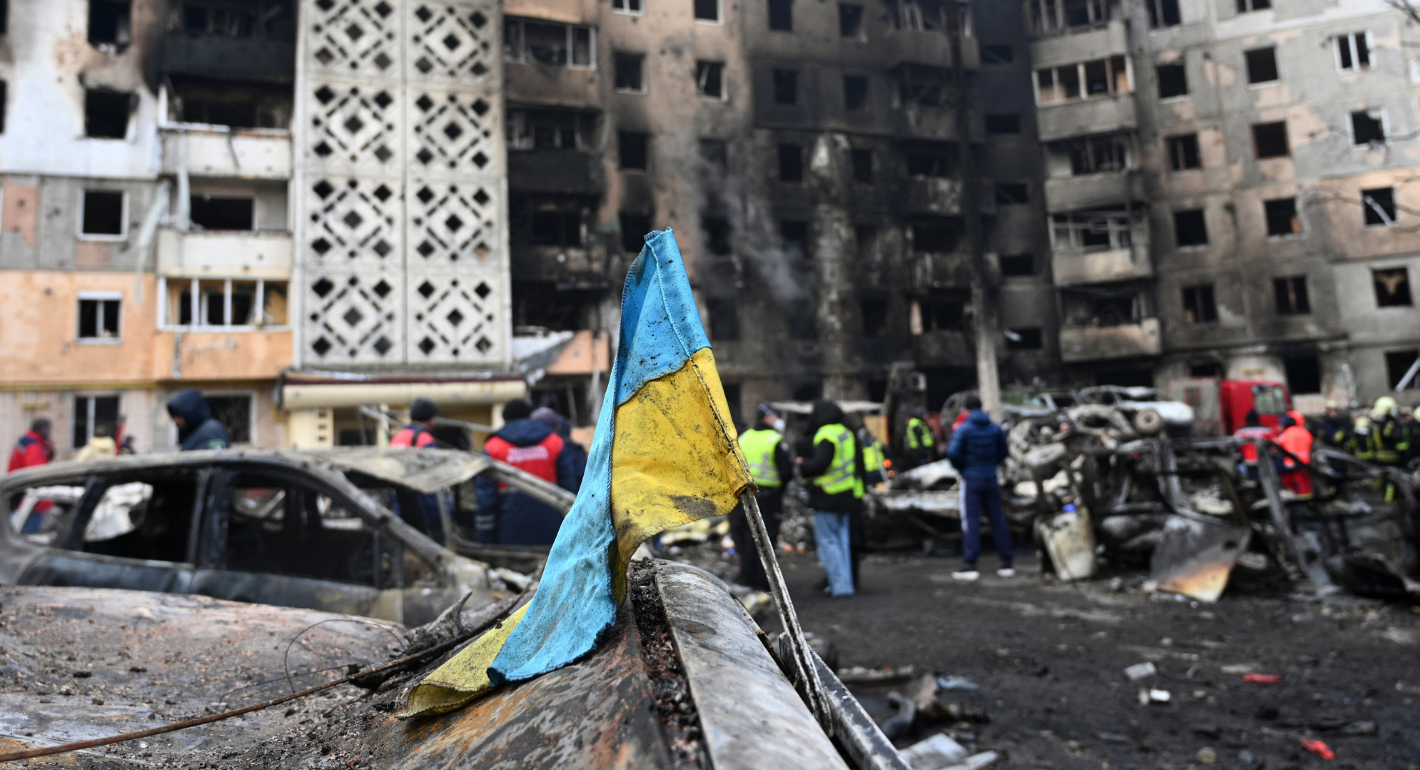
Funding Ukraine remains a priority for European leaders. As Russia’s war of aggression heads into another winter, two feasible options to mobilize support for Kyiv should be fast-tracked.
Vladyslav Rashkovan, Gregory P. Wilson
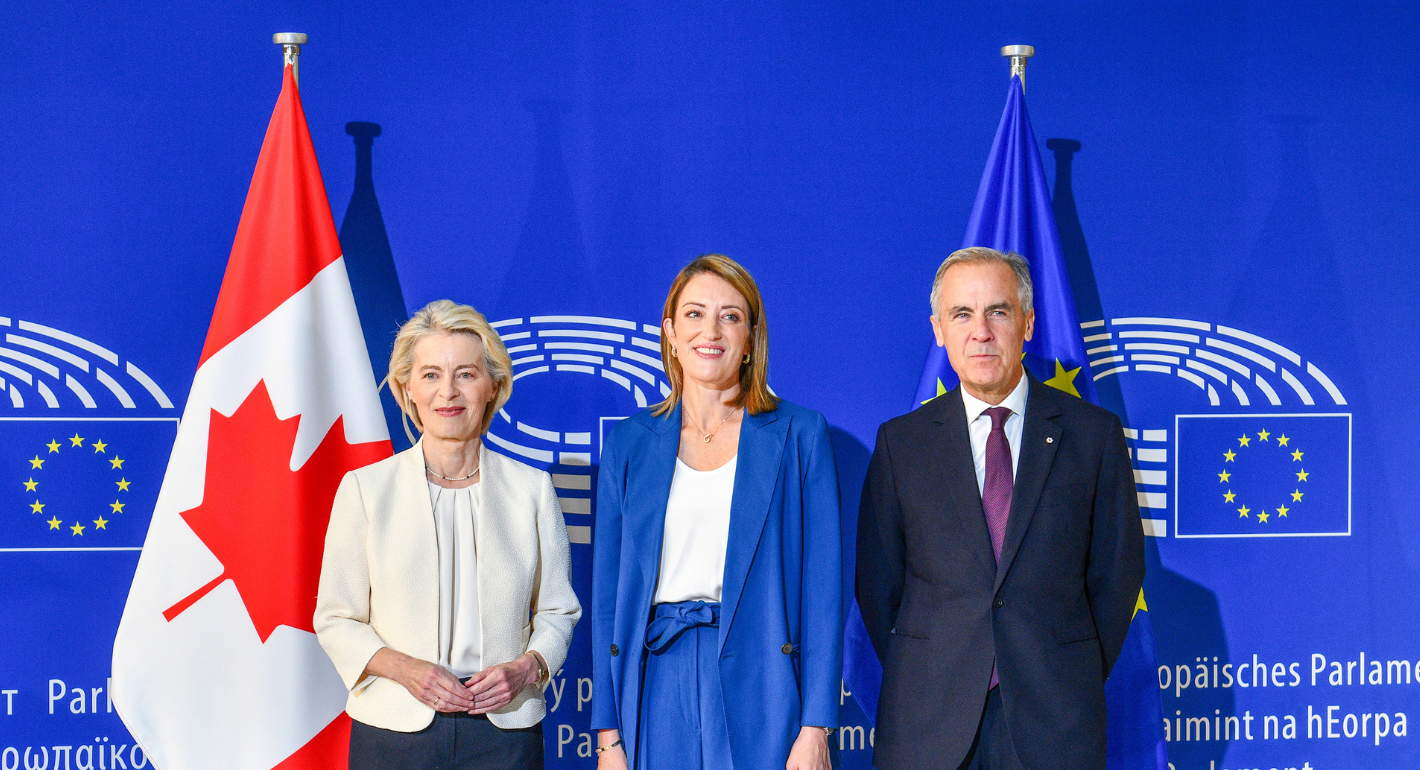
While the EU and European governments are embracing the much-lauded middle-power moment, this entails three difficult conundrums.
Richard Youngs
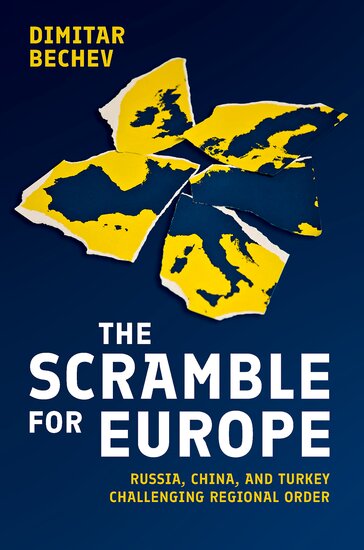
Europe is facing rising populism internally as well as external pressures from Russia, China, Turkey, and the United States.

Dimitar Bechev
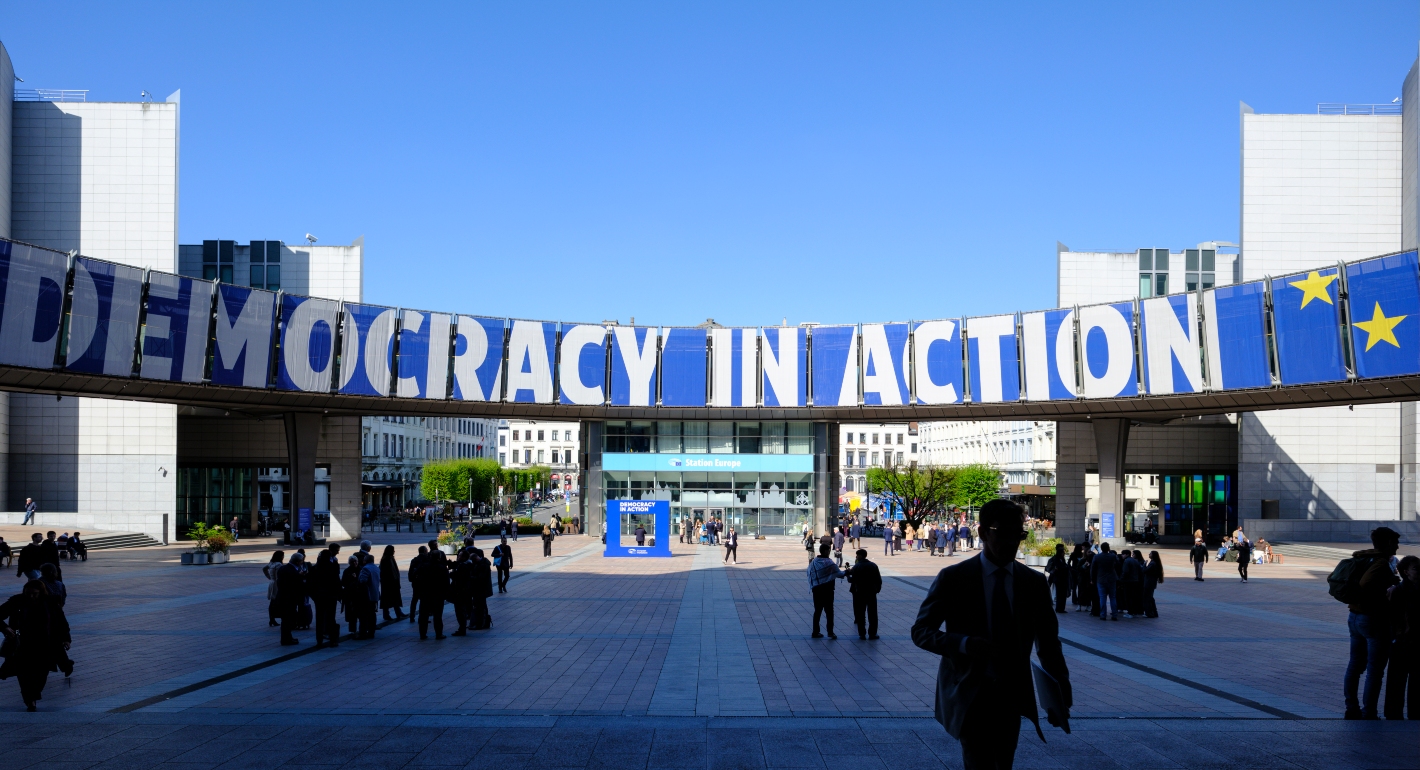
A notable degree of participative democracy has firmly arrived in Europe. But to have more far-reaching impact, democratic deliberation needs to move into a radically new phase.
Richard Youngs