

Commentary
Dmitri Trenin
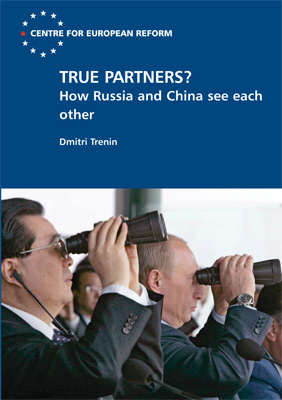
Despite the overlapping interests of Russia and China, the two countries are not allies. Moscow will not accept a junior position vis-à-vis Beijing, while the Chinese regard Russia as a fading power.
Source: Centre for European Reform Report

To the Chinese, by contrast, Russia’s decline from being a Soviet-era superpower to its present status as a second tier power is but one of a number of great changes in the emerging international system. In overall GDP, China has overtaken Japan to become the world’s second largest economy. In terms of foreign trade volume, it has replaced Germany as the world’s top exporter. The UK’s handover of Hong Kong to China in 1997, and Portugal’s withdrawal from Macau in 1999, symbolized the end of a century and a half of humiliating Western occupation of parts of China’s territory. During the eurozone crisis, China was even being touted as a possible financial savior of the European Union. As for Russia, Beijing has learned to use its former mentor-turned-enemy-turned-partner as a source of raw materials, especially energy. It has also been able to rely on Russia as a strategic cushion, to strengthen its hand in opposing Western-led liberal interventionism. Beyond this, however, the Chinese do not seem to have a strategy for dealing with Russia.
The paper begins with a parallel description of Moscow’s and Beijing’s “strategic universes”—their respective security outlooks—and the place of the other country therein. With reference to Russia, it stresses that China’s rise has made Moscow’s view of the world far less Western-centric. With reference to China, it explains how and why the Russia relationship stands out among links with the major world powers, and what value it holds for Beijing.
The paper then assesses the two countries’ principal interests in key areas: global governance; regional issues; trade and investment, with a particular attention to energy; and arms transfers and their strategic implications. Despite the growing inequality of the relationship, the paper seeks to go beyond an assessment of the balance of power by analyzing each party’s interests and motives. The paper ends with reflections on the future of Sino-Russian relations, in bilateral, regional and global contexts.
Former Director, Carnegie Moscow Center
Trenin was director of the Carnegie Moscow Center from 2008 to early 2022.
Recent Work
Dmitri Trenin
Dmitri Trenin
Carnegie does not take institutional positions on public policy issues; the views represented herein are those of the author(s) and do not necessarily reflect the views of Carnegie, its staff, or its trustees.
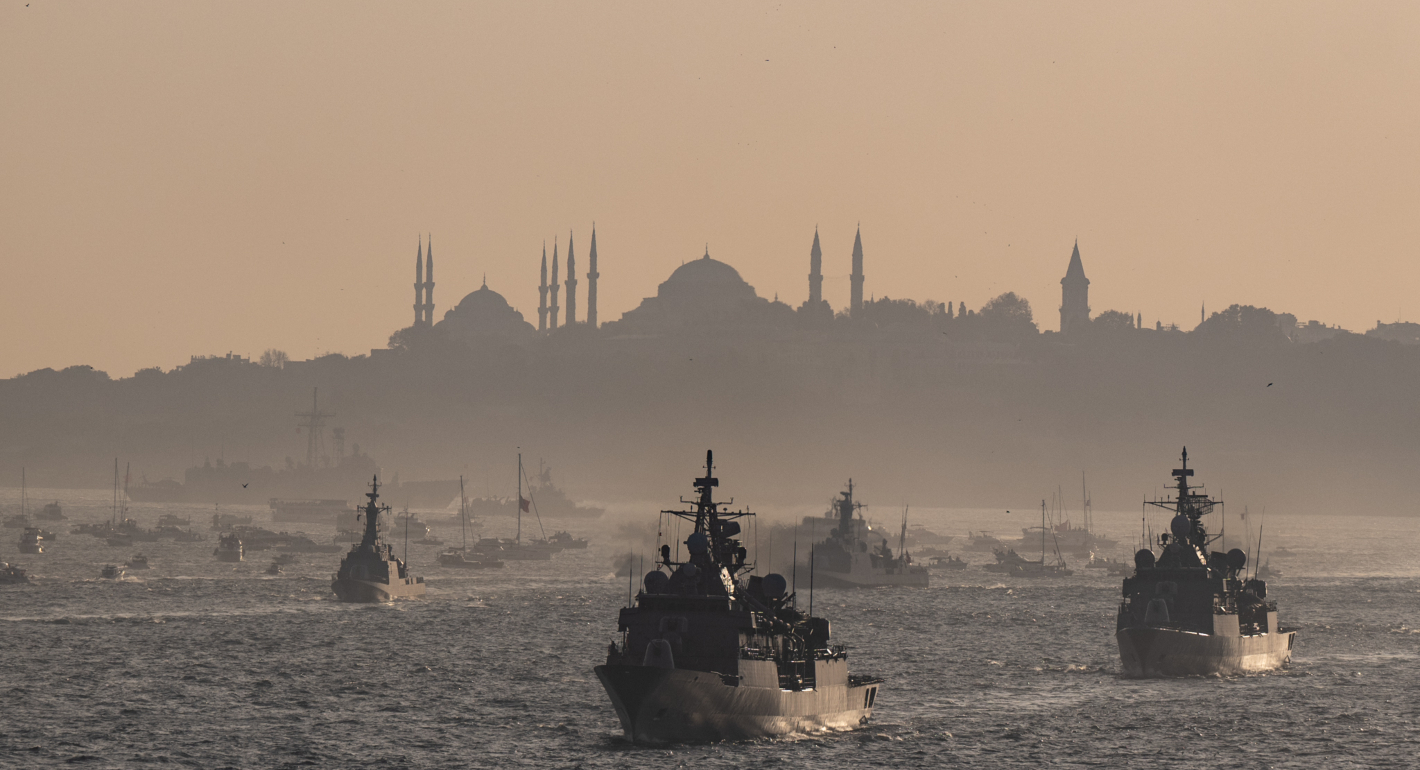
For ninety years, Turkey has been positioned as the principal gatekeeper of Black Sea security. As a result, European and NATO efforts to support Ukraine will require closer engagement with Ankara.

Thomas de Waal

Western Europe’s dual-use infrastructure melted down during its latest heat wave. If a predicted hot weather event can take the continent by surprise, what chance does it have to withstand unexpected geopolitical crises?

Rym Momtaz
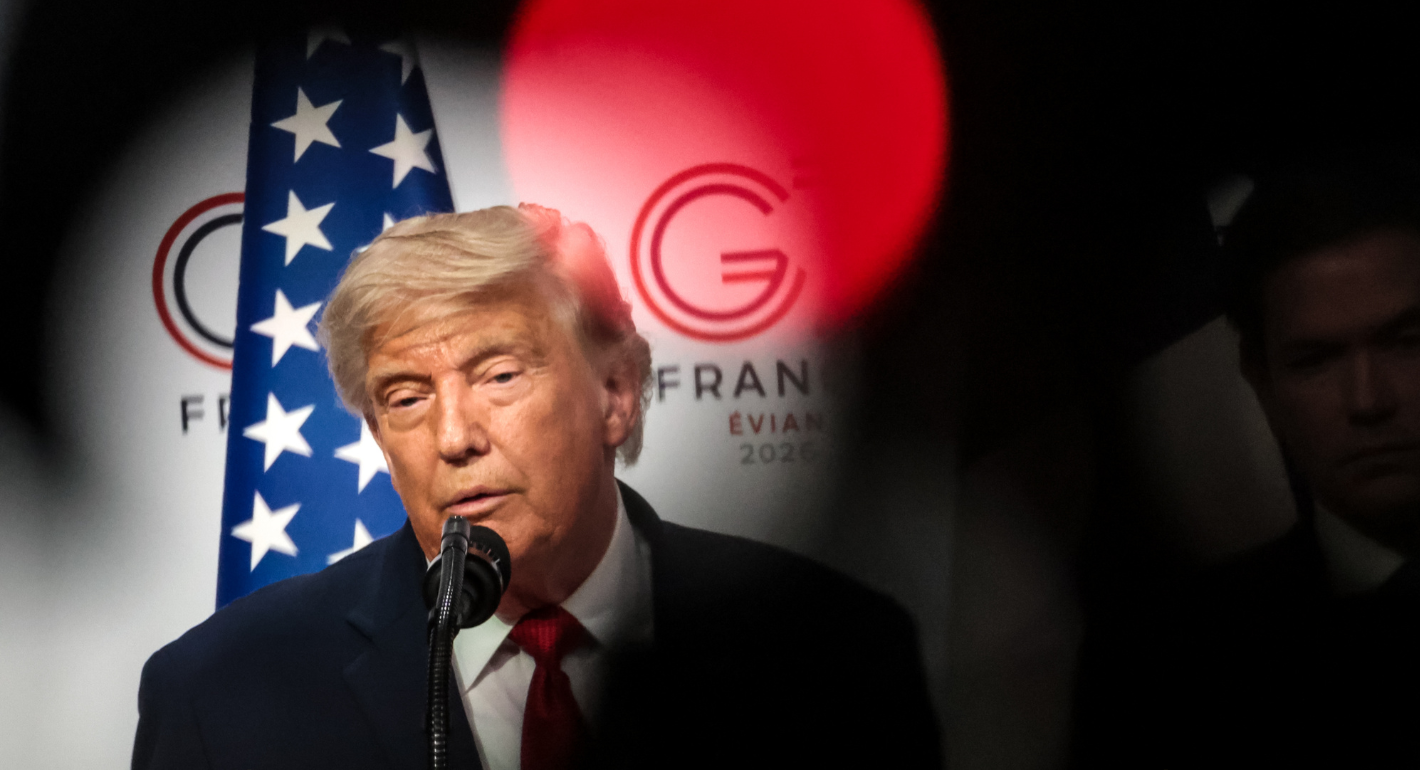
There is an elephant in the room when it comes to the EU’s upcoming security strategy: Donald Trump. Unless European leaders acknowledge the depth of the transatlantic crisis, true autonomy will remain out of reach.

Stefan Lehne

Europe’s industrial supply chains leave it vulnerable to global shocks. The EU needs a pragmatic green industrial strategy that balances durable partnerships and bolsters homegrown clean tech without sacrificing low-carbon ambition.


Milo McBride, Pauline Gerard
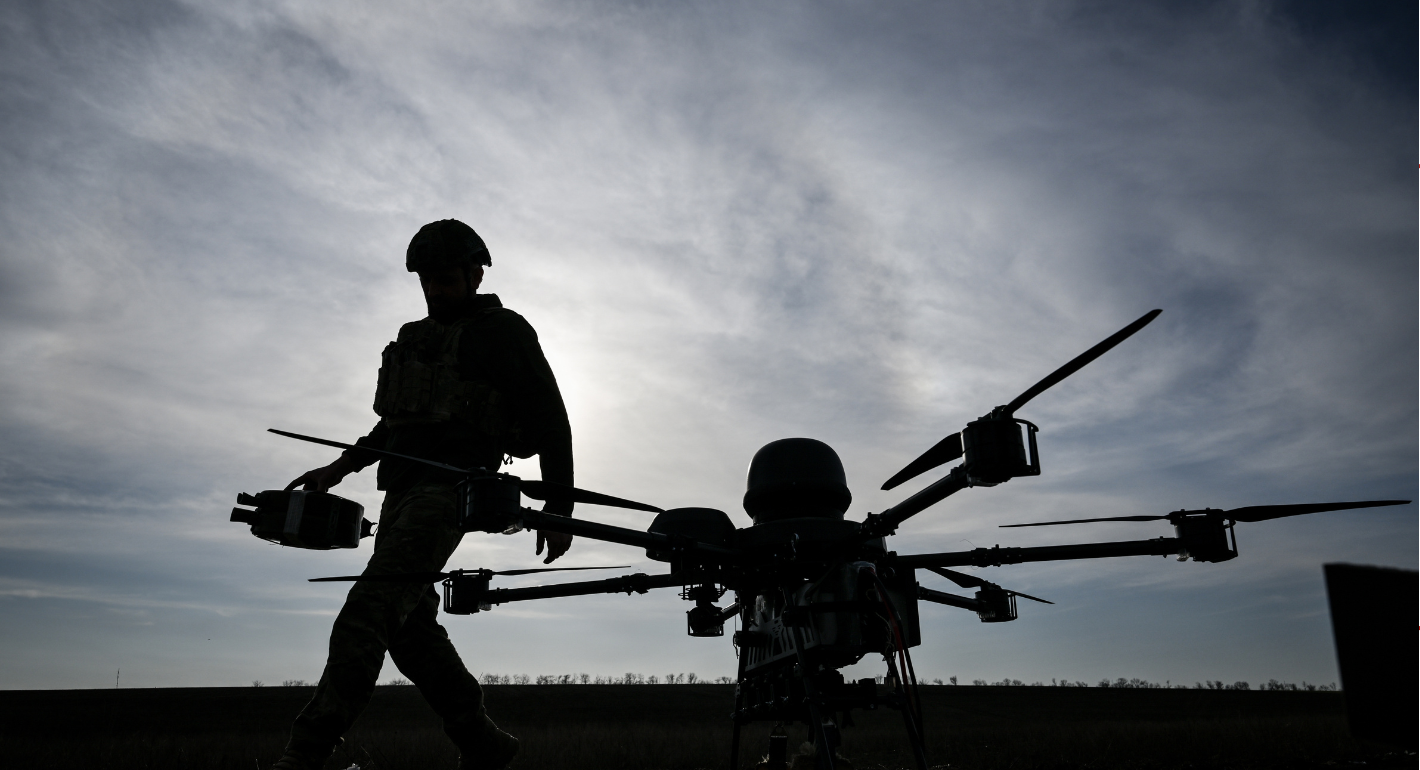
Defense tech innovations will be at the heart of Europe’s new security strategy. But so far, Brussels has been making moves without a broader plan, undermining readiness and credibility.

Raluca Csernatoni