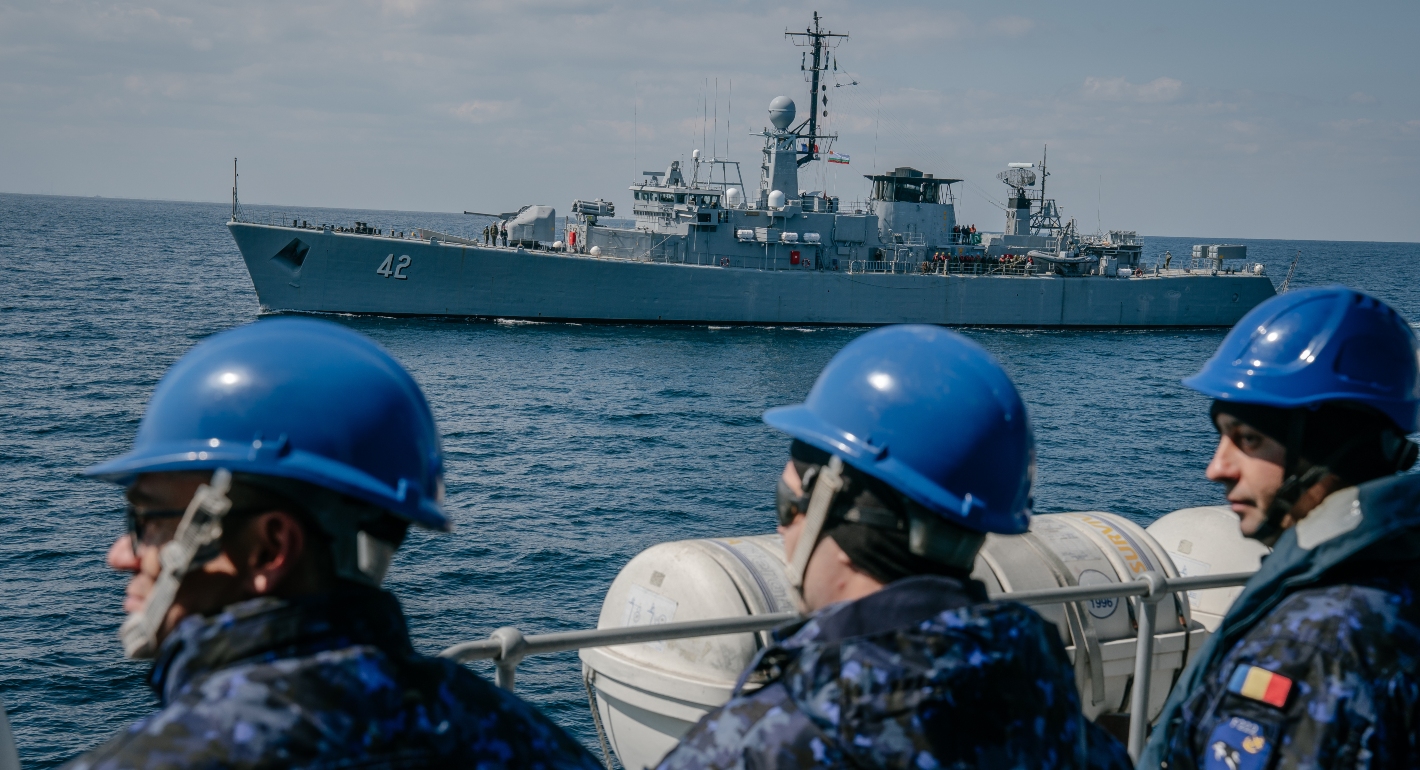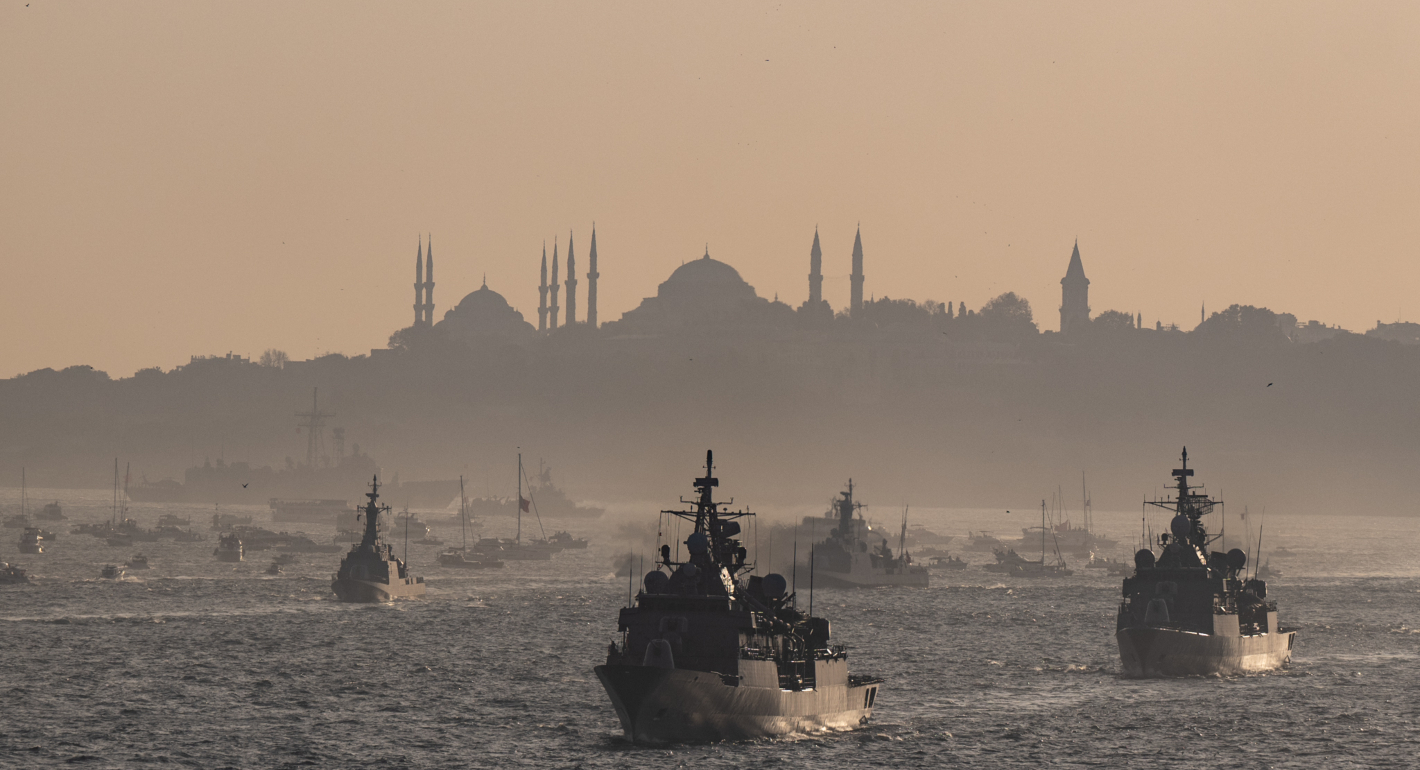

The war in Ukraine is costing Russia its leverage overseas. Across the South Caucasus and Middle East, this presents an opportunity for Europe to pick up the pieces and claim its own sphere of influence.
William Dixon, Maksym Beznosiuk
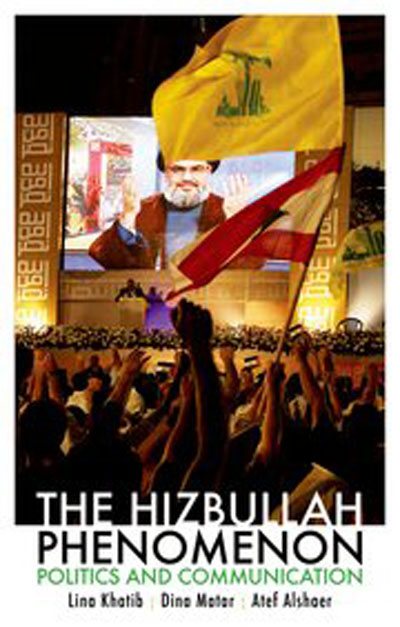
Hizbullah uses its image, language, and its charismatic leader, Hassan Nasrallah, to legitimize its political aims and ideology and appeal to different target groups.
Source: Oxford University Press
Hizbullah is not only a leading political actor in Lebanon and a dynamic force in the Middle East, but it is also distinguished by a sophisticated communication strategy. From relatively humble beginnings in the 1980s, Hizbullah’s political clout and its public perception have followed an upward trajectory, thanks to a political program that blends military, social, economic, and religious elements and adapts to changes in its environment. Its communication strategy is similarly adaptive, supporting the group’s political objectives. Hizbullah’s target audience has expanded to a regional and global viewership.Its projected identity, too, shifted from an Islamist resistance party opposed to Israel’s presence in Lebanon to a key player within the Lebanese state. At the same time, Hizbullah’s image has retained fixed features, including its image as an ally of Iran; its role as a resistance group (to Israel); and its original base as a religious party representative of the Lebanese Shiites. The authors of this book address how Hizbullah uses image, language, and its charismatic leader, Hassan Nasrallah, to legitimize its political aims and ideology and appeal to different target groups.
Former Director, Middle East Center
Khatib was director of the Carnegie Middle East Center in Beirut. Previously, she was the co-founding head of the Program on Arab Reform and Democracy at Stanford University’s Center on Democracy, Development, and the Rule of Law.
Dina Matar
Atef Alshaer
Carnegie does not take institutional positions on public policy issues; the views represented herein are those of the author(s) and do not necessarily reflect the views of Carnegie, its staff, or its trustees.
The war in Ukraine is costing Russia its leverage overseas. Across the South Caucasus and Middle East, this presents an opportunity for Europe to pick up the pieces and claim its own sphere of influence.
William Dixon, Maksym Beznosiuk
The war in Iran proves the United States is now a destabilizing actor for Europe and the Arab Gulf. From protect their economies and energy supplies to safeguarding their territorial integrity, both regions have much to gain from forming a new kind of partnership together.
Rym Momtaz
French President Emmanuel Macron has unveiled his country’s new nuclear doctrine. Are the changes he has made enough to reassure France’s European partners in the current geopolitical context?
Rym Momtaz, ed.
The drone strike on the British air base in Akrotiri brings Europe’s proximity to the conflict in Iran into sharp relief. In the fog of war, old tensions in the Eastern Mediterranean risk being reignited, and regional stakeholders must avoid escalation.
Marc Pierini
European reactions to the war in Iran have lost sight of wider political dynamics. The EU must position itself for the next phase of the crisis without giving up on its principles.
Richard Youngs