

Commentary
- +5
Zaha Hassan, Sarah Yerkes, Yasmine Farouk, …
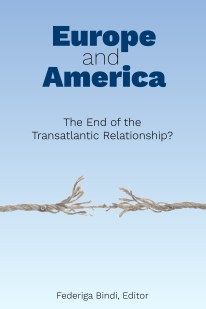
The current path of U.S. foreign policy is leading to isolation and a sharp decrease of U.S. influence in international relations.
Source: Brookings Institution Press
“America First” is “America Alone”
Foreign policy is like physics: vacuums quickly fill. As the United States retreats from the international order it helped put in place and maintain since the end of World War II, Russia is rapidly filling the vacuum. Federiga Bindi’s new book assesses the consequences of this retreat for transatlantic relations and Europe, showing how the current path of US foreign policy is leading to isolation and a sharp decrease of US influence in international relations.
Transatlantic relations reached a peak under President Barack Obama. But under the Trump administration, withdrawal from the global stage has caused irreparable damage to the transatlantic partnership and has propelled Europeans to act more independently. Europe and America explores this tumultuous path by examining the foreign policy of the United States, Russia, and the major European Union member states. The book highlights the consequences of US retreat for transatlantic relations and Europe, demonstrating that “America first” is becoming “America alone,” perhaps marking the end of transatlantic relations as we know it, with Europe no longer beholden to the US national interest.
Former Nonresident Scholar, Europe Program
Federiga Bindi was a nonresident scholar in the Europe Program at the Carnegie Endowment for International Peace working on European politics, EU foreign policy, and transatlantic relations.
Recent Work



Zaha Hassan, Sarah Yerkes, Yasmine Farouk, …
Federiga Bindi
Carnegie does not take institutional positions on public policy issues; the views represented herein are those of the author(s) and do not necessarily reflect the views of Carnegie, its staff, or its trustees.

When the U.S.-Iran memorandum of understanding was announced, the UK, France, Germany, and Italy declared their readiness to help demine the Strait of Hormuz and lift nuclear sanctions on Tehran. But does Europe need new tools to recover a diplomatic role?

Rym Momtaz, ed.
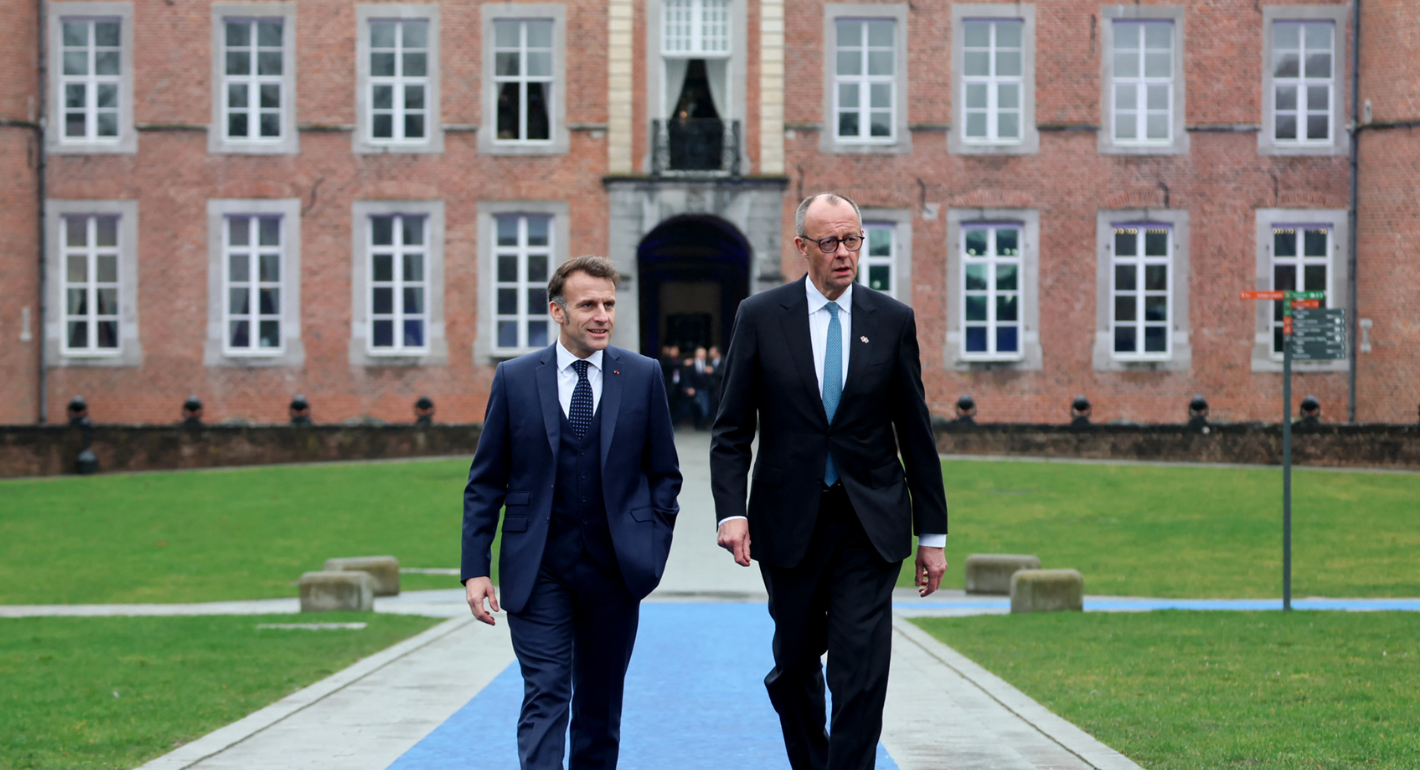
The Franco-German relationship is on the rocks again. But unlike previous moments of tension, the epochal changes on the world stage require that both step up investment in their bilateral ties.
Rym Momtaz
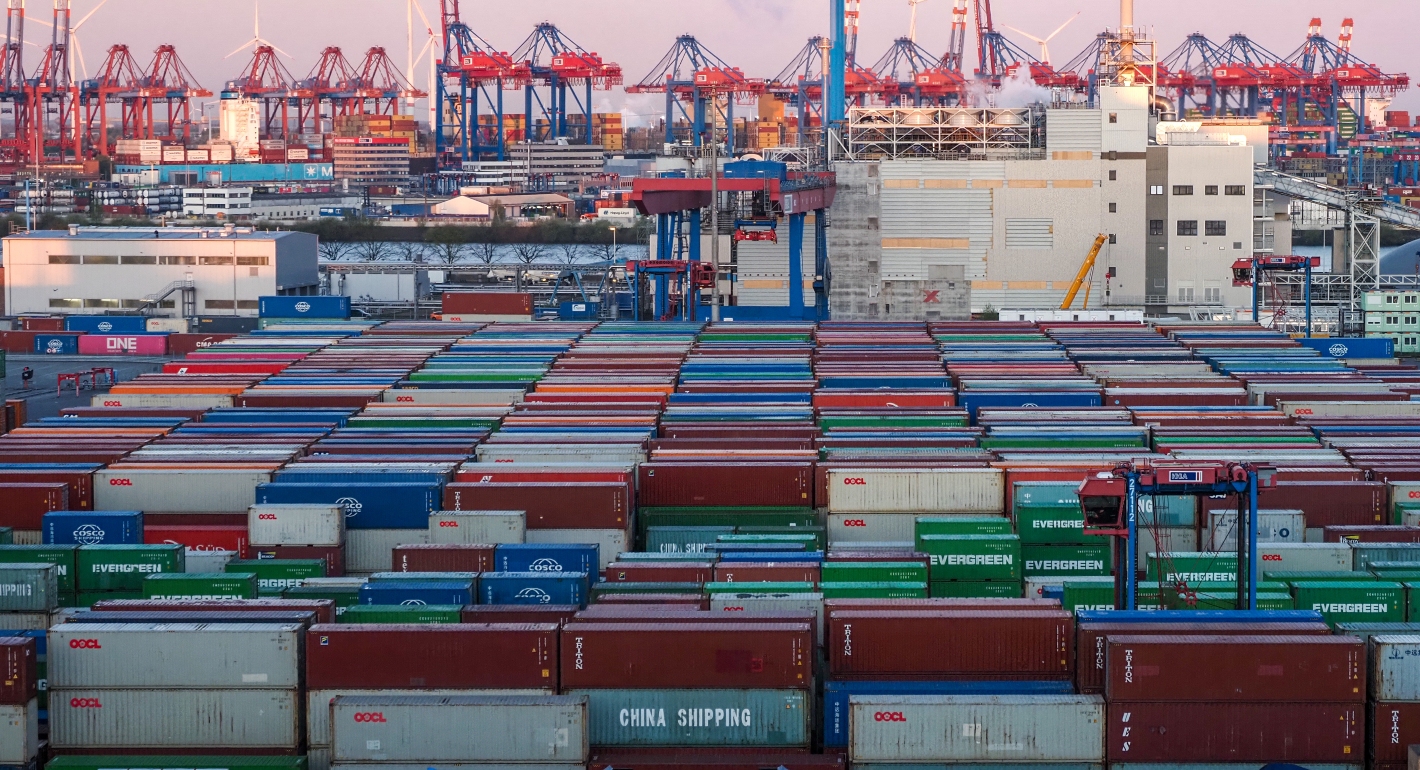
As geopolitical rivalry weaponizes global supply chains, the EU’s true vulnerability lies in emerging-risk imports. For these goods, suppliers are growing more concentrated, substitution more difficult, and political risk is looming.

Sinan Ülgen
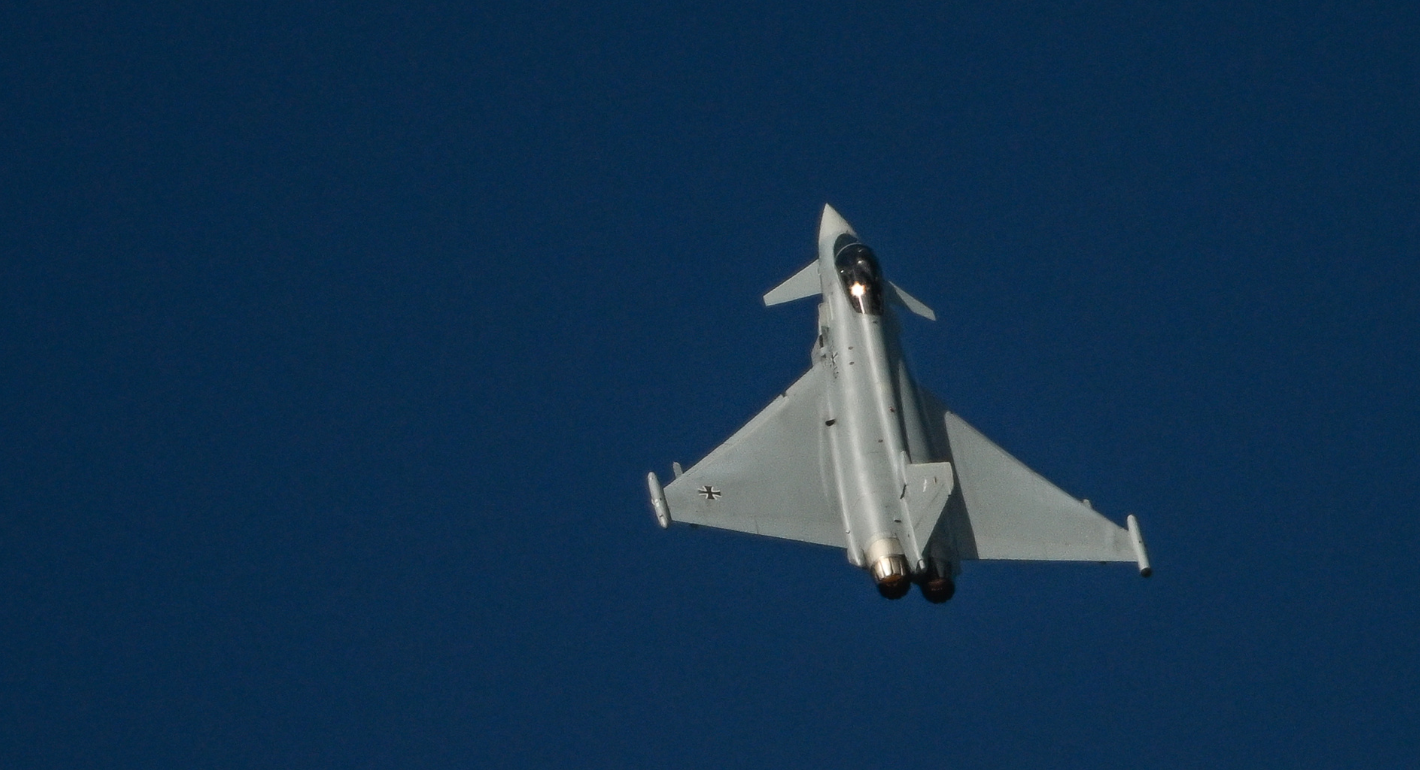
The EU is putting together a new security strategy to meet today’s myriad challenges. But for any proposal to be effective, the union needs to grapple with its identity and ambitions.

Pierre Vimont
Three years after the Ohrid Agreement, Kosovo and Serbia remain far from normalization. To revive implementation, the EU should abandon its ambiguity and act as an even-handed arbitrator.


Miloš Pavković, Fitim Gashi, Iliriana Gjoni, …