

Commentary
Dmitri Trenin
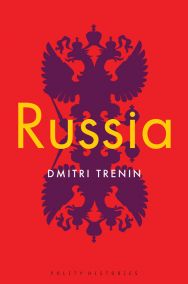
Russia is reputed to be a country whose past constantly changes to suit the purposes and vision of its ruling elite. Yet few would dispute that Russian history is one of extremes.
Source: Polity
Russia is reputed to be a country whose past constantly changes to suit the purposes and vision of its ruling elite. Yet few would dispute that Russian history is one of extremes. Over the past century alone Russia has lived through great achievements and deepest misery; mass heroism and mass crime; over-blown ambition and near-hopeless despair – always emerging with its sovereignty and its fiercely independent spirit intact.
In this book, leading Russia scholar Dmitri Trenin accompanies readers on Russia’s rollercoaster journey from revolution to post-war devastation, perestroika to Putin’s stabilization of post-communist Russia. Explaining the causes and the meaning of the numerous twists and turns in contemporary Russian history, he offers a vivid insider’s view of a country through one of its most trying and often tragic periods. Today, he cautions, Russia stands at a turning point - politically, economically and socially - its situation strikingly reminiscent of the Russian Empire in its final years. For the Russian Federation to avoid a similar demise, it must learn the lessons of its own history.Former Director, Carnegie Moscow Center
Trenin was director of the Carnegie Moscow Center from 2008 to early 2022.
Recent Work
Dmitri Trenin
Dmitri Trenin
Carnegie does not take institutional positions on public policy issues; the views represented herein are those of the author(s) and do not necessarily reflect the views of Carnegie, its staff, or its trustees.
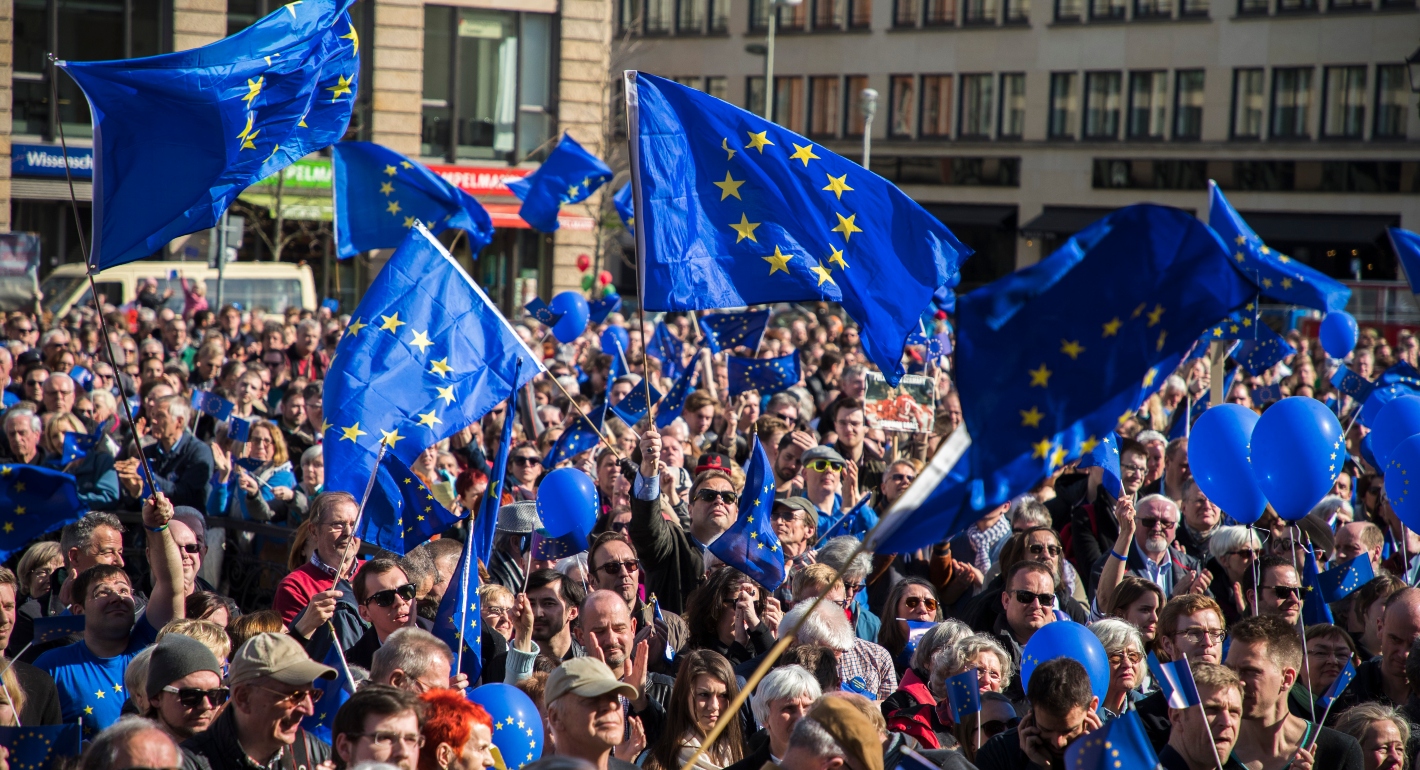
Preparing candidate countries for EU membership is no longer enough. As the enlargement process becomes a reality, the union must also prepare its own societies.

Iliriana Gjoni
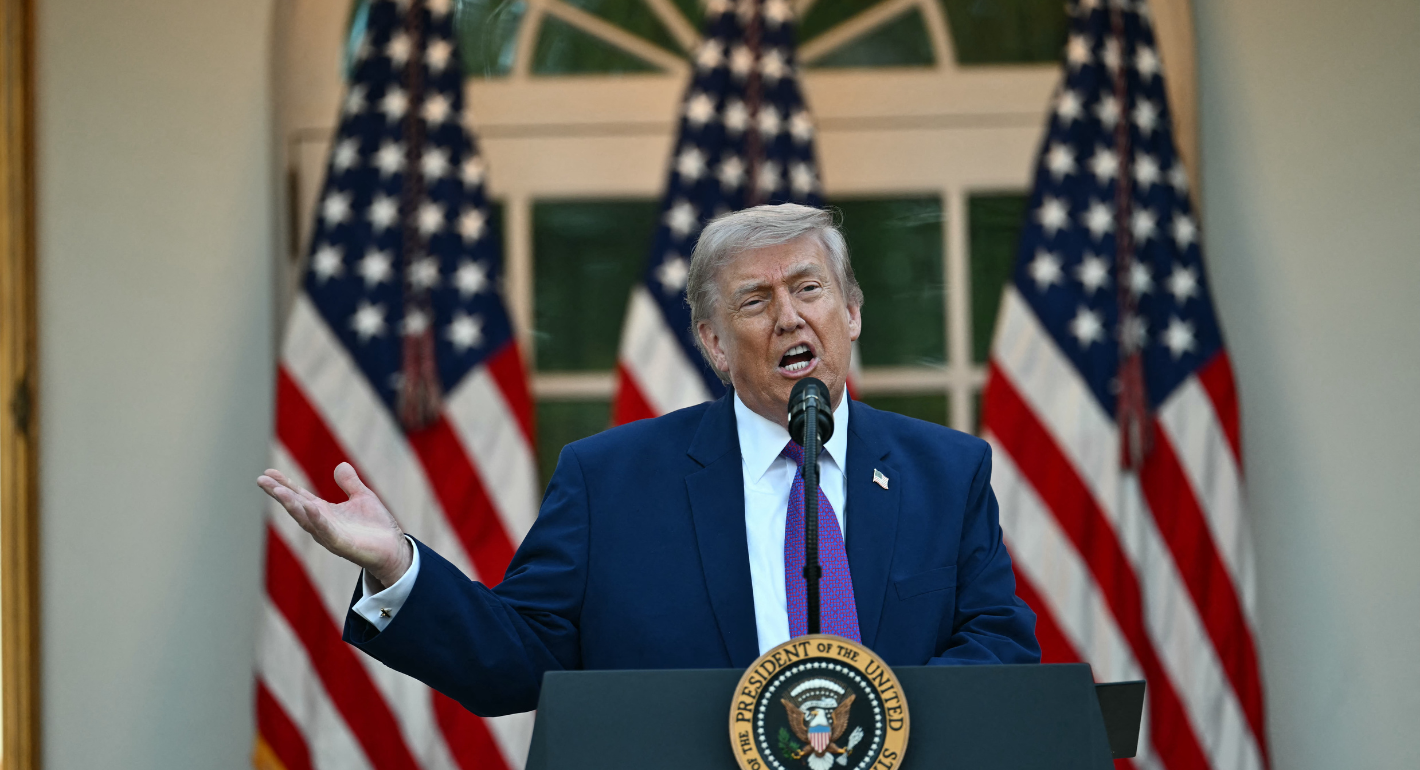
The full list of humiliations Europe has endured since Donald Trump returned to the White House makes for grim reading. But Washington’s adversarial approach to its allies undermines its own power base.

Rym Momtaz
The closure of the Strait of Hormuz has triggered a global energy crisis, but Europe is stuck in reaction mode. Without more strategic foresight, the EU will remain dependent on fossil fuels and will never be truly secure.


Milo McBride, Pauline Gerard
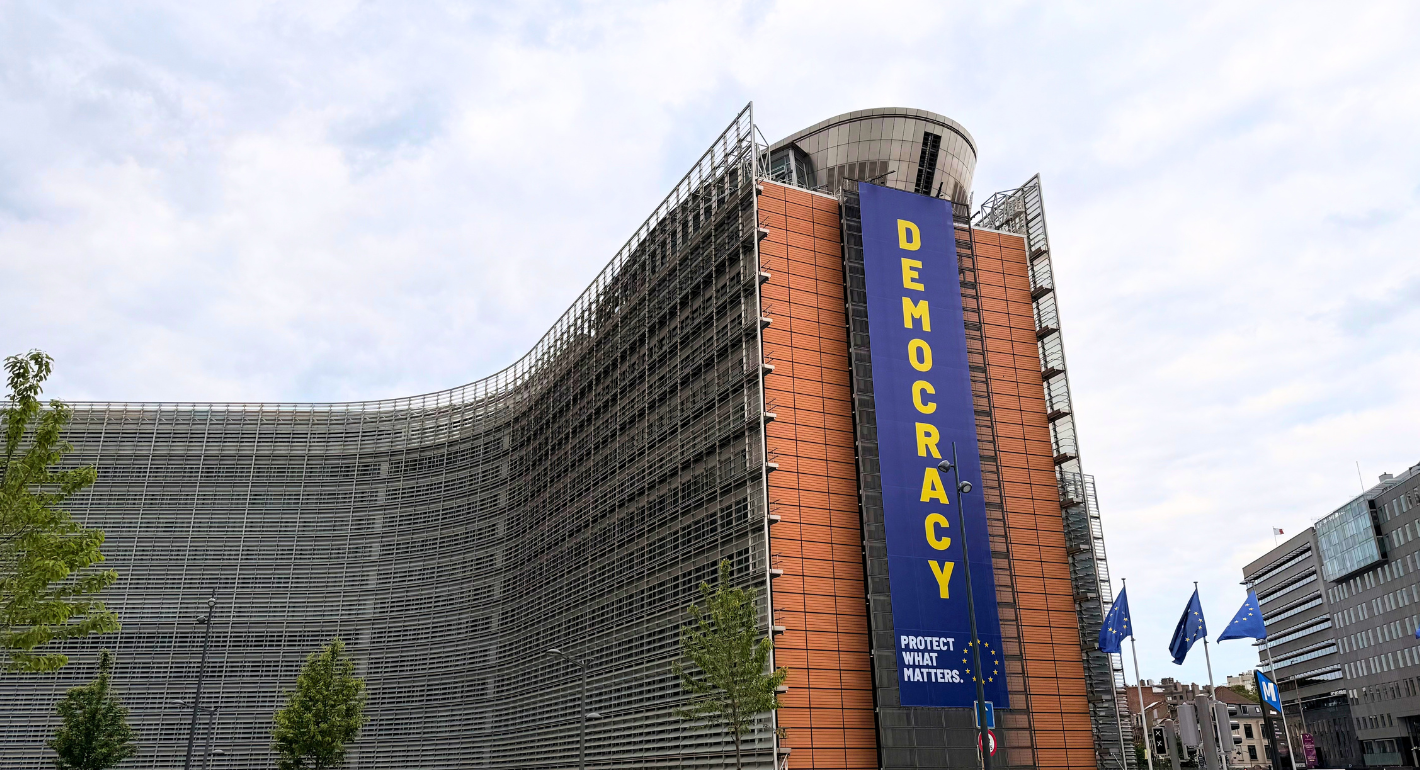
Debate is heating up on how Turkey could be integrated into a common European defense framework. Commercial and industrial deals offer a better chance at alignment than sweeping political efforts.

Marc Pierini
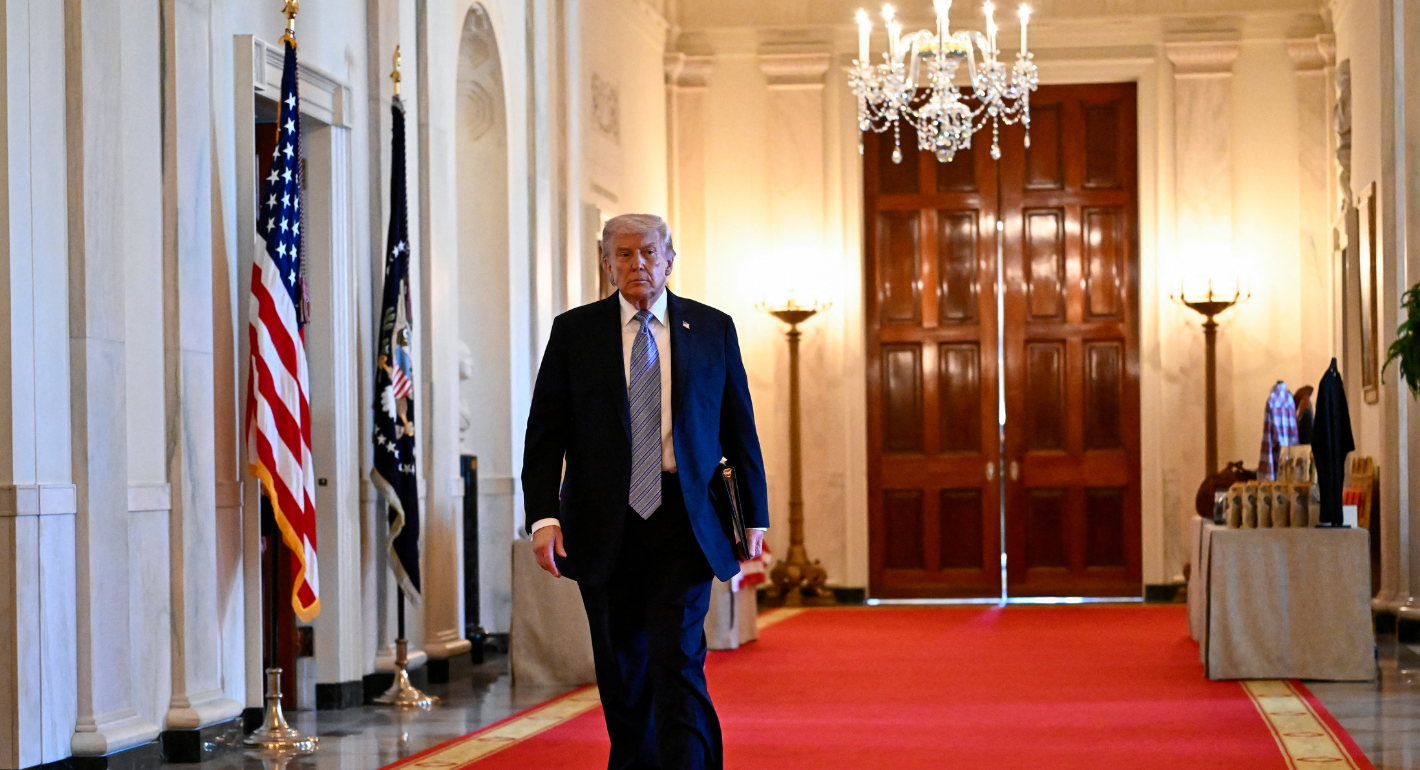
After spending much of 2025 trying to placate Donald Trump, some European leaders are starting to change posture. But is even a hostile Washington still so important to Europe that the U.S. president’s outbursts are worth putting up with?
Rym Momtaz, ed.