

Commentary
The EU is putting together a new security strategy to meet today’s myriad challenges. But for any proposal to be effective, the union needs to grapple with its identity and ambitions.
Pierre Vimont

For practitioners of subnational diplomacy, 2025 has required quick adaptation and evolution to tectonic shifts.

Program Manager, Carnegie California
Marissa Jordan is the program manager of Carnegie California at the Carnegie Endowment for International Peace. She has a master’s degree in conflict analysis and resolution from the Jimmy and Rosalynn Carter School for Peace and Conflict Resolution at George Mason University. Her previous research has focused on how anti–human trafficking service providers understand climate change’s role in driving human trafficking in their particular regions.

Founding Director, Carnegie California
Ian Klaus is the founding director of Carnegie California. He is a leading scholar on the nexus of urbanization, geopolitics, and global challenges, with extensive experience as a practitioner of subnational diplomacy.
Carnegie does not take institutional positions on public policy issues; the views represented herein are those of the author(s) and do not necessarily reflect the views of Carnegie, its staff, or its trustees.

The EU is putting together a new security strategy to meet today’s myriad challenges. But for any proposal to be effective, the union needs to grapple with its identity and ambitions.

Pierre Vimont
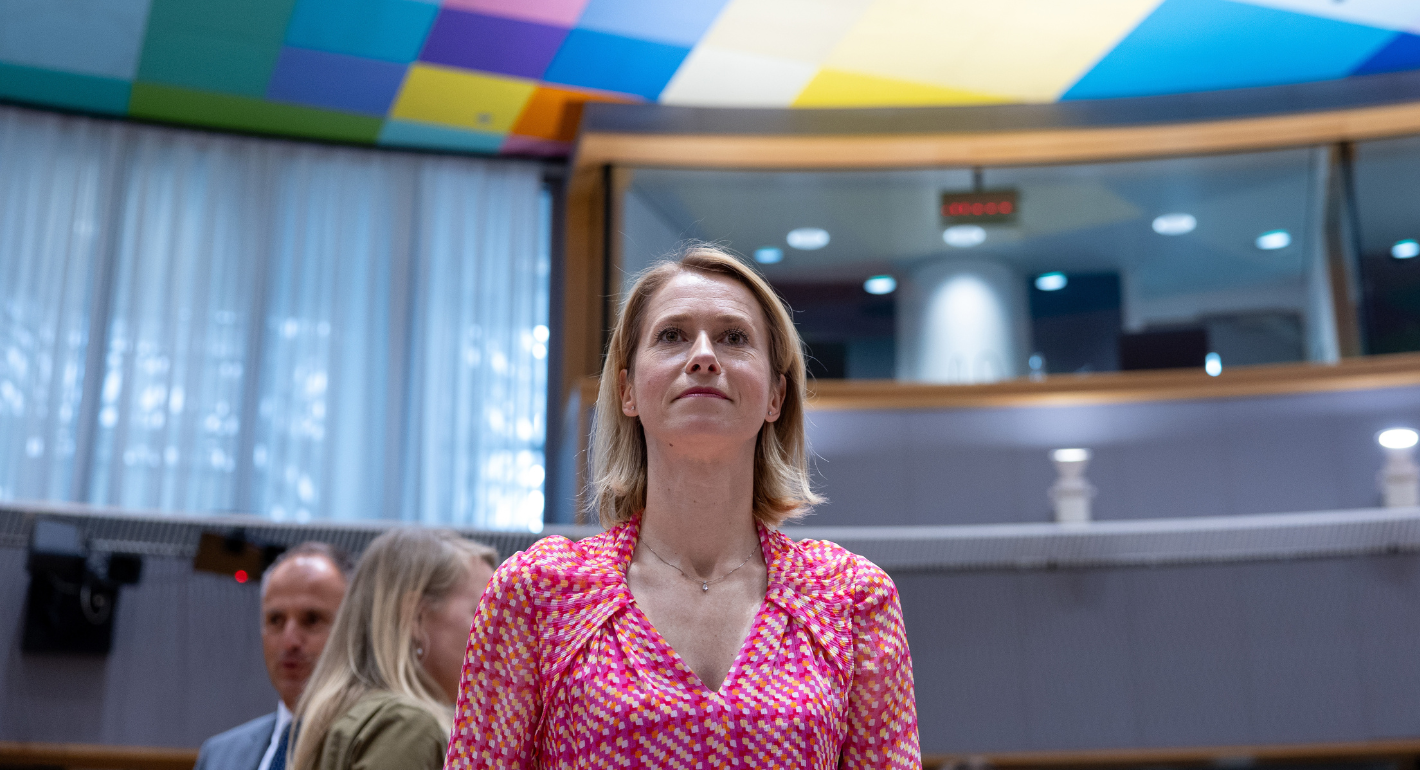
Three years after the Ohrid Agreement, Kosovo and Serbia remain far from normalization. To revive implementation, the EU should abandon its ambiguity and act as an even-handed arbitrator.

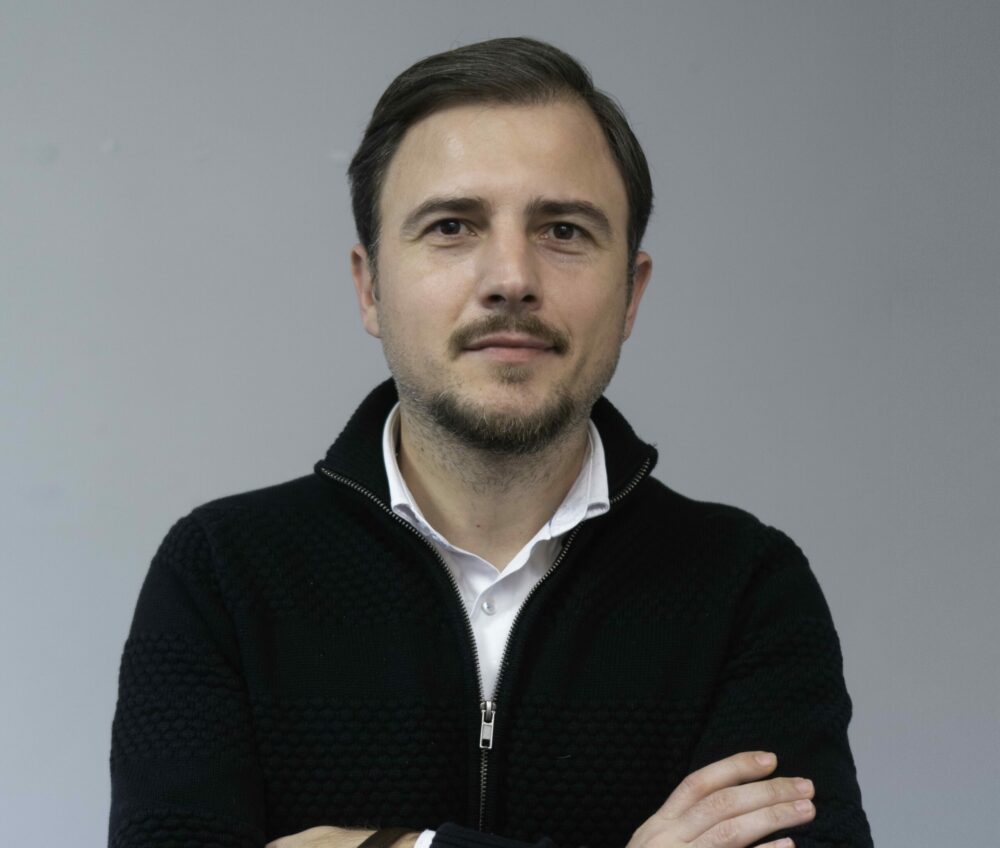

Miloš Pavković, Fitim Gashi, Iliriana Gjoni, …

The EU’s new migration policy is not suited to today’s realities. With climate change increasingly becoming a driver of displacement, Europe needs to rethink its deterrence-focused approach.

Shana Tabak
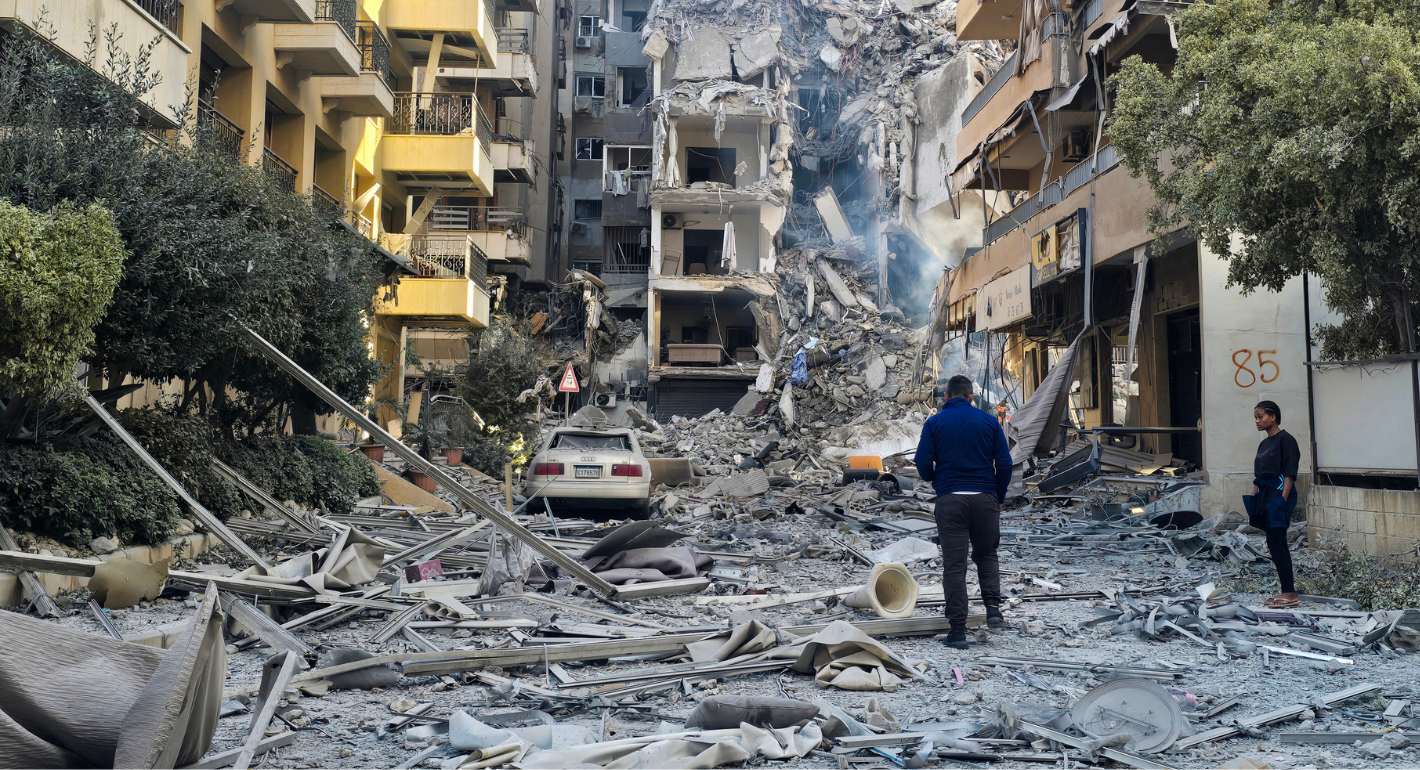
Europe seems to have accepted its sidelining in the Middle East. The EU must reassert its support for the international rules-based order and step up engagement.

Rym Momtaz

Amid uncertainty caused by the Iran war, the global drive for nonproliferation has stalled. With Europe diplomatically marginalized and countries reassessing their nuclear options, efforts to curb the spread of nuclear weapons risk becoming irrelevant.

Jane Darby Menton