

Other
- +18
James M. Acton, Saskia Brechenmacher, Cecily Brewer, …
{
  "authors": [
    "Marc Pierini"
  ],
  "type": "commentary",
  "blog": "Strategic Europe",
  "centerAffiliationAll": "",
  "centers": [
    "Carnegie Endowment for International Peace",
    "Carnegie Europe"
  ],
  "collections": [],
  "englishNewsletterAll": "",
  "nonEnglishNewsletterAll": "",
  "primaryCenter": "Carnegie Europe",
  "programAffiliation": "",
  "programs": [],
  "projects": [],
  "regions": [
    "Europe"
  ],
  "topics": [
    "EU"
  ]
}
Source: Getty
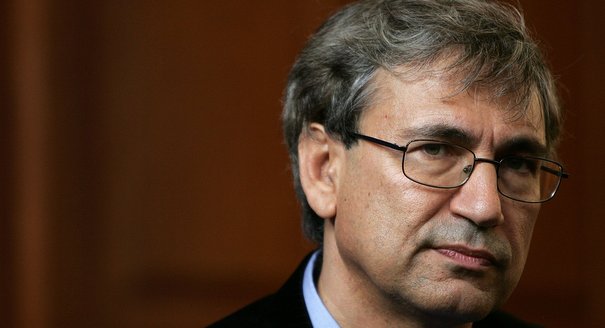
Orhan Pamuk certainly speaks his mind when he vents his disappointment at Europe’s waning interest in Turkey, but he overlooks two important issues.
Orhan Pamuk’s article “Europe is turning away from Turkey – and the rest of the world”—published by The Guardian on Friday, October 26—was a fascinating piece. Not just because the writer is a Nobel Laureate in Literature and certainly the world’s best-known Turk, but because he probably reflects a widespread feeling in his country. His article is therefore worth a few short comments.
Pamuk certainly speaks his mind when he vents his disappointment at Europe’s waning interest in Turkey. I am as worried as he is about the rise of conservatism and populism in Europe. In the last few years, we have all heard European political leaders saying a wide variety of negative things about Turkey. Some statements, such as the suggestion that 100 million Turks want to migrate to the EU, verged on the ridiculous, and were made for purely domestic political purposes.
My only regret about his article is that Pamuk overlooks two important issues.
One, which he touches upon in just one short sentence, is the fact that Turkey has not moved forward very much in the field of fundamental freedoms recently. This is one of the basic requirements for accession to the EU and, for a host of reasons, Turkey has not filled the bill to this date. To the dismay of its political leadership, Turkey was reminded of this last month by the European Commission’s yearly progress report. Well, Sayin Pamuk, this is no small shortcoming! The accession process is, amongst other things, about reaching EU standards on a host of governance issues, and Turkey is not there yet.
The other, to my mind even more important missing ingredient, and an issue which Orhan Pamuk does not raise at all, is whether he thinks that Turkey itself, through the promotion of a more conservative, religious society, is moving away from Europe. I recently wrote a piece on this question entitled "Turkey is turning its back on the EU: Hypothesis or Reality?”. The issue of Turkey moving away from Europe is now a real, not theoretical, question. It has been formulated publicly at a very senior level in the current Turkish administration, strong reaffirmations of Turkey’s European orientation in the past two weeks by the Prime Minister in Berlin, the EU Minister in the Turkish press, and the Foreign Minister in Brussels notwithstanding.
It strikes me that Turks like Orhan Pamuk and Europeans like me are asking themselves very similar, even symmetrical, questions.
My own fear is that, by promoting strongly conservative societal norms, Turkish governmental circles are not only creating the impression that they have started estranging Turkey from Europe, but they are also fuelling the arguments of those in the EU who are not keen on Turkey’s entry in the Union and definitely want to estrange Turkey from Europe.
Are we, from both ends, and for different motives, making the same, massive strategic mistake?

Senior Fellow, Carnegie Europe
Pierini is a senior fellow at Carnegie Europe, where his research focuses on developments in the Middle East and Turkey from a European perspective.
Recent Work



James M. Acton, Saskia Brechenmacher, Cecily Brewer, …
Marc Pierini
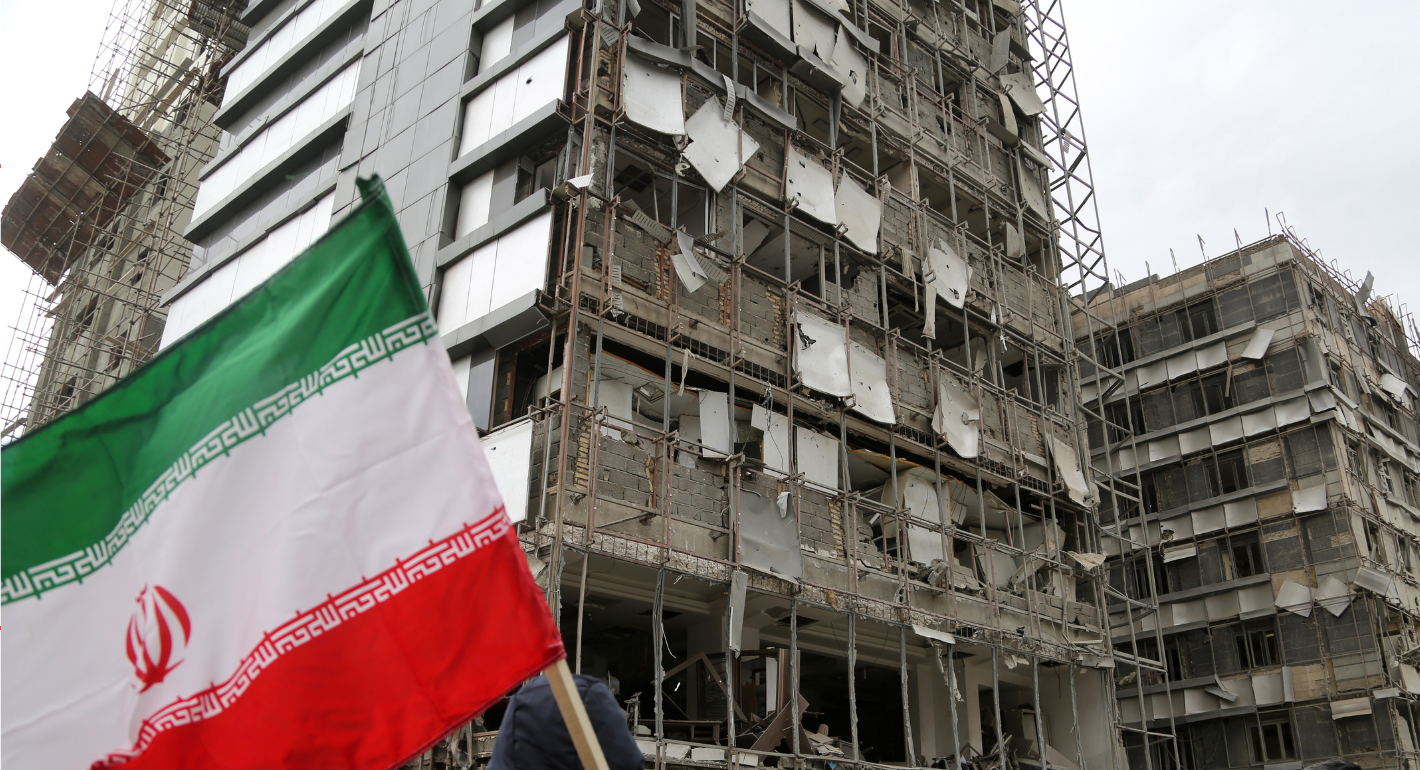
Europe’s reaction to the war in Iran has been disunited and meek, a far cry from its previously leading role in diplomacy with Tehran. To avoid being condemned to the sidelines while escalation continues, Brussels needs to stand up for international law.

Pierre Vimont
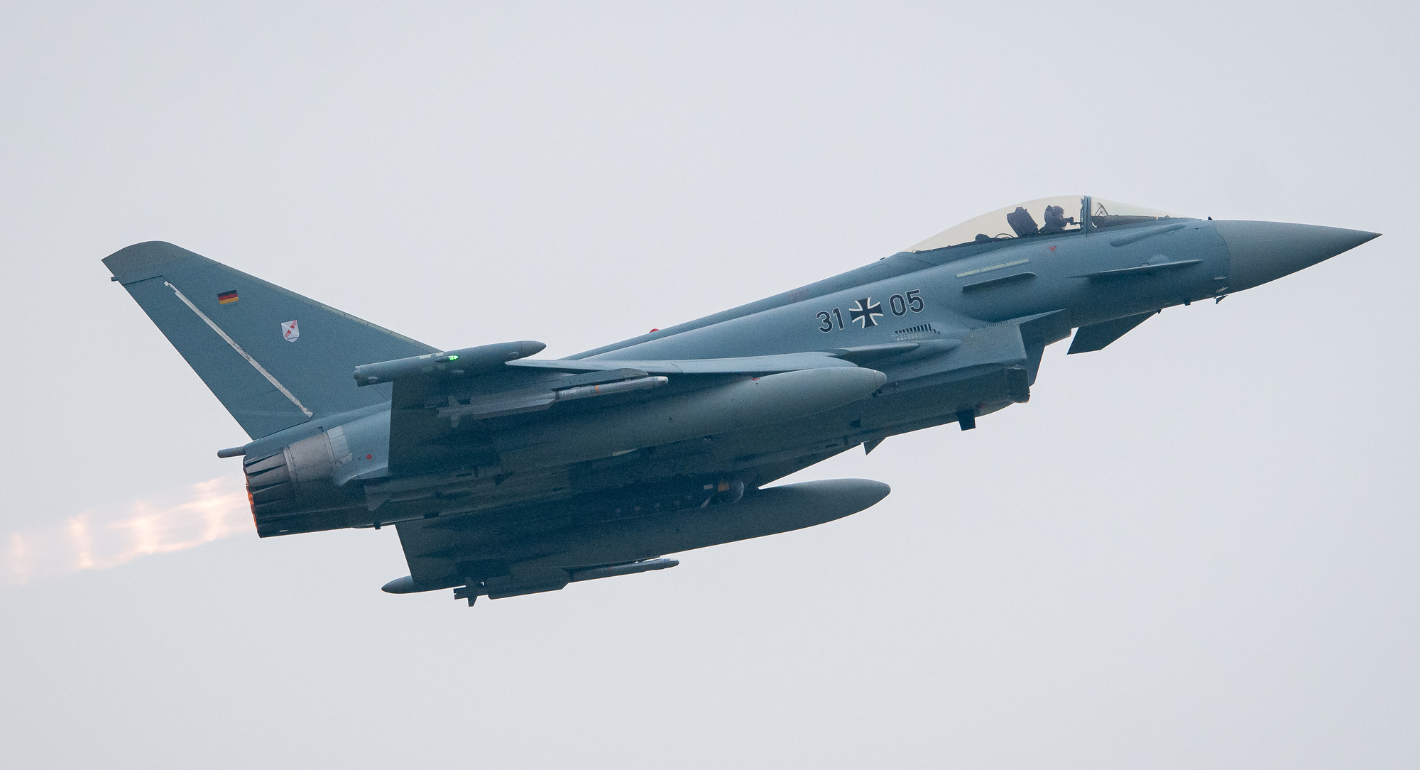
France and Germany’s failure to agree on the Future Combat Air System (FCAS) raises questions about European defense. Amid industrial rivalries and competing strategic cultures, what does the future of European military industrial projects look like?

Rym Momtaz, ed.
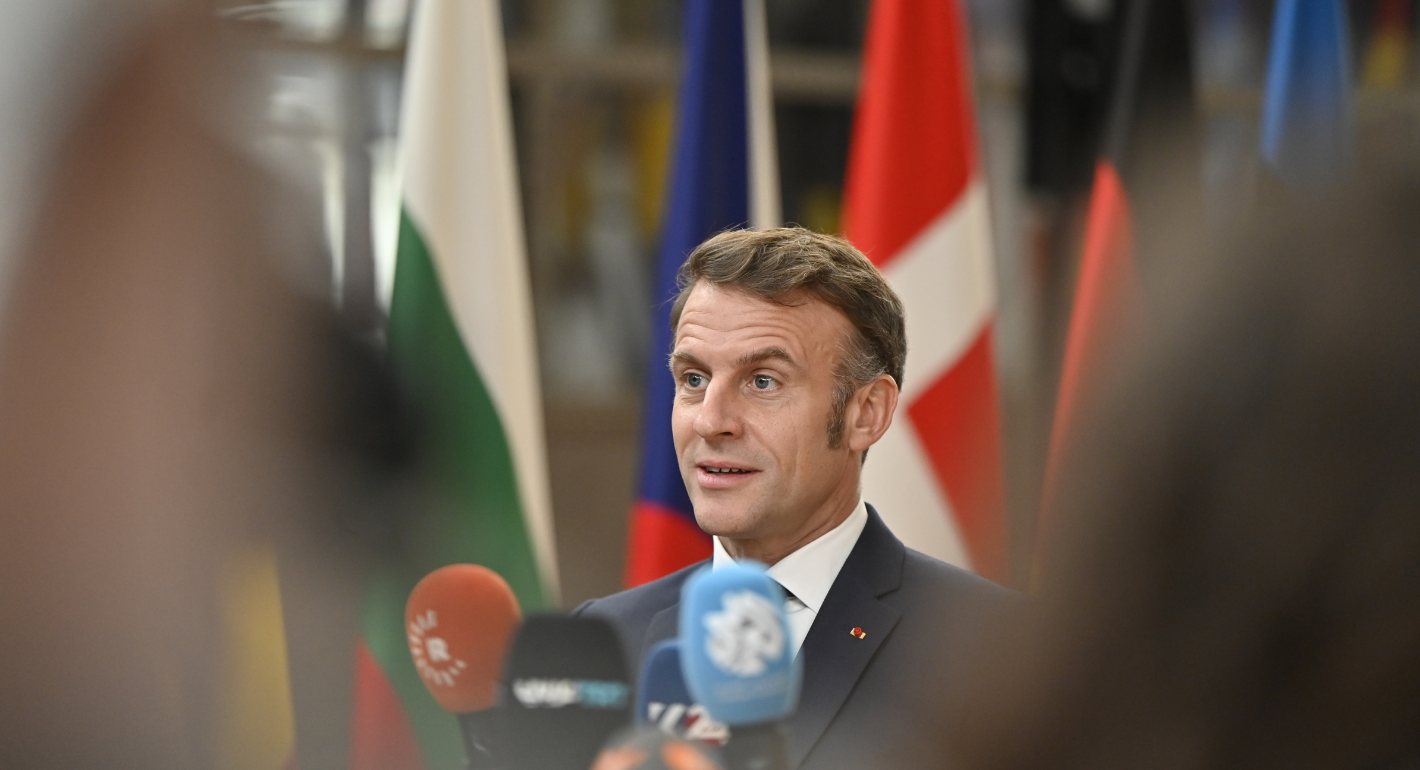
France has stopped clinging to notions of being a great power and is embracing the middle power moment. But Emmanuel Macron has his work cut out if he is to secure his country’s global standing before his term in office ends.
Rym Momtaz
Integrating AI into the workplace will increase job insecurity, fundamentally reshaping labor markets. To anticipate and manage this transition, the EU must build public trust, provide training infrastructures, and establish social protections.
Amanda Coakley
Europe’s interests in Syria extend beyond migration management, yet the EU trails behind other players in the country’s post-Assad reconstruction. To boost its influence in Damascus, the union must upgrade its commitment to ensuring regional stability.
Bianka Speidl, Hanga Horváth-Sántha