

Q&A
Raluca Csernatoni, Sinan Ülgen
{
  "authors": [
    "Sinan Ülgen"
  ],
  "type": "commentary",
  "blog": "Strategic Europe",
  "centerAffiliationAll": "",
  "centers": [
    "Carnegie Endowment for International Peace",
    "Carnegie Europe"
  ],
  "collections": [],
  "englishNewsletterAll": "",
  "nonEnglishNewsletterAll": "",
  "primaryCenter": "Carnegie Europe",
  "programAffiliation": "",
  "programs": [],
  "projects": [],
  "regions": [
    "Europe"
  ],
  "topics": [
    "EU"
  ]
}
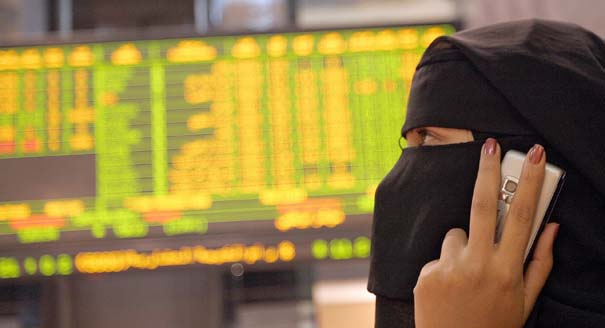
Source: Getty
Europe’s economic crisis is being used to carve out more fundamental divisions between Europe and its Muslim neighbors.
European leaders are focused on the economic costs of the euro crisis. At a time when their political survival depends on how soon an economic recovery will take place, and how strong it will be, this is surely understandable. But geo-economic realities should not conceal emerging geopolitical difficulties. The euro crisis is starting to fuel challenges to the European and, by extension, Western model. This is more easily observed from Europe’s Southern periphery, where the debate is less about the obscure financial or institutional panaceas advanced as the ultimate solution to the crisis, and more about the failings of the European model.
As result of the Arab spring, the EU’s crisis has overlapped with the emergence of a more pluralistic discussion about the proper model for Arab nations. Europe’s perceived fragility has undermined the effectiveness of the non-Islamist constituencies arguing for the establishment of a “European” model based on a diminished role for religion in the public sphere and stronger checks and balances. It has made it more difficult to build a stronger counter-narrative to political Islam at the very moment when political Islamists are being empowered.
Political Islamists now tend to view the West in general, and Europe in particular, as a civilization in political, economic, social, and moral decline. This perception is used as a justification to build a different social order that would be less secular and, it is argued, more just and more moral.
The West’s perceived decline also facilitates anti-Western discourse and the articulation of a socio-political vision that takes anti-Westernization as its point of reference. This civilizational divide is now apparent even in Turkey, the most secular country in the EU’s southern neighborhood.
Having now clearly decided that the path toward EU membership offers little hope, Turkey’s leadership seems intent on positioning the country as the lead nation of a different—real Islamic—civilization. Delivering the keynote speech at the Istanbul Forum two weeks ago, Ibrahim Kalin, lead advisor to Prime Minister Erdogan, clearly illustrated this change in posture by attributing Europe’s decline to over-secularization and rampant consumerism. He also contended that the new geopolitical order will be much less Euro-centric and alluded to Turkey’s role in becoming a pillar of this emerging multipolar world order.
Instead of bridging the divide between the north and the south of the Mediterranean, the EU seems almost helpless against a wave of Islamist thinkers that have used Europe’s economic crisis to underscore the differences between the “land of Islam” and Western civilization. If these tendencies continue unabated, the consequences will be dire for aspirations of a more harmonious relationship between Europe and its southern neighbors. Equally of concern should be the impact of this type of discourse on the Islamic communities within Europe. Europe’s economic crisis is therefore not limited to creating divisions within Europe but is also being used to carve out more fundamental divisions between Europe and its Muslim neighbors.

Senior Fellow, Carnegie Europe
Sinan Ülgen is a senior fellow at Carnegie Europe in Brussels, where his research focuses on Turkish foreign policy, transatlantic relations, international trade, economic security, and digital policy.
Recent Work

Raluca Csernatoni, Sinan Ülgen
Catherine Hoeffler, Sinan Ülgen
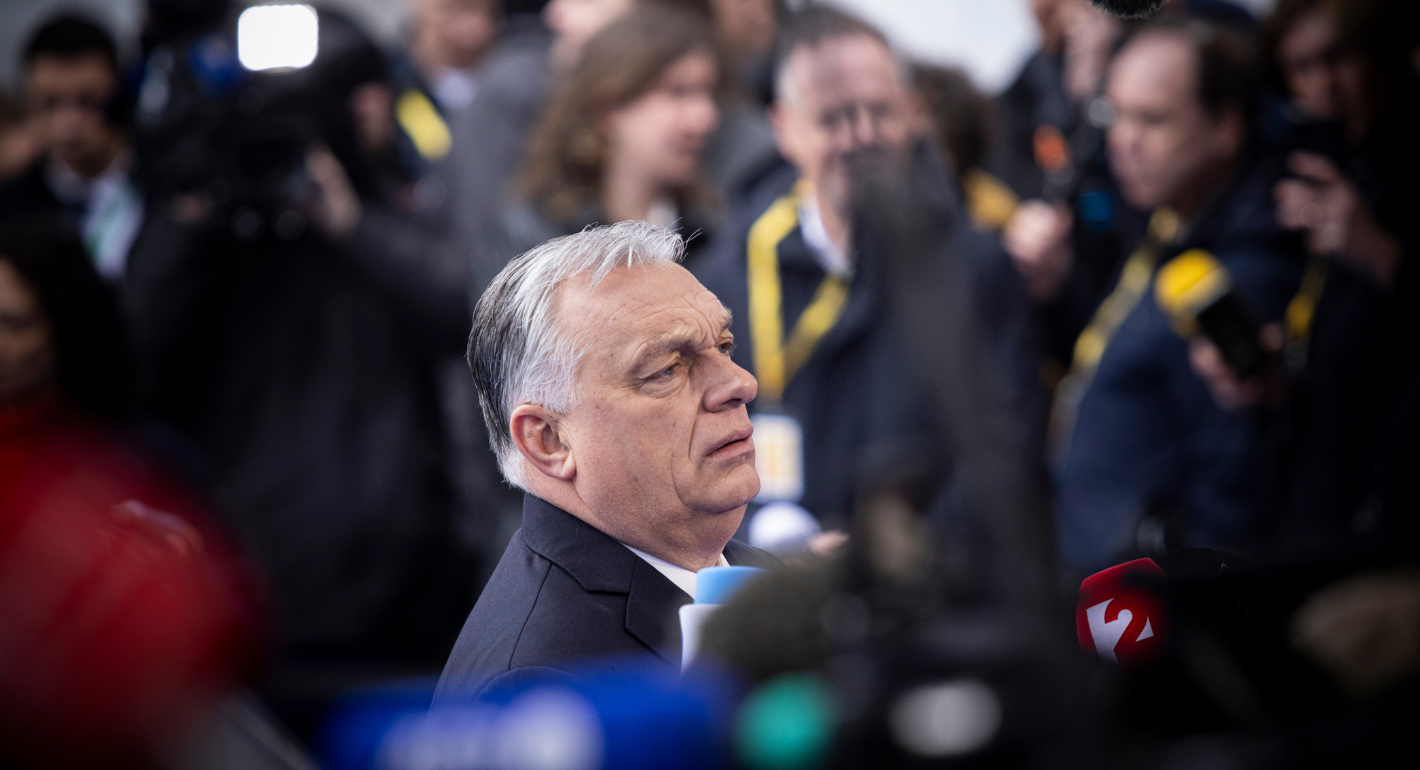
Hungarians head to the polls on April 12 for an election of national and European consequence. Three different outcomes are on the cards, each with their own implications for the EU.
Zsuzsanna Szelényi
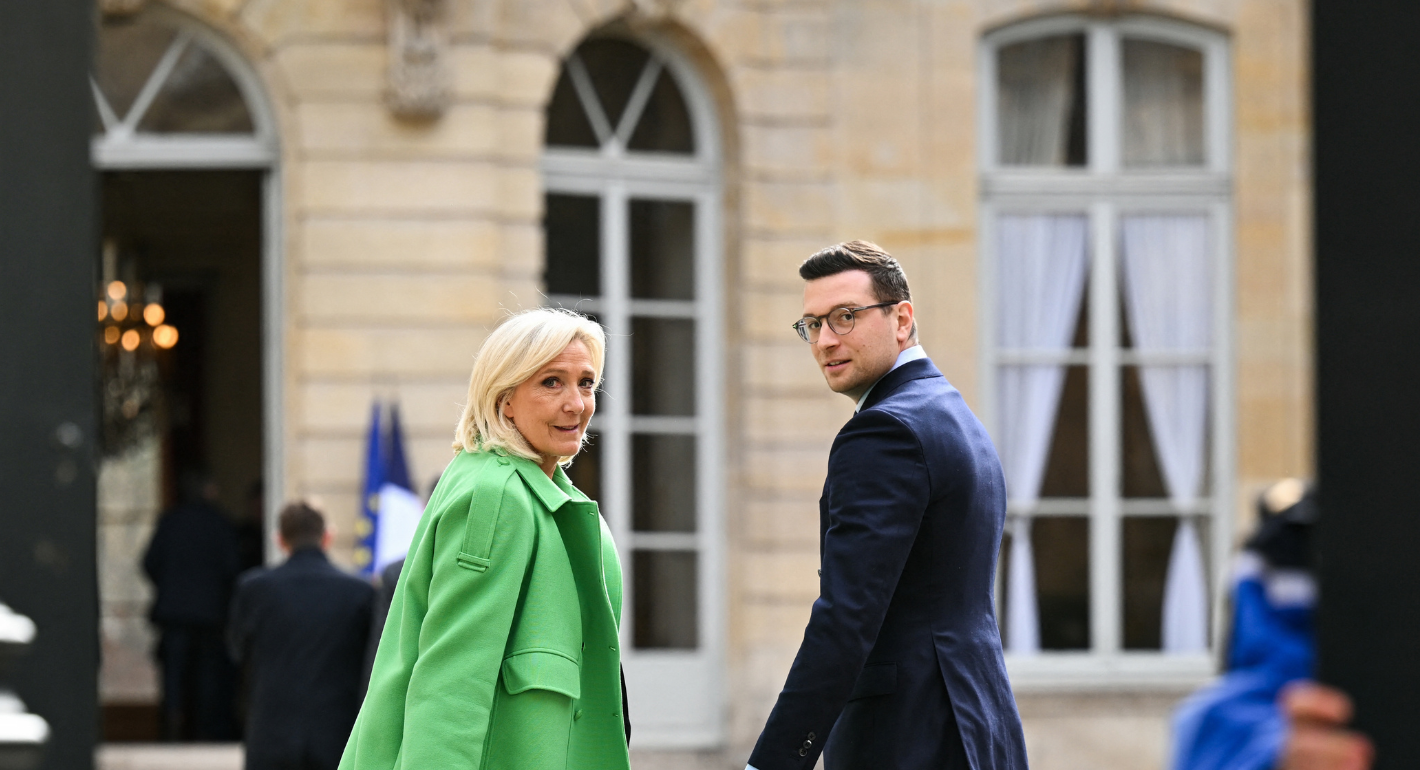
The far right failed to win big in France’s municipal elections. But that’s not good news for the country’s left wing, which remained disunited while the broader right consolidated its momentum ahead of the 2027 presidential race.
Catherine Fieschi
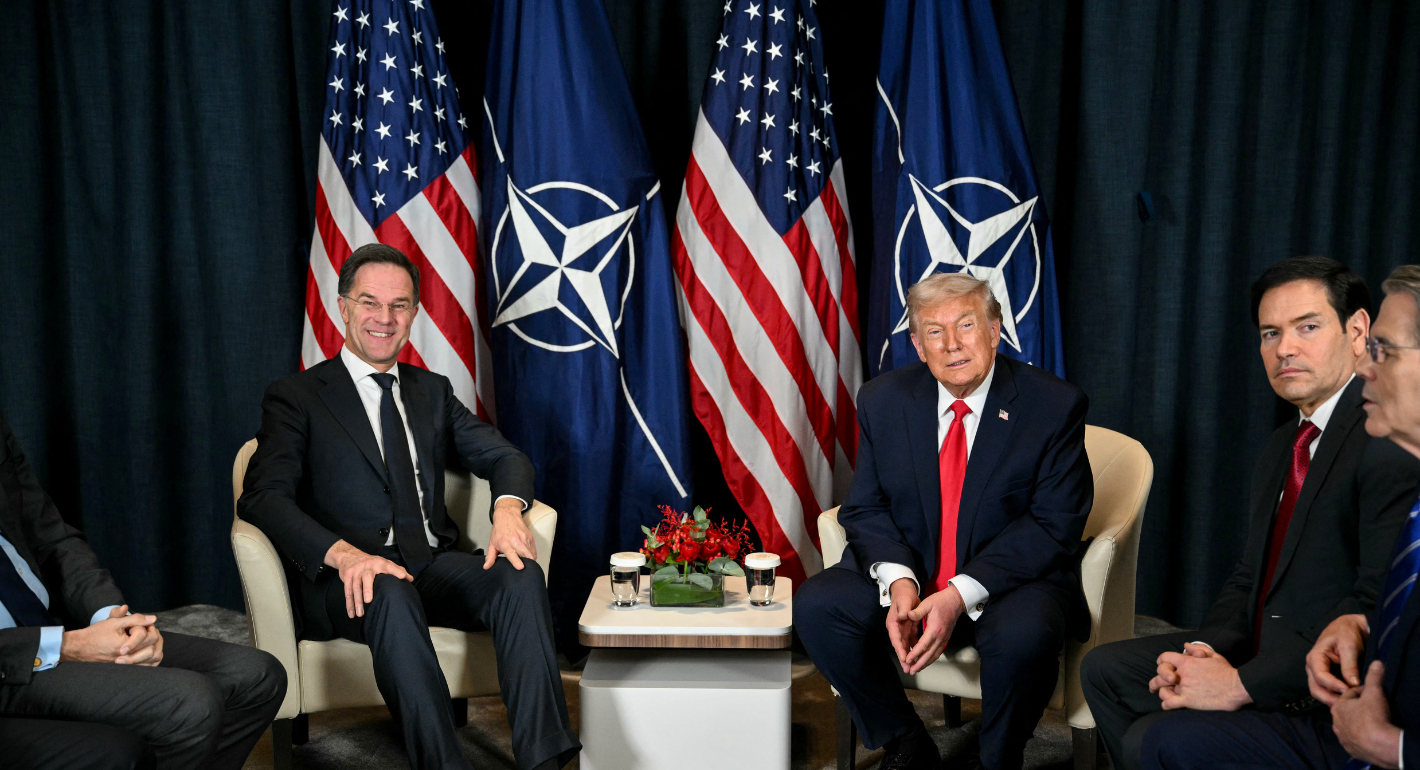
Donald Trump has demanded that European allies send ships to the Strait of Hormuz while his war of choice in Iran rages on. He has constantly berated NATO while the alliance’s secretary-general has emphatically supported him.

Rym Momtaz, ed.
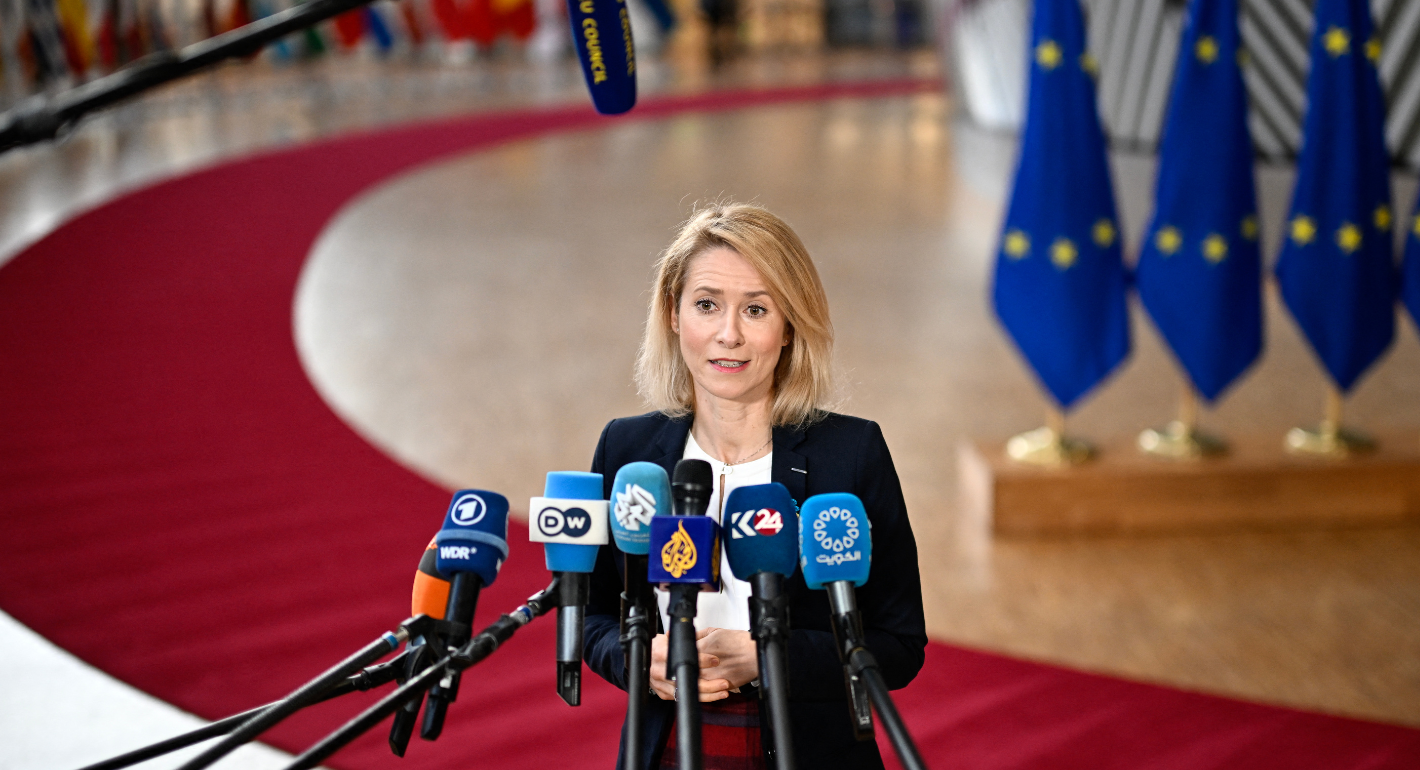
The EU is structurally incapable of reacting to today’s foreign policy crises. The union must fold the EEAS into the European Commission and create a security council better prepared to take action on the global stage.

Stefan Lehne
The war in Ukraine is costing Russia its leverage overseas. Across the South Caucasus and Middle East, this presents an opportunity for Europe to pick up the pieces and claim its own sphere of influence.

William Dixon, Maksym Beznosiuk