

Commentary
Nathalie Tocci, Jan Techau
{
  "authors": [
    "Jan Techau"
  ],
  "type": "commentary",
  "blog": "Strategic Europe",
  "centerAffiliationAll": "",
  "centers": [
    "Carnegie Endowment for International Peace",
    "Carnegie Europe"
  ],
  "collections": [],
  "englishNewsletterAll": "",
  "nonEnglishNewsletterAll": "",
  "primaryCenter": "Carnegie Europe",
  "programAffiliation": "",
  "programs": [],
  "projects": [],
  "regions": [
    "Europe"
  ],
  "topics": [
    "EU"
  ]
}
Source: Getty
The continuing existence of monarchies in Europe proves how much even modern societies need shared symbolism. That is a lesson the EU should take to heart.
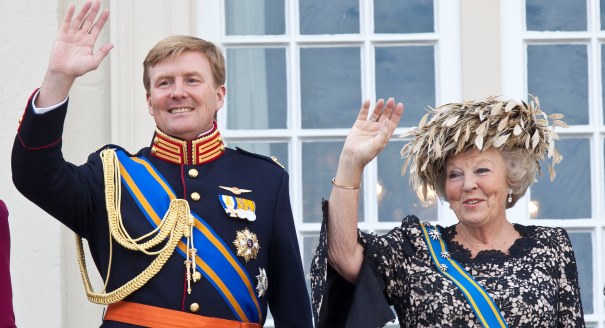
Today, a new king will assume the throne in the Netherlands. In a unique procedure, a group of senior state officials—including members of parliament, the clergy, delegates from the provinces, and other functionaries and representatives—will formally give Crown Prince Willem-Alexander his new mandate as the king of the Dutch. A church service and a public appearance at the royal palace in Amsterdam will follow.
Does this archaic procedure have a story to tell for the EU as a whole? Yes, as it is a reminder that political systems are poorer and less attractive without the soft power of long-established community symbols. Even in today’s modern, secular, fragmented, and presumably rational societies, monarchies can play an essential role.
From a purely legal or political perspective, no one needs a monarchy anymore today. The idea of assigning the duties of the head of state through a hereditary system is neither particularly democratic nor does it satisfy our modern hunger for fairness, equality, and meritocracy. And yet it survives in twelve European countries, all of them decidedly twenty-first-century in nature. Beyond legal or political aspects, there seems to be some other factor that keeps the high nobility on national payrolls.
Modern societies, much like their simpler medieval and tribal predecessors, retain a strong demand for shared symbolism and markers of group identity. Walter Bagehot, the hugely influential nineteenth-century analyst of the British system of government, called those parts of government dedicated to fulfilling these needs the “dignified parts of the constitution.” They exercise very little real power and serve at best as consultants to elected officials, yet they are an essential crystallizing point around which societies can build a collective sense of self.
It’s not just monarchies that recognize the importance of the dignified symbols of the state. Just look at the deeply republican political systems of the United States or France, where elected presidents are endowed with quasi-monarchical symbols of power and enjoy a cultishly elevated status in the rituals of state. Similar pomp can be found in Italy, Russia, and even Communist China. It is done differently in each case, but it always serves the same purpose: to symbolize unity and a sense of belonging in a highly fragmented society.
The need for collective reassurance seems to be an anthropological constant, no matter whether you are a caveman or the citizen of a postmodern society. Ironically, it is the deeply conservative institution of monarchy (and its republican equivalent) that remind us there is indeed such a thing as society—an idea that conservatives, in particular, reject vehemently.
The EU, a famously sui generis body, is of course neither a monarchy nor a republic. But, as a political system that relies on a certain sense of public cohesion and accepted shared identity, it is in utter need of dignified parts of its constitution. The problem is that it has none. When Europeans agonize about the lack of a common identity within the EU, one reason is the absence of visible symbols of shared “Europeanness.”
It is true that European politicians and EU leaders have come up with all kinds of ersatz ideas. Yes, there is a blue flag with twelve gold stars, and there is indeed a scantily clad young lady riding a bull. Yes, the European Parliament is a pretty remarkable—if deeply flawed—institution. Yes, the city of Brussels holds some significance. And yes, we have tried, with some success, to elevate Jean Monnet, Robert Schuman, and even Jacques Delors to dignified über-figures of Europe. And yet, all of that seems artificial and somewhat forced.
This is an interesting time for Europe. In midst of the continent’s biggest postwar crisis, the discussion about the future of Europe is gaining traction. But Europeans should be aware that Europe’s problems cannot be solved by technical, legal, and administrative progress alone. Nor will the famous “narrative” that some Europeans keep harping on about save the day.
Europe needs a credible system of democratic participation. But, beyond that, the EU’s future will depend on its ability to create its own dignified parts of the constitution. This may sound a bit old-fashioned, but it could work wonders for Europe.
Even the EU—or maybe especially the EU—needs institutional elements that transcend their mere technical function and stand for something bigger than themselves. What could that be? The EU’s only real option is a popularly elected president (of either the European Council or the European Commission), endowed with the symbolic insignia of the united Europe he or she represents. Out of this, dignified traditions that Bagehot would understand can grow over time. In any case, the old European habit of assigning a quasi-dignified status to the treaties won’t do for much longer.
Today’s ritual in the Netherlands will be a strong reminder of this. It will be watched by millions of fascinated people around the world. This is soft power at its best. Watch carefully, Europe.
Director, Europe Team, Eurasia Group
Techau is director with Eurasia Group's Europe team, covering Germany and European security from Berlin. Previously, he was director of Carnegie Europe.
Recent Work

Nathalie Tocci, Jan Techau
Jan Techau
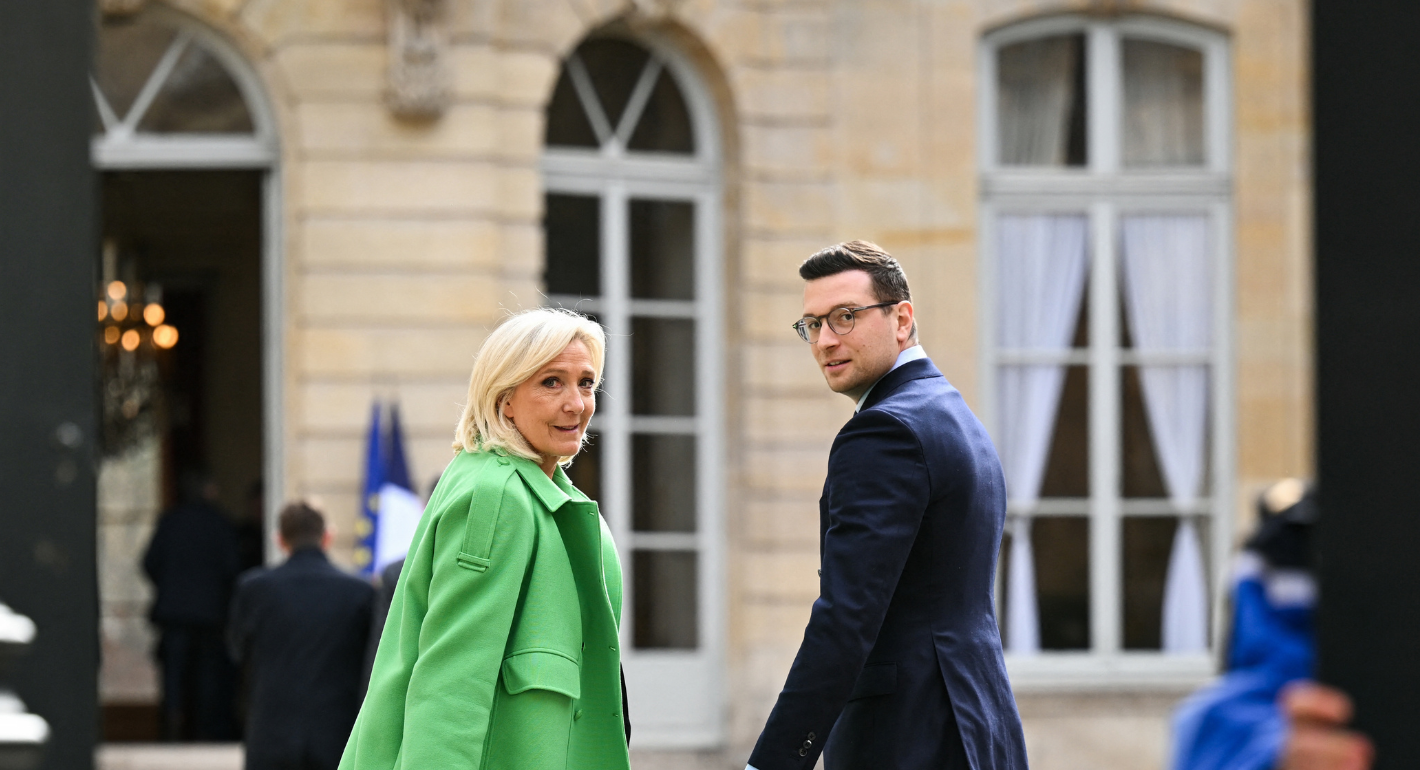
The far right failed to win big in France’s municipal elections. But that’s not good news for the country’s left wing, which remained disunited while the broader right consolidated its momentum ahead of the 2027 presidential race.
Catherine Fieschi
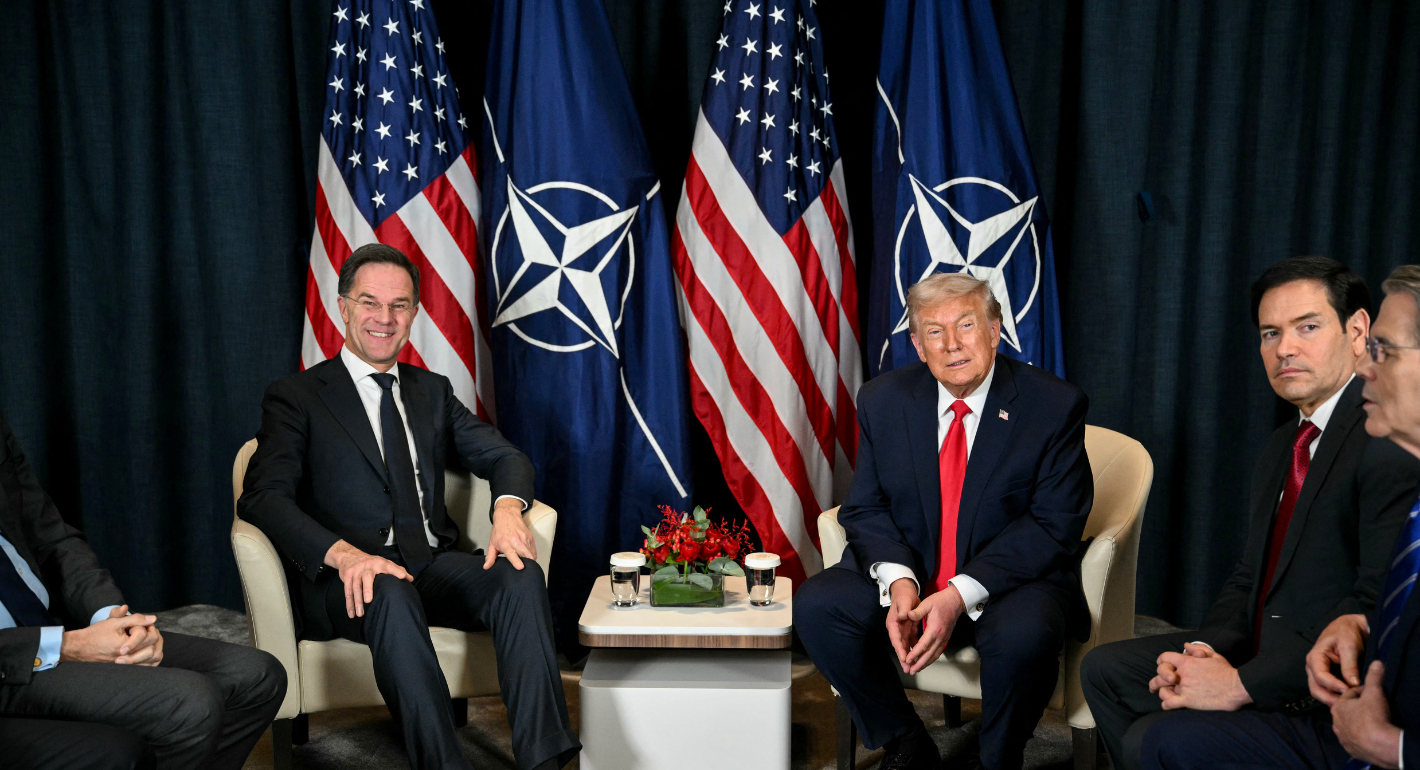
Donald Trump has demanded that European allies send ships to the Strait of Hormuz while his war of choice in Iran rages on. He has constantly berated NATO while the alliance’s secretary-general has emphatically supported him.

Rym Momtaz, ed.
The EU is structurally incapable of reacting to today’s foreign policy crises. The union must fold the EEAS into the European Commission and create a security council better prepared to take action on the global stage.

Stefan Lehne
The war in Ukraine is costing Russia its leverage overseas. Across the South Caucasus and Middle East, this presents an opportunity for Europe to pick up the pieces and claim its own sphere of influence.

William Dixon, Maksym Beznosiuk
The war in Iran proves the United States is now a destabilizing actor for Europe and the Arab Gulf. From protect their economies and energy supplies to safeguarding their territorial integrity, both regions have much to gain from forming a new kind of partnership together.
Rym Momtaz