

Commentary
Nathalie Tocci, Jan Techau
{
  "authors": [
    "Jan Techau"
  ],
  "type": "commentary",
  "blog": "Strategic Europe",
  "centerAffiliationAll": "",
  "centers": [
    "Carnegie Endowment for International Peace",
    "Carnegie Europe"
  ],
  "collections": [],
  "englishNewsletterAll": "",
  "nonEnglishNewsletterAll": "",
  "primaryCenter": "Carnegie Europe",
  "programAffiliation": "",
  "programs": [],
  "projects": [],
  "regions": [
    "Europe",
    "North America"
  ],
  "topics": [
    "EU",
    "Security"
  ]
}
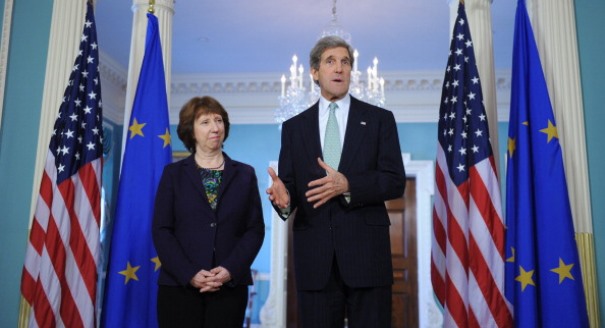
Source: Getty
It is crucial for Europeans to understand that their increased engagement will make them both less dependent and more interesting as a partner for the United States.
The members of my tribe—Europe’s ever-shrinking band of true transatlanticists—are looking a bit silly these days.
These are the people that truly believe that America and Europe need each other, can’t do without each other for long, and must move even closer together if the West is to survive as a meaningful political model. They believe this not out of a sense of nostalgia, but because of sober geopolitical assessments. And those strategic calculations are relevant now more than ever.
Often, these tribespeople criticize the Europeans for not being active enough in international affairs, for underinvesting in NATO, and for being generally complacent and dreamy-eyed about military matters.
Transatlanticists don’t make these points to please the Americans, but to remind the Europeans of the need to protect their own interests. That means being strong, capable, and determined enough in global affairs to be taken seriously by the Americans when they make decisions of global reach.
When the National Security Agency (NSA) spy scandal broke, my fellow tribespeople and I found ourselves in a rather uncomfortable position. We were all savvy enough to know that the snooping was going on. But when we remarked that the scale of the eavesdropping was perhaps going a bit too far and was violating the spirit of a trustworthy relationship, we got caught in the crossfire.
From the eastern side of the Atlantic, we were told: “See, this is where your slavishly pro-American position has gotten you. This is what you get when you become their poodle.” Almost within hours, it became a lot harder to make the transatlantic case in Europe. Some exasperated colleagues were complaining that years of work had been flushed down the toilet in days.
From the other side of the pond, our complaint provoked a different reaction. I was called a “petulant baby” by a particularly robust tweep from New York, who then continued: “You didn’t think you needed the US, you made pipeline deals with Russia, you hate on Israel. Consequences.” In other words: if you decide to act like the enemy, don’t be surprised when you’re treated like the enemy.
This crisis is bringing out people’s worst instincts. Populists on the right and the left, as always, seek to cash in by singing their nationalist, anti-American songs, or by promoting the old canard of an independent, isolationist European Sonderweg.
But now, even reasonable, mainstream politicians are being driven toward silliness because they smell an opportunity to score some cheap popularity points with their voters. Just look at the grandstanding coming out of the European Parliament and the European Commission. The fallout from the NSA revelations is a gift from heaven for all enemies of the transatlantic relationship, whether they are based in the United States, the EU, Russia, or elsewhere.
Between these affronts, the brave but decimated clan of true transatlanticists risks being plowed under. Some of them have decided to keep a low profile for the time being, saving their energy for when the hysteria has ebbed away. Then, the work to rebuild transatlantic ties will require the stamina of well-rested tribesmen.
But keeping a low profile is a bad idea in a situation like this. It needs to be better understood in Europe that surveillance and prying of this kind are nothing new, and that while the sheer size of the operation may be mind-boggling, it does not warrant widespread hysteria. European authorities regularly benefit from information scooped up and forwarded by U.S. intelligence services. Europeans themselves are hardly angels when it comes to collecting data and spying on friend and foe alike.
And yet, the European outrage is justified. America needs to understand that limitless spying will destroy trust and create suspicion and resentment. The U.S. government needs to reacquaint itself with a proper sense of proportion and boundaries in terms of what can be done to allies and partners.
But there is an even more important lesson from this affair. No matter how much we all like the poetry of the shared transatlantic values of freedom, dignity, human rights, and the rule of law, what matters in international relations are national interests and the power to pursue them.
No sweet-talking by President Obama in front of Berlin’s Brandenburg Gate can cloak the fact that foreign policy is a competitive game played with all available tools, even among friends. At the core of the problem lies the fact that Europeans often don’t want to compete in the ugly power game of international politics.
For Europeans, the spy scandal is a much-needed reminder that if they want to be respected, influential, and relevant, they will have to start thinking strategically and invest their taxpayers’ money wisely—and play hardball.
Europe needs America if it wants to stay safe, free, and prosperous. It is crucial for Europeans to understand that their increased engagement will make them both less dependent and more interesting as a partner for the United States.
You don’t have to be a transatlanticist tribesman to understand this, just a realist. But realists are an even more endangered species these days.

Director, Europe Team, Eurasia Group
Techau is director with Eurasia Group's Europe team, covering Germany and European security from Berlin. Previously, he was director of Carnegie Europe.
Recent Work

Nathalie Tocci, Jan Techau
Jan Techau
Carnegie does not take institutional positions on public policy issues; the views represented herein are those of the author(s) and do not necessarily reflect the views of Carnegie, its staff, or its trustees.

The battle over free speech has taken center stage since U.S. Vice President JD Vance accused Europe of censorship. From travel bans to social media regulation, especially around the Israel-Palestine conflict, are liberal democratic governments weaponizing free speech?

Rym Momtaz, ed.

Europe seems to have accepted its sidelining in the Middle East. The EU must reassert its support for the international rules-based order and step up engagement.
Rym Momtaz

Amid uncertainty caused by the Iran war, the global drive for nonproliferation has stalled. With Europe diplomatically marginalized and countries reassessing their nuclear options, efforts to curb the spread of nuclear weapons risk becoming irrelevant.

Jane Darby Menton
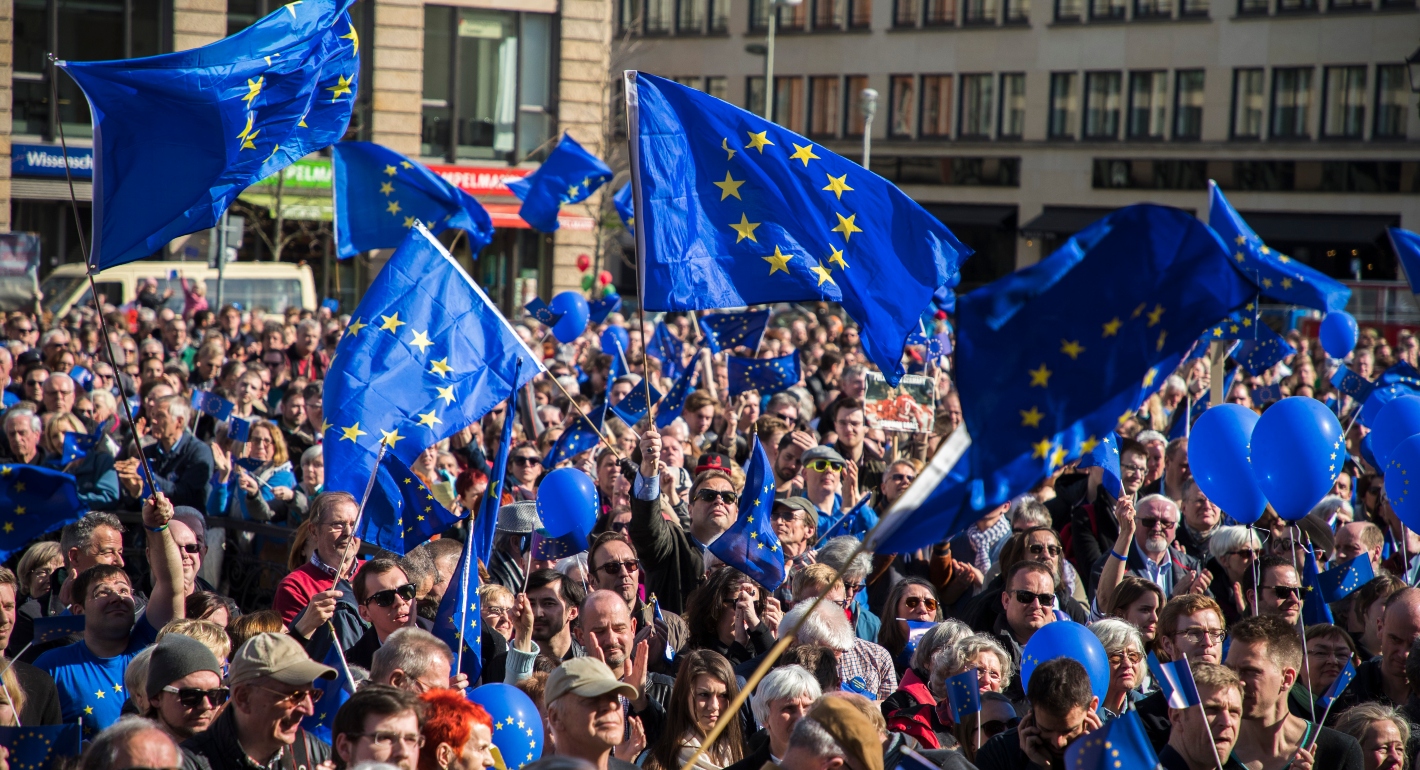
Preparing candidate countries for EU membership is no longer enough. As the enlargement process becomes a reality, the union must also prepare its own societies.

Iliriana Gjoni
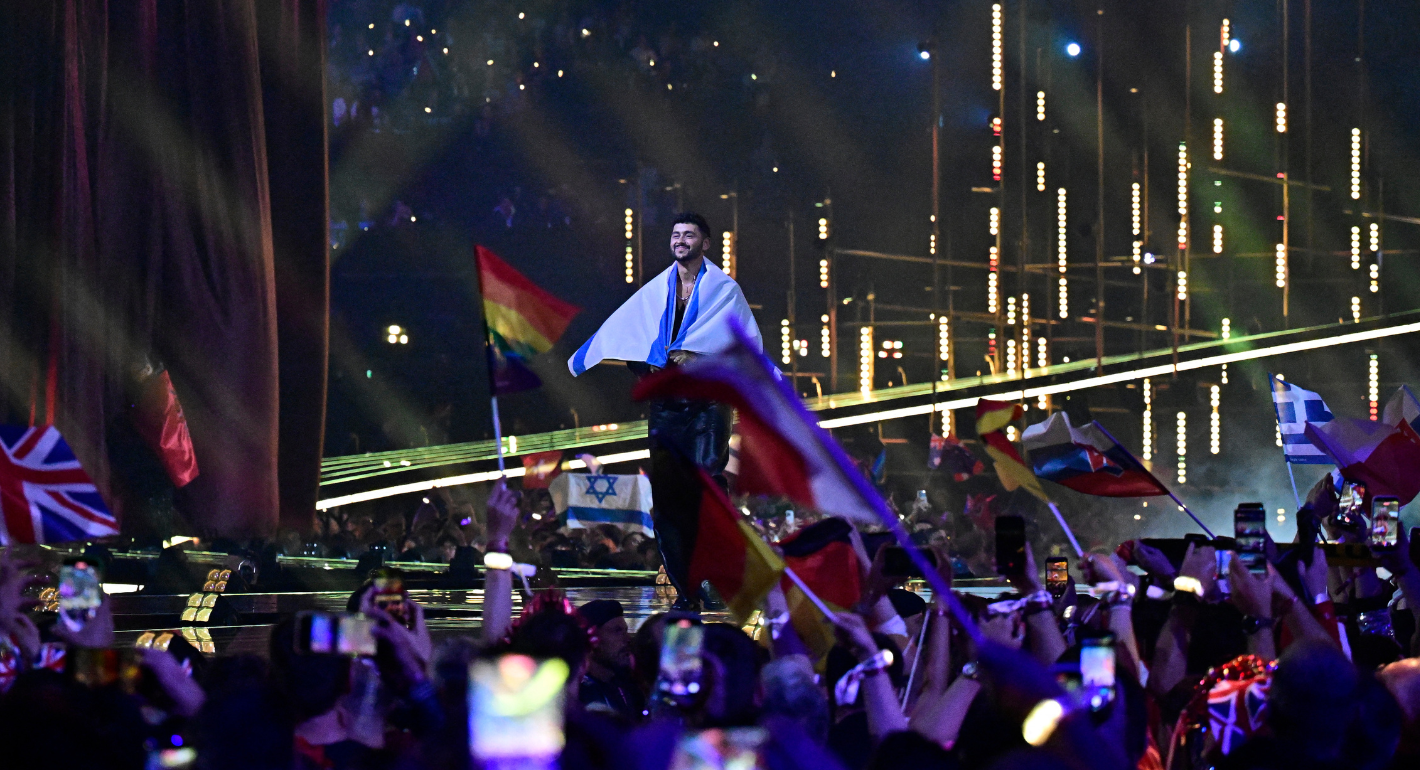
Five countries staged the biggest political boycott in Eurovision history over Israel’s participation. With the FIFA World Cup and other sporting or cultural touchstones on the horizon, are boycotts effective?
Rym Momtaz, ed.