

Commentary
In Ukraine, Gaza, and Iran, AI warfare has come to dominate, with barely any oversight or accountability. Europe must lead the charge on the responsible use of new military technologies.
Raluca Csernatoni
{
  "authors": [
    "John Kornblum"
  ],
  "type": "commentary",
  "blog": "Strategic Europe",
  "centerAffiliationAll": "",
  "centers": [
    "Carnegie Endowment for International Peace",
    "Carnegie Europe"
  ],
  "collections": [
    "Europe’s Eastern Neighborhood"
  ],
  "englishNewsletterAll": "",
  "nonEnglishNewsletterAll": "",
  "primaryCenter": "Carnegie Europe",
  "programAffiliation": "",
  "programs": [],
  "projects": [],
  "regions": [
    "Eastern Europe",
    "Ukraine"
  ],
  "topics": [
    "Foreign Policy",
    "Security"
  ]
}
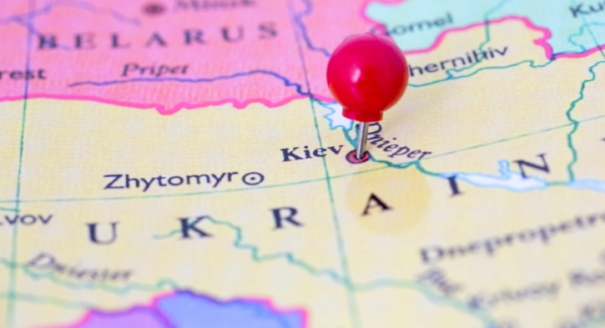
Source: Getty
Vladimir Putin may have done more to make Ukraine ready for the modern world than twenty years of EU preaching could ever have achieved.
Don’t you love farce?
My fault, I fear.
I thought that you’d want what I want.
Sorry, my dear.
But where are the clowns?
Quick, send in the clowns.
Don’t bother, they’re here.
— Stephen Sondheim
Six months after Russian intervention in Ukraine began, hopes for long-term democracy and integration between Russia and the West are near total collapse. A conflict on Europe’s periphery has ignited crosscurrents of violence and confusion that are already bordering on farce. Neither side seems to know what it is doing. Clowns are everywhere.
The EU’s poorly conceived European Neighborhood Policy flutters in the winds of war, lacking even a semblance of relevance to the crisis it created. Self-proclaimed “republics” rise and fall in accordance with whatever support Russia wishes to provide them with. Drunken “separatists” (or was it Russian regulars?) shoot down a civilian airliner with horrible consequences. A mysterious Russian aid convoy shows up and then leaves.
Russian President Vladimir Putin’s game plan is impossible to decipher. Europe worries, and the United States dissembles, trying hard not to become involved in yet another failed state. Popular opinion in Russia celebrates Western sanctions as a test of a national spirit attuned to the nineteenth century.
All this is happening amid a conflict in which the facts are relatively straightforward. Ukrainians are fed up with Russian-sponsored corruption and seek a better future in the West. Russia wants its interests to be protected. That shouldn’t be a problem. But Ukraine is more like Bosnia than East Germany. Rather than negotiate the terms of Ukraine’s westward drift, Russia grabbed a piece of the country’s territory as a reprisal for disloyalty by its long-time fiefdom. One cannot escape the feeling that Putin’s anger is aimed mostly at the West.
Goodwill on both sides should be able to put together a compromise. But as in 1914, a relatively obscure problem has blown up into a challenge to the entire existing order. Putin and the Islamic State in Iraq and Syria are today’s villains. But the EU and the U.S. Congress are only marginally more rational.
There seems to be no central point for restoring order to match former U.S. president Bill Clinton’s decision to jump into Bosnia in 1995. A new Dayton Agreement is beyond imagination. No Richard Holbrooke—the key negotiator who helped achieve that peace accord—is waiting in the wings. Slowly, observers are coming to realize that a chapter of history ended on the streets of Kiev.
One reason for the rage causing this tragicomedy is that old categories don’t fit anymore. The radical integration of the world through high-speed information networks and modern logistics is redrawing the global geostrategic map before our eyes. Normal people, rich and poor, are increasingly worried that they are losing control of their destinies to something called globalization. Russian nationalists and Ukrainian freedom fighters are two sides of the same coin.
In fact, Ukraine is likely to come out ahead when this conflict finally winds down. The country’s central position between the EU, Russia, and Central Asia and its budding civil society are tailor-made for the new era ahead. Ukraine has integrated many European and Central Asian nationalities and is already a part of the West in a way that Russia could never be. Russian aggression has provided Ukraine with one advantage that it was previously lacking—national purpose.
Putin may in fact have done more to make Ukraine ready for the modern world than twenty years of EU preaching could ever have achieved. Ukraine has within reach the tools with which to define its own destiny. It will succeed if it can modernize around the technologies offered by the global community, including China.
Russia’s long-term dilemma will be not only that Putin has destroyed cooperation with the West but also that he has opened Central Asia and Eastern Europe to a larger role by the Chinese. The real dynamic in this region in the future is likely to be a German-Chinese one, with Russia playing only a secondary regional role.
No number of diplomatic conferences or peace plans is going to have much influence on this inexorable change. New realities will emerge from radically changed global dynamics and not from think tanks. The West can help most by returning to first principles. Supporting democracy in Ukraine is a vital first step. But next year will also mark the fortieth anniversary of the Helsinki Final Act, a 1975 agreement that sought to reduce Cold War tensions and defined modern civil society as the foundation of lasting peace.
A new version of the Helsinki Final Act could install modern civil society as a prerequisite for success in a globally networked world. Even while the guns are still firing in Ukraine, it is not too early to begin planning a summit initiative for that important occasion in 2015. By then, there might just be a chance to convince Russia and other parts of the former Soviet Union that cooperation among democracies is the key to a prosperous and peaceful future.
John Kornblum is senior counselor at Noerr LLP and former U.S. ambassador to Germany.
John Kornblum
Centre for Strategic and International Studies
Carnegie does not take institutional positions on public policy issues; the views represented herein are those of the author(s) and do not necessarily reflect the views of Carnegie, its staff, or its trustees.
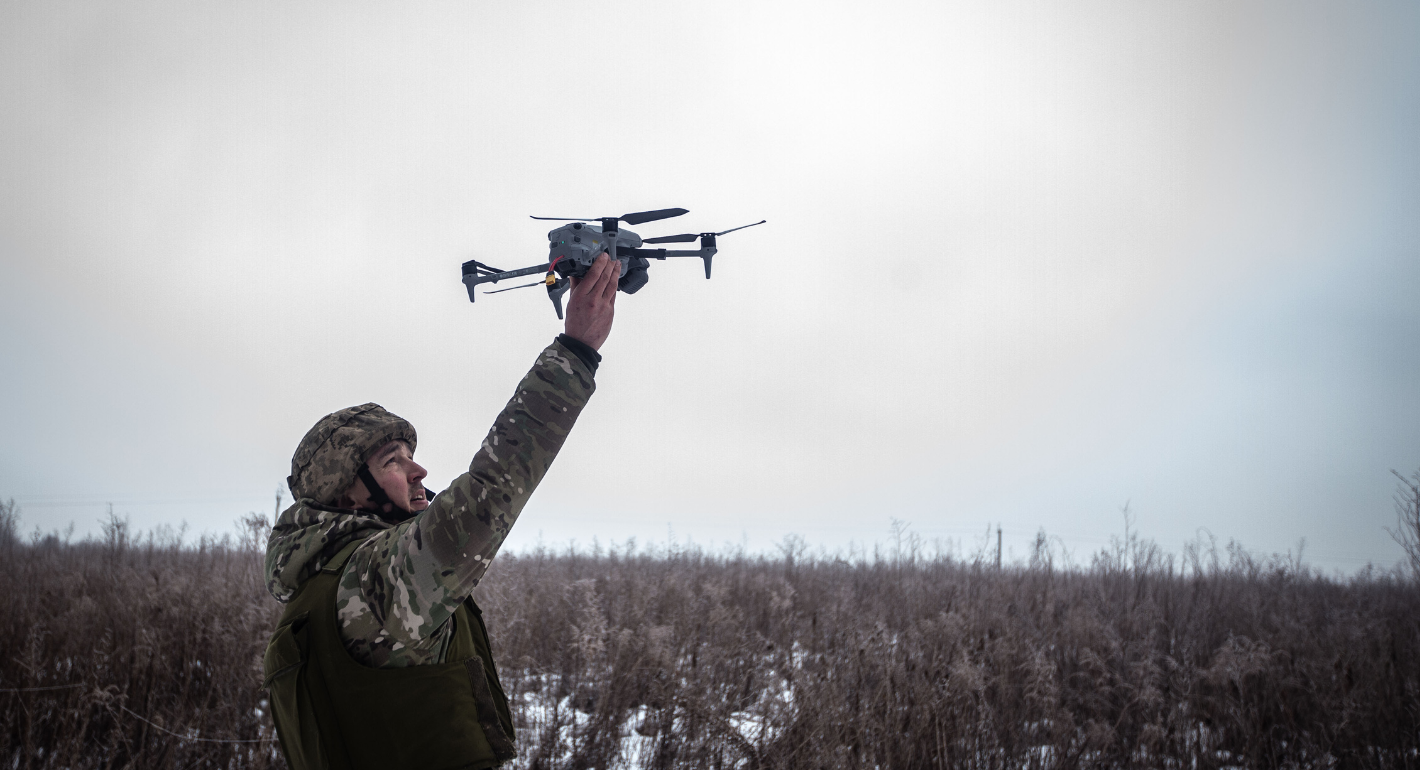
In Ukraine, Gaza, and Iran, AI warfare has come to dominate, with barely any oversight or accountability. Europe must lead the charge on the responsible use of new military technologies.

Raluca Csernatoni
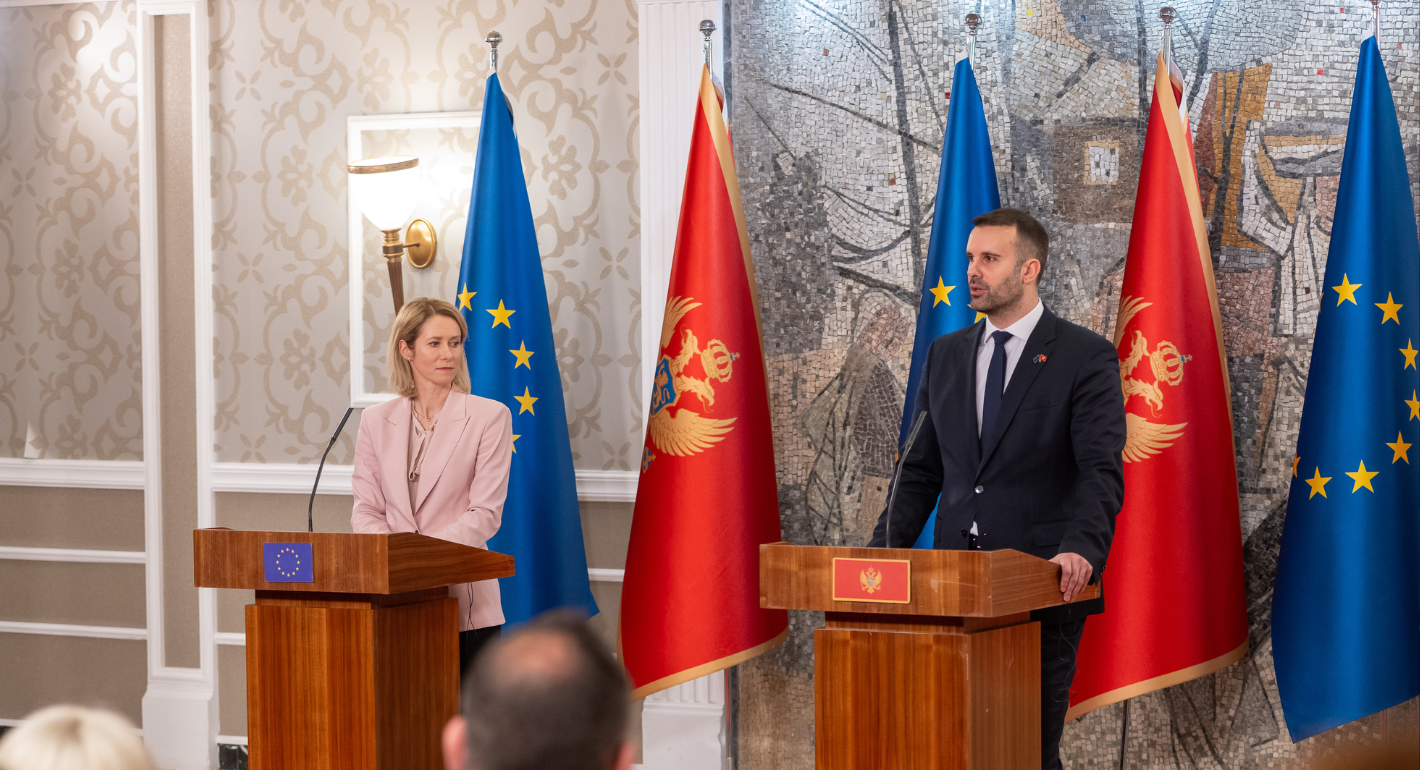
Montenegro and Albania are frontrunners for EU enlargement in the Western Balkans, but they can’t just sit back and wait. To meet their 2030 accession ambitions, they must make a strong positive case.


Dimitar Bechev, Iliriana Gjoni
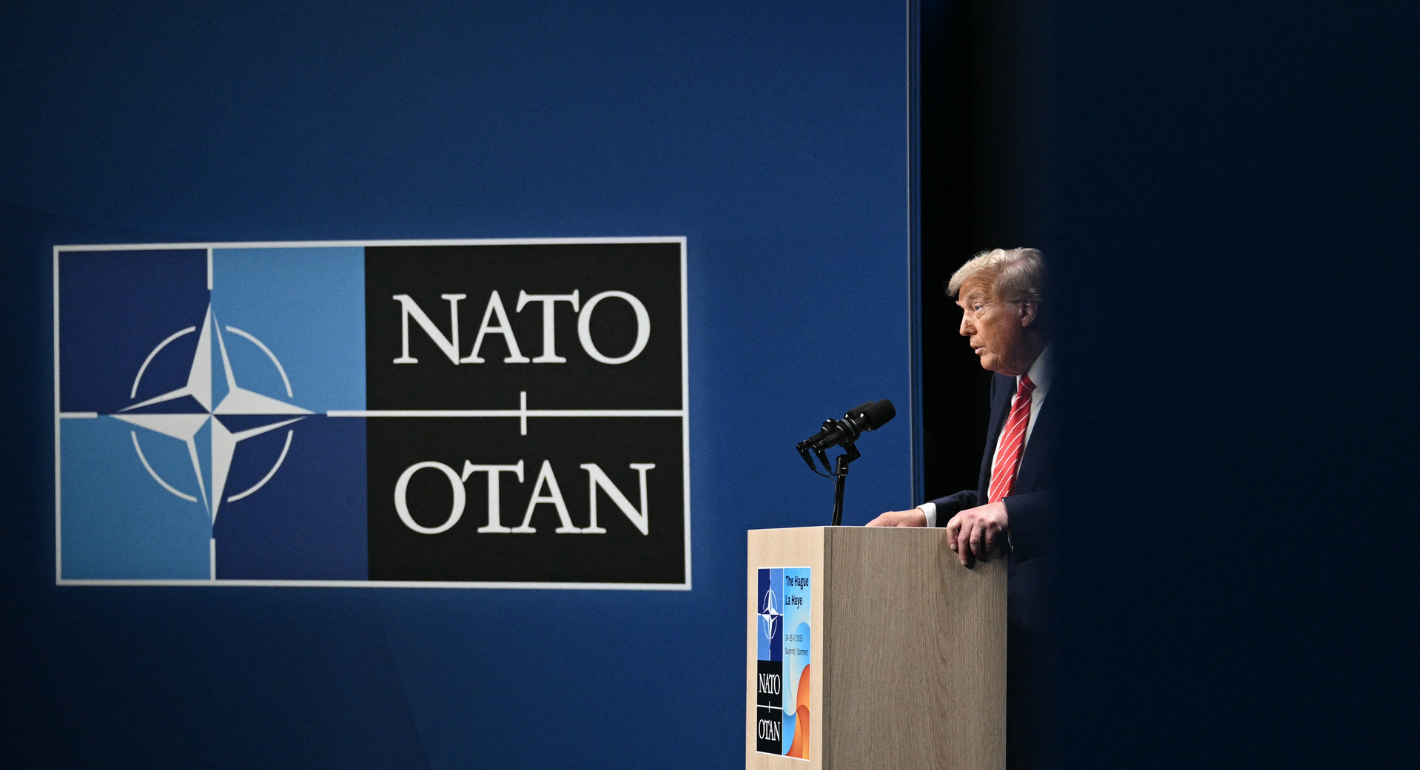
Donald Trump has repeatedly bashed NATO and European allies, threatening to annex Canada and Greenland and deploring their lack of enthusiasm for his war of choice in Iran. Is this latest round of abuse the final straw?

Rym Momtaz, ed.
Donald Trump’s repudiation of NATO goes against the Make America Great Again vision of a U.S.-centered foreign policy. If the goal is to preserve the alliance by boosting Europe’s commitments, leaning into France’s vision is the most America First way forward.
Rym Momtaz
Donald Trump has demanded that European allies send ships to the Strait of Hormuz while his war of choice in Iran rages on. He has constantly berated NATO while the alliance’s secretary-general has emphatically supported him.
Rym Momtaz, ed.