

Commentary
Europe isn’t as weak in the new geopolitics of power as many would believe. But to leverage its assets and claim a sphere of influence, Brussels must stop undercutting itself.
Dimitar Bechev
{
  "authors": [
    "Alan Posener"
  ],
  "type": "commentary",
  "blog": "Strategic Europe",
  "centerAffiliationAll": "",
  "centers": [
    "Carnegie Endowment for International Peace",
    "Carnegie Europe",
    "Carnegie Russia Eurasia Center"
  ],
  "collections": [
    "EU Integration and Enlargement",
    "Brexit and UK Politics"
  ],
  "englishNewsletterAll": "",
  "nonEnglishNewsletterAll": "",
  "primaryCenter": "Carnegie Endowment for International Peace",
  "programAffiliation": "",
  "programs": [],
  "projects": [],
  "regions": [
    "Europe",
    "Western Europe",
    "United Kingdom"
  ],
  "topics": [
    "EU",
    "Political Reform",
    "Foreign Policy"
  ]
}
Source: Getty
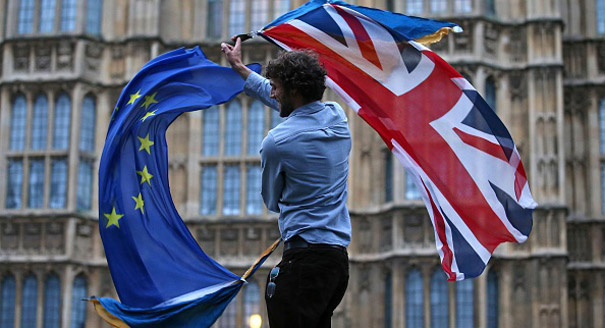
Those parts of the UK that voted on June 23 to remain in the European Union should be allowed to do so, while the rest should be free to leave.
To be or not to be in the European Union? And, if you’re from Scotland or Northern Ireland: to be or not to be in the United Kingdom? A similar antinomy drove Hamlet mad; or, he thought this was the choice he had because he was mad—depending on how you interpret William Shakespeare’s play.
The point is this: to be or not to be need not be the choice following Britain’s June 23 vote to leave the EU. Scotland and Northern Ireland, which voted to remain, could stay in the EU and in the UK. Even London might opt for that arrangement. All that’s needed is more creative thinking than Shakespeare allowed his Danish prince, fresh from his studies in Wittenberg, Germany, where he had learned this kind of blinkeredness.
Wittenberg was the home of German theologian Martin Luther, who at the 1521 Diet of Worms stated, “Hier kann ich, ich kann nicht anders” (Here I stand, there is no alternative). That resulted in two centuries of religious warfare and the destruction of Germany. This kind of black-and-white thinking is, unfortunately, typical of the German mind-set to this day. “In or out” is the tenet of German politicians from Finance Minister Wolfgang Schäuble downward. Those pesky English must be punished, and if this leads to the disintegration of the UK, so be it.
There are also some Scottish nationalists who think that the anti-EU referendum result in Britain gives them the perfect excuse to hold a second referendum on Scotland leaving the UK. Eurocrats, beware: being a reluctant Brit doesn’t make someone an enthusiastic European. Not liking London doesn’t make you like Brussels.
Likewise, the virus of disintegration doesn’t make Europe stronger. It makes the larger nations stronger—notably Germany, which unlike Spain or Italy is not faced with secessionist movements. It makes Brussels stronger, as small nations are unlikely to muster enough votes in the EU Council of Ministers or the European Parliament to counter measures that they feel are detrimental to their interests. But neither Berlin nor Brussels is synonymous with Europe or the EU.
And, crucially, European disintegration weakens NATO as Europe’s only reliable defense mechanism. NATO is dependent on national armies, and small nations tend to have weak armies—lots of top brass and few boots on the ground—let alone planes in the air. No, the breakup of large nations, though beloved of some romantic federalists who dream of a Europe of regions, is not a good idea. Maybe later in the century, but not now.
So, given that the EU referendum was advisory, the advice that it gave British and European negotiators was this: the English and the Welsh want out, the Scots and the Northern Irish want to remain.
Let them. Some border and passport problems will have to be solved; they are manageable. Probably more easily manageable than the problems that will ensue if a border goes up again between the Republic of Ireland and Northern Ireland. Poles, Romanians, Bulgarians, and other Europeans will be able to live and work and study in Scotland as is the case today, but not in England, which may have more generous quotas than before for Indians, Chinese, and Russians. Checkpoints might go up between Scotland and England; hardly more onerous than French or Swiss toll stations. If there’s a will, there’s a way.
And there’s a precedent. In 1984, Greenland left the European Communities (the precursor to the EU) while remaining a part of Denmark, a kingdom like the UK. Greenlanders were able to do this even though there was no formal mechanism for leaving at the time. Now, Greenland isn’t England; but what counts is the principle of a country that comprises members and nonmembers of the European Union. Instead of Brexit, Engxit.
This kind of arrangement would benefit cities like Edinburgh or Belfast, which could offer an alternative place to set up shop for bankers and other businesses fleeing London but eager to remain in an English-speaking environment. Scottish ports like Aberdeen would also pick up trade. At the same time, the British nuclear submarine fleet would not have to relocate, and there would be no change in the NATO status or security of Scotland, which would not need to spend any more on defense than it already does via taxes.
How would London respond to the challenge of Edinburgh and Belfast? Given Londoners’ enthusiasm for the EU, one possibility would be for the metropolitan area to be given a special status in the EU and the UK. Today, euros are widely accepted in London, Londoners jump on trains to Paris as readily as to Manchester (more readily actually, as—let’s face it—Paris is nicer), and it is generally accepted that Londoners are a special breed, quite unlike the Little Englanders of Cheltenham or Sunderland. Give London a special status, then, as a city associated with the EU and incorporated into the UK. Rather like Switzerland, but with voting rights and border checks.
All that is needed is an end to the Hamlet paradox. To be and not to be is what is needed. After all, what happened when Hamlet finally made up his mind? He managed to liquidate the entire royal family of Denmark, which was then taken over by Norway. Remember, the play is a tragedy.
Alan Posener is a writer and columnist for the Welt media group.
Alan Posener
Carnegie does not take institutional positions on public policy issues; the views represented herein are those of the author(s) and do not necessarily reflect the views of Carnegie, its staff, or its trustees.
Europe isn’t as weak in the new geopolitics of power as many would believe. But to leverage its assets and claim a sphere of influence, Brussels must stop undercutting itself.

Dimitar Bechev
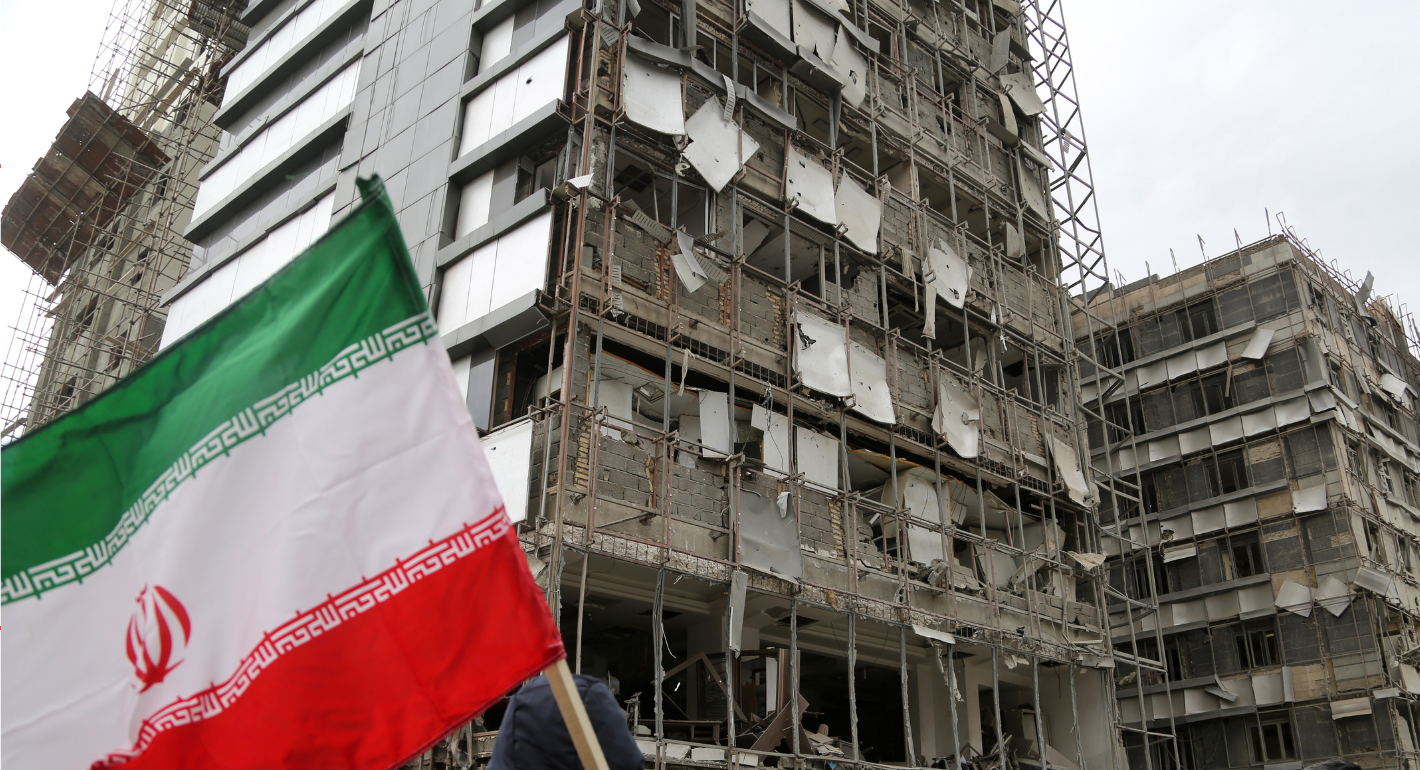
Europe’s reaction to the war in Iran has been disunited and meek, a far cry from its previously leading role in diplomacy with Tehran. To avoid being condemned to the sidelines while escalation continues, Brussels needs to stand up for international law.

Pierre Vimont
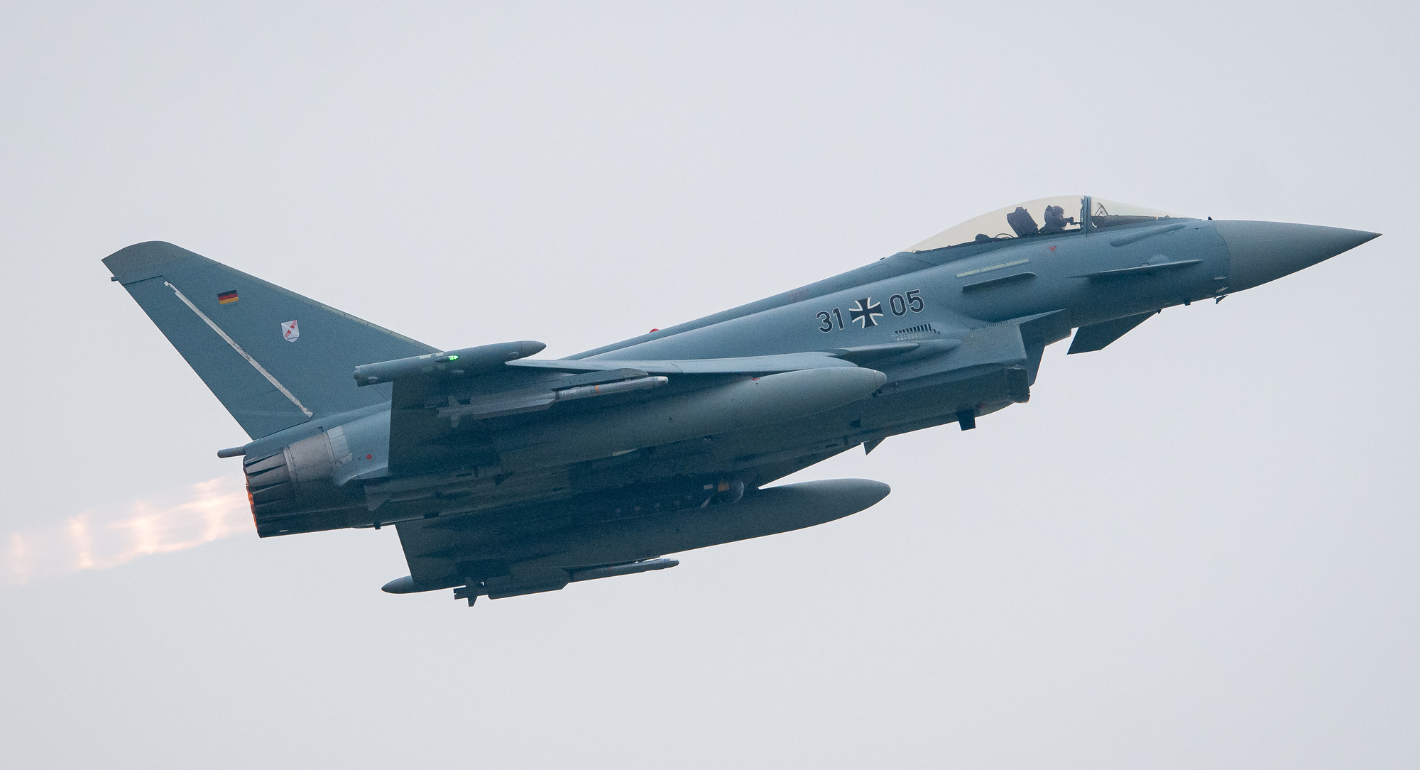
France and Germany’s failure to agree on the Future Combat Air System (FCAS) raises questions about European defense. Amid industrial rivalries and competing strategic cultures, what does the future of European military industrial projects look like?

Rym Momtaz, ed.
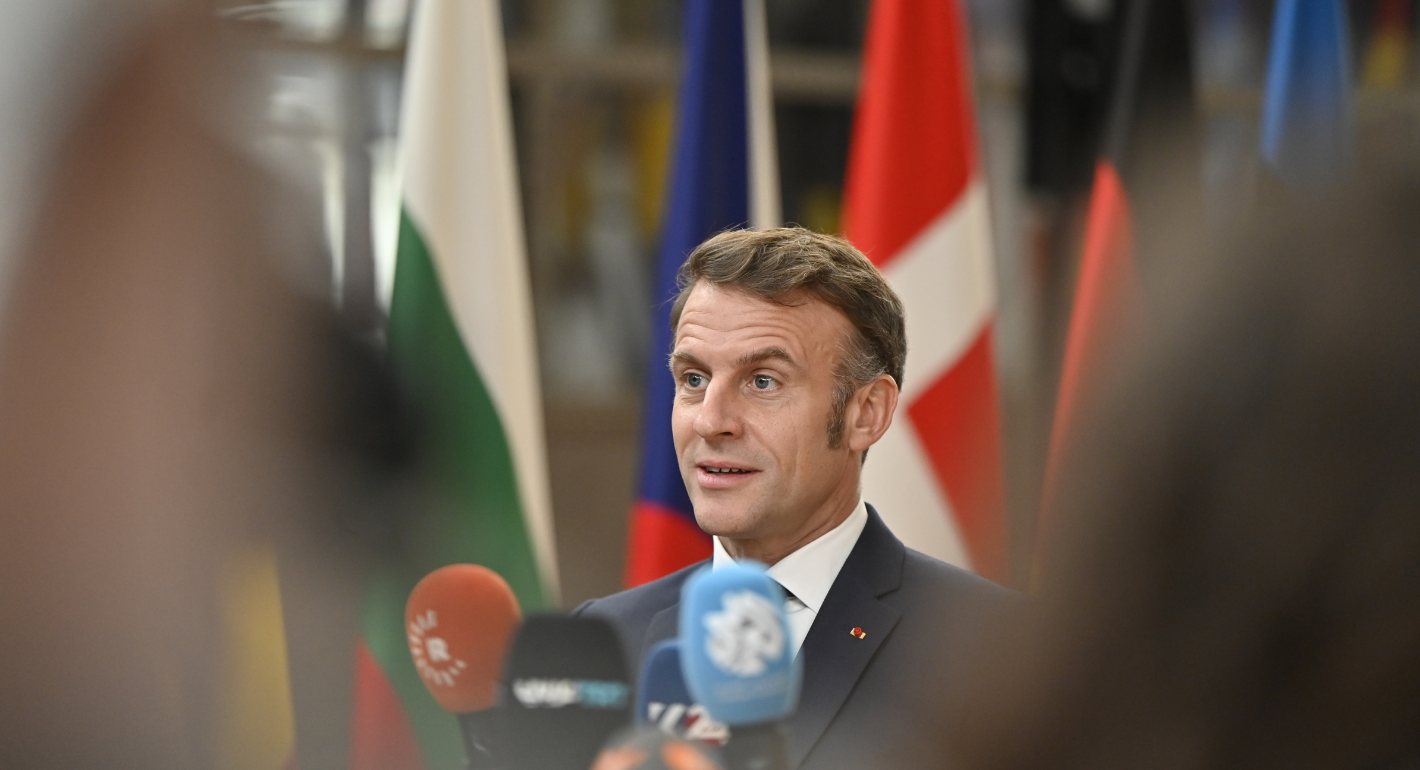
France has stopped clinging to notions of being a great power and is embracing the middle power moment. But Emmanuel Macron has his work cut out if he is to secure his country’s global standing before his term in office ends.
Rym Momtaz
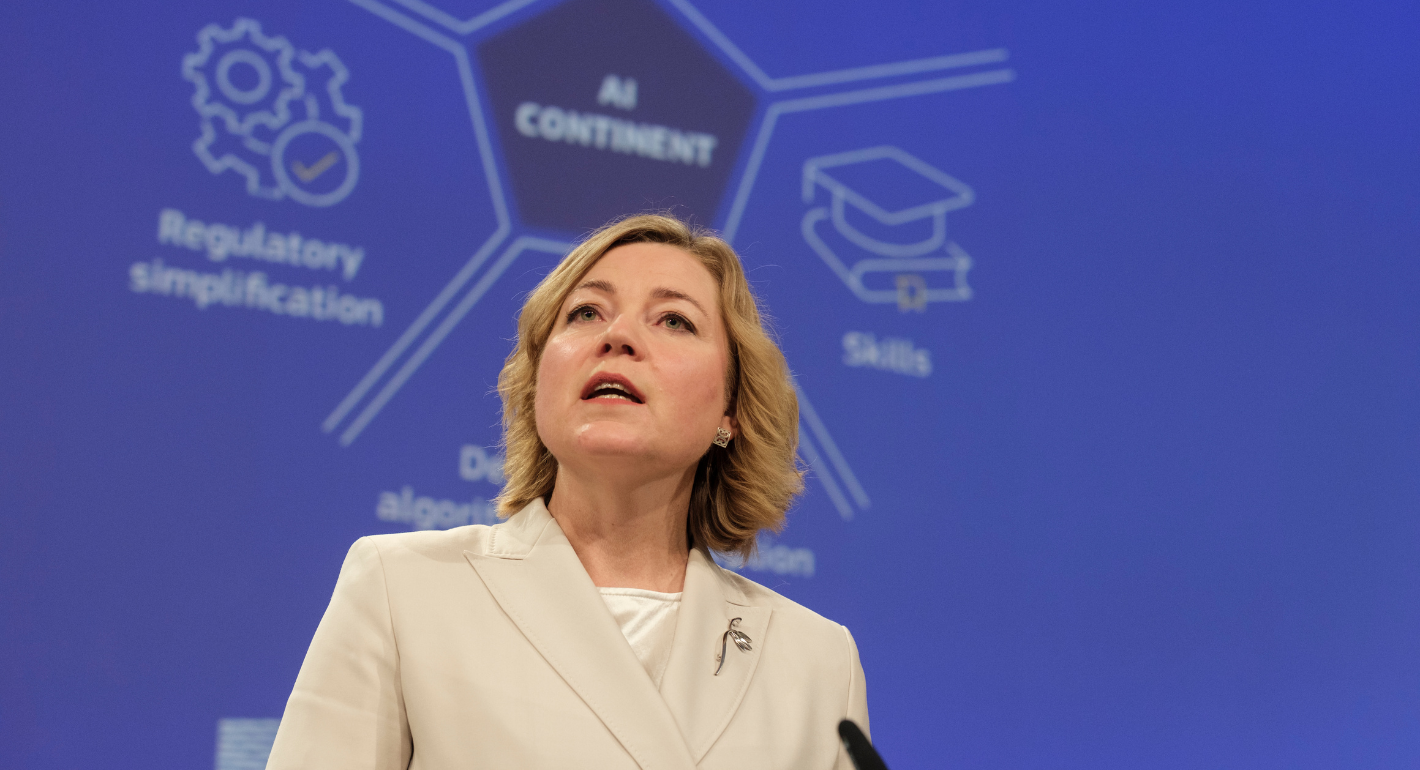
Integrating AI into the workplace will increase job insecurity, fundamentally reshaping labor markets. To anticipate and manage this transition, the EU must build public trust, provide training infrastructures, and establish social protections.

Amanda Coakley