These days, Europe is a place where uncertainty seems to be the norm. Regional differences over how to deal with Russia are fast becoming enduring rifts, with fissures emerging across Europe’s political map. While this fragmentation could be blamed in part on the renationalization of politics across the continent, the most potent external factor is the resurgence of Russia and Europe’s inability to reach a consensus on how to respond to Moscow’s ambitions.
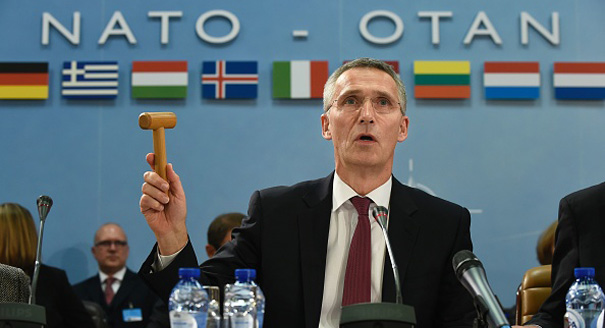
Russia’s pressure along NATO’s Eastern flank has generated different threat perceptions across Europe, and it continues to test the limits of allied solidarity. NATO’s response has so far addressed only partly the military dimension of this challenge, and absent a larger strategy, the current regime of rotational exercises and deployments may prove to be a temporary fix.
Europe’s internal divisions over how to respond to Russia’s challenge have stoked national resentments and reawakened historical narratives thought by many to be a thing of the past. This is bad news for NATO, for if this trend accelerates, there is a risk that the larger commitment to collective defense will be called into question.
So far, the debate over how to deal with Russia has not moved beyond the immediate need to augment deterrence and strengthen NATO defenses, and even this has been constrained by competing priorities and limited resources. NATO has not fully articulated the political dimension of its Russia strategy, for condemnations and expressions of outrage do not make it any more likely for Russia to return Crimea, which it annexed in March 2014, to Ukraine or terminate its operations in Syria.
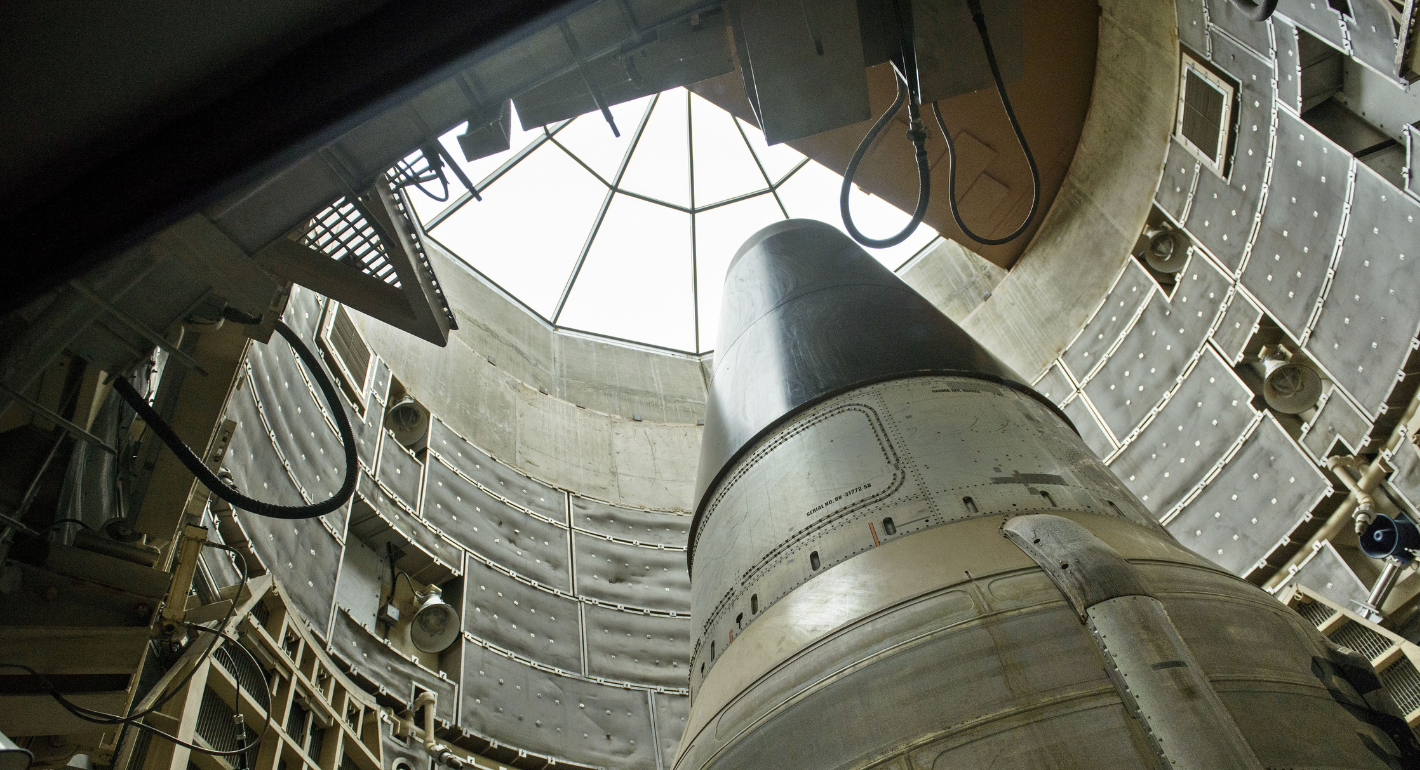
NATO is facing a revanchist regime in Moscow that is determined to pursue its objectives with all the levers of power at its disposal, including its increasingly capable military. Since President Vladimir Putin came to office, Russia has sought to reclaim a sphere of privileged interest along its periphery, heightening the risk that a confrontation between NATO and Russia could escalate into an all-out war, even if by miscalculation. Hence, NATO needs a strategy that is not simply reactive but that realistically weighs the national interests of the West against those of Russia to avoid extreme scenarios.
It falls to the United States, as the largest NATO member and a country that provides 70 percent of the alliance’s budget and three-quarters of its capabilities, to outline the parameters of such a strategy.
The next U.S. administration should ask why NATO’s response to Russia’s resurgence since 2014 has not fundamentally altered Moscow’s course of action. In fact, the West’s sanctions regime and Washington’s European Reassurance Initiative seem to have had the opposite result of what was intended. Russia’s increased deployments in the exclave of Kaliningrad and in Crimea constitute a direct challenge to NATO’s ability to operate in the Baltic and the Black Sea. Russia’s presence in Syria has also impacted on NATO’s operation in the Eastern Mediterranean. And Russian pressure and influence has increased in Moldova and the Western Balkans as well as in Central Asia.
This changing strategic landscape continues to rattle the European allies, with recent turbulence in Turkey compounding the problem. In January 2017, the incoming U.S. administration will inherit a relationship with Russia that, if anything, will be tenser still than in the immediate aftermath of the Russian seizure of Crimea. What’s more, the European allies are ever less unified in their collective response to Putin’s adventures.
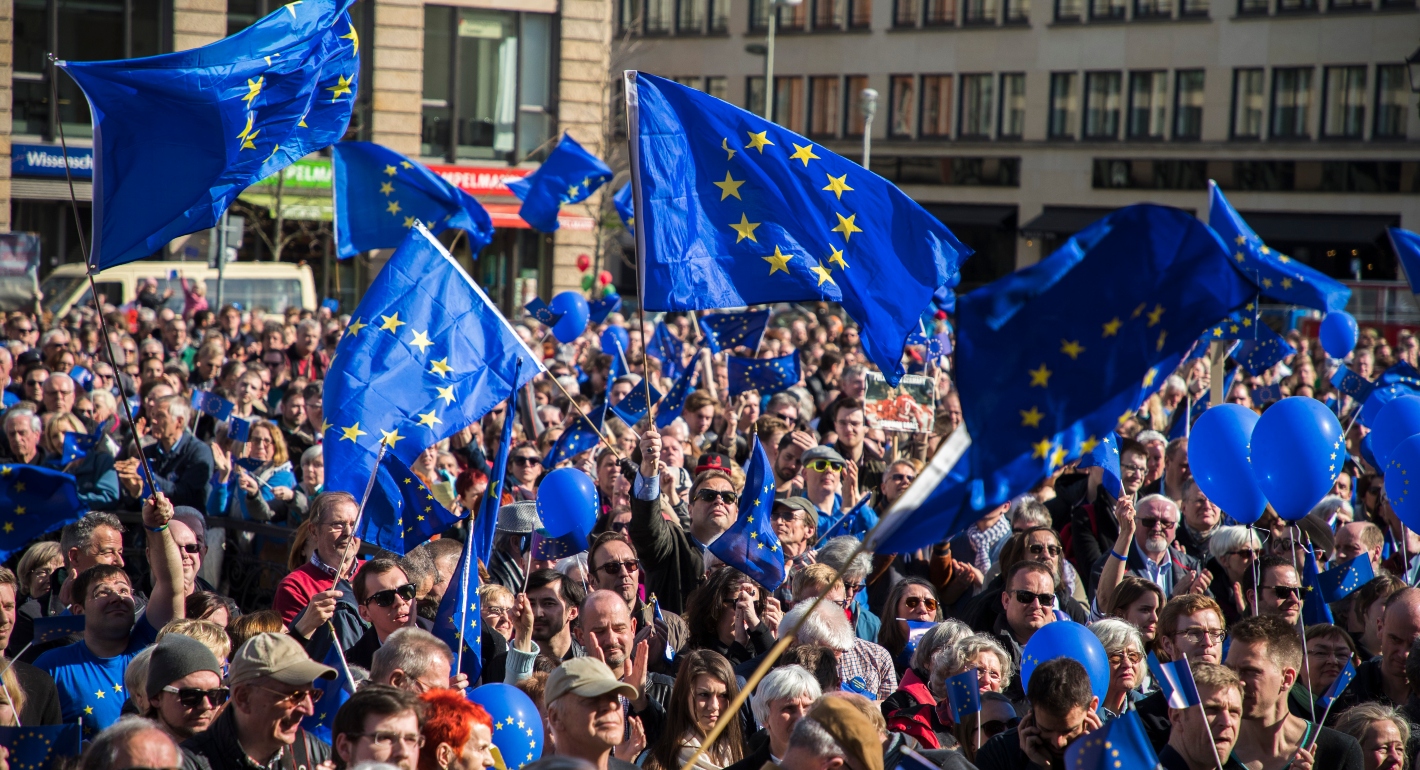
In this context, the clustering among EU members and the regionalization of security should send a warning to Washington, for they show the absence of consensus on what the core parameters for NATO’s strategy vis-à-vis Russia should be. The current trend toward fragmentation is not strictly a matter of resources, even though Europe continues to significantly underspend on defense. If an agreement on the objectives of any future Russia strategy can be reached, with over $1 trillion in combined defense spending and a population of over 700 million, NATO will have more than enough power to deter Russia.
Preaching either containment or détente will take NATO only so far. For an enduring consensus to emerge within the alliance, a realistic assessment is needed of how far the United States and its allies should go in confronting Russia, and where a degree of compromise with Moscow could be reached. A NATO consensus on Russia requires not only firmness on core U.S. values but also a willingness to think of the long-term implications for U.S. interests worldwide if trends continue on their current trajectory.
Putin has played a weak hand well, while the United States and Europe have struggled despite having a much stronger deck. The next U.S. administration needs to recognize that although it operates from a position of relative strength vis-à-vis Russia, the lack of consensus in Europe remains a key obstacle to crafting a workable strategy.
Andrew A. Michta is the dean of the College of International and Security Studies at the George C. Marshall European Center for Security Studies. Views expressed here are his own.