

Commentary
Peter Kellner
{
  "authors": [
    "Peter Kellner"
  ],
  "type": "commentary",
  "blog": "Strategic Europe",
  "centerAffiliationAll": "",
  "centers": [
    "Carnegie Endowment for International Peace",
    "Carnegie Europe"
  ],
  "collections": [
    "EU Integration and Enlargement",
    "Brexit and UK Politics"
  ],
  "englishNewsletterAll": "",
  "nonEnglishNewsletterAll": "",
  "primaryCenter": "Carnegie Europe",
  "programAffiliation": "",
  "programs": [],
  "projects": [],
  "regions": [
    "Europe",
    "Western Europe",
    "United Kingdom"
  ],
  "topics": [
    "EU",
    "Political Reform"
  ]
}
Source: Getty
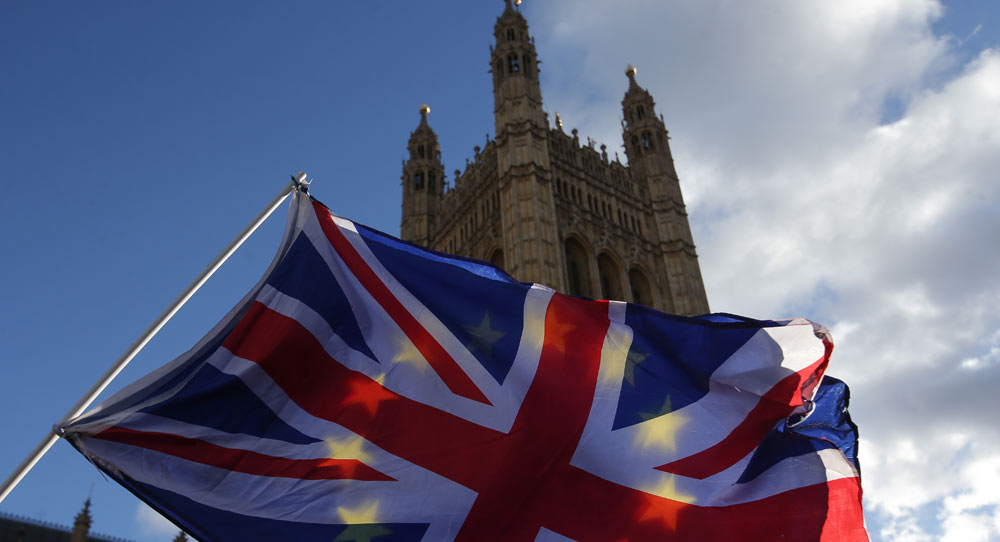
Theresa May has persuaded the EU to move to the next round of Brexit talks. Now she must decide which promises to break.
As the cliché goes, the can has been kicked down the road. However, following the recent deal to move on to the next stage of Brexit talks, we now know the shape of the can and the map of the road.
The can is the Irish border. Could it become the EU’s only external border that remains entirely open? Norway and Switzerland have signed up to single market rules, but there are still customs checks for traders crossing from Norway to Sweden or from Switzerland to France. Turkey has signed up to a number of the EU’s customs union rules; yet this has not stopped Bulgaria, its EU neighbor, from building a border fence with coils of razor wire.
In the agreement unveiled on Friday morning, the UK “remains committed to protecting North-South cooperation and to its guarantee of avoiding a hard border. Any future arrangements must be compatible with these overarching requirements.” Note the word “overarching.” This suggests that the avoidance of a hard border is an absolute precondition of a deal on the UK’s future relationship with the EU. If anything has to give, it will be something else. But what is that something else? Friday’s agreement does not say.
This brings us to the map of the road. As we travel down it over the next few months, we shall come to a fork. At that point, a choice must be made. If the “overarching” commitment to an open border is to be maintained, Northern Ireland must abide by the EU’s customs union and single market rules. The question Britain’s government will then face is whether mainland Britain also abides by those rules (which would stop the UK designing its own future regulations and external trade deals), or operates under different rules from Northern Ireland (which would break the promise to Ulster’s Democratic Unionist Party to do no such thing).
Friday’s agreement fudges this issue. It says that “the United Kingdom’s intention is to achieve these objectives [an open border with Ireland] through the overall EU-UK relationship.” It goes on to imply that, if all else fails, the whole of the UK will abide by EU rules; but does so in legally imprecise language that leaves room for other interpretations: “In the absence of agreed solutions, the United Kingdom will maintain full alignment with those rules of the internal market and the customs union which, now or in the future, support North-South cooperation, the all-island economy, and the protection of the 1998 Agreement.”
What pro-Brexit ministers are suggesting is that, outside the EU, the UK has the power to design its own rules (on product standards, labor laws, state aid for companies, and so on) but will use that power to achieve much the same ends as EU rules (at least in those areas relevant to trade across the Irish border), and so avoid the need for border checks.
The trouble is that virtually nobody outside the pro-Brexit faction of Theresa May’s cabinet believes that such an outcome is either possible or desirable. Oddly, this is one issue on which hardline Leave campaigners and pro-EU enthusiasts agree. To a number of backbench Conservative MPs, the main reason for leaving the EU is to enable the UK to escape the burden of “Brussels red tape” and have far fewer regulations—not simply mimic EU objectives using different words.
To Remain campaigners, the arguments in favor of common rules is compelling for an open, trading country such as the UK; but if we are to have common rules, we should keep our say in how they are designed and enforced—which means staying in the EU with a voice and a vote at the table. “Regulatory equivalence,” the vogue, vague term of the past few days, offers neither true freedom in London nor real influence in Brussels.
At some point in the next few months, the UK will reach the fork in the road. The government will have to decide what promise to break: its “overarching” commitment to an open North-South Irish border, or its opposition to an East-West border between Ulster and the British mainland, or its determination to “take back control” of the UK’s laws by leaving the customs union and the single market.
Most of Britain’s business community hope, and a number of Brexiteers fear, that the UK will end up either in the customs union and single market, or aligning its rules so closely that it will make little day-to-day difference to the UK’s relations with the outside world, from trading arrangements to freedom of movement.
How will the Brexiteers then respond? Michael Gove, arguably the most articulate pro-Leave voice in the Cabinet, provided an important clue in an article in the Telegraph: “I’ve always believed that we should show the maximum flexibility in this negotiating phase so we can then exercise the maximum freedom as a nation at the end… The British people will be in control. If the British people dislike the agreement that we have negotiated with the EU, the agreement will allow a future government to diverge.”
Implicit in that remark is the possibility that the UK will negotiate a “soft” Brexit of the type Gove and other Leave campaigners don’t want. The UK would technically leave the single market and customs union, but would behave as if it remained signed up to both. Such an outcome would banish any idea of a bonfire of tiresome red tape, or a severe clampdown on immigration, or the conversion of the UK into a European equivalent of buccaneering Singapore.
In effect, Gove is saying to his fellow Brexiteers: “Pipe down. Don’t complain about the likely deal, however many concessions we appear to make to the rest of the EU. We can overturn all these things later. All that matters is that we get to March 2019 and make sure we really do leave the EU. Once we are out, we can then tell Brussels to get lost. But if we kick up a fuss now, as people like Nigel Farage are doing, then the danger is that we shall end up not leaving the EU at all.”
Michel Barnier and his colleagues should beware if they want an agreement with the UK that will stick in the long term. In the end, they won’t be able to stop a hostile, Gove-style government tearing up whatever deal is reached next year (if, indeed, a deal is reached at all). What they can do is make sure that a future British government would pay a heavy price, in terms of the UK’s credibility and credit-worthiness, were it to abrogate a Brexit agreement just a few years after signing it.
Much, then, hangs on the decisions the UK takes next year, when it reaches the Irish-border fork in the road. But the story will not end there. As Gove’s intervention makes clear, there may well be further forks in the road after that.
Former Nonresident Scholar, Carnegie Europe
Kellner was a nonresident scholar at Carnegie Europe, where his research focused on Brexit, populism, and electoral democracy.
Recent Work
Peter Kellner
Peter Kellner
Carnegie does not take institutional positions on public policy issues; the views represented herein are those of the author(s) and do not necessarily reflect the views of Carnegie, its staff, or its trustees.

The EU is putting together a new security strategy to meet today’s myriad challenges. But for any proposal to be effective, the union needs to grapple with its identity and ambitions.

Pierre Vimont

The EU’s new migration policy is not suited to today’s realities. With climate change increasingly becoming a driver of displacement, Europe needs to rethink its deterrence-focused approach.

Shana Tabak
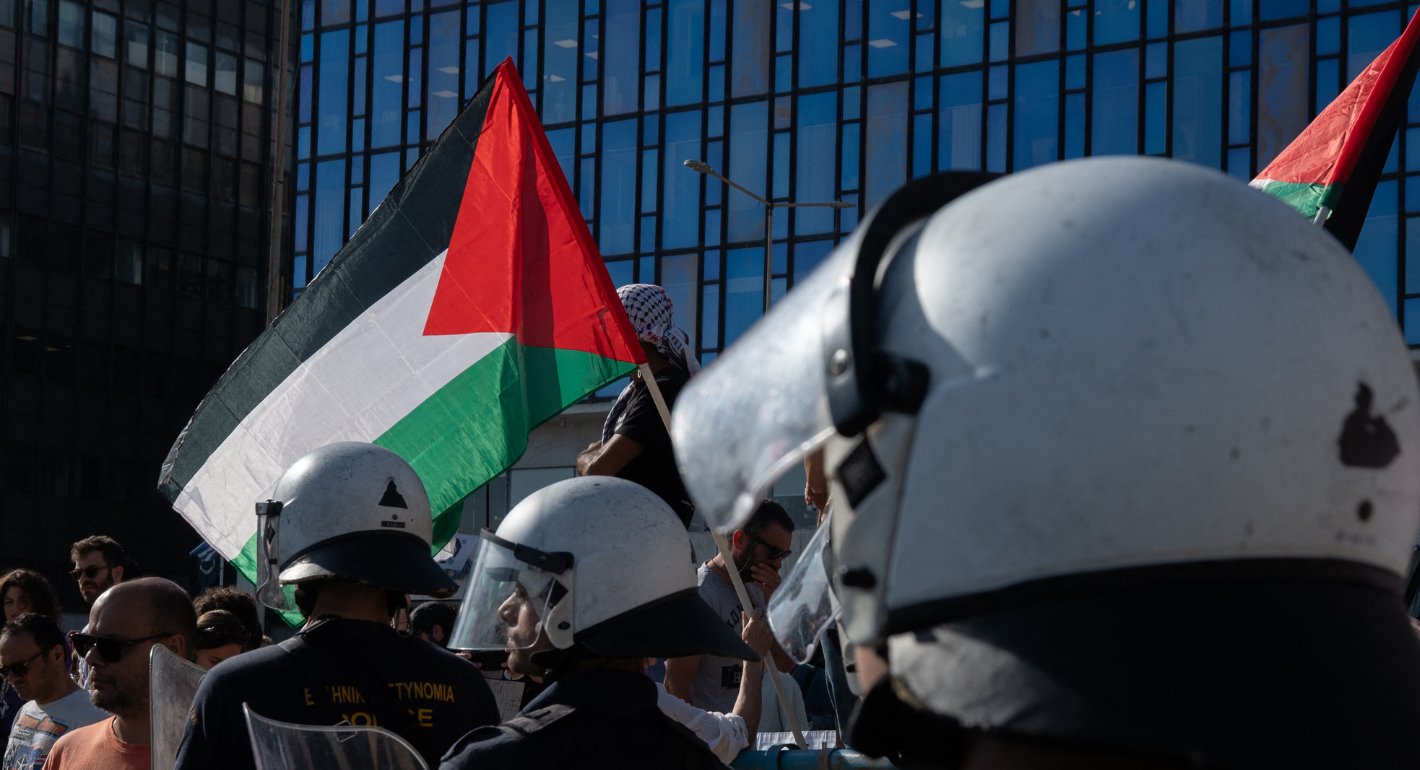
The battle over free speech has taken center stage since U.S. Vice President JD Vance accused Europe of censorship. From travel bans to social media regulation, especially around the Israel-Palestine conflict, are liberal democratic governments weaponizing free speech?

Rym Momtaz, ed.
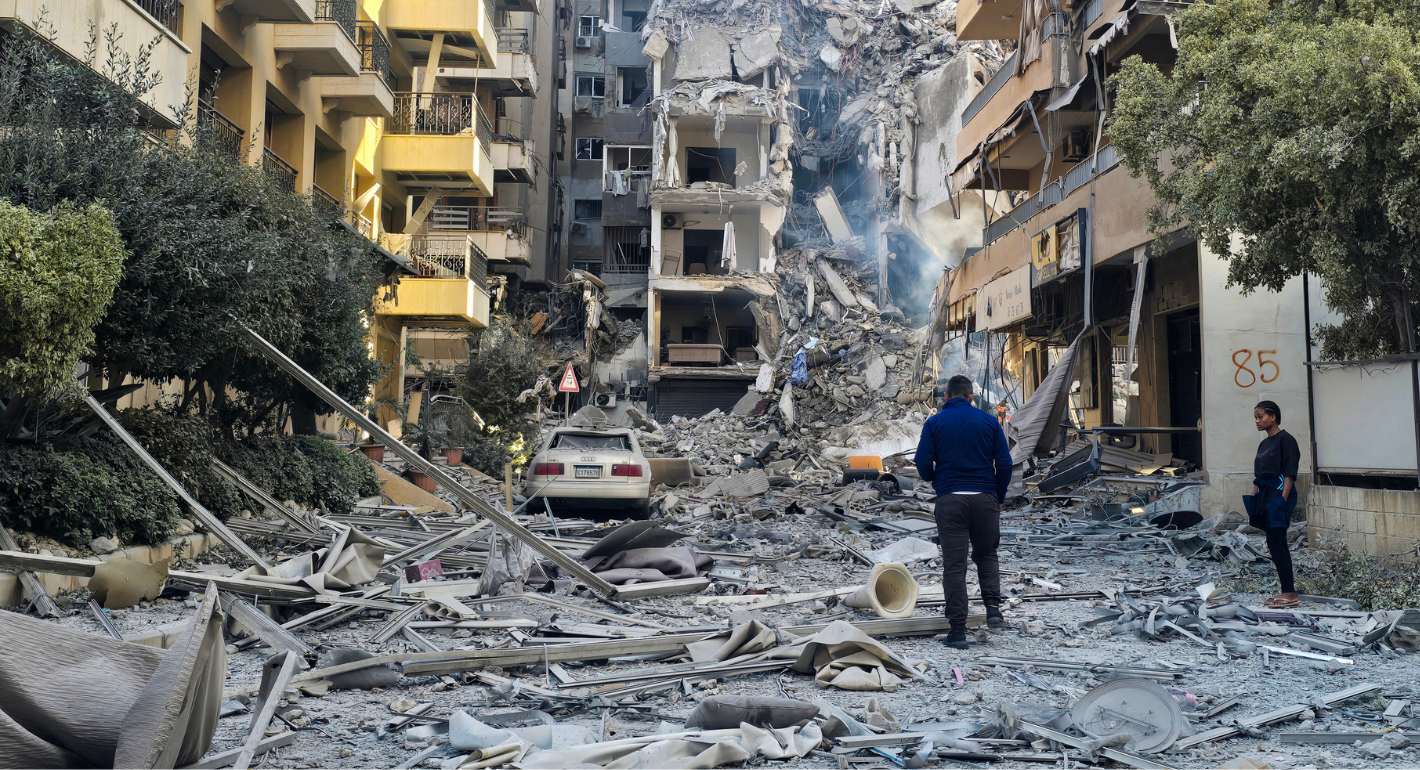
Europe seems to have accepted its sidelining in the Middle East. The EU must reassert its support for the international rules-based order and step up engagement.
Rym Momtaz
Amid uncertainty caused by the Iran war, the global drive for nonproliferation has stalled. With Europe diplomatically marginalized and countries reassessing their nuclear options, efforts to curb the spread of nuclear weapons risk becoming irrelevant.

Jane Darby Menton