

Commentary
Gwendolyn Sasse
{
  "authors": [
    "Gwendolyn Sasse"
  ],
  "type": "commentary",
  "blog": "Strategic Europe",
  "centerAffiliationAll": "",
  "centers": [
    "Carnegie Endowment for International Peace",
    "Carnegie Europe"
  ],
  "collections": [
    "Europe’s Eastern Neighborhood"
  ],
  "englishNewsletterAll": "",
  "nonEnglishNewsletterAll": "",
  "primaryCenter": "Carnegie Europe",
  "programAffiliation": "",
  "programs": [],
  "projects": [],
  "regions": [
    "Europe",
    "Eastern Europe",
    "Belarus",
    "Russia"
  ],
  "topics": [
    "Foreign Policy",
    "Democracy",
    "Political Reform",
    "EU"
  ]
}
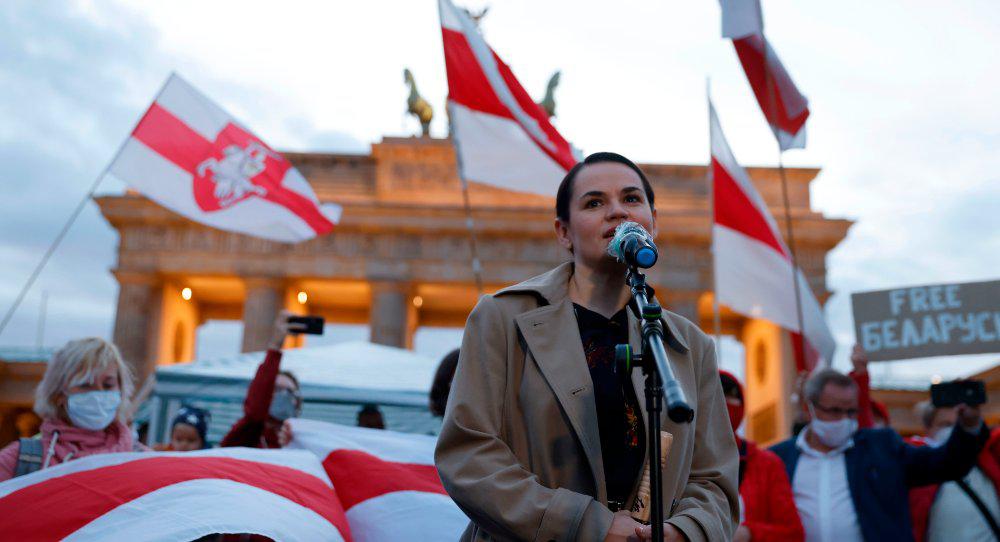
Source: Getty
President Lukashenko’s meeting with imprisoned opposition members could be consequential for Belarus. Meanwhile, the EU and especially Germany must keep diplomatic channels open to both Minsk and Moscow.
For the past nine weeks, Belarusian society has maintained peaceful mass protests against President Alexander Lukashenko, who clings to power after rigging the presidential election on August 9, 2020.
Lukashenko had ruled out any dialogue and relied exclusively on the violent repression of protests by his security apparatus and, ultimately, on the political support of Russian President Vladimir Putin.
The dynamics could now change. On October 10, Lukashenko made a noteworthy attempt to signal the onset of a new phase in the standoff between state and society: Belarusian state television, staffed by journalists from Russia after the original team of journalists quit, published images and quotes documenting a meeting held by Lukashenko with a group of detained individuals in a jail controlled by the security services.According to official reports, the meeting lasted for four and a half hours and addressed the possibility of a constitutional reform process.
As the information about the meeting is limited, it is impossible to know whether it represents a genuine attempt on the part of Lukashenko to pave the way toward a negotiated transition. However, in the current situation, even the slightest shift in position can be consequential.
Irrespective of Lukashenko’s own strategy and attempt to control the story, the public broadcast of his visit to a high-security prison sends important signals: it acknowledges the fact that the regime has detained political prisoners rather than just “criminals”—as they have been labeled by the regime to date. It also signals at least a degree of recognition on the part of Lukashenko that repression alone will not be sufficient to break the new societal consensus in Belarus.
The sequencing of the prison visit, followed by yet another increase in the level of regime violence against protesters a day later and the simultaneous release of two political prisoners, suggests that Lukashenko’s primary strategy now seems to be aimed at breaking the protesters’ resolve through a variety of means.
Lukashenko may still believe that he can control the process, but the famous “king’s dilemma,” according to which the leader engaging in reforms ultimately becomes obsolete, has also edged a little closer.
Maria Kolesnikova, the most prominent member of the presidium of the Coordination Council, which was established by the opposition after August 9 to hold new elections and ensure the transfer of power, was not among the political prisoners Lukashenko met. But Viktor Babariko, the ex-banker who had been banned from running in the presidential election, was.
Kolesnikova had coordinated Babariko’s election campaign before stepping into the political void herself alongside presidential candidate Svetlana Tikhanovskaya. As recently as September, Kolesnikova was planning to establish a new opposition party with Babariko. It will be of critical importance whether the publicly most visible figures behind the protests continue to act in a unified manner or if strategic or ideological splits emerge.
During her visit to Berlin on October 5–6, Tikhanovskaya said that although she had previously made the start of negotiations with representatives of the regime conditional upon the release of all political prisoners, she and others would now be open to a different kind of sequencing if the negotiations could map a path toward new elections.
Tikhanovskaya and the Coordination Council may have to make difficult choices in the coming weeks to test if Lukashenko or elites loyal to him are willing to embark on serious negotiations to get out of the current stalemate.
The EU struggled to generate a consensus on sanctions targeting selected individuals to hold them responsible for electoral manipulation and subsequent violent repression of protesters. The sanctions’ impact on the actual situation on the ground has been limited. In response to the continued violence, the EU is currently discussing an extension of the sanctions: further elites, possibly Lukashenko himself, could be added to the list of travel bans and asset freezes.
Individual EU countries, especially Lithuania and Poland, have gone further by implementing bilateral sanctions and support for asylum seekers and civil society. In response, Lukashenko requested that both countries reduce their diplomatic presence in Minsk, leading to the Lithuanian and Polish ambassadors being recalled. By now, eight European countries, including Germany and the United Kingdom, have temporarily recalled their ambassadors to Belarus in solidarity.
A reduction in staff belongs to the standard diplomatic toolbox. However, this is the moment for international diplomacy, and Germany’s role continues to be critical. It is possible that Putin has forced Lukashenko to test the waters for a political dialogue in Belarus.
That’s why having ambassadors on the ground and back-channel contacts like German Chancellor Angela Merkel’s phone calls to Putin could still be among the decisive factors leading to a negotiated power transition and new elections in Belarus.
Gwendolyn Sasse is a nonresident senior fellow at Carnegie Europe and director of the Centre for East European and International Studies (ZOiS) in Berlin.
Nonresident Senior Fellow, Carnegie Europe
Gwendolyn Sasse is a nonresident senior fellow at Carnegie Europe. Her research focuses on Eastern Europe, with a particular focus on Ukrainian politics and society, EU enlargement, and comparative democratization.
Recent Work
Gwendolyn Sasse
Gwendolyn Sasse
Carnegie does not take institutional positions on public policy issues; the views represented herein are those of the author(s) and do not necessarily reflect the views of Carnegie, its staff, or its trustees.
Following Ursula von der Leyen’s gaffe equating Turkey to Russia and China, relations with Ankara risk deteriorating even further. Without better, more consistent diplomatic messaging, how can the EU pretend to be a geopolitical power?

Sinan Ülgen
Closer EU-UK ties could help address urgent European concerns. But is the EU ready for rapprochement with the United Kingdom?

Rym Momtaz, ed.
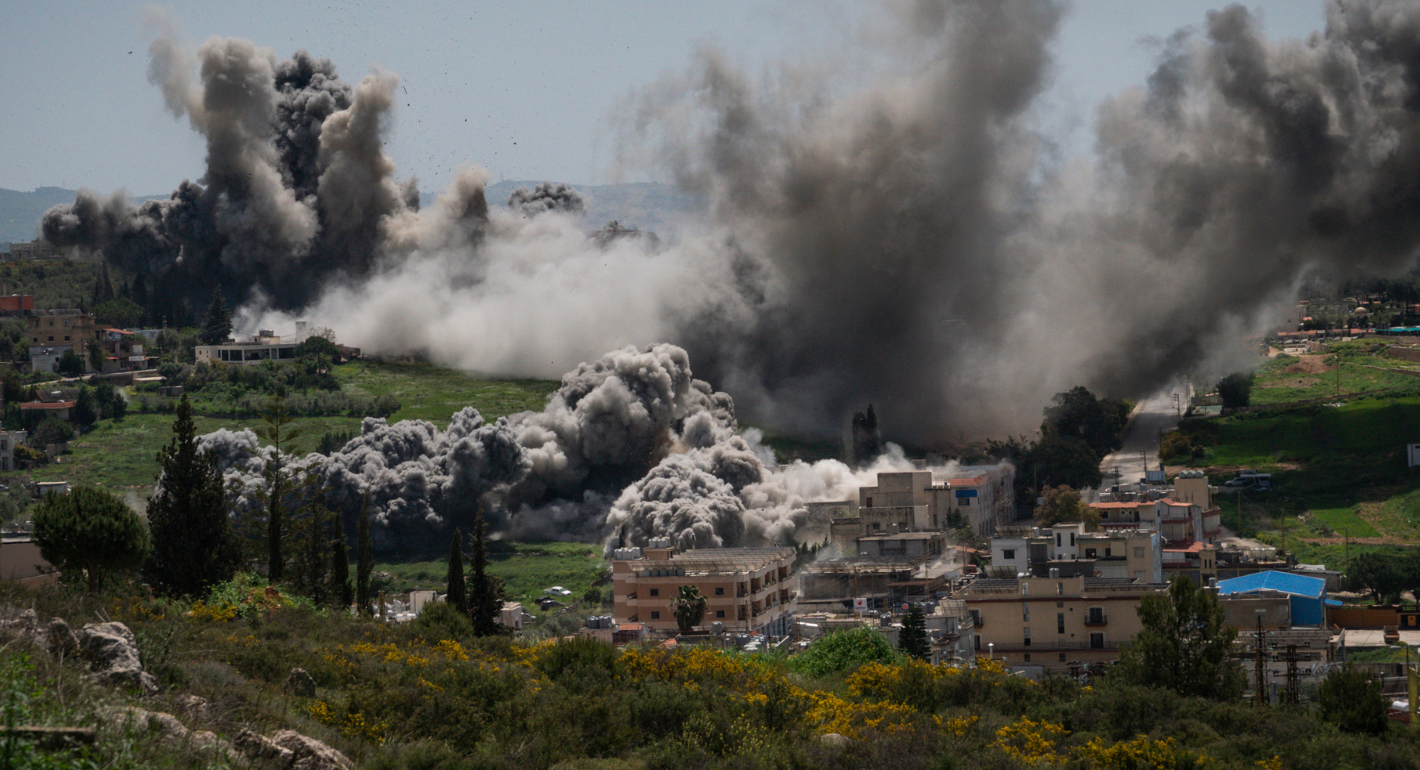
Europe has been standing by while its Southern neighborhood is being redrawn by force. To establish a path to peace between Israel and Lebanon, it’s time for Europeans to get involved with hard power.
Rym Momtaz
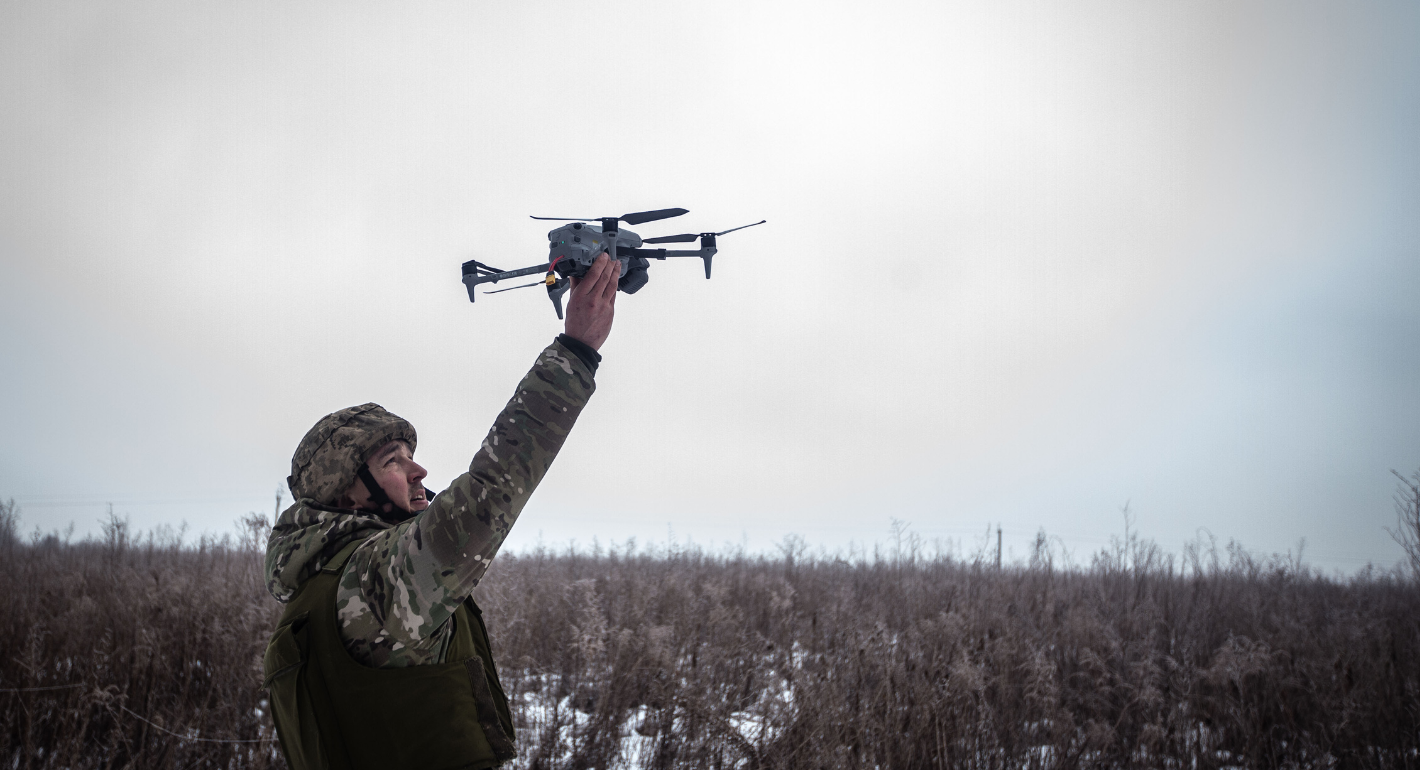
In Ukraine, Gaza, and Iran, AI warfare has come to dominate, with barely any oversight or accountability. Europe must lead the charge on the responsible use of new military technologies.

Raluca Csernatoni
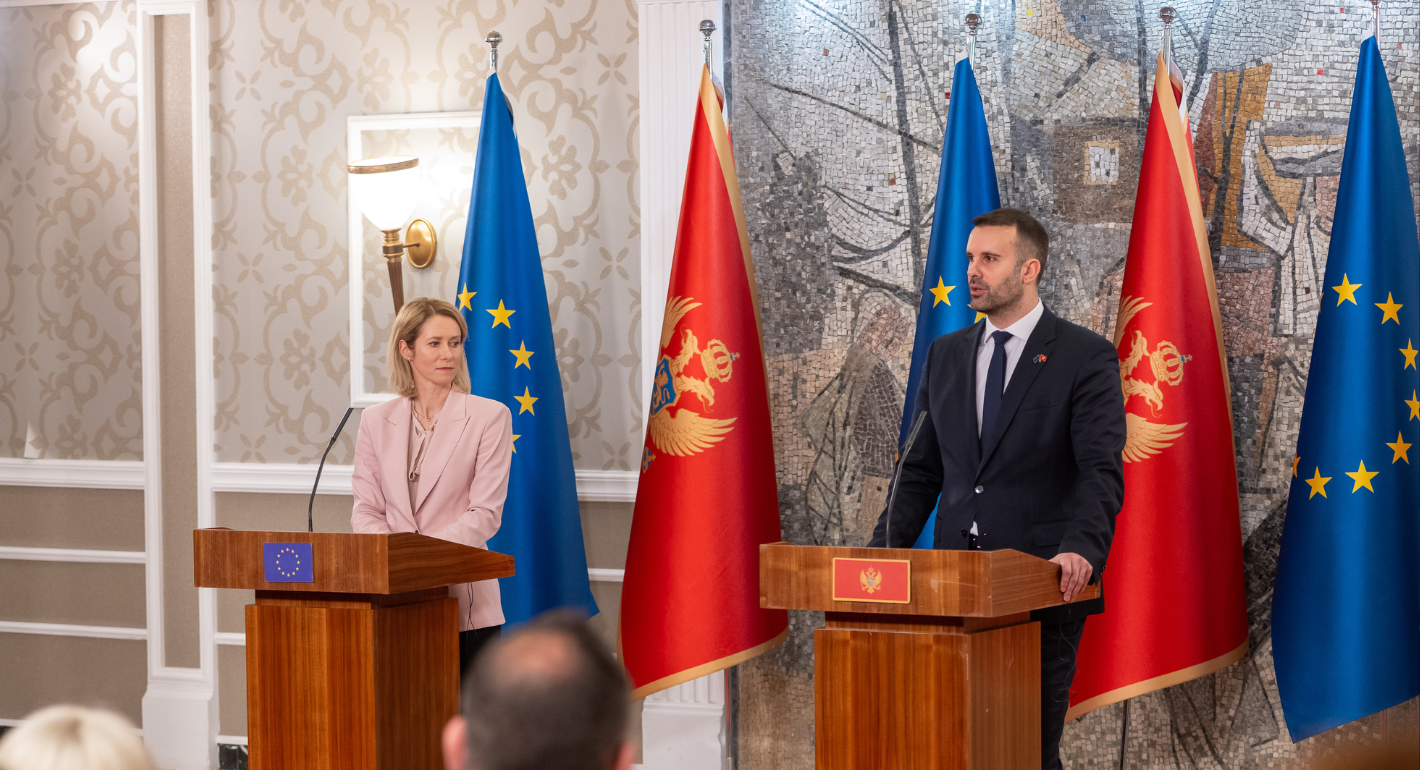
Montenegro and Albania are frontrunners for EU enlargement in the Western Balkans, but they can’t just sit back and wait. To meet their 2030 accession ambitions, they must make a strong positive case.


Dimitar Bechev, Iliriana Gjoni