

{
  "authors": [
    "Martin Kimani",
    "Bruno Stagno Ugarte",
    "Allison Lombardo",
    "Stewart Patrick"
  ],
  "type": "event",
  "centerAffiliationAll": "dc",
  "centers": [
    "Carnegie Endowment for International Peace"
  ],
  "collections": [
    "The Post-American World"
  ],
  "englishNewsletterAll": "ctw",
  "nonEnglishNewsletterAll": "",
  "primaryCenter": "Carnegie Endowment for International Peace",
  "programAffiliation": "GOI",
  "programs": [
    "Global Order and Institutions"
  ],
  "projects": [],
  "regions": [],
  "topics": [
    "Global Governance",
    "United Nations"
  ]
}
The UN Without the United States: The Impact of U.S. Retreat on Global Human Rights
Wed, December 10th, 2025
Live Online
Invalid video URL
The Trump revolution in U.S. foreign policy has upended the global human rights regime. Within its first two weeks in office, the Trump administration withdrew the United States from the Human Rights Council and imposed sanctions on the International Criminal Court. Its subsequent foreign assistance cuts fell heavily on U.S. funded democracy, human rights, and governance programs. Many diplomats covering these issues have since been dismissed, and the annual U.S. human rights reports have been both truncated and reframed to shield allies and condemn adversaries. Secretary of State Marco Rubio has declared his intent to rebalance U.S. foreign policy to advance national interests and "core values," and has said it is time to refocus American diplomacy on "natural rights” grounded in traditional Western conceptions of core freedoms.
These “America First” shifts are reverberating internationally, including at the United Nations. They have deprived the world body of one of its most ardent—if often selective —champions of human rights, as well as of financial resources. To be sure, the issue of human rights has often bedeviled U.S.-UN relations, given the United States’ traditional elevation of civil and political over economic, social, and cultural rights. But the American retreat from leadership threatens to accelerate the erosion of global human rights norms and the existing multilateral architecture created to defend them, particularly in the context of surging authoritarianism, geopolitical rivalry, and the global humanitarian crisis.
How much does this shift in U.S. leadership matter to the international human rights regime? How might it change the definition of and respect for global norms? What countries may step into the void left by the United States, and how? Will the human rights approaches of the last eighty years need to change?
To explore these and other questions please join Stewart Patrick in conversation with Bruno Stagno Ugarte, chief advocacy officer at Human Rights Watch, Martin Kimani, president and CEO of The Africa Center, and Allison Lombardo, former U.S. deputy assistant secretary of state for international organization affairs.
Carnegie does not take institutional positions on public policy issues; the views represented herein are those of the author(s) and do not necessarily reflect the views of Carnegie, its staff, or its trustees.
Event Speakers
Martin Kimani
President and CEO, The Africa Center
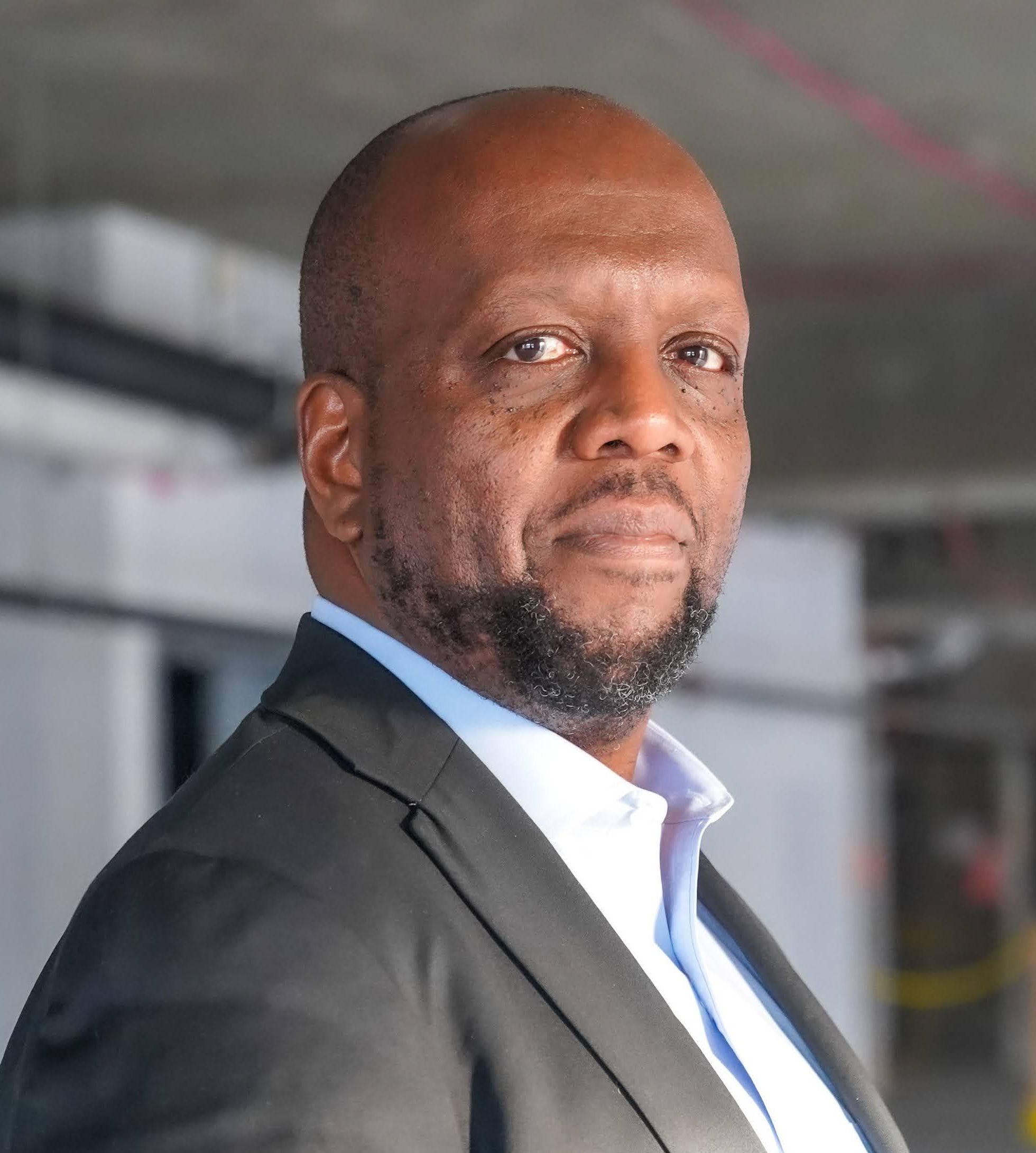
Ambassador Martin Kimani is the president and CEO of The Africa Center. He is the chair of the UN Permanent Forum on People of African Descent and serves on the Board of the International Rescue Committee.
Bruno Stagno Ugarte
Chief Advocacy Officer, Human Rights Watch
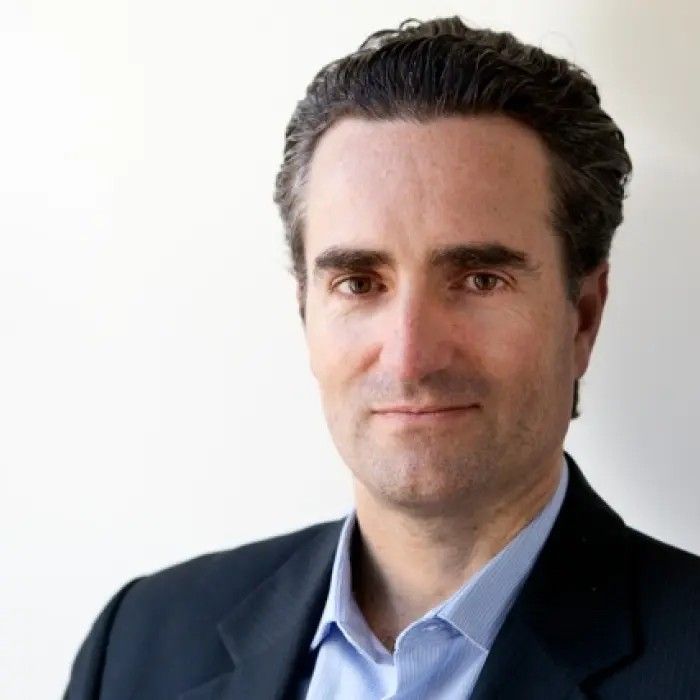
Bruno Stagno Ugarte is the chief advocacy officer at Human Rights Watch. Before joining Human Rights Watch, he was executive director of Security Council Report from 2011-2014, foreign minister of Costa Rica from 2006-2010, ambassador to the United Nations from 2002-2006 and chief of staff of the Foreign Ministry from 1998-2000, among other foreign service postings.
Allison Lombardo
Senior Associate (Non-resident), Humanitarian Agenda and Human Rights Initiative, Center for Strategic and International Studies

Allison Lombardo served as deputy assistant secretary for international organization affairs at the U.S. Department of State, with a focus on human rights and humanitarian affairs during the Biden administration from 2021 to 2025. Prior to this appointment, Ms. Lombardo was a strategy consultant at Deloitte.
Senior Fellow and Director, Global Order and Institutions Program

Stewart Patrick is a senior fellow and director of the Global Order and Institutions Program at the Carnegie Endowment for International Peace. His primary areas of research focus are the shifting foundations of world order, the future of American internationalism, and the requirements for effective multilateral cooperation on transnational challenges.