• Research
  • About
  • Experts
Carnegie India logoCarnegie lettermark logo
AI
{
  "authors": [
    "Dmitri Trenin"
  ],
  "type": "commentary",
  "centerAffiliationAll": "",
  "centers": [
    "Carnegie Endowment for International Peace",
    "Carnegie Russia Eurasia Center"
  ],
  "collections": [
    "Iranian Proliferation"
  ],
  "englishNewsletterAll": "",
  "nonEnglishNewsletterAll": "",
  "primaryCenter": "Carnegie Russia Eurasia Center",
  "programAffiliation": "",
  "programs": [],
  "projects": [],
  "regions": [
    "Middle East",
    "Türkiye",
    "Syria",
    "South Asia",
    "Afghanistan",
    "East Asia",
    "China",
    "Japan",
    "Central Asia",
    "Caucasus",
    "Russia",
    "Armenia",
    "Eastern Europe",
    "Ukraine",
    "Western Europe",
    "Germany",
    "North Korea"
  ],
  "topics": [
    "Security",
    "Foreign Policy",
    "Nuclear Policy",
    "Global Governance"
  ]
}
Source: Getty

Commentary
Carnegie Russia Eurasia Center

Eurasia in 2014

Eurasia Outlook returns in 2014 and in the months ahead it will focus on the issues that are likely to shape the future of Eurasia.

Link Copied
By Dmitri Trenin
Published on Jan 6, 2014

As 2014 begins its second week, Eurasia Outlook returns. In the months ahead, we will focus on the issues that are likely to shape the future of Eurasia.

Among them:

  • the growing international tensions which accompany the rise of China. The seemingly trivial Sino-Japanese dispute over a string of rocks in the East China Sea is not that important per se, but for what it reveals: Beijing's growing self-confidence and Tokyo's fear of Chinese domination of East Asia. The simmering Sino-Japanese conflict stokes nationalism in both countries. It already involves the United States, which finds managing China from the position of a superior power increasingly more challenging;
     
  • the situation in and around North Korea where Kim III is consolidating his grip on power. If the recent purge of Kim's uncle points to the weakening of Beijing's influence in Pyongyang, managing NK-related crises in the future looks even more difficult. The Korean Peninsula is the most dangerous potential seat of military conflict in 2014 anywhere in the world;
     
  • the increasingly messy situation in Afghanistan which will see a change of command in Kabul in the Spring and a withdrawal of at least the combat forces of the US-led coalition by the end of the year. This will be, in fact, the end of an era begun with the ouster of the Taliban in the wake of the 9/11 attacks. The Taliban will not return to power, certainly not immediately, but the situation in Afghanistan will probably become more chaotic, while a new power balance is being established within the country and Afghanistan's competing neighbors seek to adjust to a post-American Afghanistan;
     
  • the fate of the negotiation process between Washington and Tehran in 2014 will determine the geopolitical future of the Middle East. A general compromise on the Iranian nuclear issue would lead to a kind of US-Iranian interaction in the region which would upset the Israelis, the Saudis and some other Gulf states. Yet, a more normal relationship with Iran would help the US in its effort to stabilize the Middle East at the time when the continuing upheaval in the Arab world may undermine Washington's Saudi and other Gulf allies. Conversely, a failure to reach accommodation in 2014 might put the US and Iran back on a collision course;
     
  • Vladimir Putin's ambition of creating a Eurasian Union will lead to the signature of a union treaty in 2014. However, the shape and format of that union are yet to be decided. How far will integration reach among the three countries which originally formed the Customs Union: Belarus, Kazakhstan and Russia? Armenia is likely to join them very soon, but how long will it take Kyrgyzstan to accede? Most important and intriguing of all, what about Ukraine? President Viktor Yanukovych seems to have cast his lot with Moscow, but will he honor his commitment—and will he be able to hold on to power? The political crisis in Ukraine continues, with the presidential elections, scheduled for early 2015, already on the horizon;
     
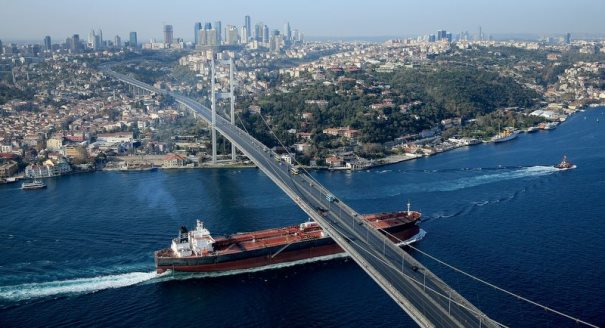
  • the past year has seen a series of domestic upheavals in Turkey, which raise the question about the future of Prime Minister Recep Tayyip Erdoğan and his AKP party, in power since 2002. Turkey also faces the need to readjust its foreign policy, which has met with a number of challenges recently, particularly in Syria and Egypt. Ankara has a very important role to play in one of the world's most volatile regions, and upgrading its strategy there will be a key factor for ending the war in Syria, preventing the collapse of Iraq, and consolidating Iran's engagement with the outside world;
     
  • as Europe prepares to mark the centenary of the war which forever destroyed its balance of power system and ushered in the Old Continent's geopolitical decline, the European Union will be grappling with a set of economic, political and ideological challenges. In 2014, a new leadership team will emerge at the helm of the EU in Brussels, and the choice of personalities may again suggest the choice of policies. More important, will leadership emerge among the Union's member states? Will Germany, Eurasia’s other great power, alongside China and Russia, finally step into that role?
     
  • across Eurasia, domestic developments in all countries will often impact decisively on their foreign policies. Eurasia Outlook will be watching the international implications of the coming change of governing party in India. We will look for signs of transitions in Central Asia's biggest countries, Kazakhstan and Uzbekistan, where the incumbent rulers, in power for two decades, are inevitably walking toward the exit from the political stage. We will look at Russia, beyond the Sochi Olympics and the G8 summit which it will host: as the country faces a multitude of challenges, decision time is coming up in a number of key areas, above all, economic policy.

As in 2013, Eurasia Outlook will offer its readers a range of views and perspectives, not always in agreement among themselves, but hopefully worth the time spent on reading the blog. We look forward, of course, to your comments and criticisms. Happy New Year to you all!

About the Author

Dmitri Trenin

Former Director, Carnegie Moscow Center

Trenin was director of the Carnegie Moscow Center from 2008 to early 2022.

    Recent Work

  • Commentary
    Mapping Russia’s New Approach to the Post-Soviet Space

      Dmitri Trenin

  • Commentary
    What a Week of Talks Between Russia and the West Revealed

      Dmitri Trenin

Dmitri Trenin
Former Director, Carnegie Moscow Center
SecurityForeign PolicyNuclear PolicyGlobal GovernanceMiddle EastTürkiyeSyriaSouth AsiaAfghanistanEast AsiaChinaJapanCentral AsiaCaucasusRussiaArmeniaEastern EuropeUkraineWestern EuropeGermanyNorth Korea

Carnegie India does not take institutional positions on public policy issues; the views represented herein are those of the author(s) and do not necessarily reflect the views of Carnegie, its staff, or its trustees.
More Work from Carnegie India

  • A Halting Turn: India’s Military Transformation
    Commentary
    A Halting Turn: India’s Military Transformation

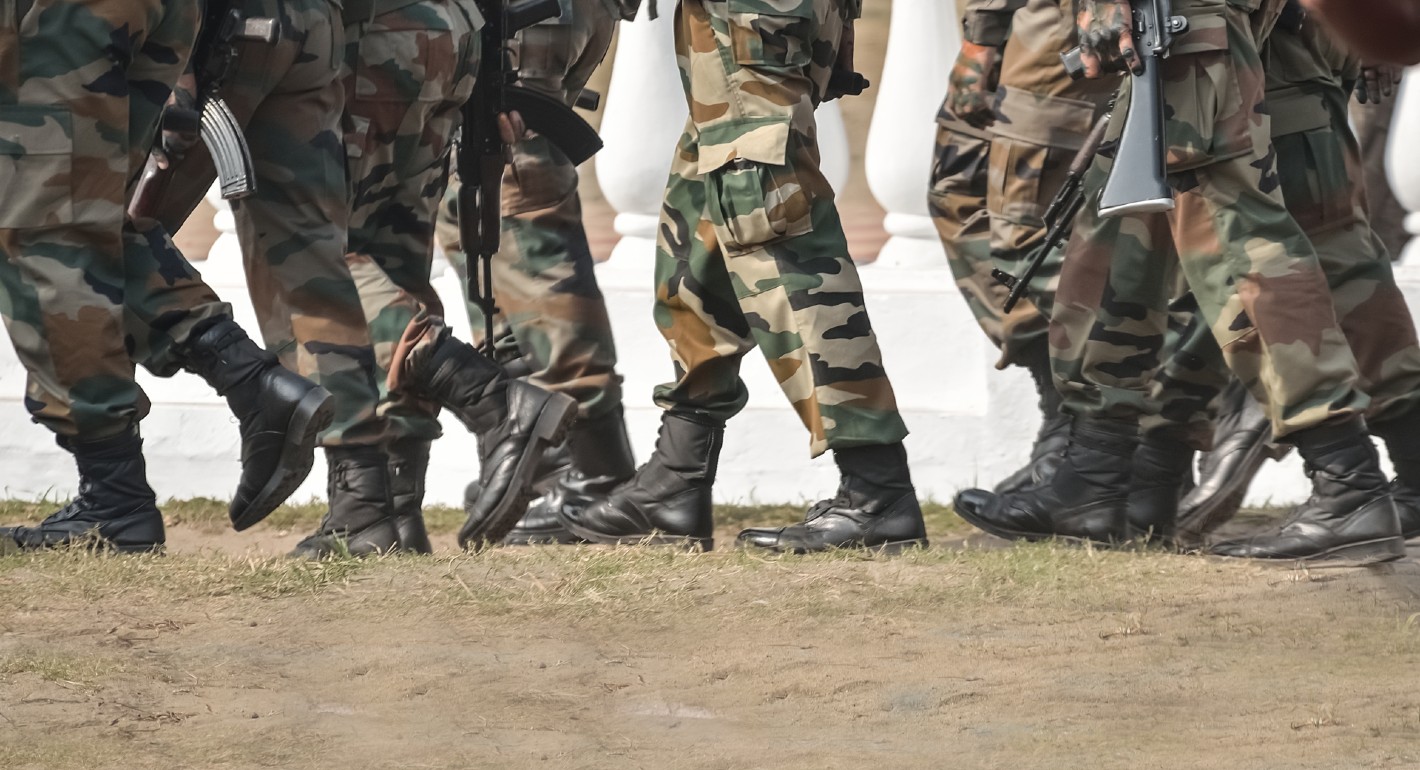
    In any defense establishment, change is an ongoing process. However, despite the best of intentions, existing bureaucracies, bound by habit and years of socialization, have their limits in implementing transformative change.
      • Anit Mukherjee

      Anit Mukherjee

  • Paper
    Threading the Needle: India’s Path Forward with China

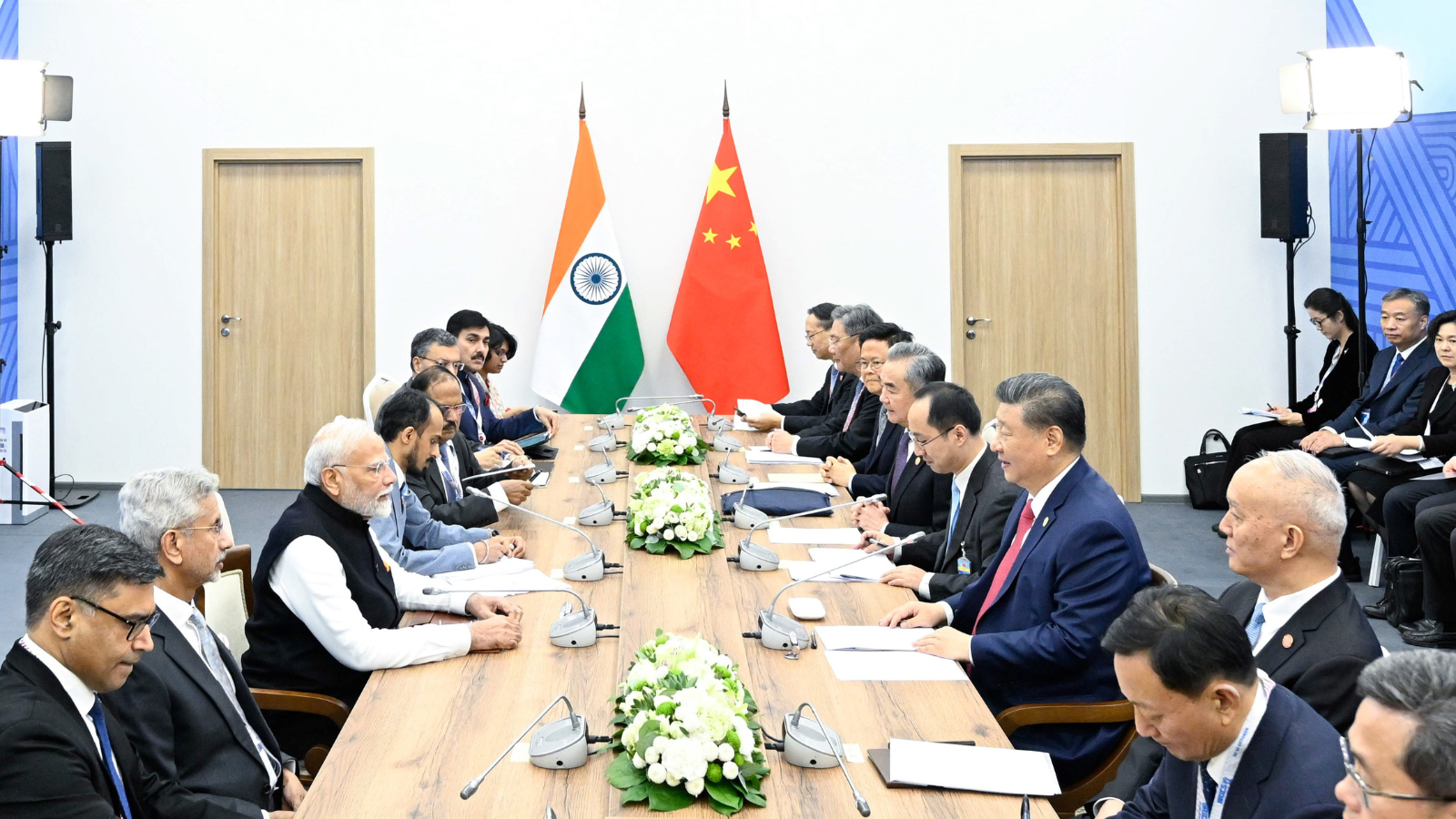
    After the chill in ties between 2020 and 2024 that brought India–China relations to their lowest point in several decades, the two countries have engaged each other afresh. This paper argues that there are predominantly four imperatives guiding India’s approach to China, and they exist in an order of priority.
      Saheb Singh Chadha

  • Article
    Managing Divergence: India’s BRICS Presidency in 2026

    This piece argues that India’s central challenge is not managing a single flashpoint but resolving the underlying tension between expansion and institutional coherency of the BRICS grouping.
      Vrinda Sahai

  • Article
    India–Africa Strategic Partnership: Challenges, Potential, and Possible Pathways

    A partnership between India, a country of subcontinental size, and Africa, a continent of fifty-four countries, may seem asymmetric until one notes that both are home to nearly the same number of people—1.4 billion. This essay spells out the existing challenges to the partnership, its optimal potential, and the possible pathways to realize it over the next quarter-century.
      Rajiv Bhatia
  • Commentary
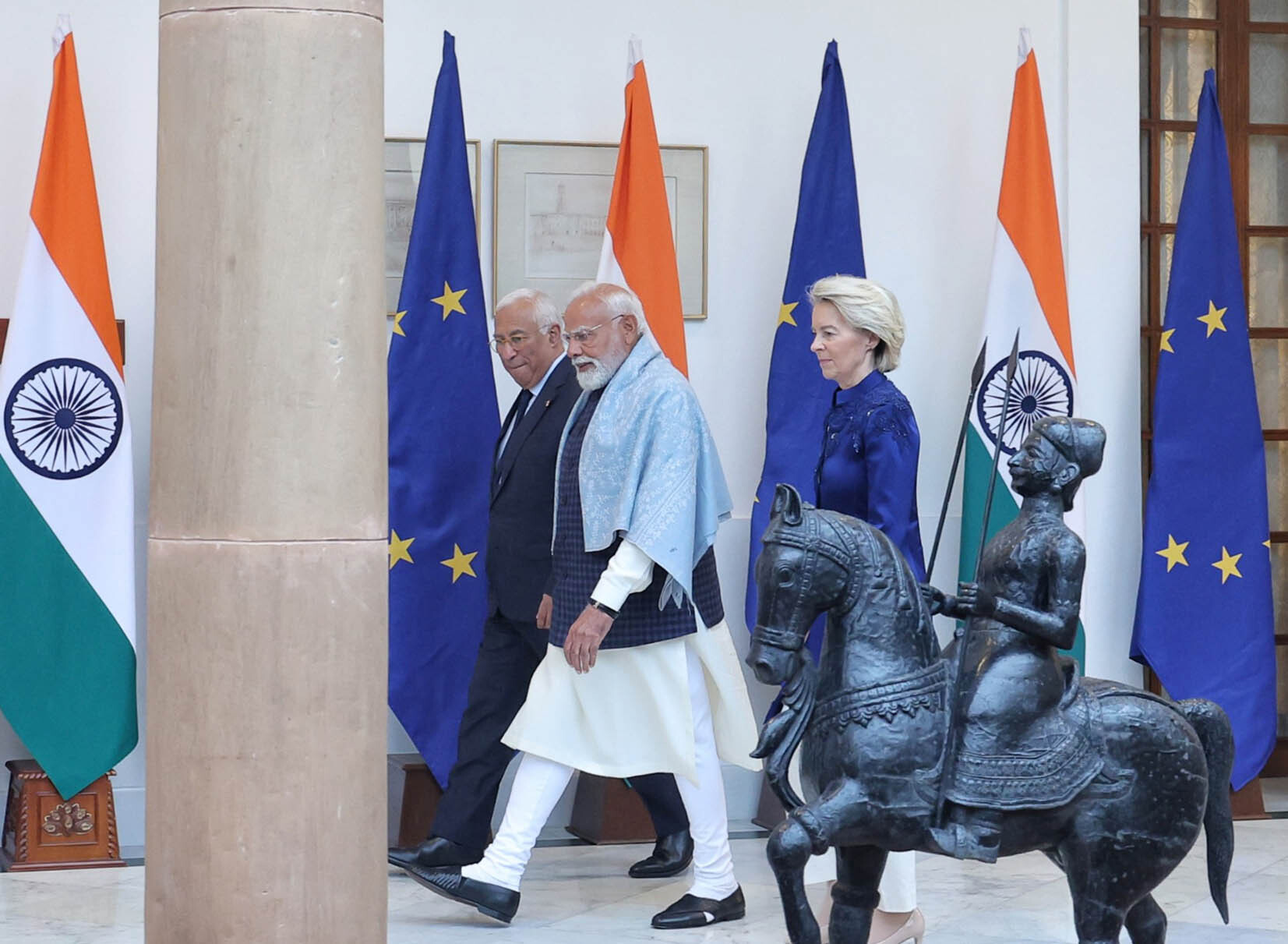
    Emerging From the “Zombie State” of Trade Agreements: The India-EU FTA

    The India–EU Free Trade Agreement (FTA) is shaping up to be one of the most consequential trade negotiations, both economically and strategically. But, what’s in the agreement, what’s missing, and what will determine its success in the years ahead

      Vrinda Sahai, Nicolas Köhler-Suzuki

Get more news and analysis from
Carnegie India
Carnegie India logo, white
Unit C-4, 5, 6, EdenparkShaheed Jeet Singh MargNew Delhi – 110016, IndiaPhone: 011-40078687
  • Research
  • About
  • Experts
  • Projects
  • Events
  • Contact
  • Careers
  • Privacy
  • For Media
Get more news and analysis from
Carnegie India
© 2026 Carnegie Endowment for International Peace. All rights reserved.