

In The Media
Josh Kurlantzick
{
  "authors": [
    "Josh Kurlantzick"
  ],
  "type": "legacyinthemedia",
  "centerAffiliationAll": "dc",
  "centers": [
    "Carnegie Endowment for International Peace"
  ],
  "collections": [],
  "englishNewsletterAll": "asia",
  "nonEnglishNewsletterAll": "",
  "primaryCenter": "Carnegie Endowment for International Peace",
  "programAffiliation": "AP",
  "programs": [
    "Asia"
  ],
  "projects": [],
  "regions": [
    "North Africa",
    "Sudan",
    "Southern, Eastern, and Western Africa",
    "China"
  ],
  "topics": [
    "Political Reform",
    "Economy",
    "Trade",
    "Security",
    "Military"
  ]
}
Source: Getty
African activists are resisting China’s growing presence in Africa, citing China’s support for autocrats like Zimbabwe’s Robert Mugabe and importation of Chinese labor as primary concerns. Western concerns about Chinese influence in Africa have nevertheless intensified.
Source: Time Magazine

Western worries about undue Chinese influence in Africa have nevertheless intensified. Though some fears are legitimate, Kurlantzick argues that many Western concerns are absurd. China’s appetite for African commodities has fueled some of Africa’s strongest growth since independence, and the West has its own ties to corrupt African regimes. Most important, however, is the fact that Beijing’s position in Africa is evolving in response to African complaints. Kurlantzick concludes that China may yet rekindle its African romance.
Click here for full text of the article

Former Visiting Scholar, China Program
A special correspondent for The New Republic, a columnist for Time, and a senior correspondent for The American Prospect, Kurlantzick assesses China’s relationship with the developing world, including Southeast Asia, Africa, and Latin America.
Recent Work
Josh Kurlantzick
Carnegie does not take institutional positions on public policy issues; the views represented herein are those of the author(s) and do not necessarily reflect the views of Carnegie, its staff, or its trustees.

Just look at Iraq in 1991.

Marwan Muasher
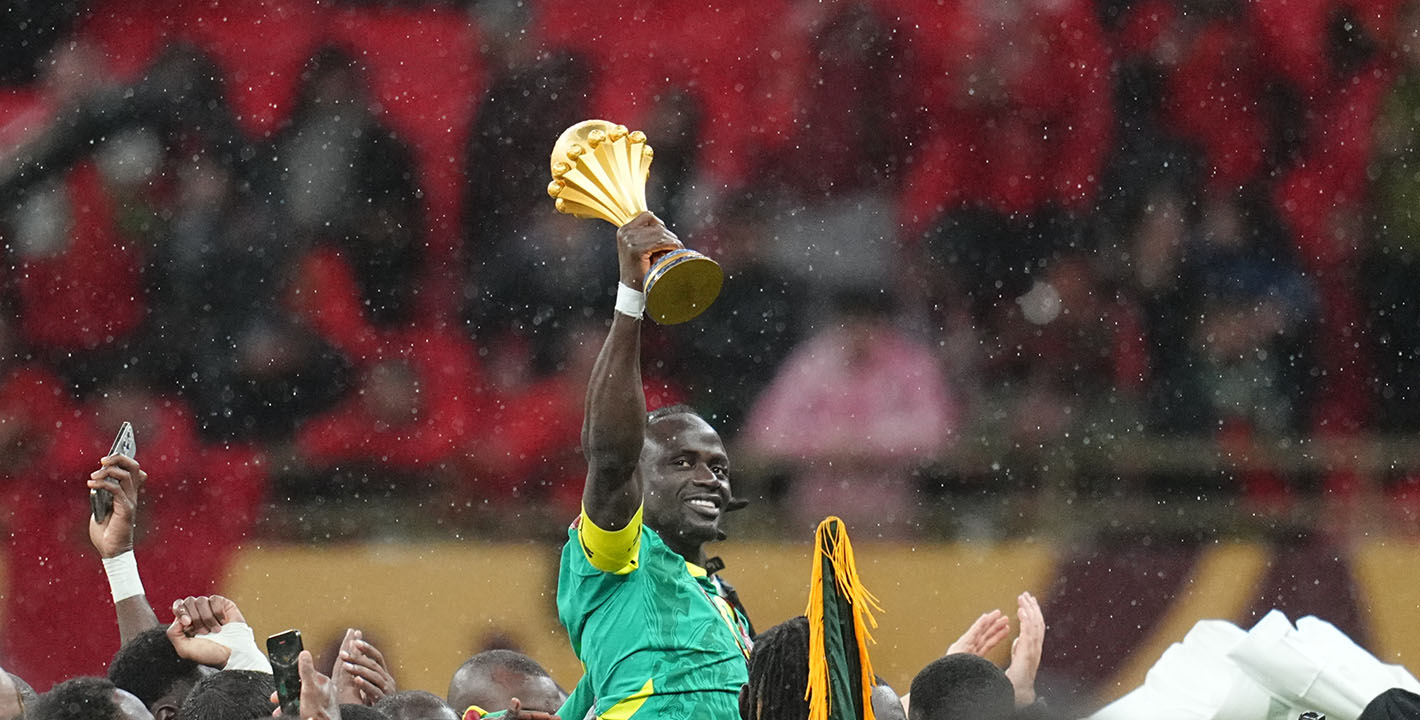
The recent African Cup of Nations tournament in Morocco touched on issues that largely transcended the sport.


Issam Kayssi, Yasmine Zarhloule

Baku may allow radical nationalists to publicly discuss “reunification” with Azeri Iranians, but the president and key officials prefer not to comment publicly on the protests in Iran.

Bashir Kitachaev
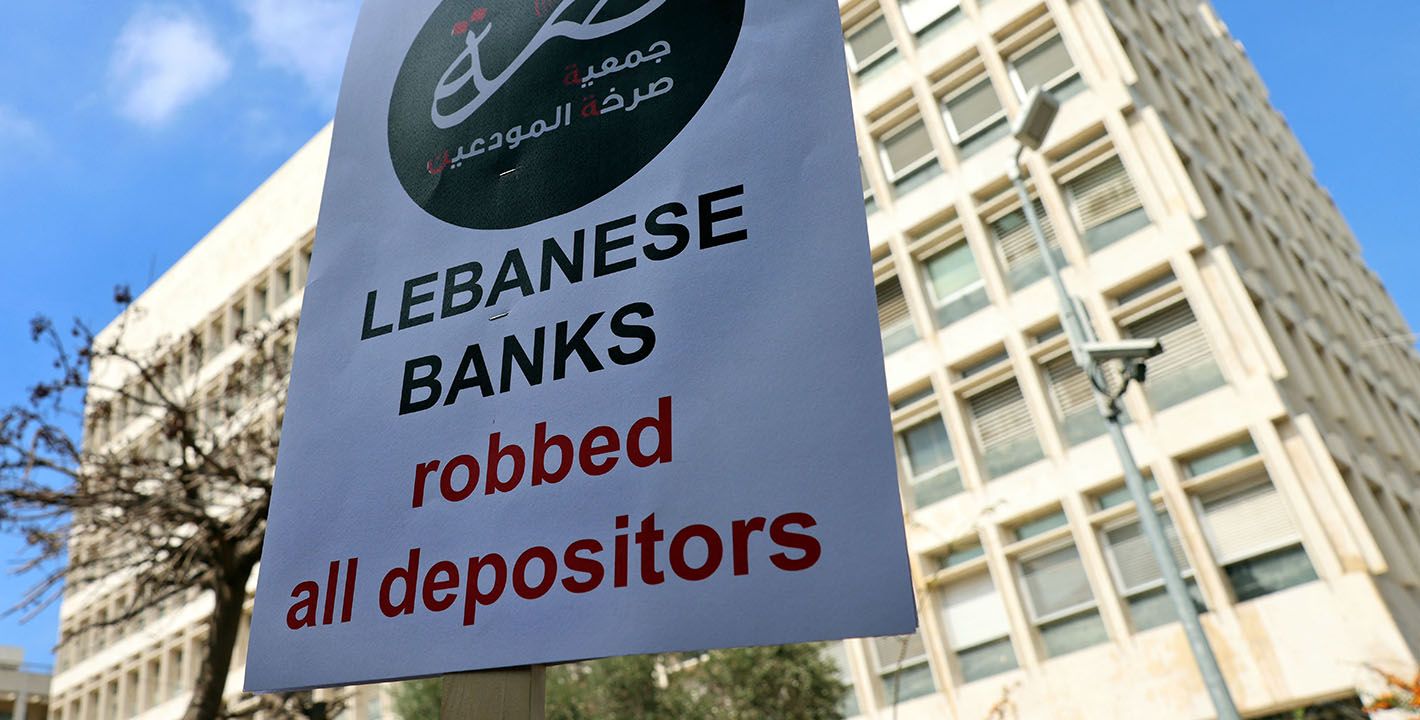
In an interview, Ishac Diwan looks at the merits and flaws in the draft legislation distributing losses from the financial collapse.

Michael Young
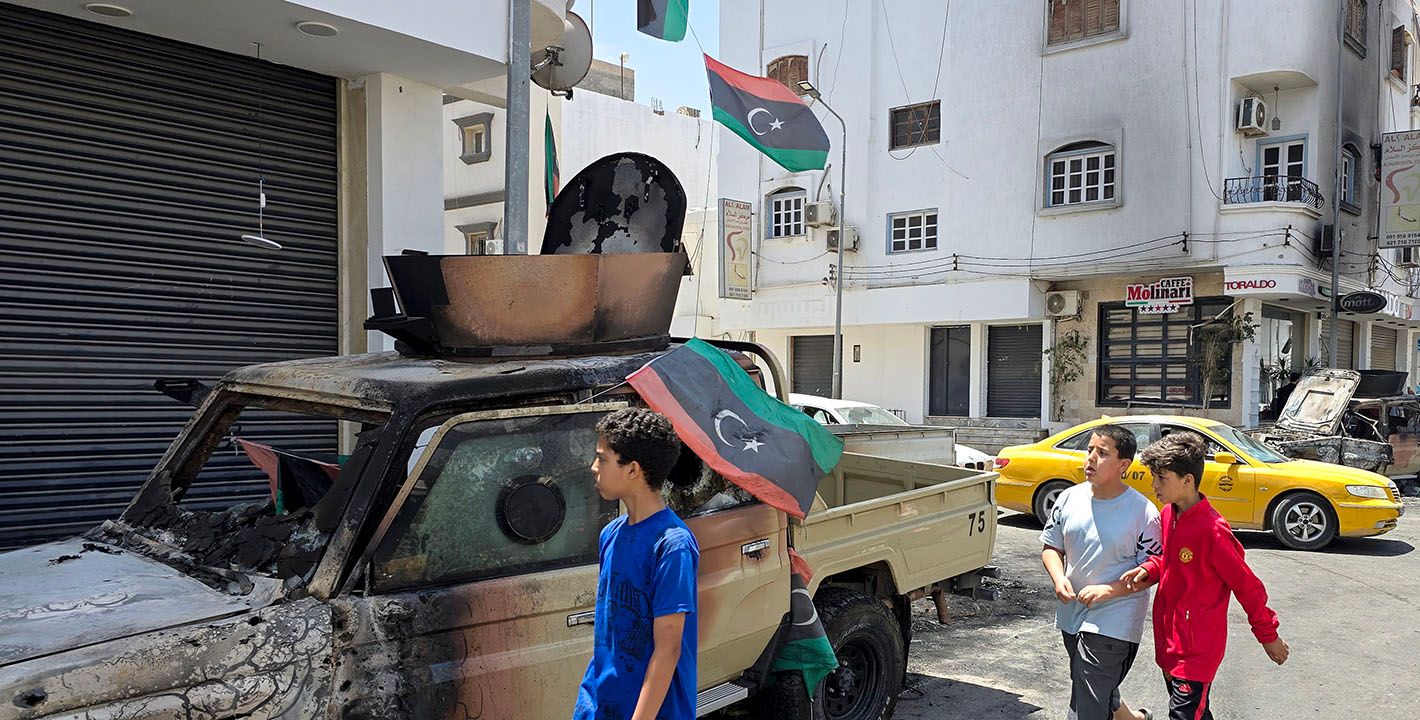
The UN Support Mission in the country should reassess its approach so that consensus between the warring parties becomes the eventual goal, rather than a procedural matter that dogs the negotiating process at every turn.
Soraya Rahem