

Commentary
In an interview, Ian Lustick and Eli Clifton discuss their new book on why a prominent ally has so much influence in America.
Michael Young
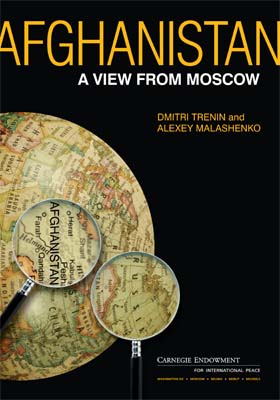
Despite its importance, Russia’s perspective on the war in Afghanistan has typically been missing from previous analyses of coalition policy. Moscow views Afghanistan largely through the prism of security threats to itself and its Central Asian neighborhood.
Despite its importance, Russia’s perspective has been missing from many previous analyses of coalition policy in Afghanistan. Dmitri Trenin and Alexey Malashenko fill that gap with a report that takes a fresh look at the coalition’s involvement in Afghanistan. They conclude that Moscow is an essential part of the Afghan equation that is often overlooked.
Russia remains cautious about becoming too involved in the conflict, but Moscow fears the prospect of instability in Central Asia and drug trafficking from Afghanistan. Russia wants to:
“Russia views Afghanistan today largely through the prism of security threats to itself and its Central Asian neighborhood, where Moscow aspires to soft dominance,” write Trenin and Malashenko.
Former Director, Carnegie Moscow Center
Trenin was director of the Carnegie Moscow Center from 2008 to early 2022.
Former Scholar in Residence, Religion, Society, and Security Program
Malashenko is a former chair of the Carnegie Moscow Center’s Religion, Society, and Security Program.
Carnegie does not take institutional positions on public policy issues; the views represented herein are those of the author(s) and do not necessarily reflect the views of Carnegie, its staff, or its trustees.

In an interview, Ian Lustick and Eli Clifton discuss their new book on why a prominent ally has so much influence in America.

Michael Young

By failing to address Palestinian representation, the current process is bound to lead to just another temporary arrangement.

Nathan J. Brown
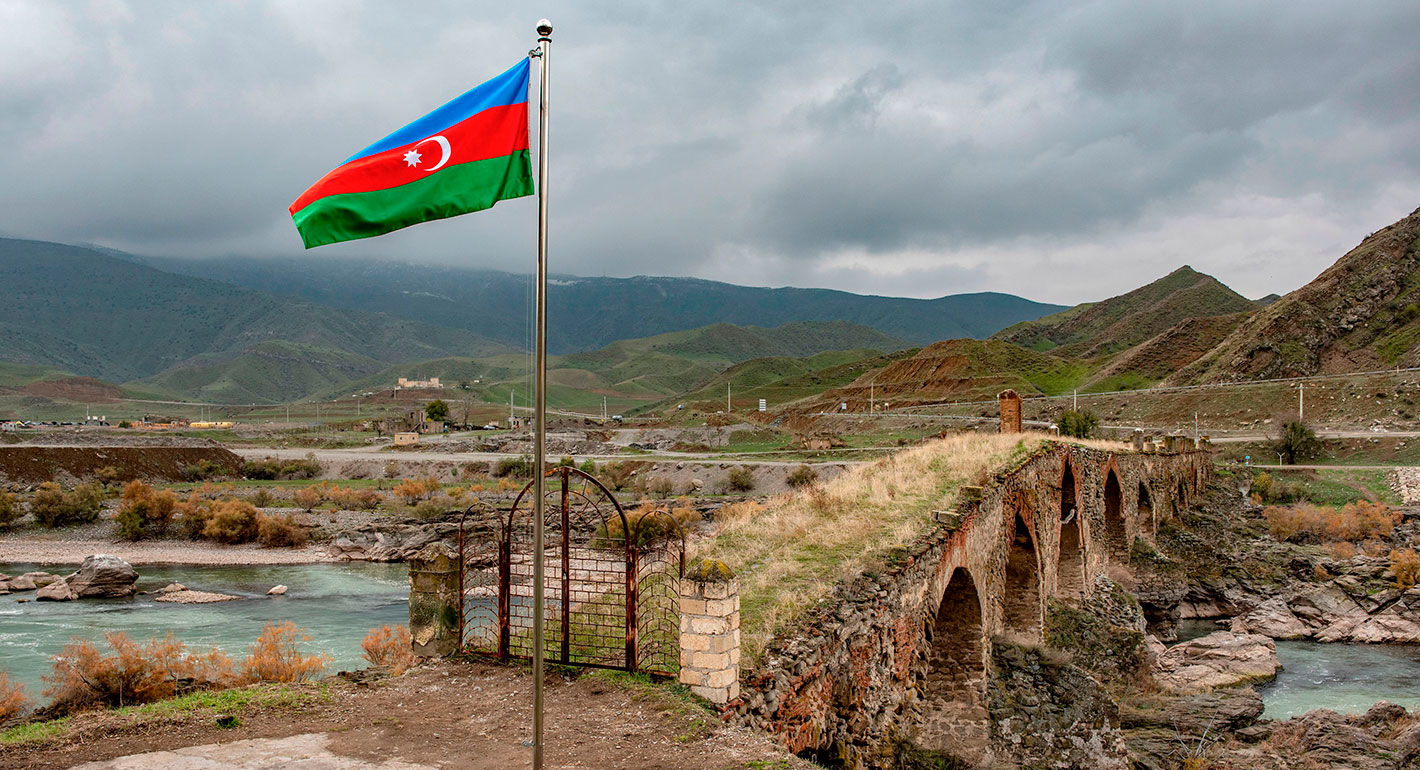
In an interview, Sergei Melkonian discusses Armenia’s and Azerbaijan’s careful balancing act among the United States, Israel, and Iran.

Armenak Tokmajyan

Just look at Iraq in 1991.

Marwan Muasher

A coalition of states is seeking to avert a U.S. attack, and Israel is in the forefront of their mind.
Michael Young