

In The Media
Lilia Shevtsova

While the "reset" in U.S.–Russian relations has come with closer cooperation on arms control, Afghanistan, and Iran, as long as Russia's system of personalized power rests on anti-Western principles, a true reset is unattainable.
Source: Washington

Is it possible to reform the Russian system from the top? Could technological innovation help Russia’s political liberalization? What are the domestic roots of Russia’s foreign policy and how sustainable is the current reset with the United States?
In Lonely Power, adapted from the Russian version, Lilia Shevtsova questions the veracity of clichés about Russia—by both insiders and outsiders—and analyzes Russia’s trajectory and how the West influences the country’s modernization.
Rejection of real reform in Russia risks gradual decay of the political system or even state collapse. Russia can break this vicious circle only if it rejects personalized power and if the West helps Russia transform economically and politically.
“Lilia Shevtsova is one of Russia's best-known political analysts, equally at home in the academic world and in the more robust exchanges of journalism and the media.”
—The Economist on the Russian version of Lonely Power
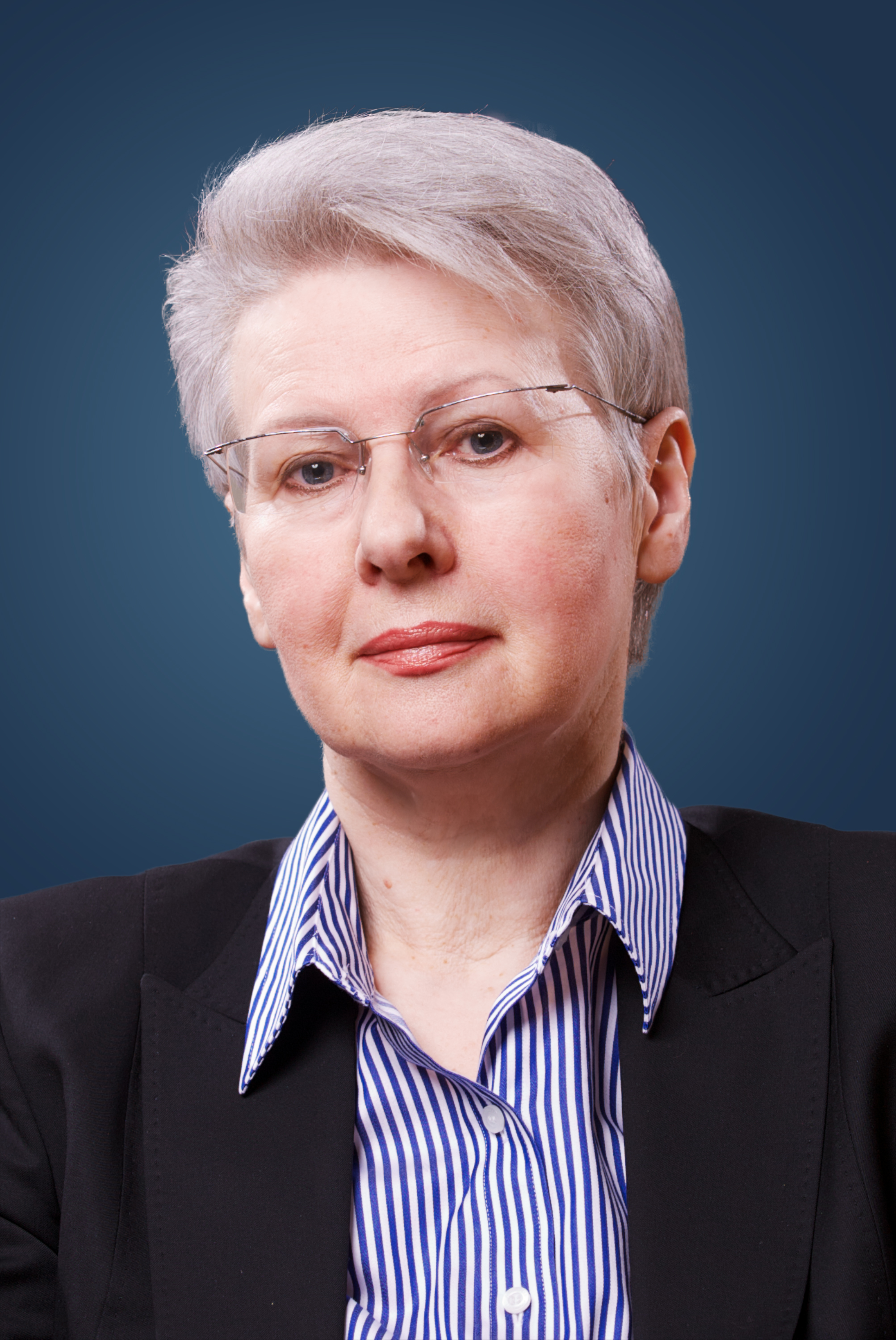
Former Senior Associate, Russian Domestic Politics and Political Institutions Program, Moscow Center
Shevtsova chaired the Russian Domestic Politics and Political Institutions Program at the Carnegie Moscow Center, dividing her time between Carnegie’s offices in Washington, DC, and Moscow. She had been with Carnegie since 1995.
Recent Work
Lilia Shevtsova
Lilia Shevtsova
Carnegie does not take institutional positions on public policy issues; the views represented herein are those of the author(s) and do not necessarily reflect the views of Carnegie, its staff, or its trustees.

By failing to address Palestinian representation, the current process is bound to lead to just another temporary arrangement.

Nathan J. Brown
In an interview, Sergei Melkonian discusses Armenia’s and Azerbaijan’s careful balancing act among the United States, Israel, and Iran.

Armenak Tokmajyan

Just look at Iraq in 1991.

Marwan Muasher

A coalition of states is seeking to avert a U.S. attack, and Israel is in the forefront of their mind.

Michael Young

Baku may allow radical nationalists to publicly discuss “reunification” with Azeri Iranians, but the president and key officials prefer not to comment publicly on the protests in Iran.

Bashir Kitachaev