

Podcast Episode
Steven Feldstein joins Jon Bateman on the world unpacked to discuss his new book, Bytes and Bullets, and explain how drones are reshaping wars from Ukraine to Sudan.
Jon Bateman, Steven Feldstein
Ambassador James B. Story most recently served as U.S. Ambassador for the Venezuela Affairs Unit, located at the United States Embassy in Bogotá, Colombia. Previously, Ambassador Story served as Chargé d’Affaires at the Venezuela Affairs Unit and, prior to mid-2019, the United States Embassy in Caracas, Venezuela.
The Trump administration apparently seeks regime change in Venezuela and may soon attack the country. But American leaders have so far refused to openly state their intentions, stifling public debate on the momentous choice ahead.
In an urgent conversation you won’t hear elsewhere, the last U.S. Ambassador to Venezuela makes a forthright case for ousting President Nicolás Maduro—with American force, if necessary.
Ambassador James Story joins The World Unpacked to argue that Venezuela isn’t Iraq or Afghanistan. Host Jon Bateman asks him tough questions about post-war security, regional blowback, and whether the U.S. has a vital interest in Venezuela.
Note: this is an AI-generated transcript and may contain errors
TWU ft James Story (AUDIO).mp3
Introduction
James Story: Getting rid of Maduro is not the hard part. Rebuilding and reinstitutionalizing the country is. I see the closest example of this is not something from Afghanistan or Iraq, but probably more along the lines of Panama.
Jon Bateman: War, revolution, they're very chaotic processes. We've failed to plan for the day after and so many other engagements like this.
James Story: The number of illegal armed groups in Venezuela is fast, it's going to be non-linear, it is going to be a little messy. Doing nothing has a massive cost. 25% of the Venezuelan population fled the country.
Jon Bateman: It's remarkable how little public discussion there is, and I'm just putting the pieces together in real time here because this is such a fast moving scenario. Ambassador James Storey, Jimmy, welcome to The World Unpacked.
James Story: Thank you so much for having me today.
Jon Bateman: You were literally the last American in Venezuela. You ran our embassy there before we were asked to leave the country. And you were the last Senate-confirmed ambassador to Venezuela under both Biden and Trump. And we're now at a moment where it feels like almost anything could happen between the United States and Venezuela. Trump has been saber-rattling. There's talk of war. There was just a dramatic seizure on the high seas of a Venezuelan tanker by U.S. Naval forces. So we're gonna talk about where this could all go, where it should go, and what kind of stakes there are for the U. S. And the world. But maybe we should just start with what's happening right now. What did you make of this tanker seizure? What does it mean?
James Story: We can certainly start here, but I'd just like to really start by saying that the Venezuelan people deserve to have their liberty, they deserve justice, they deserved to have democracy restored. They voted overwhelmingly to get rid of Maduro last year in an election that wasn't free or fair. So let's just start by recognizing what the Maduro regime really is, who they really are, and why restoring democracy and giving people hope in Venezuela is so important. So I. After saying that, we can say, well, what's happening today? And there was, as you rightly pointed out, an oil tanker recently seized a sanctioned oil tank, and it was a stateless vessel as well. If you look at the UN Convention on the Law of the Sea, stateless vessels are allowed to be boarded. You have illegal cargo that's affiliated in some way, I believe, with the IRGC in Venezuela. On a sanctioned vessel flying a Guyanese flag without that state's permission. Now, the question now is, how far does this go? Is the administration moving from a counter-narcotics piece of this puzzle to a counter export of oil piece of the puzzle, which would really be going after the economic lifeline of the Venezuelan state?
Jon Bateman: There's so many different moving parts here. You mentioned the strikes on the drug boats. And when Trump and JD Vance, Marco Rubio, when they talk about Venezuela, overwhelmingly, they're talking about drugs. And I want to take some time to talk about drugs, but the first thing you mentioned was democracy. We know Maduro is not a legitimate ruler of the nation. It's widely understood that he rigged the last election. I think there were some irregularities in the election before that. Couldn't agree more that the Venezuelan people deserve the democracy and the ruler that they voted for. But is this about democracy? Should it be about democracy?"
James Story: I think it's about five or six or seven different things. One, it should be about democracy. And why is democracy so important in Venezuela? Well, they had a robust vibrant democracy for 50 years. And with the installation, he won a free and fair election he watched how this came into power, but slowly eroded all of the elements of state. Basically undermined the ability for the state to function in any way that was directly attached to his political movement. With Maduro coming into power in 2013, it ramped up, and the state no longer really exists as a state. These are organizations that support a criminal organization, if you will, led by Maduro and company. What has happened is that 25 percent of the Venezuelan population has fled the country. Because they don't have hope. They don't they can't access government services. This was a country that had the best educational system, the best hospitals, the best infrastructure in the region and it has been beggared by 25 years of that policy and now basically by a kleptocratic, corrupt and criminal organization that's been trying to masquerade as government. So restoring democracy means that people can go home. The vast majority of Venezuelan people, they're seeking a better life, they are good people, but you have nine million people on the move across the region, that's going to be destabilizing. So it's a stabilization problem, it's democracy problem, and it's certainly a drug trafficking problem. It's also a problem that they allow the territory of Venezuela to be utilized by foreign terrorist organizations, such as the FARC, the ELN, Hezbollah, and others.
Jon Bateman: So let's pull all those threads, but sticking with democracy, the self-immolation of Venezuela, the destruction of its governance capacity, the destruction of its economy is really something to see. And if anyone has ever seen a chart of GDP per capita in Venezuela over time, it's very sad, frankly. At the same time, Donald Trump ran for president in 2016, going against the Iraq War. If we hadn't had the Iraq war and this history of failed regime change efforts, probably Jeb Bush might be president right now. I mean, to put a finer point on it, Trump just put out a new national security strategy just a few days ago. And in it, he said, we will no longer be pushing countries to democratize. If it happens, we'll welcome and encourage it, but we won't be pushing it. I don't wanna make this all about hypocrisy for Trump. We could all have our own views of this, right? And. I'll just say for myself, I'm of a generation where I've watched the U.S. Try and fail to induce democracy through military means. Why is this one different?
James Story: I may change your question slightly. Why will Venezuela not become Haiti, not become Libya, not become Iraq, not became Afghanistan? Exactly. And there are a few reasons here. One, over 70% of the Venezuelan people voted Maduro out of power in an election that was neither free nor fair. But they still went out and they still voted against him. The second is this isn't a country riven by ethnic differences or sectarian differences. This is a country where the ruling elites within Chavismo, within the official, let's say, government right now, many of them were cousins of the democratic political opposition. They went to college together. They know each other. So there's not this idea of the other. And then, finally, this isn't Haiti. This has got a highly educated population with extraordinary resources. Now, of course, in the case of Iraq, we said, oh, they have all the resources they need to rebuild themselves. And there could be question marks on that. In the case Venezuela, they really do have the capacity. They currently don't have any money. Olive has been stolen. But they have access to resources that they could put to bear to get back to that which they had. Which again, the best hospitals, the universities, the infrastructure in South America. So I don't see this, I see the closest example of this is not something from Afghanistan or Iraq, but probably more along the lines of Panama. In the case of Panama, and I'm not suggesting we're going to have a full scale military based on either. But after the restoration of democratic norms in Panama, there was a moment, several months, of criminality, illegality, people settling scores, and the military was recreated, rebranded, reinstitutionalized under civilian authority, and turned into a homeland defense force. And I believe we learned a lesson in Iraq with de-Baathification I think that's something to be careful about. Because Venezuela is a vast country filled with illegal armed groups. You need the military to provide a modicum of stability and security. So I believe that there's a way for us to thread the needle on this one that didn't exist in other places. And I'm not suggesting here that this will be a linear transition. I think it would be difficult because you have to re-institutionalize a country. That has been systematically dismantled, the government, over 25 years. That's gonna be a tough call.
Jon Bateman: Well, first of all, Jimmy, you're being admirably clear and constructive here because it's remarkable how little public discussion there is about all of the facets that you're talking about right now. This administration is not really inviting the public into discussions of what a military-facilitated transition might look like in Venezuela. So let's dive in. I take your point about de-bathification. It sounds like, to paraphrase, The U.S. Military could somehow facilitate a regime change. The opposition could take power. The military could be left largely intact and then provide security. What I want to pressure test here is a couple different points. One is presumably this is the same military structure that has been helping Maduro stay in power despite large-scale protest against him, helping him suppress opposition figures up until now. This is the military that the US has put forward very credible evidence that they're deeply involved in the drug trade, right? So there's money to be made with continuing business as usual. And then the other piece that you mentioned, which my ears perked up as a former Middle East analyst when you mentioned armed groups roving the country. So how do we then thread this needle where we would somehow work with a military that's been hostile to democratic forces up until now and also have potentially other groups with access to weapons and motivations to destabilize.
James Story: These are great questions and one of the things I think we have to lay out is let's take a look at how has the military responded when called on to do anything against the population? They haven't. They haven t been utilized that way. I think this is from Dictator 101 or Autocrats ink or something that. The first thing you do is you build yourself a specialized force of people that only report to you. In the case of Venezuela, they're called the colectivos. In the of Enema, they were the dignity battalions, right? They would go out and beat up protestors and do these kinds of things. And that's what's happened in Venezuela. To some extent, some members of the National Guard have been involved, but the military itself has been kept far away from this because Maduro himself doesn't know how they would react. Um, the second point here is that there are more flag officers in Venezuela than NATO combined. I mean, you've got, you can't swing a dead cat in Caracas without hitting a general. Um, and I don't know to what extent, um, you know, the generals that have been involved with narcotics trafficking or crimes against humanity or murder or what have you, I think they're going to be hard to rehabilitate. But there are a lot of people that are professional soldiers that haven't been risen to that particular level within the military and haven't been involved in these types of activities, and they can't be rehabilitated. The big question for me is to what extent has either the leader of the opposition who's now indisputably Maria Corina Machado, have they engaged to find those leaders? And then how do you bring them in to a newly constituted, under civilian control, military apparatus that will then make certain that we can have a peaceful transition? And again, not going to be linear, but right now, if our Maria Corina Machado, let's say Edmundo González who won the election, he comes back in, he's installed as president. Who can you trust in this government? And you need people in a government to be able to function. You need, you know, can you trust the tax authority? I mean, just this week, Cardinal Porras was trying to leave the country on the 10th, just yesterday, and had his passport revoked at the airport. This is the leading church figure in Venezuela. So is there anybody within the Customs and Border Protection that you can trust? Just as an example here. Um, and you're not going to rebuild all of that. Um,
Jon Bateman: So a new opposition leader from the country, they would face this trust problem right away. Who can I trust? Who can work with? What percent? An American president, an American Congress, other American policymakers contemplating military action to make this happen. They also face a version of this trust program. War, revolution, they're very chaotic processes. And one of the things that I remember from the Iraq days, and take your point, it's not Iraq, but maybe there's some lessons learned there. Not that many people in the American government at that time understood the social and political conditions of Iraq that well. There weren't a lot of people-to-people ties. The intelligence was thin. The decision-makers ultimately were very reliant on a small number of people who had connections, interests. So if I were President Trump or Marco Rubio or a more decision-maker, I might be really worried that what you were describing... And begin sizing up these generals. And the success or failure of this mission will depend on a kind of soul craft, a kind like what's going on behind the eyes of these people? Where are their loyalties? Is their loyalty gonna be to their cousin that they went to college with or to their buddies in the cartel of the sun? Do the collectivos lay down their arms or do they become almost like the Venezuelan Fedayin Saddam which were a kind of a group of Saddam Hussein dead-enders, who then became the beginnings of an insurgency in Iraq. It's a little scary or daunting that there's these psychosocial realities that could be the determinant of success or failure. And how can we tell?
James Story: No, and listen, I spent a year in Afghanistan, in the field, on the border of Pakistan, and we said at the time that we were fighting a 10-year war one year at a time, right? Or a 20-year one year. Yes. And we didn't really learn a lot of lessons. And I get it, I frankly, we worked hard to stop using money in Afghanistan because we couldn't figure out where it was going. The projects weren't being built. Who can you trust? Who can do not trust? Ended up being that we really couldn't trust anybody, at least where I was host in P2KG is what I covered. You know, I want to go back to this idea, though, of maybe we go back to the idea of cost because I think a lot of people are wrapped up on the idea like, oh, how difficult will it be when a change happens and what's the cost? And let's let's think for a second. What's happening right now without change 25% of the population have fled. I can give you I can start naming names Captain Acosta Revelo murdered in jail Fernando Arvand thrown from the helicoid to floor. Alfredo Diaz this week, former governor and political operative for María Corina Machado, murdered in custody. So what's happening now needs to have a bit of treatment as well. So if the idea is that that transition will be messy, yes, but then let's figure out, well, what happens if we don't have transition? So you have 5,000 manpads, is their shoulder-fired anti-aircraft missiles. It kept me up at night as these things getting in the hands of the FARC or the ELN and being used against commercial aviation inside of Colombia, for instance. While it's true that only about 10% max of the total drug flow leaves Venezuela flowing north, that's still a significant problem for the United States. So it's happening, it's still happening right now, continue to happen right now. Hezbollah is definitely operating inside of Venezuela and together with the Iranians are working with. The Iranians have given armed drones and missile boats to the Venezuelans. The Russians are using Venezuela as a platform to undermine democracies across the hemisphere. This is where they use their kind of online media platforms and their bot armies. So let's keep in mind that doing nothing has a massive cost in specific human lives, as well as regional stability. Doing something will have cost as well. And those costs are potentially high, but I don't see those costs being on the order of magnitude of an Iraq or Afghanistan or Libya or Haiti, and it's because the country came out and said enough. And I believe that 70% of the population, if they vote a certain way, they're also in the military. Now, they may not be the generals, they maybe the majors and captains and lieutenant colonels, but they're in there as well. There are still good people inside of that, inside of these organizations. The idea of transitional justice is also gonna have to be there. If the idea, the theory of change, I'm sorry I'm going on here so long, John, but there's so many facets to this, but if the theory, if the the theory of change is that somebody close to Maduro is gonna show him the exit, that's the theory a change. That's where I think President Trump, that's his objective. Somebody else shows Maduro the exit or Maduro finally gives up and leaves. Because as you rightly pointed out, President doesn't like. Uh, to, to be involved in international conflicts. So if I'm a general and I'm thinking about doing that, I've been working for a guy every bit as bad as Pablo Escobar, who I get to be rewarded financially if I stick with him, or I'm, I have the threat of jail and death, like General Baudouin, who died in prison, if I go against him, and if I don't know what the future holds for me. That's a problem. So I think there should be more discussion of what does transitional justice look like? Is there going to be a Truth and Reconciliation Commission whenever this is over in Venezuela? Is there going be a general amnesty? And I would submit that in Latin America, we've gone through transitions before and in every instance, there's been some type of amnesty for bad actors
Jon Bateman: Taking the scenario of a general or a colonel within Venezuela takes matters into their own hands, assassinates or captures and renders Maduro to another country. This has happened to many countries. If I woke up tomorrow and saw that headline, I would probably celebrate, right? And I think you've made a good case that there are pieces in place potentially for that kind of action to set Venezuela on a better path. I think you've made a particularly compelling case that Venezuela as currently governed is a poison to the Venezuelan people and a cancer on the region. Where I think then the question moves is if no one takes matters into their own hands and then the US takes action, we start to own it. So there's the kind of cost benefit analysis from the perspective of the Venezuelan people and what's good or bad for them. But then there's a different kind of dimension when Washington owns it. We're going back to the famous Colin Powell axiom of the pottery barn rule. You break it, you buy it, right? So if we are the ones who break Venezuela, and I gather there's already been some kind of de minimis attempts to do this. I shouldn't say de minimis, but it's been reported that the US government attempted to recruit a pilot. That flies Maduro around and that what we were hoping what would happen was the pilot would take that plane maybe to the United States. But maybe we're moving toward a world where instead Trump launches a missile strike and kills Maduro or Trump sends missile strikes throughout the country and maybe encourages or talks to somebody within the country who could maybe take action based on that. At some threshold of action, it becomes clear that the US is a prime mover here. Right is that different in your mind? Does that carry different risks diplomatically to our kind of strategic prestige to anything?
James Story: I think it carries tons of risk and you're exactly right, if you break it, you buy it. The extent to which for me the question for the administration is I'm always thinking about third, fourth, fifth order effects. Yeah. A to B is generally quite easy and I've stated this repeatedly getting rid of Maduro is really not the hardest part here. You could get somebody close to Maduro and then Maduro would decide to leave. Or you can go after Maduro directly. It's not like we don't know where he is. And he's made a show of going out in public recently and he's always surrounded by lots of civilians when he does so. He doesn't generally hang out with the rest of the really bad actors inside of a small group in this organization. I mean, I've made a practice of kind of paying attention to what he's been up to. Yeah. But if you do, as you rightly point out, if you take an action, I think my question for the administration is then going to be, okay, are we going to there on the ground helping secure the reentry of the democratic forces to start rebuilding this country and reinstitutionalize the country? And that's a different question. Again, getting rid of Maduro is not the hard part. Rebuilding and re-institutionalizing the country is. And the number of illegal armed groups in Venezuela is fast. It's going to be non-linear, going to a little messy. That doesn't mean that I'm not suggesting that it would be more messy than what currently exists, because what currently exists has led to the departure of 25% of the population. So, but will it be, will it require resources in the short term? 100%. You know, you're gonna have to, we had plans during the interim government of Juan Guaidó to increase electricity production so that more people had access to water, to bring in medicine, bring in food. The country has not gotten better. They may not have hyperinflations just because they dollarized the economy, but people don't have enough to eat in that country. You're going to have to deal with that issue. That's job one. Then you're going have the general score settling that happens. I mean, there's going to be a period of time that you need, that you're gonna have to have a bunch of security, but then you have to start rebuilding things. For me, a big question is, and I was just in New York at the American Society talking about this one. You have more arbitration awards that have been awarded by the ICSID than you have money in the national treasury. How do we unwind an $11 billion reward to ConocoPhillips in a country that has about $5 billion in the treasury? And these are all things that have to be dealt with as well. So yeah, the easy part is the regime change. The harder part is the re-institutionalization of the country.
Jon Bateman: Bravo for being 10 steps ahead and for being honest about these complexities. We've failed to plan for the day after and so many other engagements like this. I want to ask you what you think the effect on the wider region would be of U.S. Action along these lines. And again, we're kind of talking around it because there's so many different things that Trump could do to effectuate these outcomes. It's hard to predict precisely. But if it were broadly understood that the U. S. Used force in some manner to effectulate regime change in Venezuela, Uh, what would be the effect in- the region. And I'm thinking about a couple different aspects. One is, to my understanding, the countries, many of them in Latin America that are enmeshed in Venezuela and its problems in some way aren't calling for this. I think Colombia has a very high number of refugees from Venezuela. They've been advocating against such an action. So there could be blowback kind of country by country basis, but then just today I saw Trump actually threatened the president of Colombia and said, you could be next. So it's a little bit of shades of Iraq, again, of kind of the invasions of Afghanistan, of Iraq became something of a cudgel to threaten countries like Iran, and the hope was actually that this could be the seeds of a wider transformation. We're now hearing about this Trump corollary to the Monroe Doctrine. So, you know, it's big question, but I'm interested in the immediate regional reaction and also. Are their ambitions or is this their possibility that such an action could somehow redesign Latin America and get after the core problems that Trump has been talking about for 10 years, migration, drugs, and the like.
James Story: Wow, so let's start with the reaction of the populace. And in the United States, there's some polling has been done. About 30% of the people in the United States support some type of an action in Venezuela. Interestingly enough, it's 52 or 53% of the people polled in Latin America would support U.S. Action in Venezuelan. Again, because as you rightly point out, you've got three million Venezuelans who have fled Venezuela, they're in Colombia. And when I ran counter-acadis in Colombia, I was charged with forcing the FARC to sue for peace, and they did so. Now coming out of the 52-year civil war, the Colombian state is trying to provide for clothing, food, shelter, health to its own populace, and now they've got an additional three million desperately poor people they have to worry about. So it's quite difficult when it comes to Colombia. In a country like Aruba, 15% of the population is actually Venezuelan now. The global number is smaller, but the population percentage-wise is pretty high. So the region recognizes the need to fix the problem in Venezuela. And the only way you fix the problems in Venezuela is you get rid of the problem. And the problem happens to be Nicolas Maduro. The problem is Chavismo, the problem is a criminal organization masquerading as a government. So even in the case of Panama, and I would submit that Manuel Noriega was a much less nefarious character than Maduro and company, because Manuel Noriega, while he was sitting astride the Panama Canal, was not sitting on top of the world's largest military reserves of petroleum, and he wasn't in bed with our strategic competitors, and didn't allow international terrorist organizations such as Hezbollah to operate freely. So Maduro is a worse actor. In the case of Panama... Um, there was a public, um, rebuke in, in private, uh, approbation of what took place in 1989 and Operation Just Cause. I would imagine something similar were we to take action in Venezuela. But the case of Petro is an interesting one because this is a rehabilitated former terrorist who now finds himself president of a country. He's entered into a public spat with president Trump because he believes that we're down positively. Upon his political movement in the elections of next year. So he's a lame duck president at best without the ability to sway his own Congress, but he's still an important player because if Venezuela win, not if, when Venezuela changes, because it will, you need to control the border because the FARC and the ELN that fled Colombia to Venezuela will go back into Colombia. In fact, I've heard. Leadership of both of these Marxist terrorist drug trafficking organizations have moved back into Colombia because they don't want to confront the United States. If we can't count on the Colombian military and the Colombian state to help secure the border, we'll have a real mess on our hands when it comes to that kind of flow back and forth. The border's porous anyway, but you need to have the ability to close the border. Certainly President Lula, just to kind of expand the conversation a little bit. He's going to be very publicly negative about this, and I understand that in his way of thinking. He's a multilateralist. He's gonna think that this was a misstep. But I want to remind all of those leaders that after the election, July 28th of last year, when they all said, okay, we want to see the act as is required. These are the receipts from the polling stations in Venezuela. It is required by Venezuelan law to show those. So they said, okay, we'll follow Venezuelan law and show us the proof that you won Maduro. He's never produced it. He's ever once produced it, meanwhile, Maria Corina's team actually did produce 84% of the same act as showing that they won 70% of the vote. So I would just remind them that they had an opportunity to engage on this in much the same way that the media, I mean, I'm doing six or seven interviews today. Um, short, short short interviews, nothing like this deep dive, which I really appreciate.
Jon Bateman: Absolutely, I can promise you Jimmy you'll have nothing like the world on
James Story: But you know, my phone wasn't ringing off the hook after July of last year when they won an election. It was kind of like, well, they won, but he stole it, so back to business as usual. And I find that kind of an odd position to find ourselves in. So there'll be some impact in the region, for sure. And then look at his national security strategy, sorry. It's clear that the president wants to focus in the Western hemisphere. As a Latin Americanist, I think it's a good thing. I hope the focus is in the right ways.
Jon Bateman: I would have never predicted 10 or 15 years ago earlier in my career that we would have a president as Latin Americanist as Donald Trump is in his second term. And I'm sure Rubio has an influence on this and there's other reasons. But back in my day, you know, it was always the big four, Russia, China, Iran, North Korea, and then places like Venezuela, you know, with all due respect to the country and the wonderful people in the United States government who work on it, I think it was considered somewhat of a B or C list. Adversary, rest of world, right. And all of that has changed. And you mentioned just the shift in global attention. No one is a more of a master of attention than Donald Trump. And the awesome power of the US military has this kind of electric quality, where it seems to suggest that the world could change overnight, anything is possible. I think that's part of what's going on here. The inverse of that, which is striking to me is how. Inside the United States, in our political branches, our news media, the level of discussion about Venezuela and possible regime change or military action there has been relatively limited compared to the potential stakes. I mean, of course, we've been talking a lot about the drug boat strikes, right? This is a tactical action. It's, of course, very concerning from the perspective of international law, but it's not the The bigger game is what you and I have been talking about. And it's hard not to worry that there aren't hearings in Congress on this. I mean, when we went back to the Iraq war, this unfolded over many months in such a public way. Colin Powell gave his famous presentation in front of the United Nations holding up the vial. I mean of course there were errors and you know, inaccuracies in it, but nevertheless. There was a major, major public effort to rally the public and debate about this that we're not seeing in Venezuela. So I guess my question to you is, is that acceptable as an American and as somebody who kind of has a stake in the policy process? And also, are there risks in that where maybe we could get into something that later people wouldn't have been bought into or might not have understood the consequences of?
James Story: You know, the founders were pretty clear. They created an Article I branch of government, and that is the U.S. Congress, the Article II branch being the executive. And from my perspective, that the expansion of executive authorities and power wasn't really envisioned from the founders themselves, so there is a role to play in the authorized use of military force by the Congress. It's incumbent upon the Congress to take their role seriously. There should be debate about this. I mean, if we were able to provide exquisite intelligence as to Russian plans and intentions to invade Ukraine in real time to let the world know we knew it was coming, you would think we'd be able to be able provide a little more specificity of what's happening with these drug bans. And let me be clear. I ran counter-narcotics in Colombia and I also ran it in the Western Hemisphere. The reason you judicialize cases is you go after the big fish, you take down people, you get information from them, and it leads you to human beings such as the former president of Honduras, Juan Orlando Hernández, who was tried and convicted in a court of law in the United States for drug trafficking. His brother is still in jail for drug traffic. It leads you to the fun. The former Surinamese president who was arrested and tried and convicted for gun running and drug smuggling. I mean, Bouterse is the name. So that's, I want to go after the dirty money in Brickell in Miami and the dirty money in Medellin and the money that undermines democracy across the hemisphere while you judicialize cases. So more transparency there, and who can call for that transparency is the US Congress. So I do think that it's incumbent upon us to have a little more information here. Vis-a-vis this oil tanker, that's a very much a righteous, judicialized takedown of an asset that aligns with domestic law, international law, which is an interesting juxtaposition with the unilateral actions against drug boats, which may have very limited effect on drugs flowing north to the United States because drug trafficking organizations We'll simply make a decision to change the methodology by which they send drugs north Don't don't you know smaller loads? I'll put them in pleasure boats for one airplanes. I'll pull them in containers They'll walk it across the border and 50-pound knapsacks I mean, there's any any number of ways drugs will still continue to flow north So I kind of broadened out your question a little bit, but but coming back to it Yeah, the Congress is the article one branch has a role to play and they should play it
Jon Bateman: I appreciate you bringing us to drugs. You mentioned the former president of Honduras who was brought to the United States, convicted of drug trafficking, sentenced to 45 years. Unfortunately, we know he was pardoned by President Trump recently, having to do with Trump's political maneuvers in Honduras, seeking to influence the election there, seemingly. Many people have, of course, pointed out the inescapable tension between the treatment of this individual, the former President of Hondura, and the treatment of the current president of Venezuela. But rather than kind of hashing that out too much, I'd love to just talk about the drug issue more concretely. I want to give you credit, Jimmy. You are offering a variety of different motivating factors that give the United States a stake in what happens in Venezuela. And to you, as I understand it, there's a web of things that make this vital for the U.S. To address. And perhaps the centerpiece is democracy. Were Trump in terms of the public presentation to the world and the American people, the focus is on drugs. And so I would love to just get your take on what could be the sort of how bad is the problem? Like what what is Venezuela's role in the drug crisis in the United States? And if we were to do something in Venezuela, would that fix the problem or how how would it in what ways would it address it?
James Story: Well, the shortest answer possible is that Venezuela is a minor player. Democracy will restored in Venezuela. It probably would have a minor impact on the totality of drugs flowing out of there. Certainly, the cartel of the suns would no longer be operational, but other drug traffickers could use undergoverned spaces inside of Venezuela to run drugs. The vast majority of drugs for North come from Colombia, obviously. But I would say that 95 plus percent of all drug flights, now still representing a minority share of the total of drugs, originate from Lake Maracaibo in Venezuela. They go up and over to Honduras, to Gracias a Dios, Honduras. Probably, yeah, 95% of all drugs flights do that because the Colombian government has been able to shut down that particular methodology of moving drugs north. There are very few airplanes that leave Colombia. Okay. Moving drugs north, as long as there's a demand signal, and there is a profit motive, this thing is going to continue to go. But I believe that you go after the money and you go out to the organizations, because if you don't, you can see what happens when they metastasize in a place like in Central America, for instance, where the drug trafficking organizations have larger budgets to the GDP. Of those countries. They are more powerful than the state, which is why they can take a person like Juan Orlando Hernández and basically co-opt him into becoming a drug trafficker together with them. If you don't go after those organizations and we don't work together, they have real negative consequences for the state for democracy and state capability across the region.
Jon Bateman: What a drug trafficking organization. Really any powerful criminal group can do to a state is truly frightening. We did an episode on Ecuador and the impact of MS-13 and 18th Street there. They ate the state, essentially, until they were destroyed by Bukele. When we're talking about drugs, just so the audience understands, but this is my understanding, the drugs transshipping from Colombia through Venezuela, the drugs from Venezuela, are cocaine. Um, cocaine is not an insignificant problem. Um, and actually people increasingly use cocaine with fentanyl. So there is a very, uh, rapidly growing number of opioid related deaths in the United States, having to do with the witting or unwitting combined usage of an opioid like fentanyl and a stimulant like cocaine. But I just want to be clear about this because I think the administration has kind of muddied the waters a little bit. Um, it is cocaine. Change matters in your mind or, you know, again, this is not, this is not like the key pillar for you as I hear it.
James Story: Well, it's not the key pillar. I think this was a way to draw attention to the broader illegality, criminality, and regional instability brought by Venezuela by focusing in on this one particular area. They don't traffic in fentanyl, from what I'm aware. It is largely cocaine. But if you think about where's the logical end of attacking. Um, organizations that are supporting foreign terrorist organizations involved in drug trafficking, so drug trafficking organizations, does it then become, does then become logically okay to go after and bomb, for instance, the, um, the chemical factory in Guangzhou, China that produces a precursor chemical, uh, that then leads to fentanyl, which is produced in Mexico. Yeah, obviously no one would suggest that that's the case. But there needs to be a robust debate about how we go after the plumber.
Jon Bateman: I'll give you my theory on that and you can kind of push back if you disagree with it, but you know, presidents are pragmatic, Trump is ultra pragmatic. In his national security strategy, there's actually a very elegantly written paragraph about that, where it described him as realistic without being a realist, you know pragmatic without being pragmatist. So sort of saying he's not following any isms. He's doing what he thinks will work and accomplish his goals. And I think if fentanyl... Were being produced or the precursor chemicals were being produced in Venezuela, we probably already would have bombed it, right? That there's, there's countries like Mexico and China, where it's just very politically difficult to attack within their territory for a variety of reasons. And then there's country's like Venezuela, where there would not be as much resistance with the United States or potential blowback from those strikes. And so maybe you hit there and make a larger point about drugs scare, perhaps the So the cartels scare Colombians. I mean, Trump is very explicitly trying to do this. And it does bring me back to this notion. And I'm just putting the pieces together in real time here, because this is such a fast moving scenario. But the more I think about it, the more, I wonder if Trump, or at least Rubio, is starting to see a domino theory in the Western hemisphere, where if we can have a big show of force, much like Bush sought to do with Iraq and Afghanistan, we could begin a wider political process and influence and scare and induce and rally people to maybe somehow through some more complicated set of maneuvers over a longer period of time, transform the region. Because it does seem like for MAGA, this is where America's problems flow from. You know, illegal immigrants, drugs, threats from narco groups, and potentially Russia and China.
James Story: You know, we talked earlier about Iraq and Afghanistan, and when I ran, and also in Colombia, when I run Plan Colombia towards the end of that program, we had invested $10 billion in Colombia. And it was really about building state institutions to withstand kind of these terrible, the undermining by these giant narcotics trafficking organizations. And I wondered to myself if we had spent similar sums of money in places such as Guatemala and Honduras and El Salvador and Ecuador and others and building stronger institutions, we wouldn't have more vibrant democratic middle-class societies there that were secure and could deal with all these issues. What concerns me about the national security strategy is the walking away from the Atlantic Alliance and the sole focus on the Western Hemisphere without naming countries in the Western Hemispheres.
Jon Bateman: Well, it was not actually mentioned in the document, amazingly.
James Story [00:46:18] It wasn't mentioned in our largest trading partners, Mexico, Canada. I think we trade the same things back and forth across the border car parts, for instance, 15 times a day. I mean, we're fully integrated in the region. And what happens in Guatemala and the highlands of Guatemala matters in the United States. What happens in Venezuela matters in United States, what happens across the region has a direct impact. I don't know the extent to which... Um, uh, people within the president's political movement, you mentioned MAGA earlier, um, are so much focused outside of the United States. I think that, uh Marjorie Taylor Greene 's positioning most recently, um has said that he's the president spending too much time thinking internationally and not enough time thinking domestically. I don't know if they care as much, uh but certainly the president has shown that he wants to, to focus in on the Americas. But does that mean that we're abdicating global responsibility, responsibility, and for instance, the Pacific with China's ambitions in the, in the South Pacific or with Taiwan, or if we're advocating responsibility when it comes to Russia's illegal, immoral, unethical, whatever you want to call it, war against Ukraine. Um, at what point are we pulling away from the Bretton Woods institutions at the end of World War II? Are we, are we not being engaged? More globally, because regardless of what you think the news is telling you, we're living in a golden age. People live longer, they're healthier, and fewer wars are out there. Because we established institutions such as United Nations and the World Bank and IMF and what have you, how states deal with each other. And I think we have to keep that going. Winding each other up into these relationships is really important. Having venues where we can discuss difficult problems that state unilaterally cannot handle is something that keeps us all in the rural community much safer.
Jon Bateman: We've been talking about Iraq a lot. Of course, Bush famously had his coalition of the willing. He went to the UN, so he was doing alliance management during that, and eventually we had NATO involved in Afghanistan and the like. There are some interesting interdependencies. We've got an aircraft carrier in the vicinity of Venezuela right now. When I was working at the Pentagon, these assets are highly prized amongst the combatant commanders. Everyone always wants them in their region to deter aggression or be able to take action. Um, so moving these things around does have something of a consequence, but if we could pivot a little bit from the military solution, which we've been talking about so intensely because it's incredibly important, but let me offer you another hypothetical, um, and this one maybe seems quite likely to me. Um, Trump wants to make something happen in Venezuela, but he ultimately isn't willing to do a really big invasion or, you know, large scale boots on the ground kind of. To fully own it and put his presidency on the line. So instead, there may be either intensified saber rattling, or even pinprick strikes, perhaps on military facilities, or the presidential palace, something like that. And then you reach a kind of crisis or culmination point where some kind of deal or de-escalation path is offered. And it sounds like what you're saying is the deal that we should try to get is Maduro pathway to exit. Is there anything short of that? Imagine you're Trump in the Oval Office. Maduro is trying to do a deal at this moment of crisis. You don't want to invade, ultimately. But he's not offering to leave. What other kind of end results could we envision happening here?
James Story: Well, Maduro has engaged in so many negotiations over the last 12, 13 years now, 12 years now. I do think you have to start with Maduro's exit stage right. What I think Maduro is trying to lay out is, well, how can he remain somehow in charge of the military or the president of the National Assembly, who's one of his, lead henchman Jorge Rodriguez becomes interim president while they go for another election. All of that seems to me to be kind of where Maduro would like to go. I believe that Secretary Rubio recognizes how difficult that would be and how unworkable a solution it would be, because remember, they had an election. Clearly, he lost. I haven't thought through, is there something where Maduro stays that would be palatable to anyone? Because remember, it's got to be palpable to the Venezuelan people, and they overwhelmingly want the guy. There had been instances, Pinochet is an example, I guess, where it became Senator for Life, the military, so he had some level of immunity. The military was provided with a set percentage of the national budget, and then over a period of time, democracy took hold. I don't know if that's in the realm of a possible when it comes to Venezuela. But perhaps something like that could be there. I don't think that's where you start your negotiating position. I think what the president has done by turning down Maduro's opening gambit, which was, I get to stick around, we're going to have a two-year transition, and then elections, by flatly refusing it, is the proper approach at this point in time. But I also agree with you that the president doesn't necessarily want to bet his entire presidency. On this particular issue. Yeah, we could go through a number of scenarios here and probably spend the next five or six hours gaming them all out. But I would submit that anything short of Maduro's departure would be a loss for the Venezuelan people and certainly a loss to U.S. Credibility. We talked about the military. The fourth fleet, which is the U.S. Navy fleet for the Americas, has exactly zero ships in it. Zero ships. All of those ships that are there right now have been borrowed from other fleets. I wonder if that will remain the case into the future. I would imagine the fourth fleet will become something that looks more like the sixth fleet as we put our focus into the Americas. But we can't put 10% of the US Navy without a result. The president has put himself in a bit of a corner here and I think anything less than Maduro's exit will make it quite difficult to claim victory.
Jon Bateman: Maybe. I mean, this is a president who looks at things rather differently than the typical U.S. President in terms of kind of what kind of outcomes are acceptable. My gut says and you're the expert on Venezuela and you know, you're part of these circles. But my gut says if he gets some kind of flashy result that he can bring to the American people, probably having to do with drugs, because his maybe I doubt the President Trump is fully animated by this desire to liberate. Venezuelan people. I'm sure people in his circle are, but I don't know. Time will tell. I mean, I appreciate your predictions, Jimmy, and I really appreciate your ability to come on here, make the case for what you would like to happen. It's a bold case, and it's a conversation that's happening hopefully inside the administration. I really hope in Congress, and we're going to try to get this conversation out to as many people online as possible, because I have not heard. This kind of substantive back and forth on this momentous decision point anywhere else, and you're very game to come on and have it with us.
James Story: It was a real pleasure to be with y'all today. And I think these are the kinds of conversations are exactly right that we should be having in Congress. We should be in the outside of the broader public. And I'm delighted to share some thoughts here with you all today.
Jon Bateman: Thanks, Jimmy, and next time in Caracas.
Follow Jon on X: https://x.com/JonKBateman
Invalid video URL
Carnegie does not take institutional positions on public policy issues; the views represented herein are those of the author(s) and do not necessarily reflect the views of Carnegie, its staff, or its trustees.
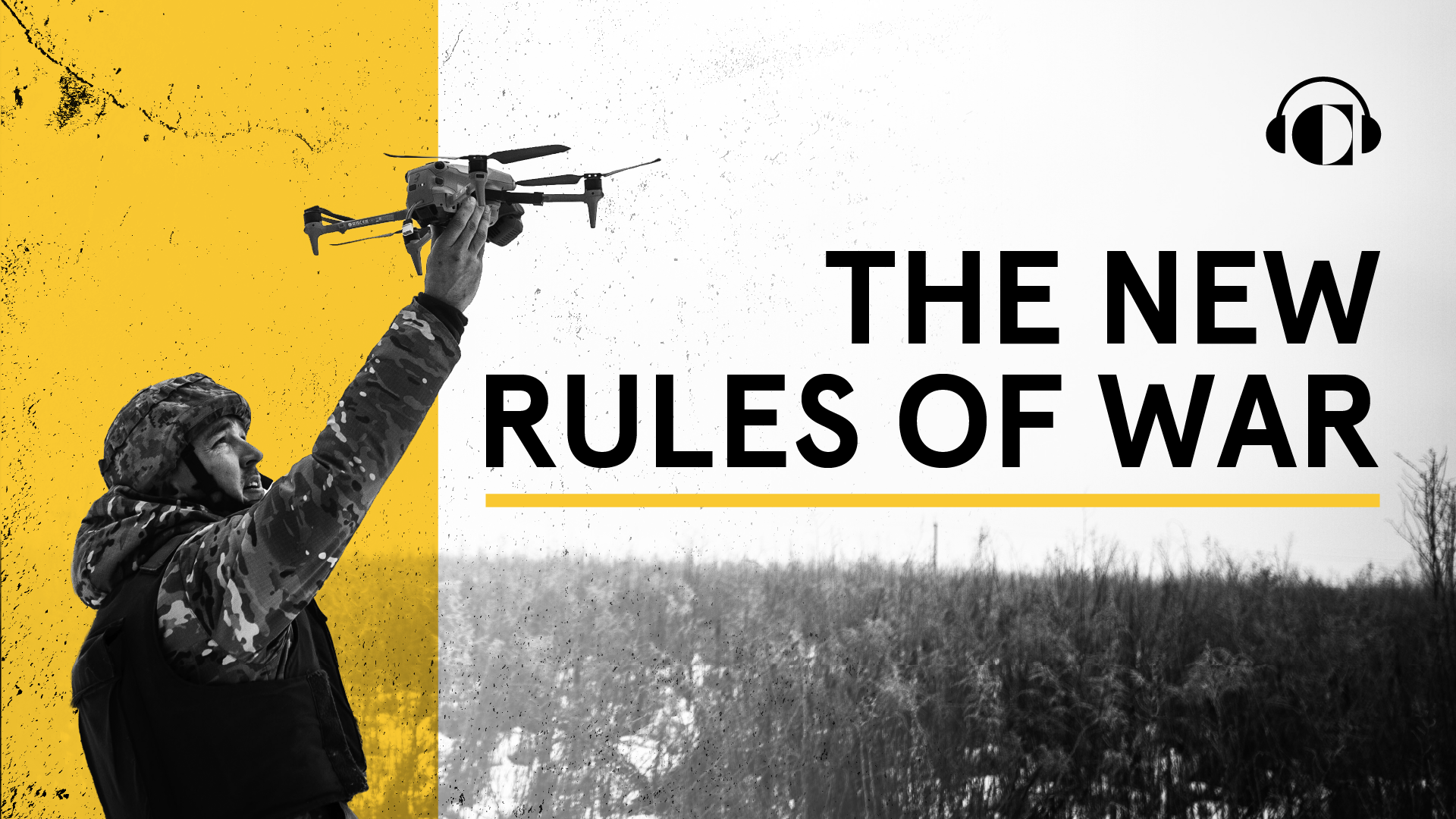
Steven Feldstein joins Jon Bateman on the world unpacked to discuss his new book, Bytes and Bullets, and explain how drones are reshaping wars from Ukraine to Sudan.
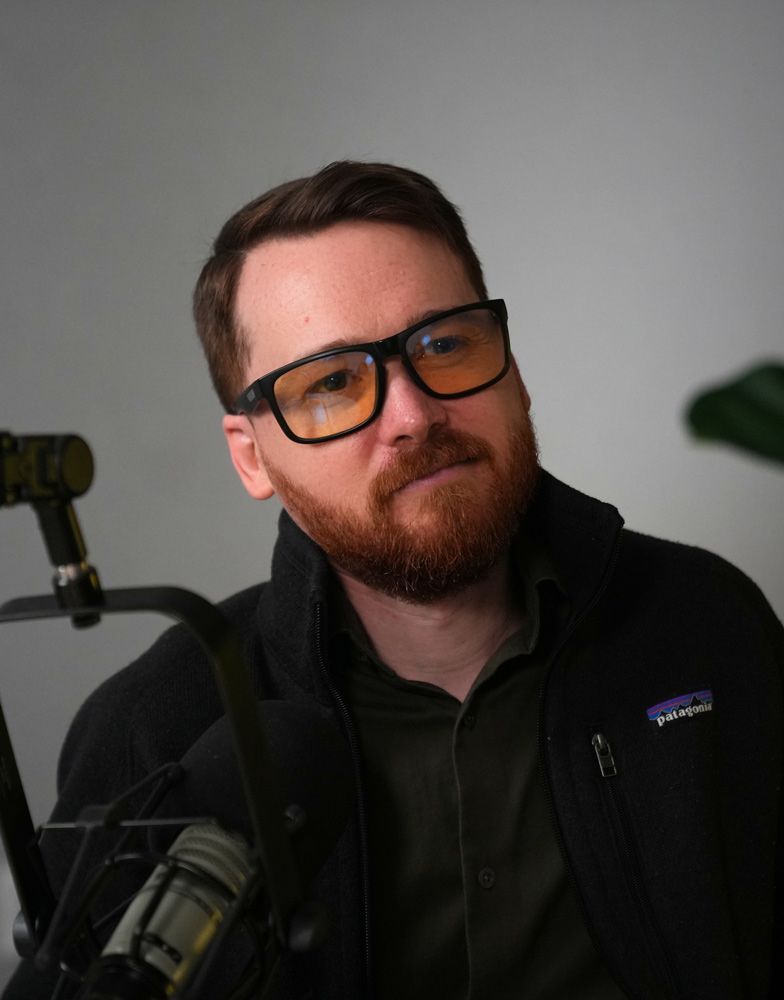
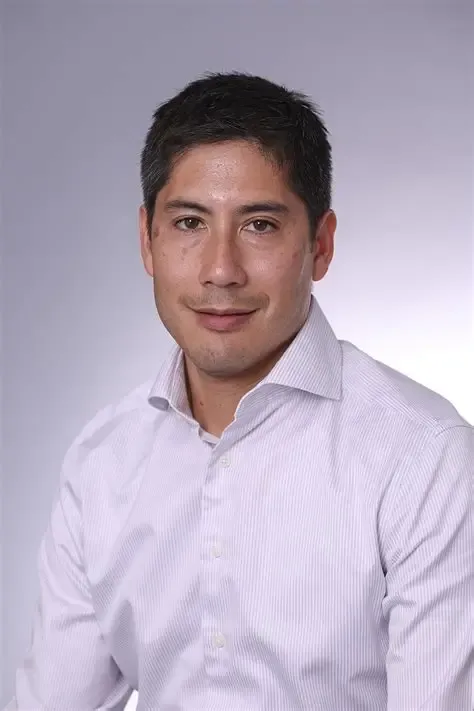
Jon Bateman, Steven Feldstein
A new book goes inside the AI industry and calls for a mass movement to restrain it.
Jon Bateman, Garrison Lovely

An ex-head of the Secret Service in his first-ever podcast on growing threats to U.S. leaders.

Jon Bateman, Ronald L. Rowe, Jr.
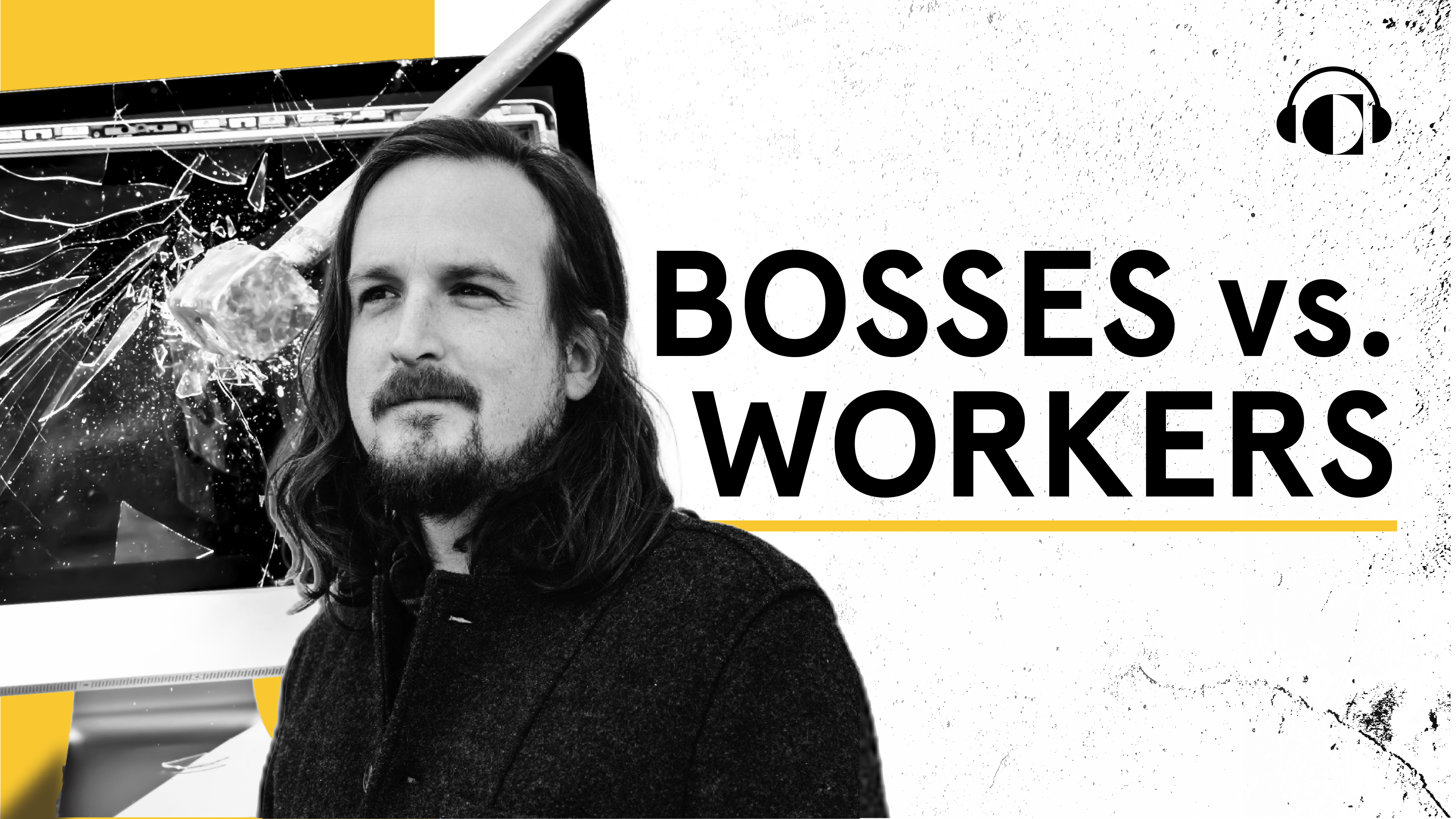
Brian Merchant on the Industrial Revolution’s failures, how AI undercuts workers, and the social order of technology.
Jon Bateman, Brian Merchant

The missing context that shows how AI isn’t the resource hog everyone thinks it is – with Andy Masley.
Jon Bateman, Andy Masley