

Report
- +4
Ms. Sandra Polaski, Joaquim Bento de Souza Ferreir, Janine Berg, …
{
  "authors": [
    "Sandra Polaski"
  ],
  "type": "other",
  "centerAffiliationAll": "",
  "centers": [
    "Carnegie Endowment for International Peace"
  ],
  "collections": [],
  "englishNewsletterAll": "",
  "nonEnglishNewsletterAll": "",
  "primaryCenter": "Carnegie Endowment for International Peace",
  "programAffiliation": "",
  "programs": [],
  "projects": [],
  "regions": [
    "United States"
  ],
  "topics": [
    "Trade"
  ]
}
REQUIRED IMAGE
Source: Carnegie
These are not normal times. Two changes in the past decade have produced a huge global oversupply of labor and intense competition for an expanding array of jobs. First, the Cold War’s end threw millions of workers, who formerly produced only for the socialist bloc, onto the global labor market. And second, that market has become integrated by technological change that now permits outsourcing of service as well as manufacturing jobs. The current economic recovery will not solve the resulting global mismatch of supply and demand, and it cannot be addressed by the United States alone. Many current policies aggravate the problem. This paper proposes that the Unites States revise its policies and devote a concerted effort to get the major countries to work together to expand employment at that global level.
Click here for the full text of this Policy Brief.
Click here to read this Policy Brief in Chinese.
Some free print copies are available.
Request a copy
About the Author
Sandra Polaski directs the Trade, Equity and Development Project at the Carnegie Endowment for International Peace. She served as the U.S. Secretary of State’s special representative for international labor affairs from 1999–2002, playing a leading role in the development of U.S. government policy on international labor issues. Polaski’s research has included the impact of NAFTA on employment, wages and household incomes, published in the report NAFTA’s Promise and Reality: Lessons from Mexico for the Hemisphere (Carnegie Endowment, 2003). She has also written extensively on trade, development and labor policy in essays including Trade and Labor Standards: A Strategy for Developing Countries (Carnegie Endowment, 2003) and How to Build a Better Trade Pact with Central America (Carnegie Endowment, July 2003).

Former Senior Associate, Director, Trade, Equity and Development Program
Until April 2002, Polaski served as the U.S. Secretary of State’s Special Representative for International Labor Affairs, the senior State Department official dealing with such matters.
Recent Work
Ms. Sandra Polaski, Joaquim Bento de Souza Ferreir, Janine Berg, …
Ms. Sandra Polaski
Carnegie does not take institutional positions on public policy issues; the views represented herein are those of the author(s) and do not necessarily reflect the views of Carnegie, its staff, or its trustees.

The real test may come after the leaders leave the room.



Sheena Chestnut Greitens, Oriana Skylar Mastro, Yukon Huang, …

The nuclear relationship between China and the United States is increasingly shaped by widening perception gaps rather than deliberate strategic design.

Tong Zhao
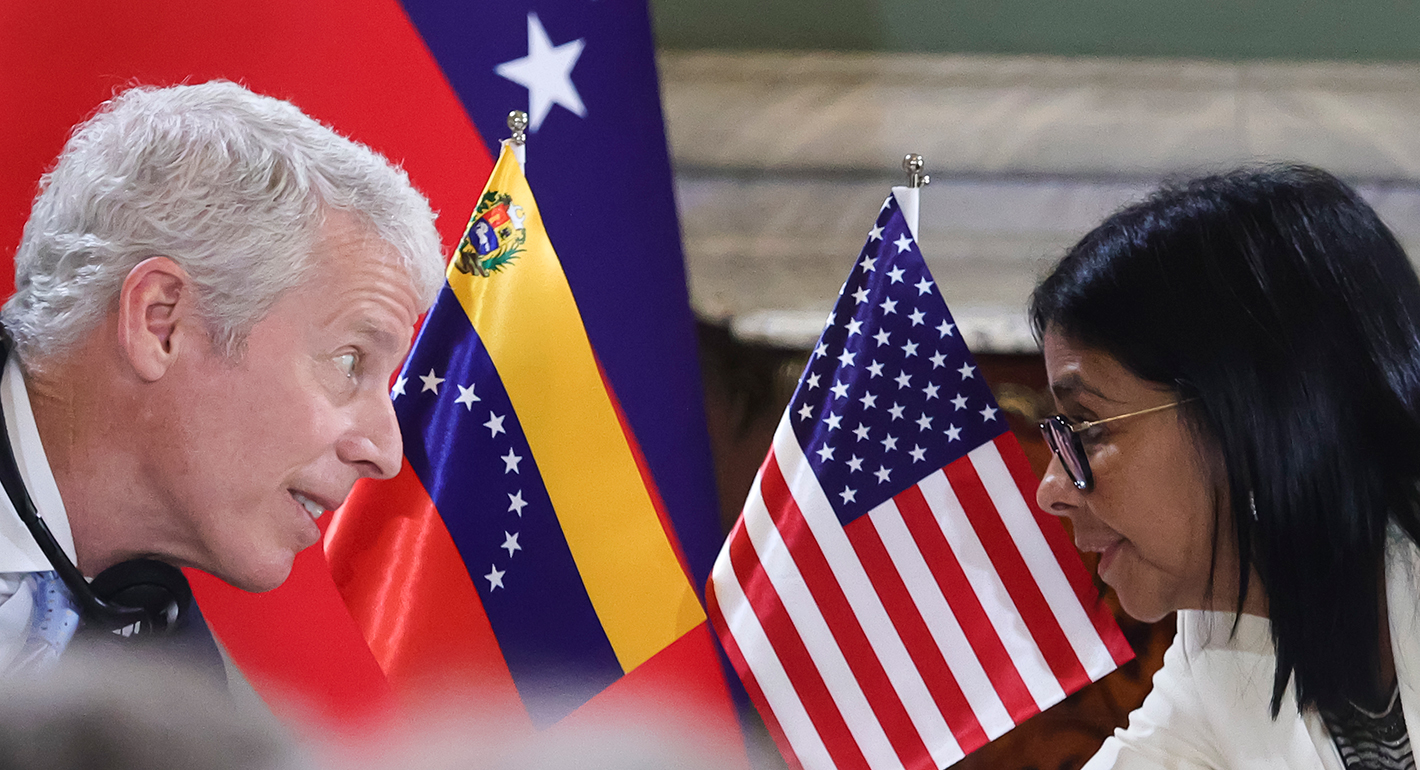
Washington needs to recognize that influence in the Western Hemisphere comes from presence, delivery, and reliability. It also must recognize that while the United States remains the key external actor, it no longer operates in a permissive environment and cannot presume deference from regional players who have other options, namely China.
Juan S. Gonzalez

Minsk clearly expected the dialogue with Washington to yield more results, in particular the lifting of EU sanctions and permission to export potash.

Artyom Shraibman

A summer of escalation in the Black Sea has hurt Ukraine economically and is exacerbating world food security. A truce is needed—as is a broader reframing of Europe’s Ukraine strategy.

Thomas de Waal