

Commentary
Nikolay Petrov
{
  "authors": [
    "Nikolay Petrov"
  ],
  "type": "legacyinthemedia",
  "centerAffiliationAll": "",
  "centers": [
    "Carnegie Endowment for International Peace",
    "Carnegie Russia Eurasia Center"
  ],
  "collections": [],
  "englishNewsletterAll": "",
  "nonEnglishNewsletterAll": "",
  "primaryCenter": "Carnegie Russia Eurasia Center",
  "programAffiliation": "",
  "programs": [],
  "projects": [],
  "regions": [],
  "topics": []
}
Source: Getty
The new conviction of Russian oil tycoon Mikhail Khodorkovsky is a potent demonstration of the regime’s lack of commitment to the modernization of the Russian political and judicial system.
Source: PRI’s The World

While only a minority of Russians has been watching the current trial, Petrov explained that domestic attitudes towards Khodorkovsky have changed significantly since the first trial, which started seven years ago. Then Khodorkovsky was generally viewed as an oligarch who made his fortune through illegal means and his trial was viewed as just. Now, Petrov said, Khodorkovsky is seen more as the victim of the regime. A lot of prominent Russians have been making appeals to the president on his behalf.
In terms of U.S.-Russian relations, Petrov stated that while the Khodorkovsky’s verdict will not significantly injure perceptions of Russia, it does undermine Western hopes that Russia will improve its political and judicial systems. Petrov added that both domestic and international observers who saw Medvedev as a modernizer were mistaken from the beginning; he described Medvedev’s role as ultimately more about public relations than reforming the system built by Vladimir Putin.
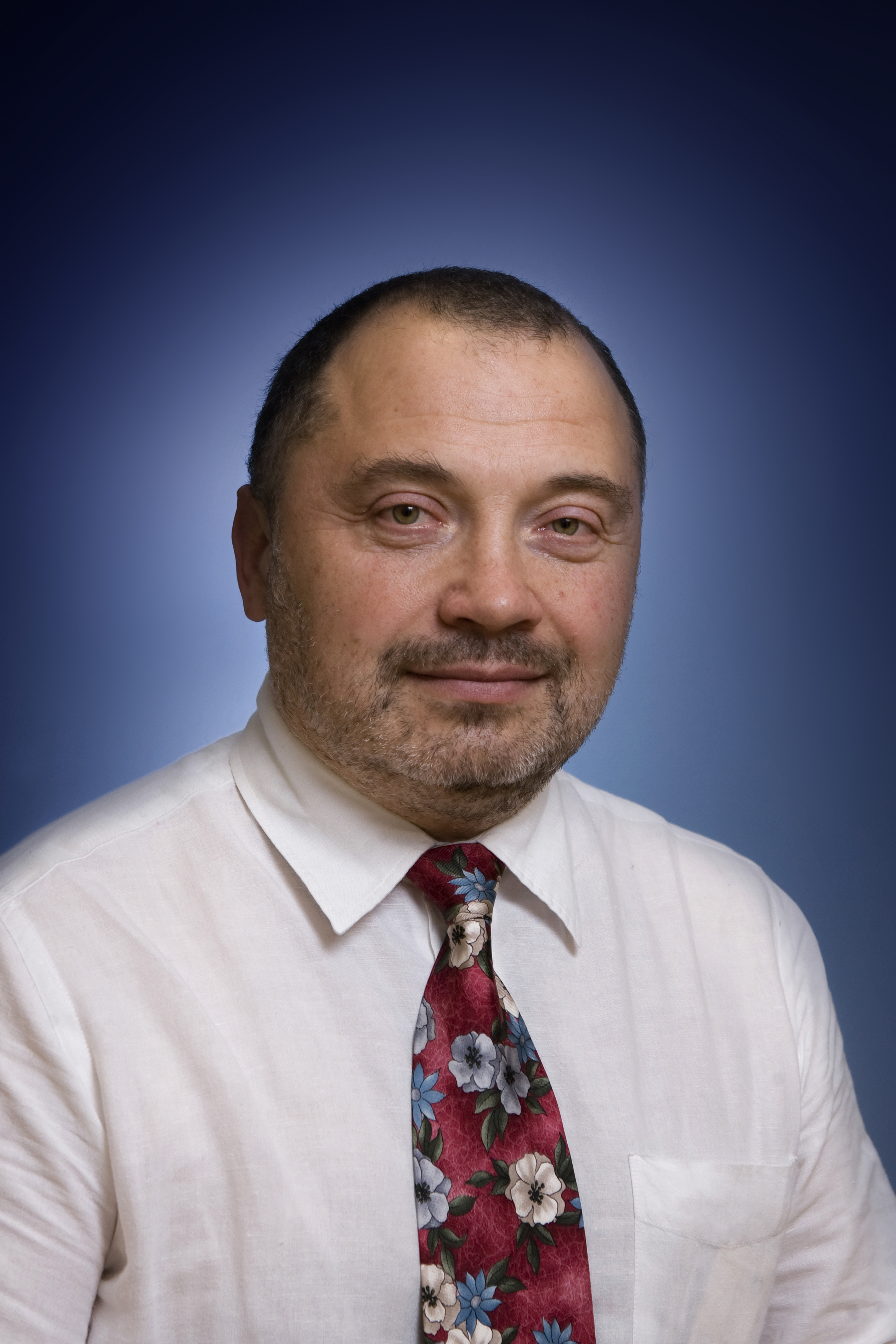
Former Scholar-in-Residence, Society and Regions Program, Moscow Center
Nikolay Petrov was the chair of the Carnegie Moscow Center’s Society and Regions Program. Until 2006, he also worked at the Institute of Geography at the Russian Academy of Sciences, where he started to work in 1982.
Recent Work
Nikolay Petrov
Nikolay Petrov
Carnegie does not take institutional positions on public policy issues; the views represented herein are those of the author(s) and do not necessarily reflect the views of Carnegie, its staff, or its trustees.