

Commentary
Nikolay Petrov
{
  "authors": [
    "Nikolay Petrov"
  ],
  "type": "legacyinthemedia",
  "centerAffiliationAll": "",
  "centers": [
    "Carnegie Endowment for International Peace",
    "Carnegie Russia Eurasia Center"
  ],
  "collections": [],
  "englishNewsletterAll": "",
  "nonEnglishNewsletterAll": "",
  "primaryCenter": "Carnegie Russia Eurasia Center",
  "programAffiliation": "",
  "programs": [],
  "projects": [],
  "regions": [],
  "topics": []
}
Source: Getty
As Russians look toward the 2011 Duma elections in December, whether or not Prime Minister Vladimir Putin heads United Russia’s list could have a significant influence on whether the party sees an increase in national support or a major drop.
Source: The Moscow Times

Among opposition parties, respondents had the most support for the Party of People’s Freedom, whose political program is based on the slogan “For a Russia Without Arbitrariness and Corruption.” These are good results given that the party was founded a month ago, but it earned only 2 percent of voter support nationally (7 percent in Moscow). Even if the party is registered in mid-2011— a big if — it will not be eligible for the December Duma elections because according to election law, a party must be registered at least a year before elections.
Every other opposition party, including Yabloko, received even lower results. It isn’t possible to determine which among them is the least popular because all of their results are lower than the margin of error.
But the current poll does not account for two serious factors that could significantly influence the results of the Duma elections in December. The first is the “Putin factor” — that is, the increase in support United Russia can expect if Prime Minister Vladimir Putin heads the party’s list.
The other factor is an opposite scenario — a “crisis of confidence” that could negate those gains and strip United Russia of 10 percent of its voter base if it enters the elections without its “national leader” at the helm. A crisis of confidence might be seen in such regions as Kaliningrad, Sverdlovsk and Irkutsk where voters are “sick and tired” of the authorities, and is connected with mid-level officials in regions where the political machines that once faithfully produced record levels of support for United Russia have since been heavily damaged or outright destroyed. These include the regions of Moscow, Bashkortostan, Tatarstan and, to some extent, Rostov, where United Russia scraped together just 20 percent to 25 percent of the vote in the last elections.
Moreover, United Russia cannot rely on former party heavyweights — like Bashkortostan President Murtaza Rakhimov and Tatarstan President Mintimer Shaimiyev, who were pushed out of office last year — to garner votes.
This crisis of confidence could lead to a systemic decline in United Russia’s popularity, including in Moscow. If this occurs, Moscow might return to its former standing as one of the leaders in the protest vote.
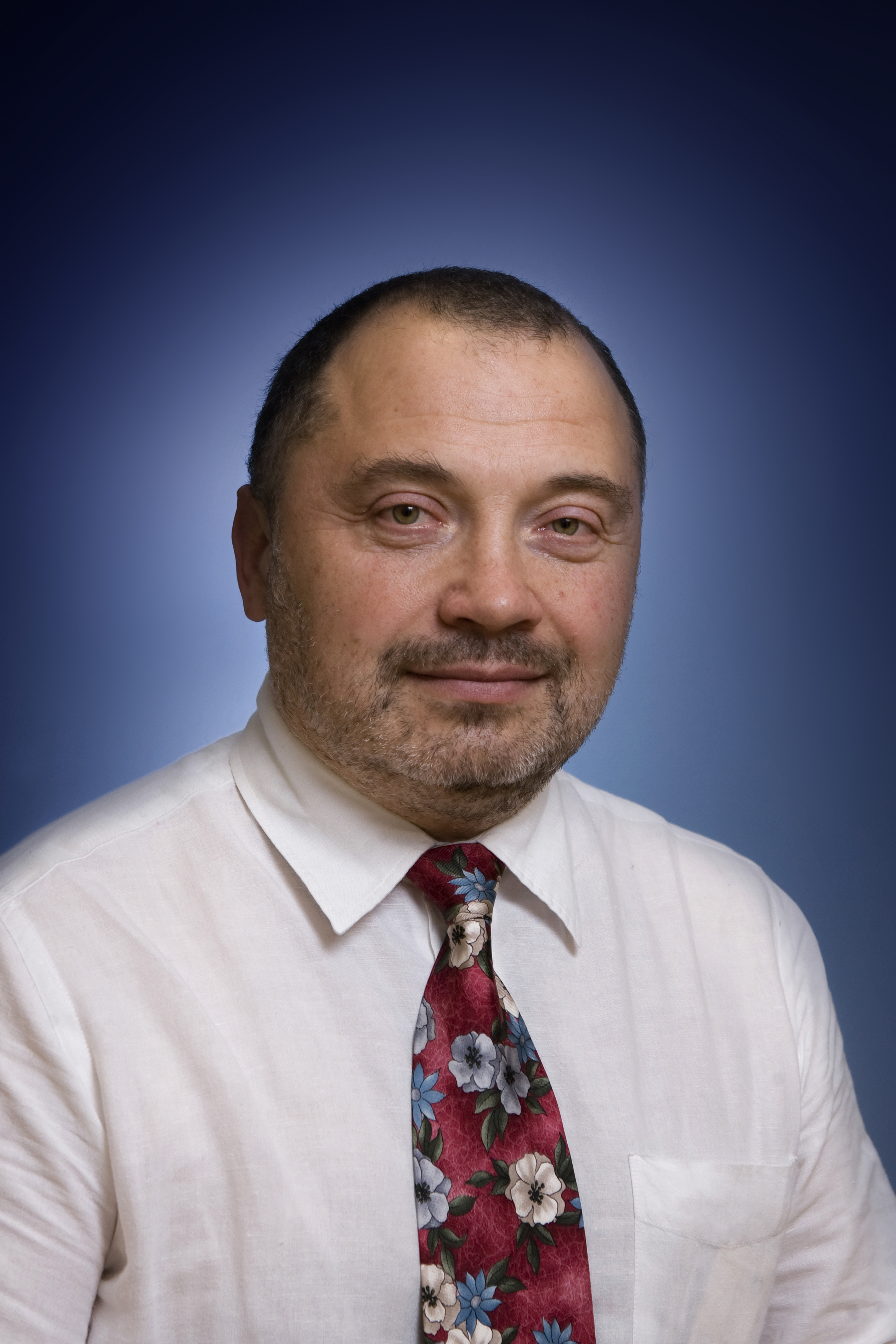
Former Scholar-in-Residence, Society and Regions Program, Moscow Center
Nikolay Petrov was the chair of the Carnegie Moscow Center’s Society and Regions Program. Until 2006, he also worked at the Institute of Geography at the Russian Academy of Sciences, where he started to work in 1982.
Recent Work
Nikolay Petrov
Nikolay Petrov
Carnegie does not take institutional positions on public policy issues; the views represented herein are those of the author(s) and do not necessarily reflect the views of Carnegie, its staff, or its trustees.