

Commentary
Nikolay Petrov
{
  "authors": [
    "Nikolay Petrov"
  ],
  "type": "legacyinthemedia",
  "centerAffiliationAll": "",
  "centers": [
    "Carnegie Endowment for International Peace",
    "Carnegie Russia Eurasia Center"
  ],
  "collections": [],
  "englishNewsletterAll": "",
  "nonEnglishNewsletterAll": "",
  "primaryCenter": "Carnegie Russia Eurasia Center",
  "programAffiliation": "",
  "programs": [],
  "projects": [],
  "regions": [],
  "topics": []
}
Source: Getty
In Russia, an increasing number of personnel changes are taking place in anticipation of the upcoming presidential election in March.
Source: The Moscow Times

Georgy Poltavchenko — the longest-serving presidential envoy of former President Vladimir Putin’s appointments — was confirmed as governor of St. Petersburg on Aug. 31, replacing Valentina Matviyenko, who was moved to the Federation Council. Shortly afterward, two more presidential envoys were replaced. The presidential envoy to the Northwestern Federal District, Ilya Klebanov, was relieved of his duties amid charges of ineffectiveness, corruption and causing conflicts, and was replaced by Nikolai Vinnichenko, a former university classmate and trusted associate of President Dmitry Medvedev. Vinnichenko, who most recently served as the presidential envoy to the Urals Federal District, had been nominated for a series of senior government posts in the past, from prosecutor general to head of the presidential administration.
The newly vacated envoy post in the Urals was filled by Yevgeny Kuyvashev, a protege, close colleague and, according to some sources, relative of Moscow Mayor Sergei Sobyanin. Kuyvashev also served as mayor of Tyumen for a short time and as deputy presidential envoy to the Urals Federal District for the past several months.
This promotion is something of a novelty because, previously, presidential envoys were not rotated before elections, and their replacements typically came from outside the region, not from their own staffs. This might be an indication that presidential envoys are becoming a more normal and functional part of the administrative bureaucracy.
There was some edge to Klebanov’s dismissal because it coincided almost exactly with Prime Minister Putin’s arrival in St. Petersburg for a United Russia conference. Conversely, when he was first named to the post in 2003, it appeared to be an honorable discharge from his previous position and a temporary step toward retirement — but he ended up staying in the job.
In short, the staffing changes reveal a relatively new tradition of making horizontal appointments when rotating presidential envoys into their new posts, while upholding the older tradition of giving the envoy post to officials who have been dismissed from their jobs.
Incidentally, the reshuffling has even affected the presidential administration: Oleg Govorun — a key member of presidential deputy chief of staff Vladislav Surkov’s team — has resigned on the eve of the election. The real significance of his resignation will become clearer once Govorun’s replacement in the Kremlin is announced. For now, it seems certain that the replacement of Matviyenko with Poltavchenko was only the start, and that many more high-level changes lie ahead.
This article originally appeared in The Moscow Times.
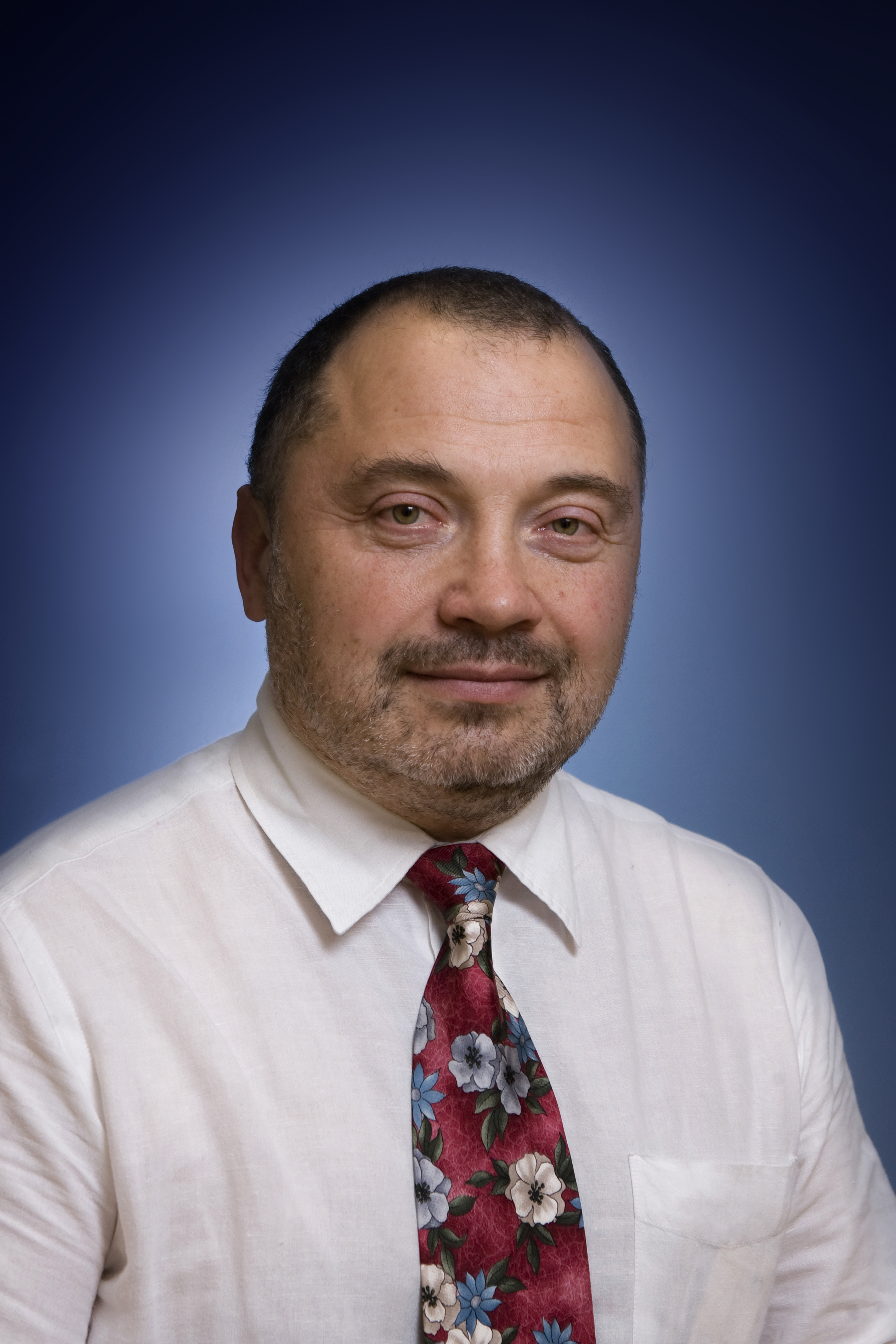
Former Scholar-in-Residence, Society and Regions Program, Moscow Center
Nikolay Petrov was the chair of the Carnegie Moscow Center’s Society and Regions Program. Until 2006, he also worked at the Institute of Geography at the Russian Academy of Sciences, where he started to work in 1982.
Recent Work
Nikolay Petrov
Nikolay Petrov
Carnegie does not take institutional positions on public policy issues; the views represented herein are those of the author(s) and do not necessarily reflect the views of Carnegie, its staff, or its trustees.