

Commentary
Alexey Malashenko
{
  "authors": [
    "Alexey Malashenko"
  ],
  "type": "commentary",
  "centerAffiliationAll": "",
  "centers": [
    "Carnegie Endowment for International Peace",
    "Carnegie Russia Eurasia Center"
  ],
  "collections": [],
  "englishNewsletterAll": "",
  "nonEnglishNewsletterAll": "",
  "primaryCenter": "Carnegie Russia Eurasia Center",
  "programAffiliation": "",
  "programs": [],
  "projects": [],
  "regions": [],
  "topics": []
}
Source: Getty
Iran’s foreign policy was deadlocked by the efforts of the former president—the radical and eccentric Mahmoud Ahmadinejad. Rowhani, who is dubbed “the sheikh of diplomacy” in Iran, will have to act both cautiously and decisively in correcting the errors of his predecessor and setting new trends.
First of all, it should be remembered that Rowhani can be considered a liberal only under the framework of the Islamic Republic and its official ideology. He is definitely a pragmatist, but his pragmatism is contained by the conservatism of the local ruling elites, which fear change, while also realizing it is necessary.
These circumstances are directly related to Iran’s foreign policy, which was deadlocked by the efforts of the former president—the radical and eccentric Mahmoud Ahmadinejad. Rowhani, who is dubbed “the sheikh of diplomacy” in Iran, will have to act both cautiously and decisively in correcting the errors of his predecessor and setting new trends.
Rowhani’s main task is to develop a dialogue on Iran’s nuclear program. He will try to soften Iran’s stance on this issue by making its nuclear program more open to the IAEA control and abandoning the accelerated enrichment of uranium. Back in 2003–2005, Rowhani, then the head of the Supreme National Security Council, took part in negotiations on the future of Iran’s nuclear program. At that time, he agreed to suspend the Iranian uranium enrichment program and also consented to Iran’s compliance with the Additional Protocol to the Nuclear Non-Proliferation Treaty (NPT). However, after Ahmadinejad came to power, the negotiations reached an impasse that lasted for a long time.
Flexibility on the nuclear issue may help lift sanctions, particularly in oil sales and in the financial sphere as well, that cripple the Iranian economy. Inflation has reached and, according to some reports, exceeded 30%. The unemployment rate is 13%. If Rowhani manages to achieve foreign policy successes, this will have a positive impact on the Iranian economy, increasing his popularity among the Iranians.
Tehran’s position in the Syrian conflict is another challenge Rowhani faces. Iran is the only Muslim country that supports the Bashar Assad regime and supplies it with weapons. Iranian “volunteers” fight alongside the Syrian government forces. Of course, Rowhani is not likely to fundamentally alter his country’s course on Syria especially since in such a case he would have had to abandon the idea of Shia solidarity and this would have complicated Rowhani’s relations with the Supreme Leader Ayatollah Ali Khamenei. But one cannot rule out some reductions in the Iranian military aid to the Syrian regime, especially in light of the fact that Rowhani has frequently mentioned the need to improve relations with Iran’s Persian Gulf neighbors—primarily Saudi Arabia, which supports the Syrian opposition.
Perhaps, whether new nuances in the Iranian policy on the Syrian issue will emerge or not remains the most intriguing question regarding the foreign policy agenda of the new president.
The West, especially the United States, pins a lot of hopes on the new Iranian president. The Obama administration will probably give Rowhani some time to strengthen his positions so that he steers clear of immediate conflicts with his radical opponents. After all, the strength of the conservative faction was clearly demonstrated at the municipal elections which took place—at the same time as the presidential round of voting—in cities and rural areas and in which, according to varying estimates, Conservatives won 60–67 percent of the vote.
Some observers also believe that Rowhani’s tenure will give a sort of respite to the conservatives— primarily Khamenei and the Islamic Revolutionary Guard Corps—which will allow them to gather strength to score another victory at the next elections, just as it happened in 2005 when liberal Khatami was succeeded by conservative Ahmadinejad. Such views are especially common in Israel, where commentators these days constantly allude to the fact that the work on the military component of the Iranian nuclear program continued under every Iranian president, whether conservative or liberal.
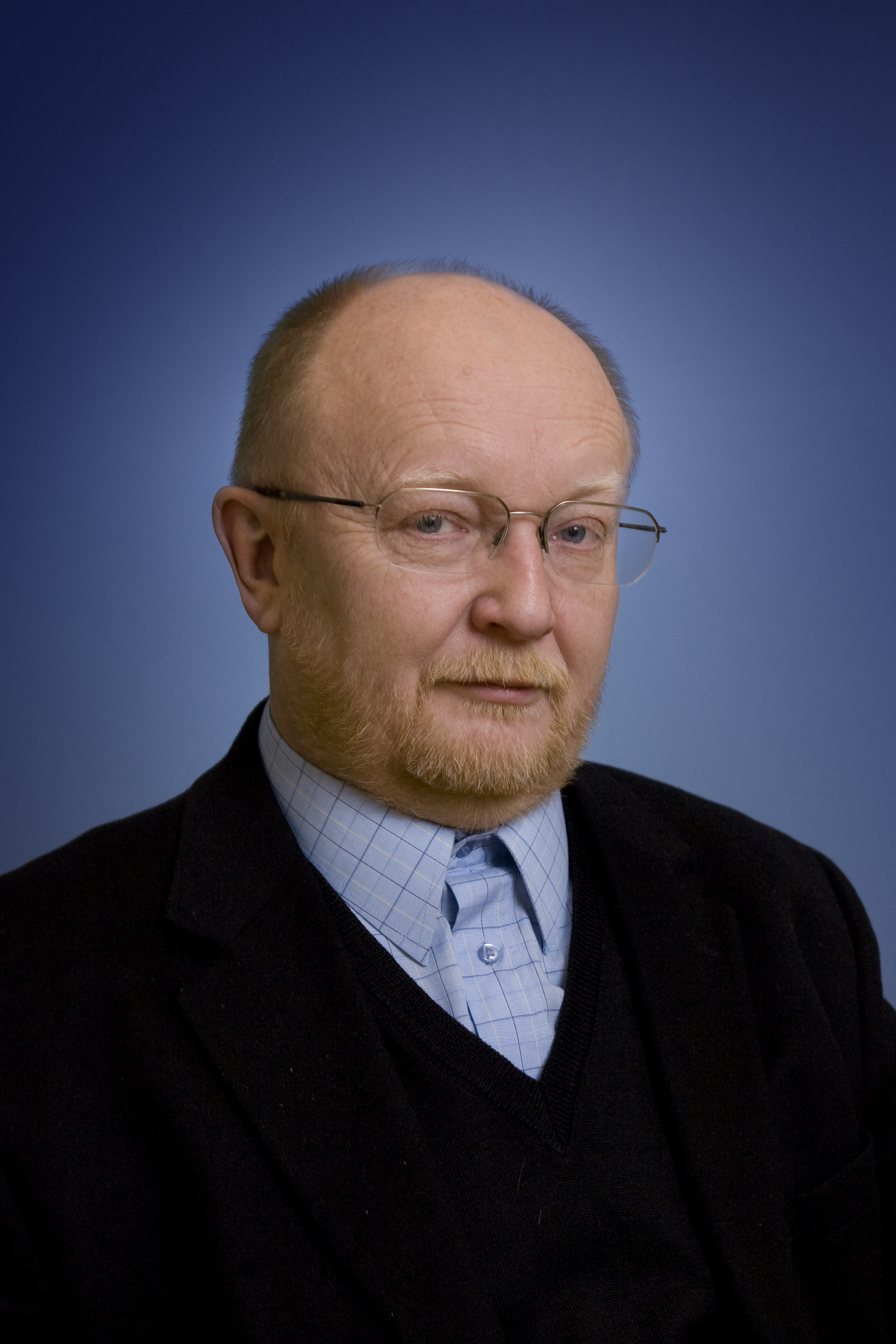
Former Scholar in Residence, Religion, Society, and Security Program
Malashenko is a former chair of the Carnegie Moscow Center’s Religion, Society, and Security Program.
Recent Work
Alexey Malashenko
Alexey Malashenko
Carnegie does not take institutional positions on public policy issues; the views represented herein are those of the author(s) and do not necessarily reflect the views of Carnegie, its staff, or its trustees.