

Q&A
Dara Massicot, Aaron David Miller, Andrew S. Weiss
{
  "authors": [
    "Andrew S. Weiss"
  ],
  "type": "commentary",
  "centerAffiliationAll": "",
  "centers": [
    "Carnegie Endowment for International Peace",
    "Carnegie Russia Eurasia Center"
  ],
  "collections": [],
  "englishNewsletterAll": "",
  "nonEnglishNewsletterAll": "",
  "primaryCenter": "Carnegie Endowment for International Peace",
  "programAffiliation": "",
  "programs": [],
  "projects": [],
  "regions": [],
  "topics": []
}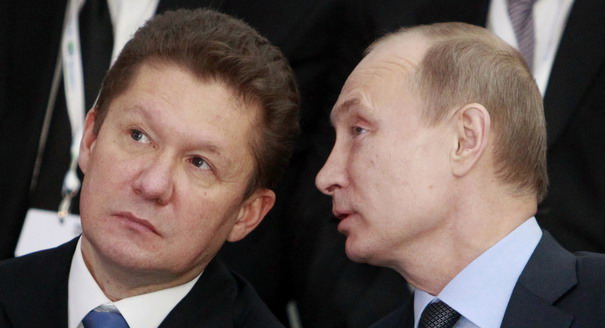
Source: Getty
It appears that the playing field may already be shifting dramatically regardless of the status of Ukraine’s relationship with the Customs Union. Who in the Russian and Ukrainian oligarchic structures stands to lose the most after the EU Eastern Partnership summit in November?
A flurry of press reports about a possible Russian-Ukrainian trade war fits all too comfortably within the established storyline of Russian President Vladimir Putin pressuring Ukraine—to make it think twice about signing major free trade and association agreements with the EU in November—and nudging Kyiv closer to the Russian-led Customs Union. Sergey Glazyev, an economic adviser to Putin, put it all too plainly on Sunday, saying, “We are preparing to tighten the customs regime just in case Ukraine takes the suicidal step of signing an agreement of association with the EU.
But in Ukraine politics have a deeply entrenched habit of being a by-product of the agendas of well-placed individuals and vested interests. Consider the following: the current controversy was triggered by a press release from a Ukrainian business lobby, which warned rather dramatically about “a full halt of Ukrainian exports indefinitely, for weeks or even months.” The lobby’s chairman is none other than Dmytro Firtash, a central figure in the murky and once extremely lucrative Russian-Ukrainian gas trade. Metinvest, the metallurgical giant owned by Rinat Akhmetov, Ukraine’s richest man, also chimed in with complaints that increased checks at the border were causing “serious financial losses.” And just a few weeks ago, Russia’s politically well-attuned sanitary authorities barred chocolates and candies from a company owned by Petro Poroshenko, a Ukrainian oligarch and former government minister with a track record of supporting pro-EU activities.
A coincidence? Perhaps.
Either way, it is worth asking who in the Russian and Ukrainian oligarchic structures stands to lose the most after the EU Eastern Partnership summit in November. It appears that the playing field may already be shifting dramatically regardless of the status of Ukraine’s relationship with the Customs Union.
To cite a few other high profile examples: Russian steelmakers lobbying for protection from alleged dumping of cheaper Ukrainian products won the cancellation of a duty-free quota on Ukrainian-made steel pipes in mid-July. (Viktor Pinchuk, another prominent oligarch, is among Ukraine’s top producers.) More recently, on August 15, Gazprom announced that gas exports to Ukraine in the first half of 2013 had dropped by a dramatic 40 percent year-on-year due to increased Ukrainian imports from Hungary, Slovakia, and Poland. Gazprom CEO Alexey Miller alleged that these imports are part of a “fraudulent scheme” by Ukraine to reimport gas that Central European countries buy from Russia.
Miller, who has devoted much of the past several years to ending Ukraine’s role as a gas transit state once and for all, is a rather improbable spokesman for closer Russian-Ukrainan trade relations. Still, one suspects that the proceeds from those missing Russian gas sales to Ukraine could buy a whole lot of candy bars.
James Family Chair, Vice President for Studies
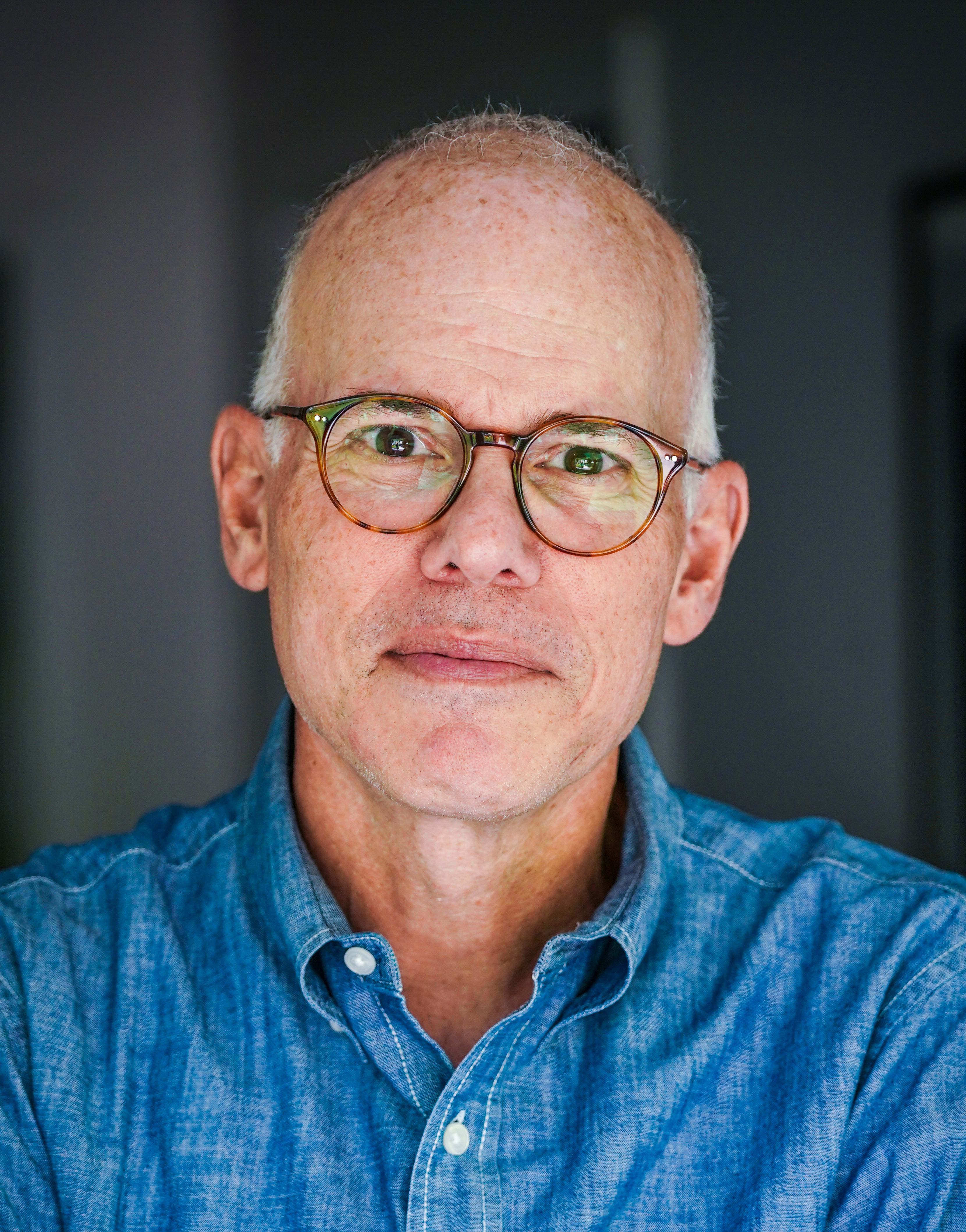
Andrew S. Weiss is the James Family Chair and vice president for studies at the Carnegie Endowment for International Peace, where he oversees research on Russia, Ukraine, and Eurasia. His graphic novel biography of Vladimir Putin, Accidental Czar: the Life and Lies of Vladimir Putin, was published by First Second/Macmillan in 2022.
Recent Work

Dara Massicot, Aaron David Miller, Andrew S. Weiss

Frances Z. Brown, Nate Reynolds, Priyal Singh, …
Carnegie does not take institutional positions on public policy issues; the views represented herein are those of the author(s) and do not necessarily reflect the views of Carnegie, its staff, or its trustees.