

{
  "authors": [
    "François Godement",
    "Gudrun Wacker"
  ],
  "type": "legacyinthemedia",
  "centerAffiliationAll": "dc",
  "centers": [
    "Carnegie Endowment for International Peace"
  ],
  "collections": [],
  "englishNewsletterAll": "asia",
  "nonEnglishNewsletterAll": "",
  "primaryCenter": "Carnegie Endowment for International Peace",
  "programAffiliation": "AP",
  "programs": [
    "Asia"
  ],
  "projects": [],
  "regions": [],
  "topics": []
}
REQUIRED IMAGE
France and Germany Together—Promoting a European China Policy
The long-held European hope that China would become more like the West with the policy of “change through trade (Wandel durch Handel)” has been dispelled by China’s own moves.
About the Authors

Former Nonresident Senior Fellow, Asia Program
Godement, an expert on Chinese and East Asian strategic and international affairs, was a nonresident senior fellow in the Asia Program at the Carnegie Endowment for International Peace.
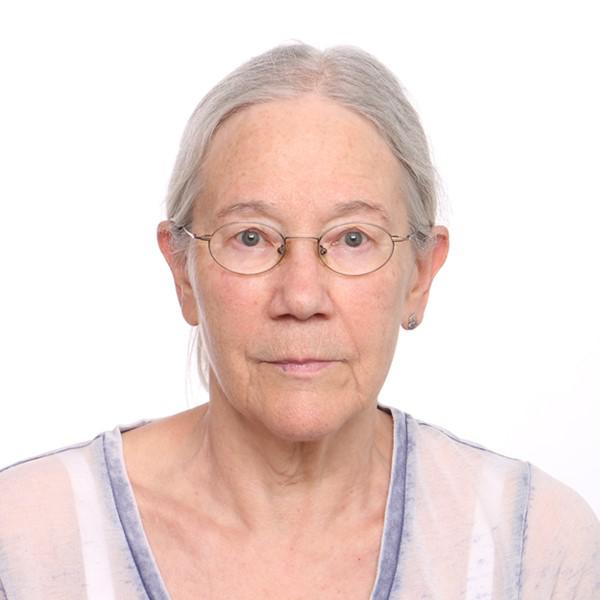
Gudrun Wacker
Gudrun Wacker is a nonresident senior fellow in the Asia research division at the German Institute for International and Security Affairs (Stiftung Wissenschaft und Politik) where she focuses on China, Taiwan, the Indo-Pacific, European Union relations with China and the region, U.S.-China relations, and regional security architecture.
Carnegie does not take institutional positions on public policy issues; the views represented herein are those of the author(s) and do not necessarily reflect the views of Carnegie, its staff, or its trustees.