

Commentary
The president should use the upcoming State of the Union address to offer North Korea a new, concrete vision for engagement and reducing nuclear risks.
Ankit Panda
{
  "authors": [
    "Megan DuBois"
  ],
  "type": "legacyinthemedia",
  "centerAffiliationAll": "dc",
  "centers": [
    "Carnegie Endowment for International Peace"
  ],
  "collections": [
    "Korean Peninsula"
  ],
  "englishNewsletterAll": "ctw",
  "nonEnglishNewsletterAll": "",
  "primaryCenter": "Carnegie Endowment for International Peace",
  "programAffiliation": "NPP",
  "programs": [
    "Nuclear Policy"
  ],
  "projects": [],
  "regions": [],
  "topics": []
}
REQUIRED IMAGE
By focusing exclusively on the traditional hard power implications of North Korea’s missile systems, analysts are missing much of Pyongyang’s strategy.
Megan DuBois
Former Nonresident Research Analyst, Nuclear Policy Program
Megan DuBois is a nonresident research analyst in the Carnegie Nuclear Policy Program.
Carnegie does not take institutional positions on public policy issues; the views represented herein are those of the author(s) and do not necessarily reflect the views of Carnegie, its staff, or its trustees.
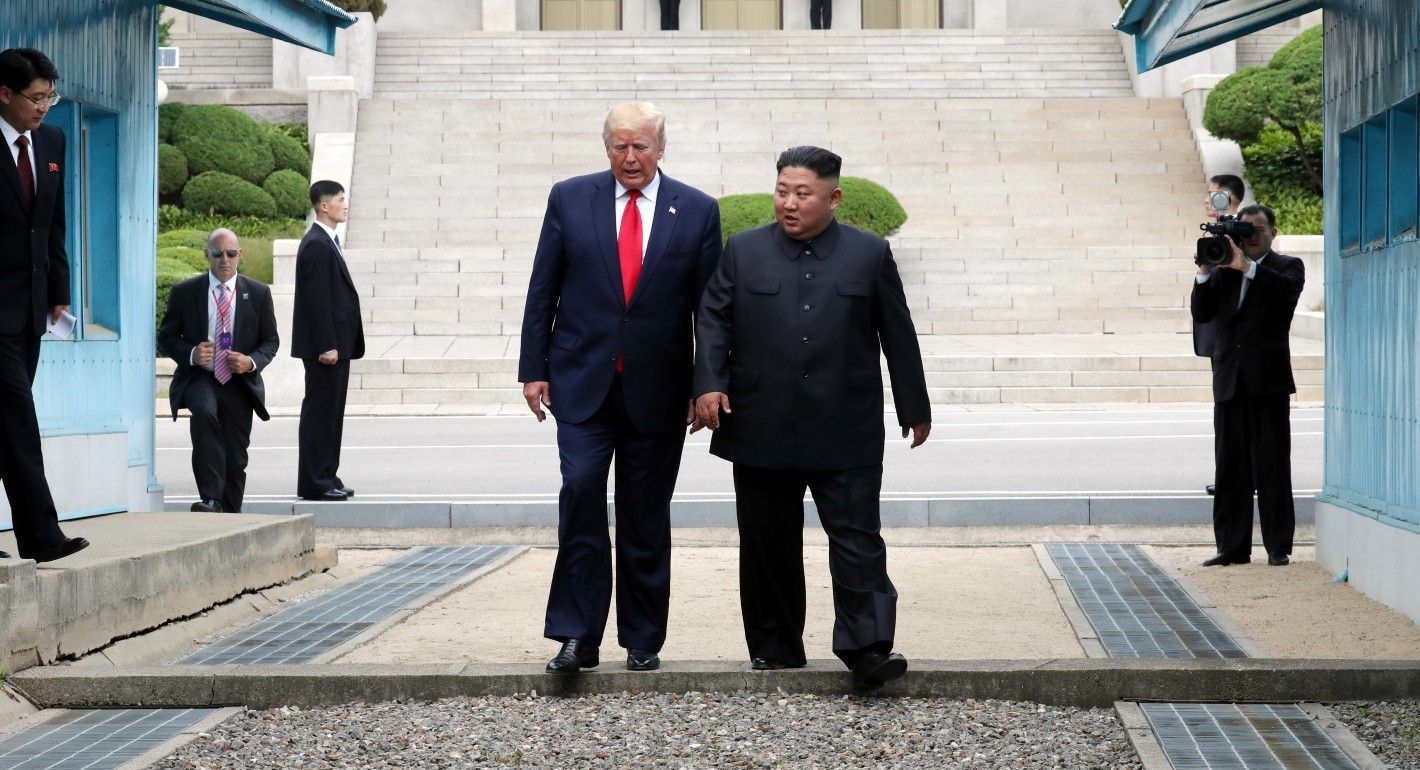
The president should use the upcoming State of the Union address to offer North Korea a new, concrete vision for engagement and reducing nuclear risks.

Ankit Panda
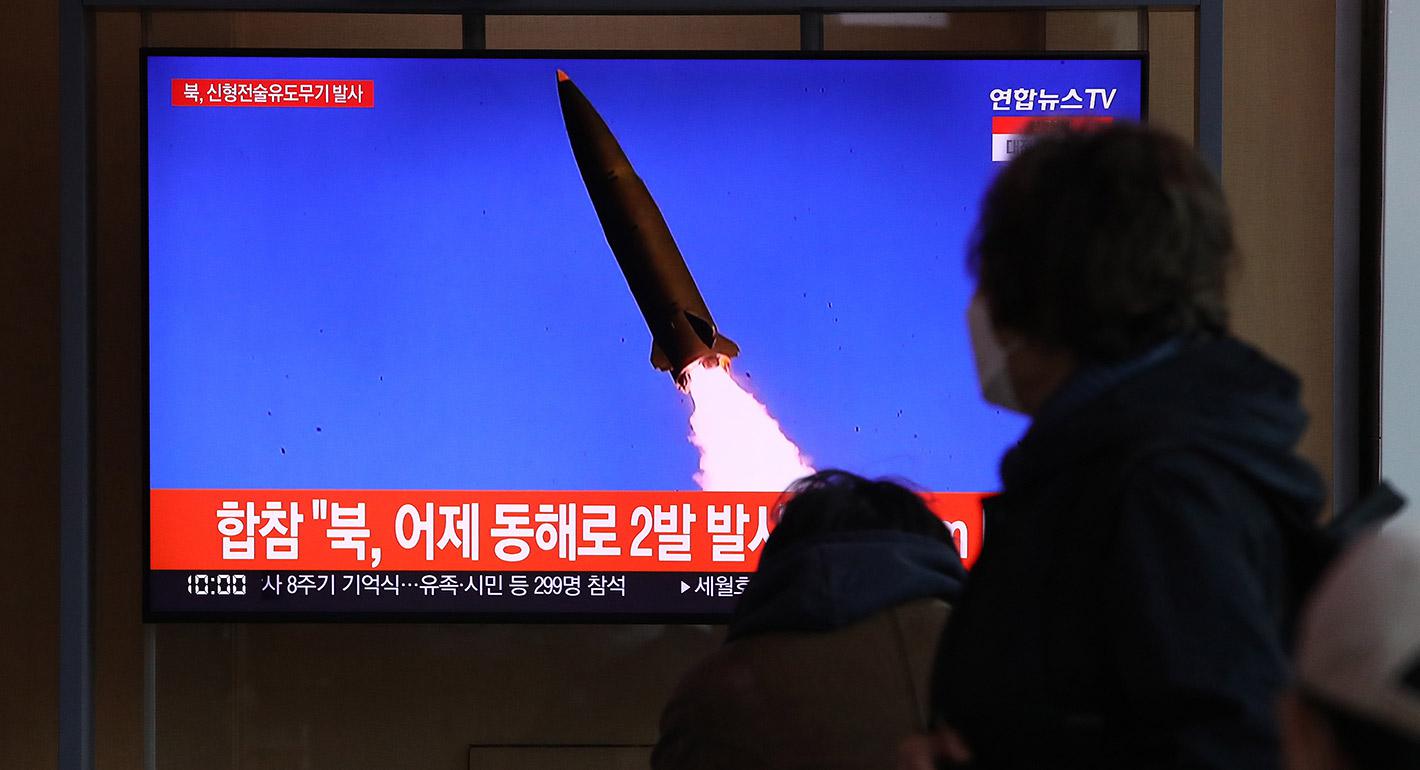
Almost all of the non-nuclear-weapon states that are friends of the United States participate fully in the international nuclear nonproliferation regime, which entails rigorous multilateral legal obligations.
Newell Highsmith
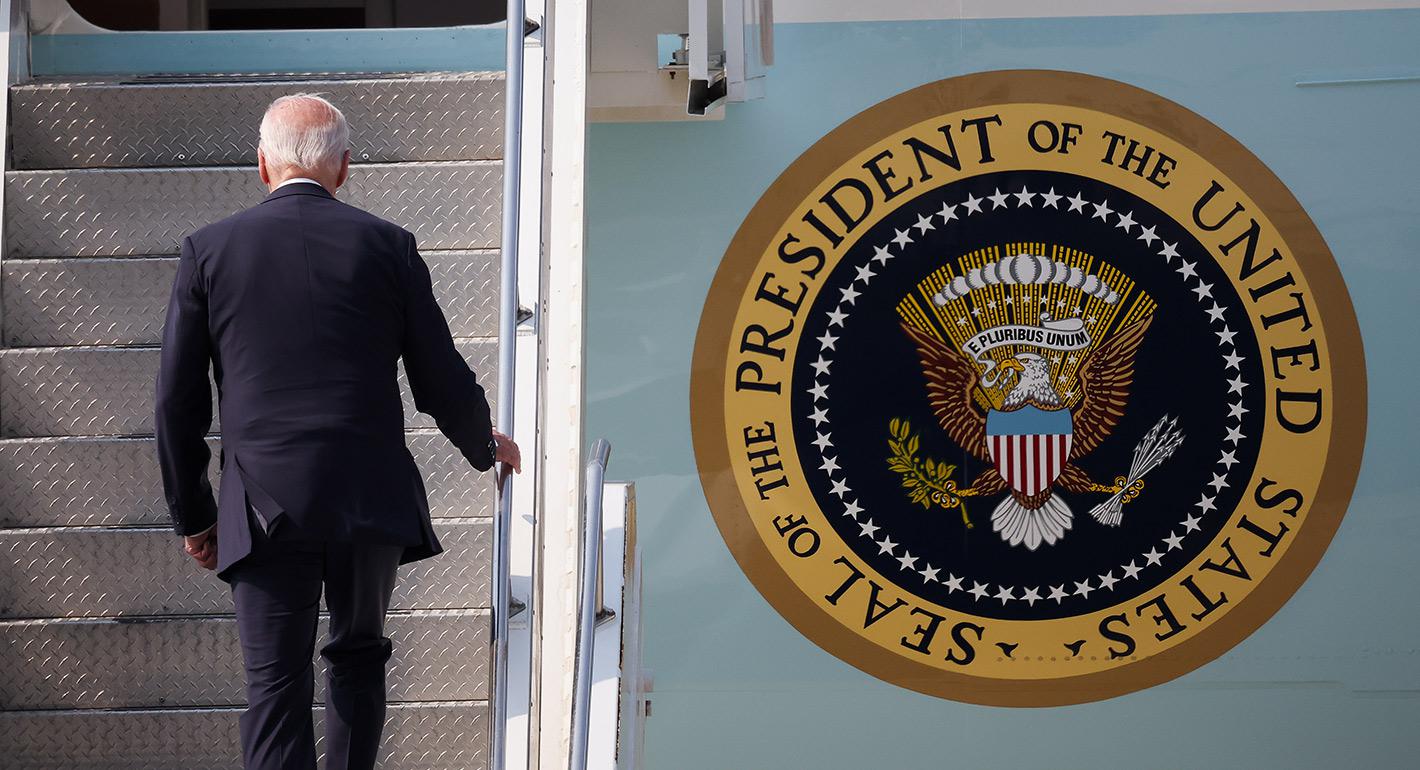
It wouldn’t be an altruistic giveaway to Pyongyang; it would help the United States and its Northeast Asian allies improve their own security.

Toby Dalton, Ankit Panda
New public opinion data finds robust support for a domestic nuclear weapons program in South Korea.


Toby Dalton, Karl Friedhoff, Lami Kim

North Korea’s newest cruise missile test shows its nuclear capabilities are growing. Here’s what policymakers from the United States and elsewhere should do now to set up future negotiators for success.
Ankit Panda