

Commentary
In an interview, Naysan Rafati assesses the first week that followed the U.S. and Israeli attack on Iran.
Michael Young
{
  "authors": [
    "Benjamin Silverstein"
  ],
  "type": "commentary",
  "centerAffiliationAll": "dc",
  "centers": [
    "Carnegie Endowment for International Peace"
  ],
  "collections": [
    "Carnegie Space Project"
  ],
  "englishNewsletterAll": "",
  "nonEnglishNewsletterAll": "",
  "primaryCenter": "Carnegie Endowment for International Peace",
  "programAffiliation": "TIA",
  "programs": [
    "Technology and International Affairs"
  ],
  "projects": [],
  "regions": [
    "North America",
    "United States",
    "Iran"
  ],
  "topics": [
    "Technology"
  ]
}
Source: Getty
The U.S. Department of Defense has outlined new tenets to guide its behaviors in space, potentially signaling a change in how the Pentagon thinks about space.
A July 2021 memo from U.S. Secretary of Defense Lloyd Austin outlines core tenets to guide how the Department of Defense acts in space, which may forecast the direction in which the secretary wishes to take the department. While the new guidance reaffirms points included in the 2020 Defense Space Strategy under former president Donald Trump, such as calling for responsible behavior and attention to safety, Austin’s memo adds four key tenets to U.S. space policy:
These concepts are not groundbreaking. Some are not even necessarily new considerations for the department. But this is perhaps the first time that the Pentagon has packaged formal instructions to adhere to specific principles of normative behavior in an unclassified document. In this, Austin’s declaration contrasts with key elements of the previous administration’s 2020 Defense Space Strategy (see table 1 below).
First and foremost, the memo makes no reference to space superiority, great power competition, deterrence, or winning a conflict in space. Without specifically promoting superiority, the memo emphasizes that continued U.S. space leadership is predicated on exhibiting responsible behavior and that obligations to behave responsibly are key elements of preserving U.S. military advantages in space.
Second, the memo signals a revived commitment to working with others. This commitment presumably includes strengthening communications and the notifications process not only with allies and partners but also with competitors and even potential adversaries.
| Table 1. The Pentagon’s Evolving Policy on Space Norms | ||
| Key Tenet | Secretary of Defense Austin’s July 2021 Memo | 2020 Defense Space Strategy |
| Responsible behavior | “It is incumbent on the Department to continue space leadership through demonstrating and acknowledging responsible behavior in space.” | “In cooperation with allies and partners, DoD will maintain persistent presence in space in order to: … uphold internationally accepted standards of responsible behavior as a good steward of space ...” “… Promote standards and norms of behavior in space favorable to U.S. allied, and partner interests.” |
| Safety | “Maintain safe separation and safe trajectory.” | “DoD will maintain persistent presence in space in order to … provide for safe transit in, to, and through space” |
| Due regard | “Operate in, from, to, and through space with due regard to others and in a professional manner.” | X |
| Long-lived debris | “Limit the generation of long-lived debris.” | X |
| Harmful interference | “Avoid the creation of harmful interference.” | X |
| Communication and notifications | “Communicate and make notifications to enhance the safety and stability of the domain.” | X |
Third, the memo formally sets the table for limitations on the creation of what is termed “long-lived debris” and other potential sources of “harmful interference.” The suggested interest in working with other space actors to limit the creation of debris is a major step toward improving predictability, stability, and sustainability in space.
The memo indicates that the Under Secretary of Defense for Policy Colin Kahl will soon produce more expansive guidance regarding “specific behaviors for [Department of Defense] operations in the space area of responsibility.” To the extent that these future guidelines are made public, they will provide invaluable insights into how the Pentagon interprets critical, but traditionally ill-defined, concepts like “due regard,” an international principle established in the 1967 Outer Space Treaty that needs to be defined more clearly now that the number of states and businesses acting in space is growing rapidly.
The United States now may be on a path to serve as an entrepreneur of space norms, but the Department of Defense will have to coordinate with other domestic partners, including those inside government (such as the Department of Commerce and NASA) and outside (such as industry leaders), to clarify the evolving concepts and expand on these important tenets. Such efforts are urgently needed to improve the security and stability in space.
Benjamin Silverstein
Former Research Analyst, Space Project
Benjamin Silverstein was a research analyst for the Space Project at the Carnegie Endowment for International Peace.
Carnegie does not take institutional positions on public policy issues; the views represented herein are those of the author(s) and do not necessarily reflect the views of Carnegie, its staff, or its trustees.

In an interview, Naysan Rafati assesses the first week that followed the U.S. and Israeli attack on Iran.

Michael Young
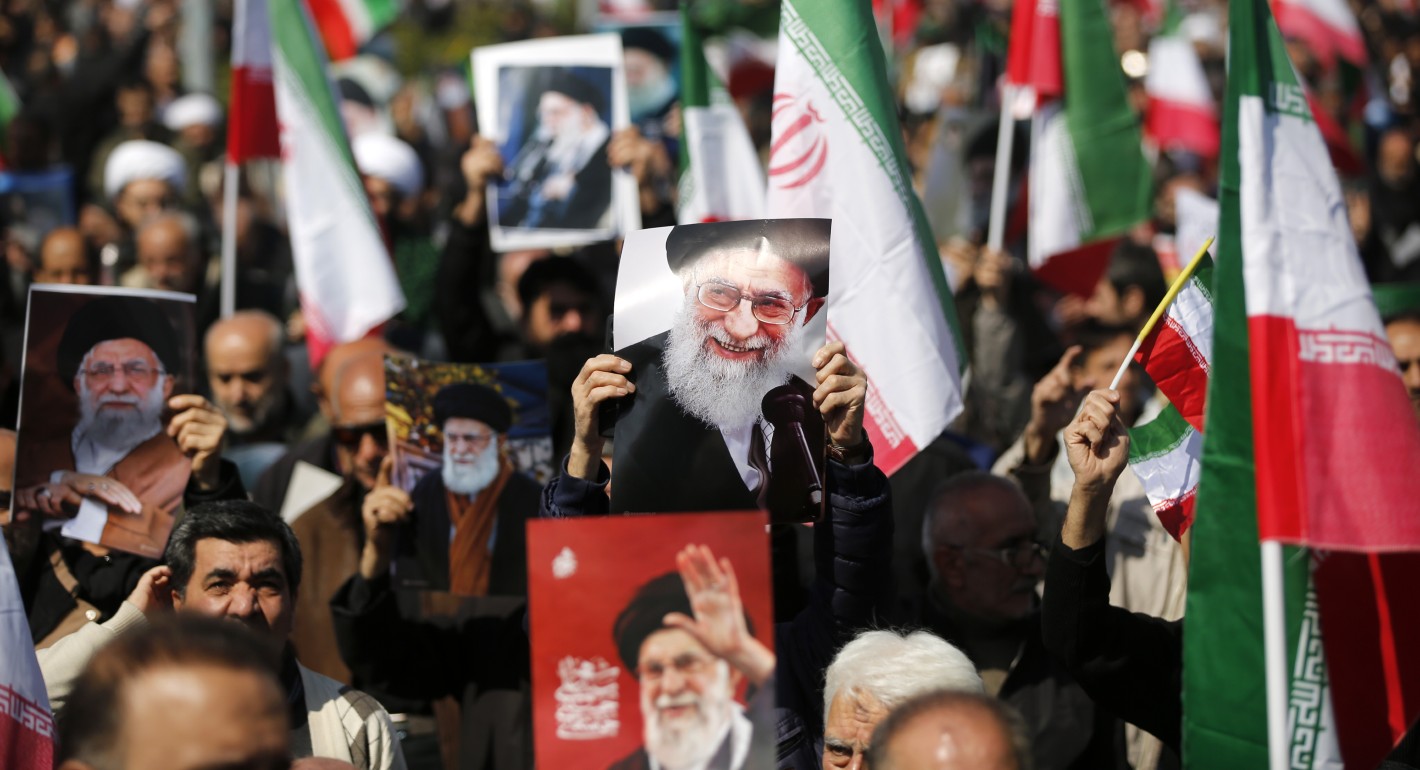
If the succession process can be carried out as Khamenei intended, it will likely bring a hardliner into power.

Eric Lob

But to achieve either, it needs to retain Washington’s ear.

Alper Coşkun

At heart, to impose unconditional surrender on Hezbollah and uproot the party among its coreligionists.

Yezid Sayigh
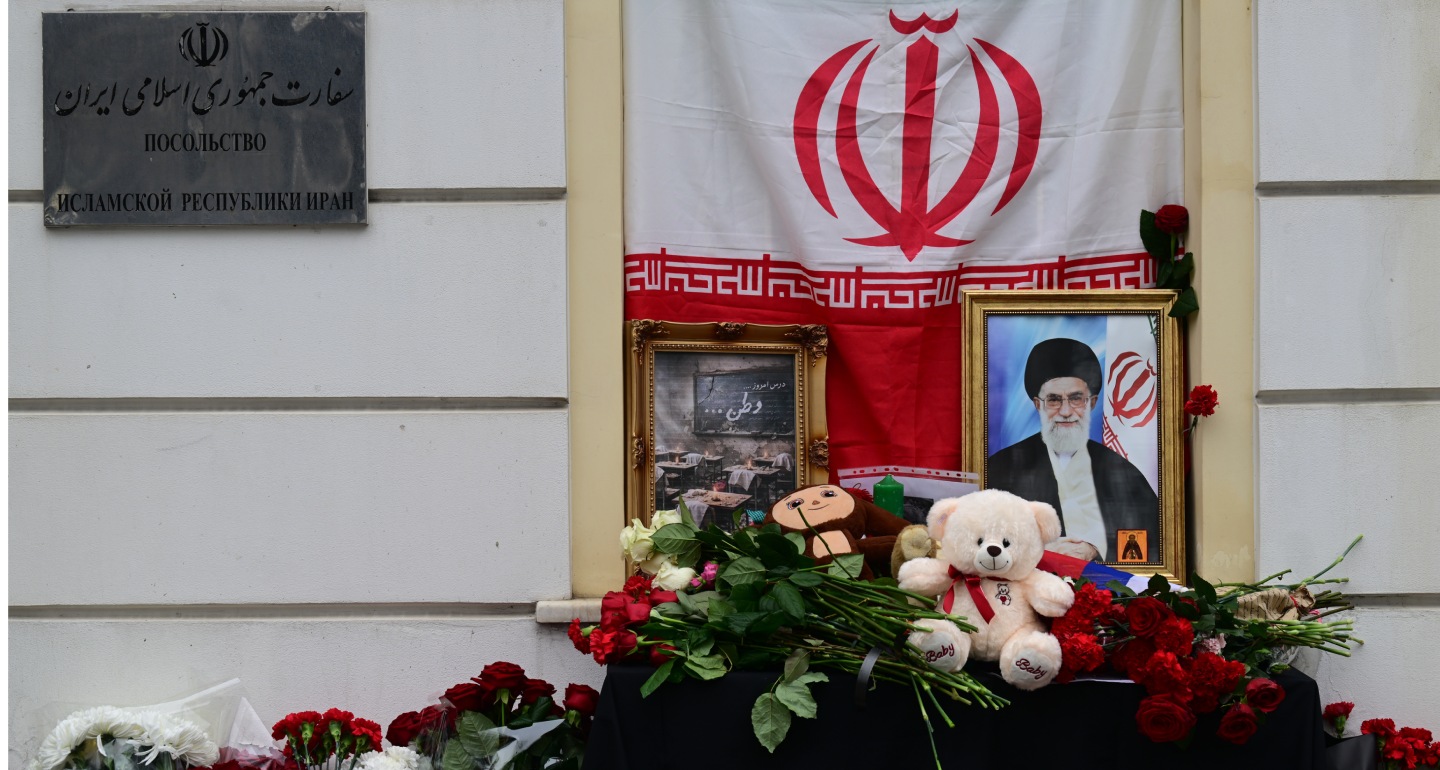
If the regime in Tehran survives, it could be obliged to hand Moscow significant political influence in exchange for supplies of weapons and humanitarian aid.

Nikita Smagin