

Research
Steve Feldstein, Shreya Joshi
{
  "authors": [
    "Steve Feldstein"
  ],
  "type": "legacyinthemedia",
  "centerAffiliationAll": "dc",
  "centers": [
    "Carnegie Endowment for International Peace"
  ],
  "collections": [
    "Tech and Democracy"
  ],
  "englishNewsletterAll": "democracy",
  "nonEnglishNewsletterAll": "",
  "primaryCenter": "Carnegie Endowment for International Peace",
  "programAffiliation": "DCG",
  "programs": [
    "Democracy, Conflict, and Governance"
  ],
  "projects": [],
  "regions": [],
  "topics": [
    "Democracy",
    "Technology"
  ]
}
REQUIRED IMAGE
The potential impact of generative AI across politics, governance and war is enormous, and is the subject of considerable speculation informed by few hard facts.

Director and Senior Fellow, Democracy, Conflict, and Governance Program
Steve Feldstein is a senior fellow and director of the Democracy, Conflict, and Governance Program at the Carnegie Endowment for International Peace. His research focuses on technology, national security, the global context for democracy, and U.S. foreign policy.
Recent Work
Steve Feldstein, Shreya Joshi
Steve Feldstein
Carnegie does not take institutional positions on public policy issues; the views represented herein are those of the author(s) and do not necessarily reflect the views of Carnegie, its staff, or its trustees.
AI technology has proliferated extensively and offers authoritarian leaders three crucial advantages: scale, speed, and efficiency. As a result, it has undoubtedly become a crucial tool of repression. But AI tools also give individuals and activists the means to organize, resist, and hold their governments accountable. Today, it is far more difficult for autocratic leaders to hide their corrupt practices and govern in darkness.
Steve Feldstein, Shreya Joshi
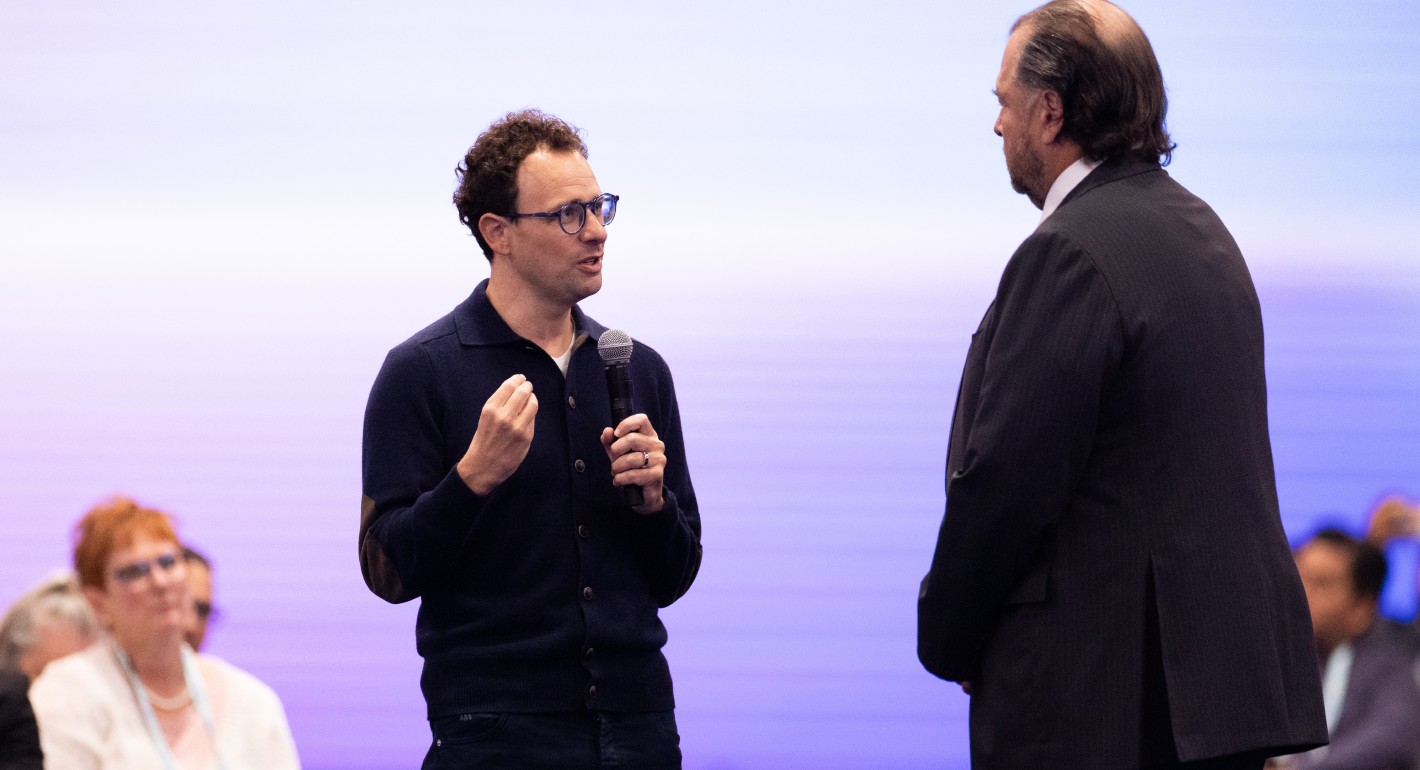
Why governance of rapidly evolving technology will be distributed and complex.


Stewart Patrick, Scott Singer

While there are notable demographic, economic, and geographic divides over AI, there is also substantial alignment between Republicans and Democrats.


Ian Klaus, Mark Baldassare, Rachel George, …

The world is at a critical inflection point, where a combination of ever more powerful AI systems, accelerating proliferation, and a corresponding norms vacuum is setting up a dangerous set of conditions.
Steve Feldstein

AI capabilities are moving fast. Most institutions—including governments—can’t keep up.

Anton Leicht, Scott Singer