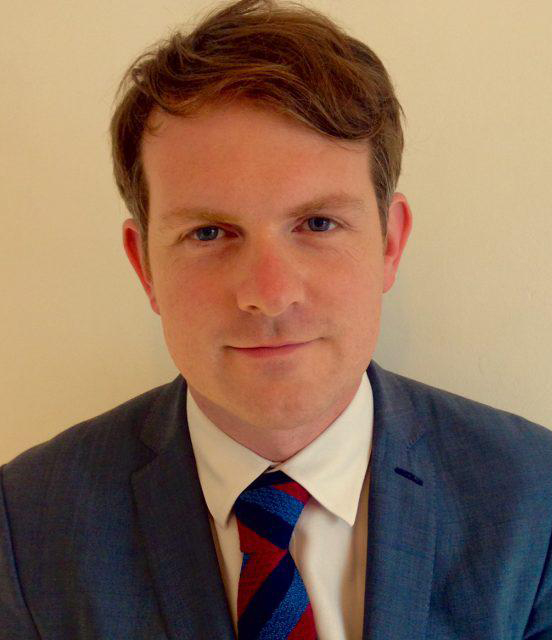
Europe isn’t as weak in the new geopolitics of power as many would believe. But to leverage its assets and claim a sphere of influence, Brussels must stop undercutting itself.
Dimitar Bechev
REQUIRED IMAGE
Source: CERN Global Dialogue Series
Background Studies Prepared for the Bangkok Meeting
SUMMARY
These country case studies offer detailed, political economy analyses of the Asian financial crisis and the different approaches to managing each country's recovery. Wing Thye Woo gives a broad comparative analysis of the economic and political dimensions of the crisis in Malaysia, South Korea, and Indonesia. Jongryn Mo details reforms in South Korea undertaken as a result of the crisis, and the factors that made these reforms politically feasible. Pasuk Phongpaichit and Chris Baker analyze the politics of reform in Thailand, both during its boom period and the post-crisis period, giving particular emphasis to distributional issues.
Jongryn Mo
Pasuk Phongpaichit
Chris Baker
Europe isn’t as weak in the new geopolitics of power as many would believe. But to leverage its assets and claim a sphere of influence, Brussels must stop undercutting itself.
Dimitar Bechev
Tehran’s attacks are reshaping the security situation in the Middle East—and forcing the region’s clock to tick backward once again.
Amr Hamzawy
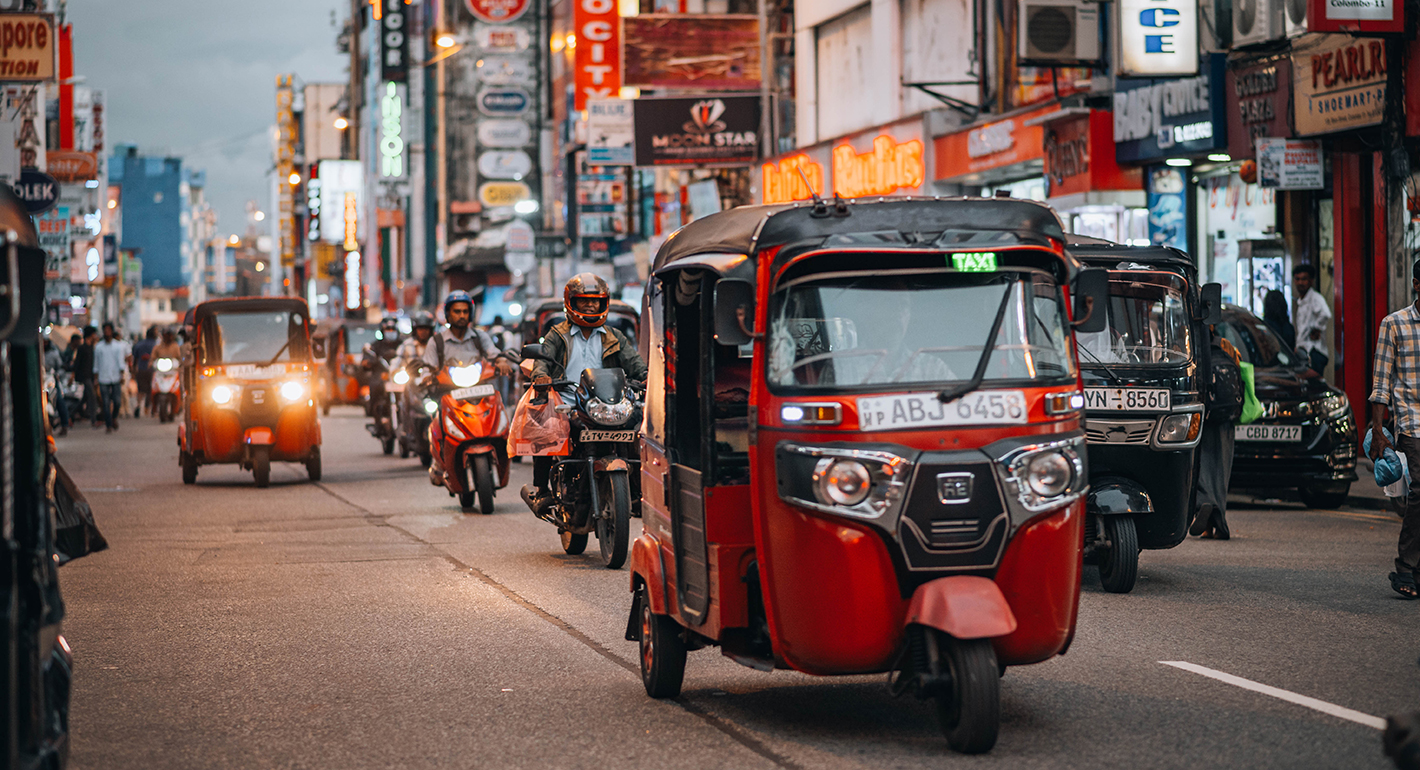
Cargo time release studies offer a path to greater economic gains and higher trust between neighboring countries.
Nikita Singla
Only collective security can protect fragile economic models.
Andrew Leber
In a volatile Middle East, the Omani port of Duqm offers stability, neutrality, and opportunity. Could this hidden port become the ultimate safe harbor for global trade?
Giorgio Cafiero, Samuel Ramani