

Commentary
In Colombia and elsewhere in the region, the United States is trying to shape election outcomes—but at what cost?
Oliver Stuenkel, Adrian Feinberg

REQUIRED IMAGE
Source: Carnegie
Summary
In the 1990s the Brazilian government embarked on a new era, privatizing previously state-owned companies like the country's first large-scale steel mill, National Steel Company (CSN). Privatized enterprises like CSN have seen growing profits, have attracted more investment, and have contributed to Brazil's growth in the 1990s. However, privatization could have had even more benefits-broadening as well as increasing the benefits of more efficient and competitive firms. Here, Roberto Macedo analyzes how a program that could have increased access to-or democratize-capital ownership, ended up mostly benefiting big business in Brazil and abroad.
In selling its shares in state-owned enterprises, the Brazilian government, Macedo shows, opted for a higher price by auctioning large and controlling blocks of shares to national companies, foreign investors, pension funds, and financial institutions. Offerings to the public were minimal, and targeted offerings to employees of firms being privatized, for example, benefited high-wage workers.
Macedo argues that the privatization program contributed to the enlargement of Brazil's public debt and large fiscal deficits by delaying the devaluation of the Brazilian real-which took place only last year. Once again, the poorest groups are likely to lose out-since they will share the tax burden of payment on the increased public debt and will suffer the resulting higher interest rates. Other countries that plan to undertake privatization programs would be wise to ensure that benefits accrue to the whole of society, and not just to the wealthy.
Click on link above for full text of this Carnegie Paper.
R Mazedo
Carnegie does not take institutional positions on public policy issues; the views represented herein are those of the author(s) and do not necessarily reflect the views of Carnegie, its staff, or its trustees.

In Colombia and elsewhere in the region, the United States is trying to shape election outcomes—but at what cost?

Oliver Stuenkel, Adrian Feinberg
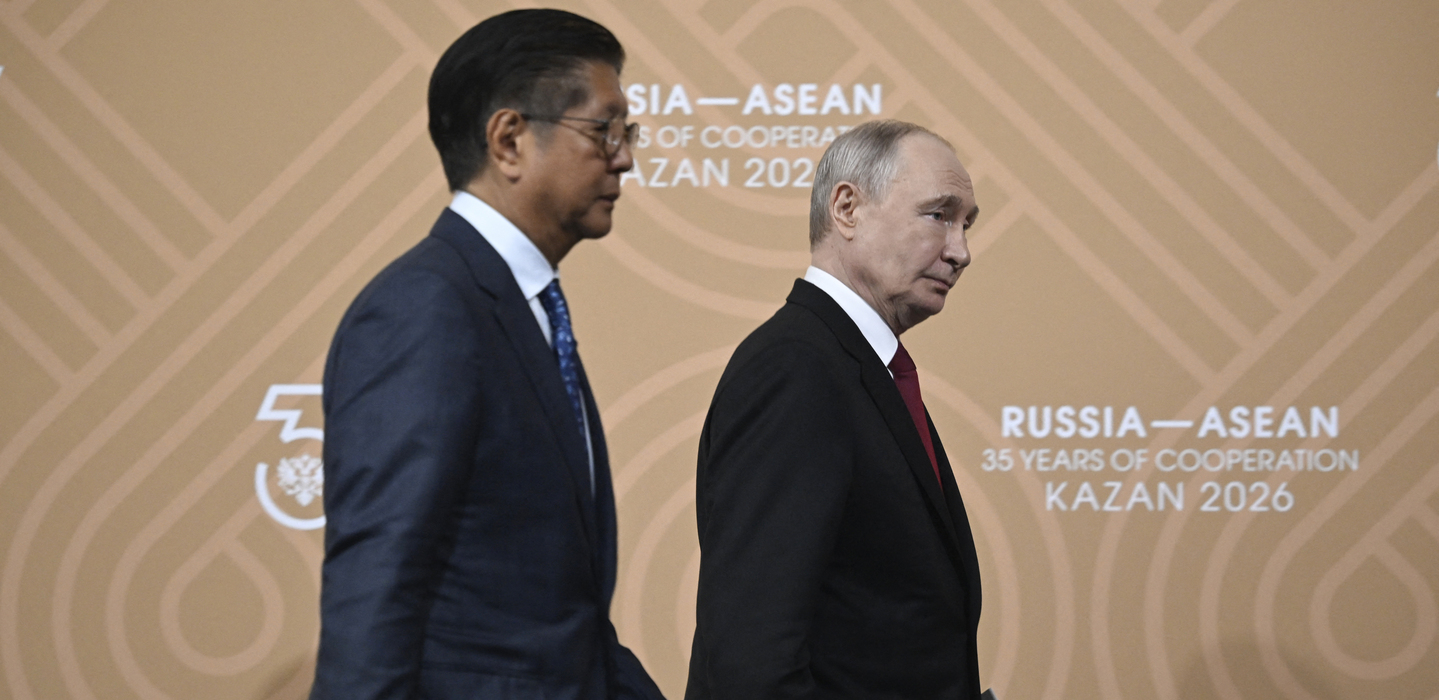
Russia looks set to reap economic benefits from closer ties with Southeast Asian countries that are keen to find reliable energy suppliers and diversify trade ties.

Alexander Gabuev

To carry out its global AI agenda, Washington will need strategic relationships with emerging markets in Africa, starting with Kenya.

Jane Munga
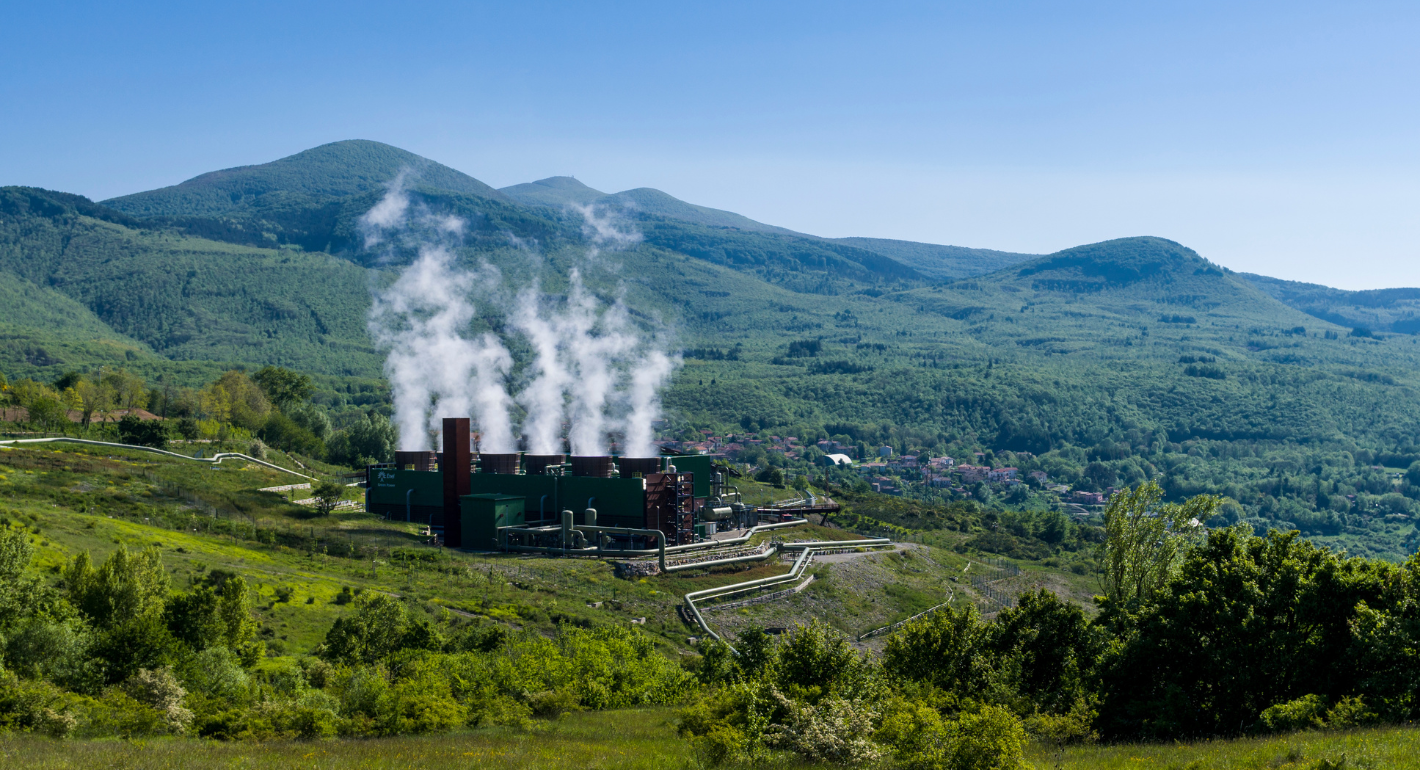
Europe’s industrial supply chains leave it vulnerable to global shocks. The EU needs a pragmatic green industrial strategy that balances durable partnerships and bolsters homegrown clean tech without sacrificing low-carbon ambition.


Milo McBride, Pauline Gerard

If it proves impossible for the Russian authorities to avoid a gasoline deficit, the question then becomes how they will organize the distribution of a scarce resource.

Sergey Vakulenko