

Research
Latin America is undergoing a political transformation driven as much by the perception of insecurity as by its reality.
Robert Muggah

A new vision and operational strategy to help humanitarians adapt aid systems to fragmentation while safeguarding core principles, sustaining access, and maintaining legitimacy.
Carnegie does not take institutional positions on public policy issues; the views represented herein are those of the author(s) and do not necessarily reflect the views of Carnegie, its staff, or its trustees.
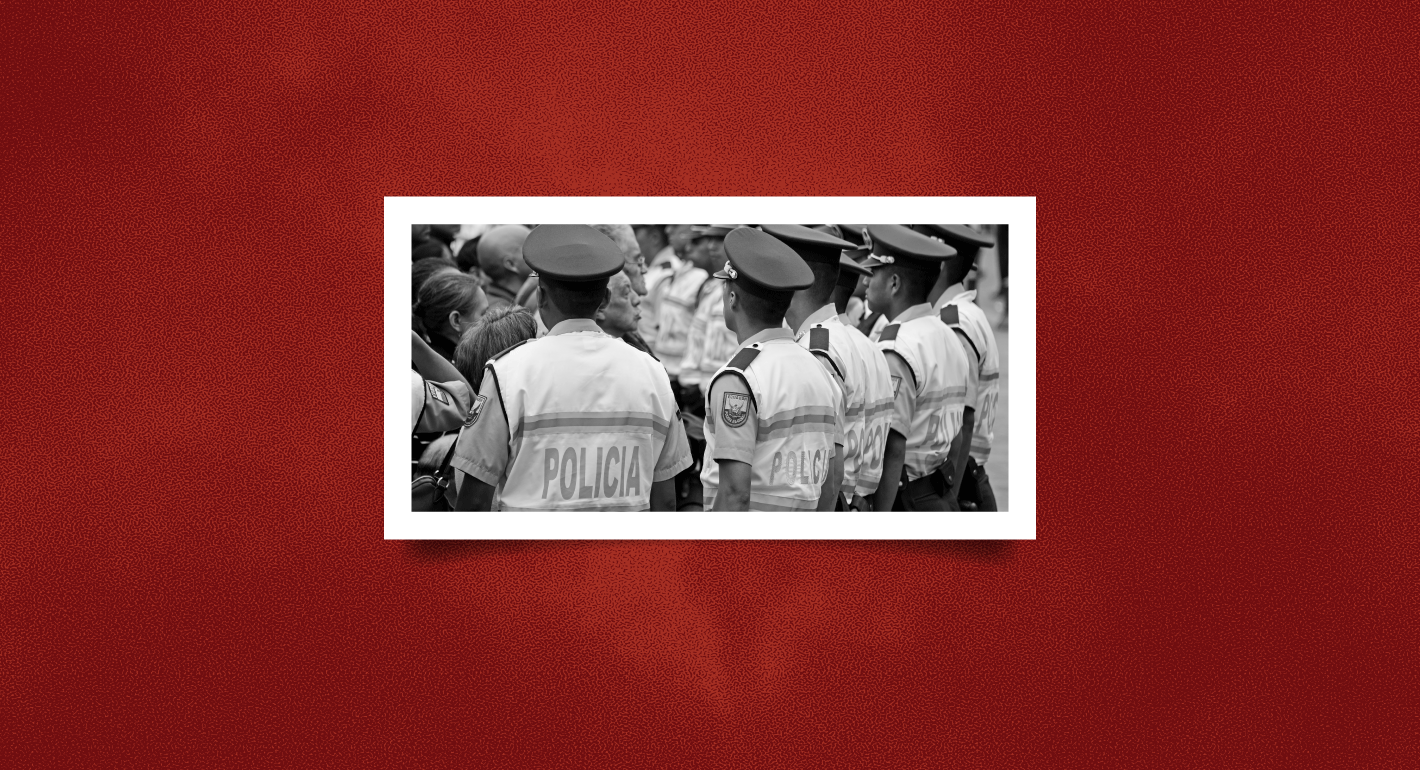
Latin America is undergoing a political transformation driven as much by the perception of insecurity as by its reality.
Robert Muggah

East Asian order should not be conflated with U.S. strategy in Asia.

Evelyn Goh

When the United States proclaims moral superiority while acting inconsistently with those moral claims, it pays a measurable price in global cooperation and international legitimacy.
Matias Spektor
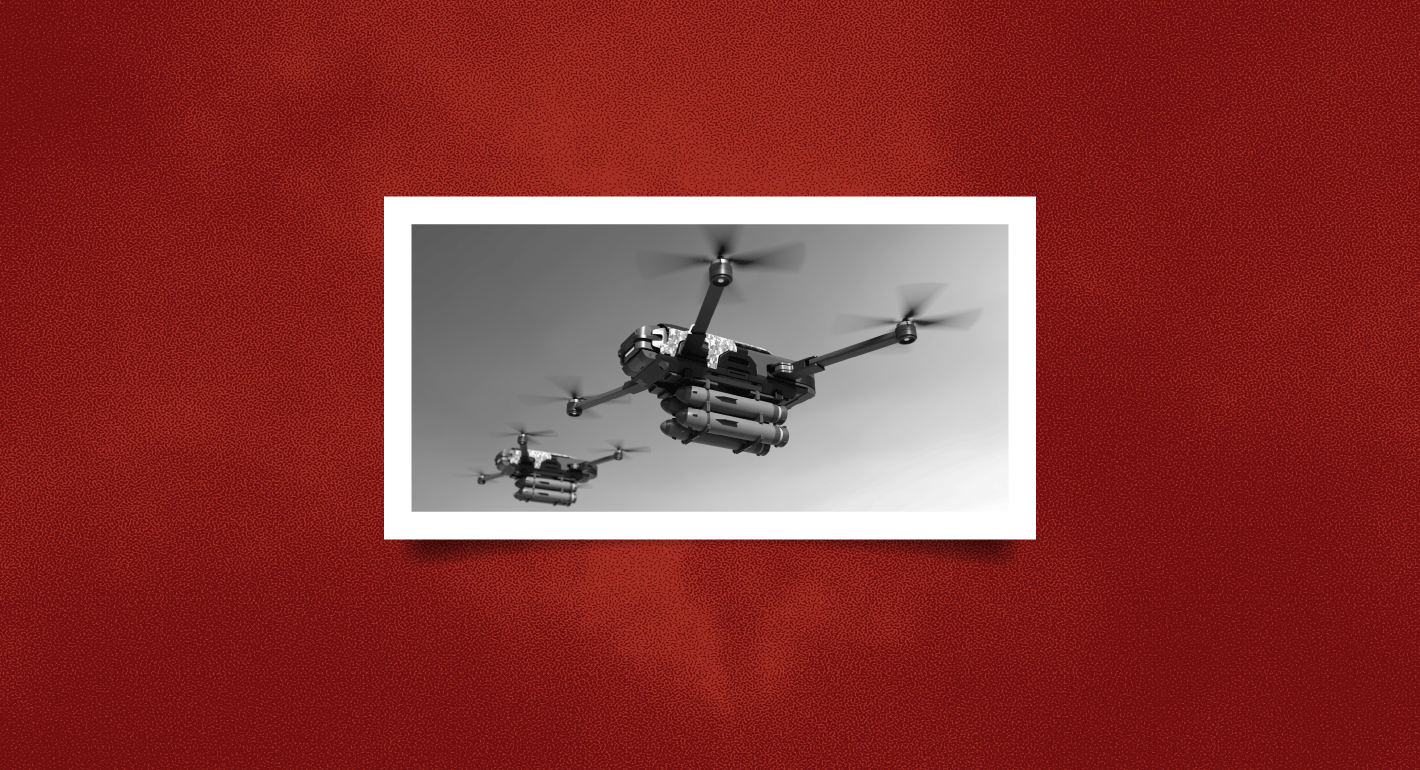
Reflections on the effects of technological change and normative retrenchment on the character of contemporary war.
Mats Berdal

Portraying the world as multipolar belies the complexity, significance, and extent of recent changes and could have disastrous policy consequence. In a multi-order world, relationships within orders are as important as relations between orders.
Trine Flockhart