A new vision and operational strategy to help humanitarians adapt aid systems to fragmentation while safeguarding core principles, sustaining access, and maintaining legitimacy.
Rebecca Thompson
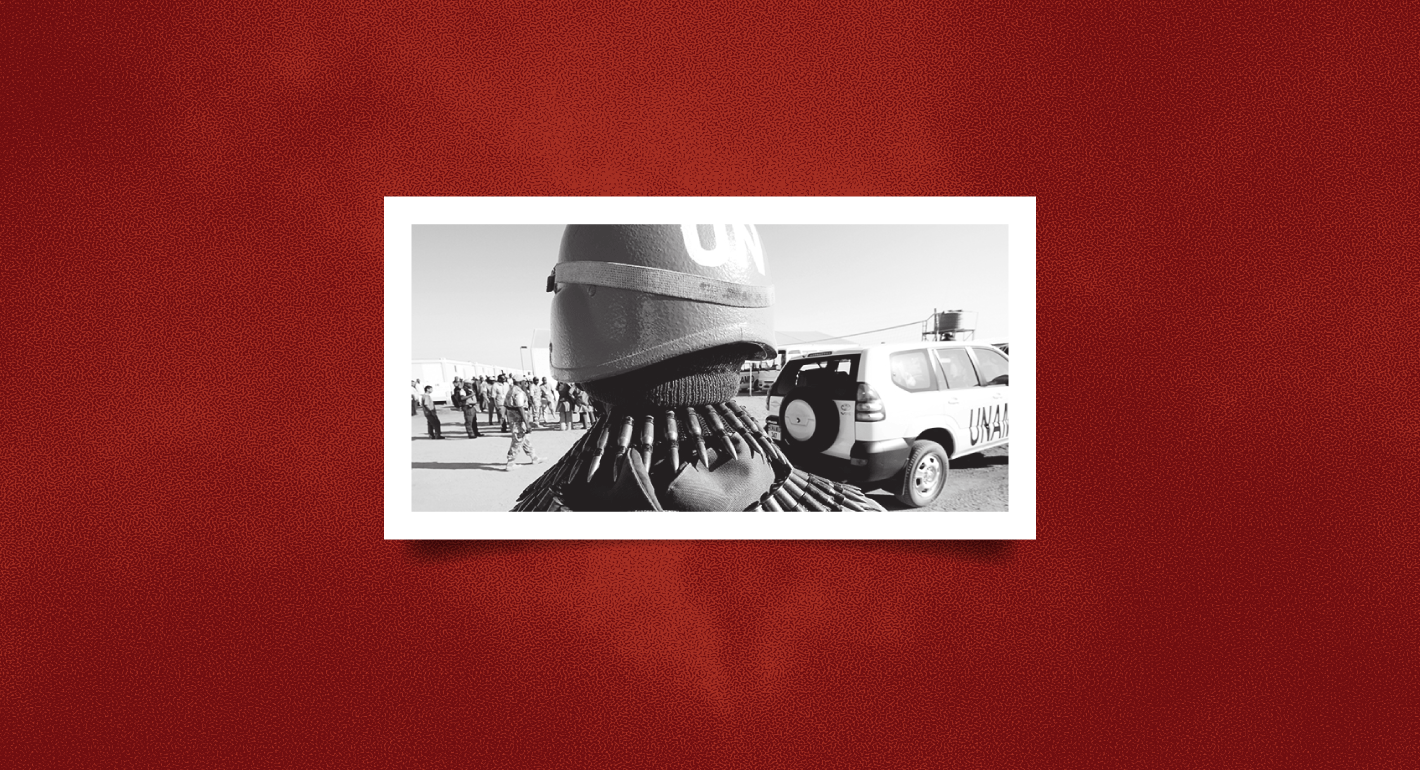
The ambitious multidimensional UN peace operations of the early post-Cold War decades are over, supplanted by bare bones, securitized efforts that give short shrift to liberal goals of democracy, human rights, and the rule of law.
Carnegie does not take institutional positions on public policy issues; the views represented herein are those of the author(s) and do not necessarily reflect the views of Carnegie, its staff, or its trustees.
A new vision and operational strategy to help humanitarians adapt aid systems to fragmentation while safeguarding core principles, sustaining access, and maintaining legitimacy.
Rebecca Thompson
Against the backdrop of increasing global tensions, transformative technologies—notably artificial intelligence—are poised to revolutionize how the military wages war and how leaders think about, prepare for, and decide to go to war.
Adam McCauley
Local political and social dynamics will shape the implementation of any peace settlement following Russia’s war against Ukraine—dynamics that adversaries may seek to exploit.
Daryna Dvornichenko, Holger Nehring
Beyond hardening borders, rejecting asylum claims, and deporting undocumented persons, some governments have tried to “offshore” the problem of uncontrolled movements across their frontiers.
Eleanor Davey
One of the trickiest challenges to peacebuilding is transforming former combatants, including rebels, into legitimate political actors. Four factors that shape prospects for postwar integration
Gyda Sindre