

Комментарий
Александра Прокопенко
{
  "authors": [
    "Александра Прокопенко"
  ],
  "type": "commentary",
  "blog": "Carnegie Politika",
  "centerAffiliationAll": "dc",
  "centers": [
    "Carnegie Endowment for International Peace",
    "Берлинский центр Карнеги"
  ],
  "collections": [],
  "englishNewsletterAll": "ctw",
  "nonEnglishNewsletterAll": "",
  "primaryCenter": "Берлинский центр Карнеги",
  "programAffiliation": "russia",
  "programs": [
    "Russia and Eurasia"
  ],
  "projects": [],
  "regions": [
    "Россия",
    "Восточная Европа",
    "Украина",
    "Россия и Кавказ"
  ],
  "topics": [
    "Внешняя политика США",
    "Экономика"
  ]
}
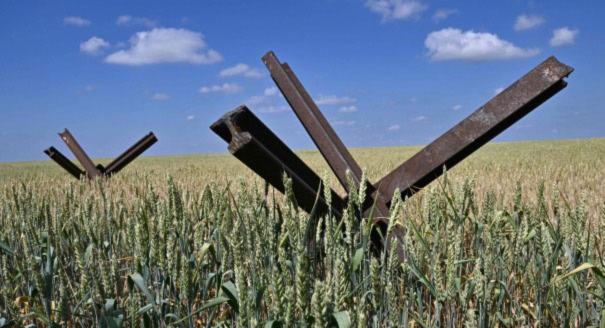
Источник: Getty
Существенные изъятия из санкционного режима, которые получила Россия в обмен на сделку, позволяют ей воспользоваться высокими ценами на мировом рынке и выгодно реализовать собственный рекордный урожай, а близким к Кремлю агрохолдингам – не потерять экспортную выручку
После долгих переговоров при посредничестве Турции и ООН Россия согласилась разблокировать украинские порты для вывоза зерна. По оценкам Киева, на подготовку портов и разминирование коридоров уйдет около 10 дней, а это значит, что уже в августе зерно может отправиться к потребителям – прежде всего, странам Северной Африки.
Ожидается, что сделка позволит вывезти из Украины 22 млн тонн пшеницы, кукурузы и других зерновых, которые скопились в портах Одессы, Черноморска и Южного. Но еще важнее, что появление на рынке этих объемов зерна должно снизить мировые цены на пшеницу и запустить цепную реакцию удешевления других продовольственных товаров. И действительно, после новостей о сделке цена на пшеницу на бирже в Чикаго упала на 5% – до уровней начала февраля.
Причины, подтолкнувшие Киев подписать это соглашение, понятны – Украина сможет расширить экспорт и улучшить ситуацию с поступлением столь необходимой валюты. ООН благодаря успешному завершению переговоров укрепила свой авторитет и привлекла внимание к угрозе голода в развивающихся странах. А вот с мотивами Москвы ясности гораздо меньше. Как нет ее и по поводу того, собирается ли Россия в принципе соблюдать это соглашение. Ракетный обстрел Одессы меньше чем через сутки после подписания только укрепил эти сомнения.
В общих чертах сделка выглядит следующим образом. ВМС Украины будут сопровождать суда с зерном, когда те пойдут по разминированным коридорам. Россия не будет атаковать ни военные корабли, ни портовую инфраструктуру. Турция и ООН будут досматривать суда с зерном на предмет контрабанды.
По словам украинского премьера Шмыгаля, разблокирование морских портов принесет Киеву «миллиарды долларов». По подсчетам директора аналитического центра «Совэкон» Андрея Сизова, Украина сможет заработать около $5 млрд, вывезя скопившееся зерно и масло.
Прогноз «Совэкона» на урожай в новом зерновом году (начался в июле 2022-го) тоже неплохой, несмотря на военные действия: 57 млн тонн против 87 млн тонн в предыдущем году. Это в три раза превышает внутреннюю потребность Украины, а значит, невозможность вывезти новый урожай может обвалить цены внутри страны и еще больше осложнить жизнь украинским фермерам.
В прошлые годы Россия и Украина в совокупности обеспечивали почти треть мировых поставок пшеницы и ячменя. В 2021 году Россия была крупнейшим в мире экспортером пшеницы и меслина с долей 18%. Довоенная доля Украины в глобальном экспорте пшеницы – 10% (пятое место в мире), подсолнечника – 42% (первое место), кукурузы – 16% (второе место), ячменя – 10% (третье место). Главные покупатели украинского зерна – Молдавия, Ливан, Катар, Тунис, Ливия. Основные направления российского аграрного экспорта – Африка и Ближний Восток.
Цены на продовольствие стали расти еще до российского вторжения в Украину – из-за пандемии, проблем с логистикой и удорожания энергоносителей. Всемирный банк прогнозировал, что в 2022 году цены на пшеницу повысятся на 40%. В результате, по расчетам FAO, в ближайший 2022/23 сельскохозяйственный год число голодающих в Африке и на Ближнем Востоке может увеличиться на 1–2%, в Азиатско-Тихоокеанском регионе – на 0,9–1,4%, в Латинской Америке – на 0,6–1,1%. Развитые экономики также подвержены риску – всплеску инфляции. Возвращение украинского зерна на мировой рынок и ослабление ограничений на российский аграрный экспорт должны снизить давление на цены и сделать их более предсказуемыми.
Большую роль в подписании соглашения сыграли партнеры России на Ближнем Востоке и в Северной Африке. С начала марта о своей озабоченности по поводу экспорта зерна через Черное море в формальных и неформальных контактах с Москвой говорили лидеры таких разных стран, как Турция, Египет, Иран, Саудовская Аравия и Израиль. Все они настаивали, что перебои с поставками продовольствия могут дестабилизировать ситуацию в регионе, как это уже было во время «арабской весны».
Среди них от подписанной сделки больше всего выигрывает Турция. Она наглядно показала, что может быть эффективным посредником в российско-украинском конфликте, решая конкретные проблемы. Также Турция, скорее всего, заработает на переработке российского и украинского зерна перед передачей его потребителям на Ближнем Востоке.
Помимо уговоров со стороны ближневосточных партнеров, интерес Москвы к этому соглашению объясняется тем, что разблокировка украинских портов означала для России устранение препятствий для ее собственного экспорта зерна и удобрений. Необходимое для этого ослабление санкционного режима, позволяющее проводить операции с российскими удобрениями и сельхозпродукцией, не было формальной частью соглашения, но было согласовано параллельно с США и ЕС.
Речь идет о довольно значительных суммах. В 2021 году поставки зерна за рубеж принесли России $11 млрд, годом ранее – $10 млрд. Российский Минсельхоз оценивает экспорт зерна из России в 2021/22 сельскохозяйственном году (заканчивается в июле) на уровне 45–48 млн тонн, экспортный потенциал следующего сельскохозяйственного года – около 50 млн тонн зерновых. Существенные изъятия из санкционного режима, которые Россия получила в обмен на сделку, позволяют ей воспользоваться высокими ценами на мировом рынке и выгодно реализовать собственный рекордный урожай, а близким к Кремлю агрохолдингам – не потерять экспортную выручку.
Крупнейшие российские аграрии тесно связаны с властями, а развитие сектора курирует министр Дмитрий Патрушев – старший сын секретаря Совета безопасности Николая Патрушева. Собственниками второго по величине экспортера зерна «Деметра-холдинг» являются ВТБ и структуры Marathon Group Александра Винокурова, зятя министра иностранных дел Сергея Лаврова. Бенефициар Агрокомплекса имени Н.И.Ткачева – экс-губернатор Краснодарского края и бывший министр сельского хозяйства Александр Ткачев. Агрохолдинг «Степь», который не только выращивает зерно, но и занимается агротрейдингом, входит в АФК «Система» Владимира Евтушенкова (в санкционных списках Великобритании). Владельцев холдинга «Мираторг» (производит мясо и кормовую базу для своего животноводства) братьев Линник связывают с супругой экс-президента РФ Дмитрия Медведева.
Свою выгоду от сделки получат и некоторые российские банки – их замороженные средства могут быть частично освобождены властями ЕС, чтобы избежать сбоев при оплате сельхозпродукции. Это смягчение коснется не только крупнейших банков РФ, но и тех, что финансируют ближний круг Путина, а также российский ВПК – например, банка «Россия» (бенефициары – друзья Путина Юрий Ковальчук и Николай Шамалов), Промсвязьбанка (главный банк российского оборонного сектора), Новикомбанка (кэптивный банк «Ростеха»).
Для Москвы важен не только аграрный экспорт, но и импорт различных сельхозтоваров, который упростится благодаря сделке. Российские фермеры сильно зависят от импортных семян. На 100% Россия обеспечена только семенами пшеницы, кукурузы – 58%, подсолнечника – 73%. Импортируется почти 90% семян картофеля, около 70% – рапса, от 30% до 90% семян плодово-ягодных культур. Санкции также осложнили аграриям покупку средств защиты растений: на импорт тут приходится порядка трети, в основном из Китая и ЕС.
В животноводстве Россия обеспечивает себя на 70–75%, однако большая часть племенного фонда завозится из-за рубежа, особенно в птицеводстве и свиноводстве. Быстро наладить племенное импортозамещение практически нереально. Критическая зависимость у российских фермеров и в поставках ветеринарных препаратов: в России производится только треть необходимого объема, 70% нужно ввозить из-за границы.
Наконец, связанное со сделкой смягчение санкций может упростить для России импорт сельхозтехники: как самих комбайнов и уборочных машин, так и запчастей к ним. В 2021 году импорт составлял более 75% российского рынка сельхозтехники – в основном из Германии и Нидерландов.
Эту уборочную кампанию фермеры еще могут пройти без особых проблем, но успех следующей в условиях санкций не гарантирован. Над отраслью нависает угроза архаизации: использования более примитивных удобрений, химии для защиты растений, уборочных машин. Все это снижает урожайность. А без импорта семян, племенного фонда и оборудования под угрозой может оказаться продовольственная безопасность самой России.
Так что выгоды России от этой сделки тоже весьма значительные, но, к сожалению, это еще не гарантирует, что Москва будет всеми силами стараться ее соблюдать. Меньше чем через сутки после подписания соглашения Россия нанесла ракетные удары по одесскому порту, заявив, что била по военным целям.
Технически стамбульское соглашение не было нарушено, если не зафиксирован ущерб зерновой инфраструктуре. Кроме того, Россия не подписывала прямого соглашения с Украиной – только меморандумы с ООН и Турцией. Москва может толковать это как достаточное основание, чтобы продолжить удары по целям, которые она определяет как военные. Наконец, в Кремле, скорее всего, хотят еще раз продемонстрировать, что компромиссы по отдельным вопросам не означают, что Россия готова смягчить свои требования к Украине в целом.
Нельзя исключать, что Москва в любой момент может решить, что Киев нарушает условия соглашения или что оно больше не отвечает интересам России, и выйти из него в одностороннем порядке, несмотря на все выгоды, которые сделка несет российским фермерам и экономике. За минувшие пять месяцев Владимир Путин не раз давал понять, что экономическая логика – плохой помощник в прогнозировании его действий.

Научный сотрудник
Александра Прокопенко — старший научный сотрудник Берлинского центра Карнеги по изучению России и Евразии.
Недавние работы
Александра Прокопенко
Александра Прокопенко
Карнеги не занимает институциональных позиций по вопросам государственной политики; изложенные здесь взгляды принадлежат автору(ам) и не обязательно отражают взгляды Карнеги, его сотрудников или попечителей.

На каждый бюджетный рубль, который в 2027 году потратят на социальную политику, здравоохранение и образование, придется два рубля на армию, полицию, Росгвардию и спецслужбы.
Александра Прокопенко
При всей помпезности встречи двух лидеров, на прошедшем саммите США и Китай не продвинулись в решении ни одного из вопросов, а только застыли друг перед другом, широко улыбаясь и подавая перемирие как прорыв.

Темур Умаров

Европейские крайне правые, возможно, не смогут развернуть политику ЕС в нужное России русло. Но они способны создать внутри Европы достаточно конфликтов, чтобы эффективно нейтрализовать любые ее геополитические амбиции. С точки зрения Кремля, это совсем неплохой результат.

Димитар Бечев

Севморпуть оживает ровно в той мере, в какой воюет остальной мир. Сейчас его подогревают сразу три конфликта, но с уменьшением их интенсивности ситуация, скорее всего, вернется туда, где была 10 лет назад.

Михаил Коростиков

Принудительная мобилизация с адресным контролем стала основной электоральной моделью. Вместо настоятельных просьб об одобрении своей политики Кремль теперь буквально требует голоса электората.

Андрей Перцев