

Commentary
Alexandra Prokopenko
{
  "authors": [
    "Alexandra Prokopenko"
  ],
  "type": "commentary",
  "blog": "Carnegie Politika",
  "centerAffiliationAll": "dc",
  "centers": [
    "Carnegie Endowment for International Peace",
    "Carnegie Russia Eurasia Center"
  ],
  "collections": [],
  "englishNewsletterAll": "ctw",
  "nonEnglishNewsletterAll": "",
  "primaryCenter": "Carnegie Russia Eurasia Center",
  "programAffiliation": "russia",
  "programs": [
    "Russia and Eurasia"
  ],
  "projects": [],
  "regions": [
    "Russia",
    "Caucasus"
  ],
  "topics": [
    "Political Reform",
    "Economy",
    "Domestic Politics"
  ]
}
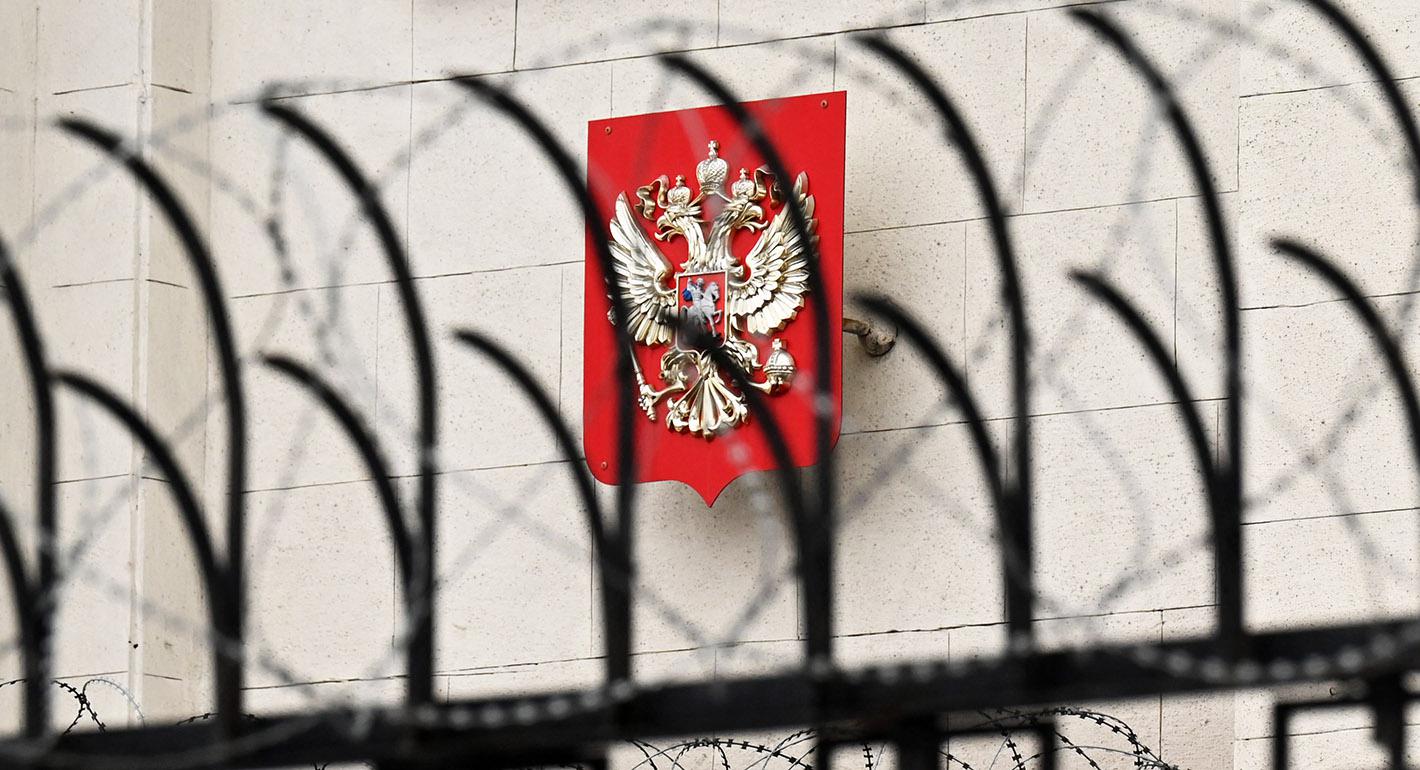
Source: Getty
The absence of any mechanism for getting sanctions lifted, or even any dialogue on this issue, means the Russian elites have no choice but to hunker down in Russia.
A year into Russia’s invasion of Ukraine, the Russian elites—senior officials and businessmen—have been unable to muster any enthusiasm for the “special military operation.” Nor, however, have they found it in them to publicly speak out against it.
Hardly anyone genuinely shares President Vladimir Putin’s goals in starting this war. Many of those in the so-called “party of war” are politicians who saw the war as a career elevator. Those in the “party of peace,” on the other hand, are focused on minimizing the consequences of war for Russian society, while senior managers continue to adapt their enterprises to the new reality and try not to follow the news too closely.
Only a few have been principled enough to resign their posts. Moral compromises and downright fear of the security services mean that most have stayed put, though they are in no hurry to rally around Putin or take part in the outpouring of “patriotism,” either. Generally, anyone who has anything to lose simply prefers to lie low and keep quiet.
Only a very narrow circle of Putin’s associates knew of his intentions to invade Ukraine. Most were shocked when it happened. But it no longer even occurs to Putin that anyone might not share his goals and convictions, and so since the start of the war, the Kremlin has tried to show that there is broad support for it.
The day of the invasion, the president met with influential businessmen (who all went on to be sanctioned), both to demonstrate that business circles approved of his decision and to reassure them. Those present were reportedly told that their businesses would be supported through sanctions in exchange for patriotism on their part. Indeed, the government soon announced measures to support the economy.
Those promises weren’t quite enough, however. The tycoon Oleg Deripaska, a veteran of sanctions lists, described the war as “madness”; the oil giant Lukoil called for an end to the war; and many Russians fled abroad. Wealthy companies reportedly chartered flights to get their staff out of the country, while those that could not afford to do so simply allowed their staff to relocate abroad.
Even those officials and employees at state corporations who wanted to resign found it was easier said than done. Appointments to and dismissals from senior and high-profile roles have long had to be agreed with the Kremlin: with chief of staff Anton Vaino at the very least, if not Putin himself. Once the war began, the president had no time for such trifles. The only senior official to resign last spring was Anatoly Chubais, who had been a special representative for ties with international organizations, and there is some debate over whether his resignation was accepted before or after he left the country.
In every state structure and company there is a department of FSB employees responsible for overseeing access to sensitive and classified information. Their influence has grown significantly since 2014. After the full-scale invasion, when people started resigning, a recommendation was handed down to keep an eye on anyone who wasn’t happy, and to try to calm them down and prevent them from leaving where possible, according to one HR official at a ministry.
Sources describe various ways of persuading employees to stay on, from taking months to countersign their letters of resignation to threats from management and the resident FSB officers of investigations and foreign travel bans. Anyone who had already fled abroad was fired.
The confusion among the elites is exacerbated by the fact that most of them have lost any personal access to Putin that they may have once had. As during the pandemic, people are still required to go into quarantine for one week before meeting with Putin in person. That is something that far from every official or state businessman can afford to do for the sake of one meeting that might not even yield the desired outcome. The alternative—a video call—makes it harder to solve issues informally.
The vacuum left for the elites by the real Putin has been filled by the “collective Putin”: a small group of his representatives who claim to have an understanding of the president’s wishes and intentions. Those people have given no indication when the war might end, but have one simple message: “You’re either with us or against us.” This is why anyone with anything to lose prefers to keep their head down.
The regime is under no illusions that all those who remain silent are pro-Putin, so a campaign is under way to contain the elites within Russia’s borders. As far back as 2014, officials with access to sensitive information were obliged to seek permission to travel abroad. In 2022, that permission stopped being given: first to senior leadership, and then to rank-and-file employees with access to secret (as opposed to top secret) information.
Some civil servants and employees of state corporations were ordered to hand in their passports, and officials and state company employees at both federal and regional levels were barred from leaving Russia over the festive season. Before the war, such restrictions only applied to military personnel, those working for the security services, and civil servants with full access to classified information.
Recently, there have been growing signals that it will no longer be possible to stay quiet and weather the storm in 2023. Putin believes he is at war not with Ukraine but with the West, and therefore wants to see full support for his military operation across the board. The number of events featuring stars and officials in support of the war is growing, and by the anniversary of the invasion, the chorus of official voices glorifying the war and cursing the West had become a crescendo.
The government and the presidential administration are fighting to win over young minds. A textbook teaching the “correct” interpretation of the events of 2022 has been swiftly put together; there are new regulations governing the teaching of history in universities; and spending on “patriotic education” has grown sixfold. Putin’s assurances that people who don’t agree with the war will not be persecuted are not enough to calm the elite’s fears of a likely wave of repression. Both business circles and officials expect that 2023 will see the start of the exposure of “disloyal” people and demonstrative punishments.
The war and attitudes to it are already being used as an excuse to transfer assets. A businessman close to Chechen leader Ramzan Kadyrov has been given a factory in the destroyed Ukrainian city of Mariupol, along with parts of the OBI hypermarket and Starbucks chains (both companies left the Russian market after the start of the war). Since the annexation of Crimea, the Russian authorities there have “nationalized” 700 properties that belonged to Ukrainian oligarchs.
The absence of any mechanism for getting sanctions lifted, or even any dialogue on this issue, means the Russian elite has no choice but to hunker down in Russia. “Where can I go with sanctions in place? Neither regulators nor lawyers know how to get them lifted. At least at home in Russia things are clearer,” says one federal official.
The Russian elites are completely atomized. They are not yet ready to come together to generate a vision for the future. Nor do they want to lose their assets, freedom, or their lives. Given the long line of mysterious deaths of senior managers at Russian state companies and their close relatives—both in Russia and abroad—that last threat no longer looks so outlandish.

Fellow, Carnegie Russia Eurasia Center
Alexandra Prokopenko is a fellow at the Carnegie Russia Eurasia Center.
Recent Work
Alexandra Prokopenko
Alexandra Prokopenko
Carnegie does not take institutional positions on public policy issues; the views represented herein are those of the author(s) and do not necessarily reflect the views of Carnegie, its staff, or its trustees.
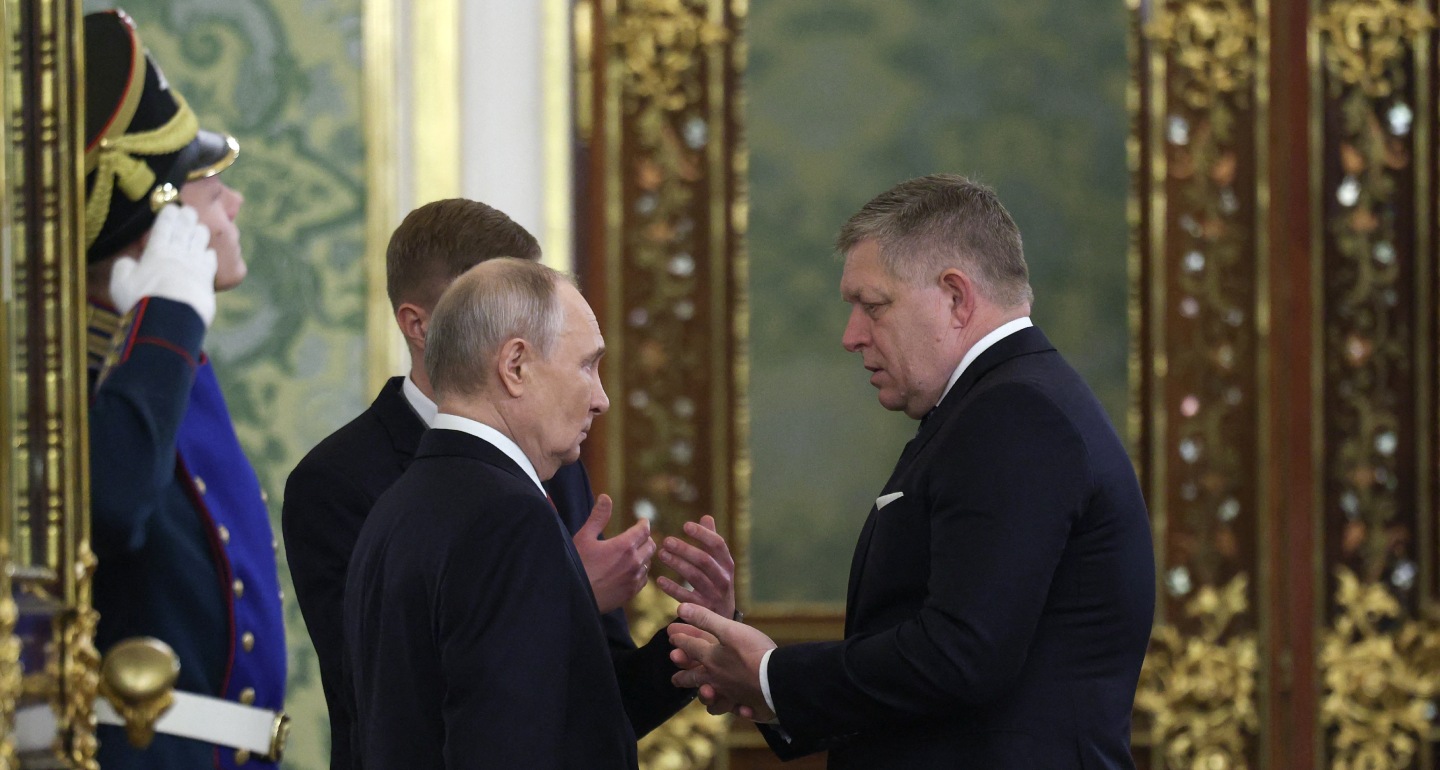
Though Orban is gone, Putin can still count on some like-minded individuals in Central and Eastern Europe. However, they will seek to avoid open confrontation with EU institutions over Ukraine and their ties with Moscow.

Dimitar Bechev
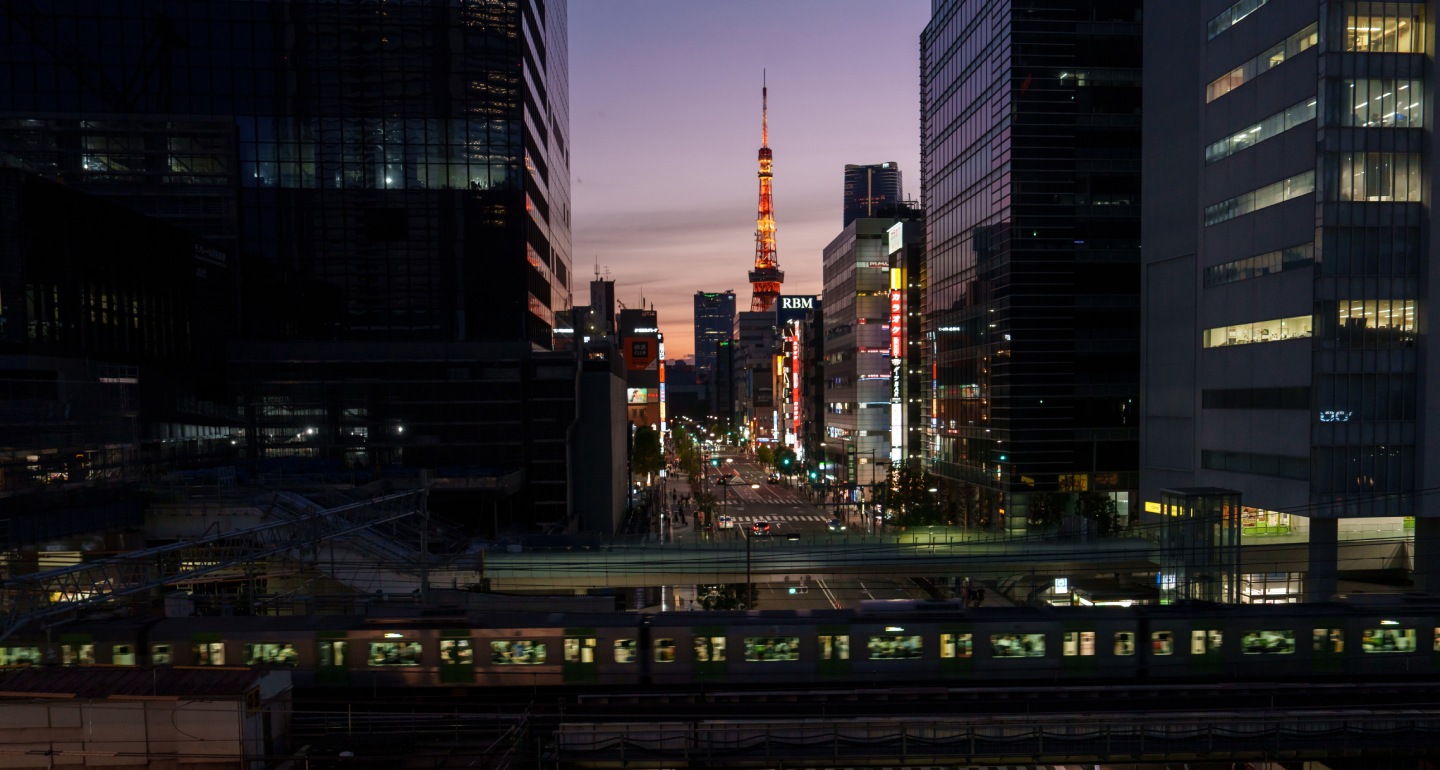
The truth is that Japan’s government is seeking a degree of reengagement but at a vastly reduced level than under Abe. Most significantly, Japan has shown no willingness to ease sanctions.

James D.J. Brown
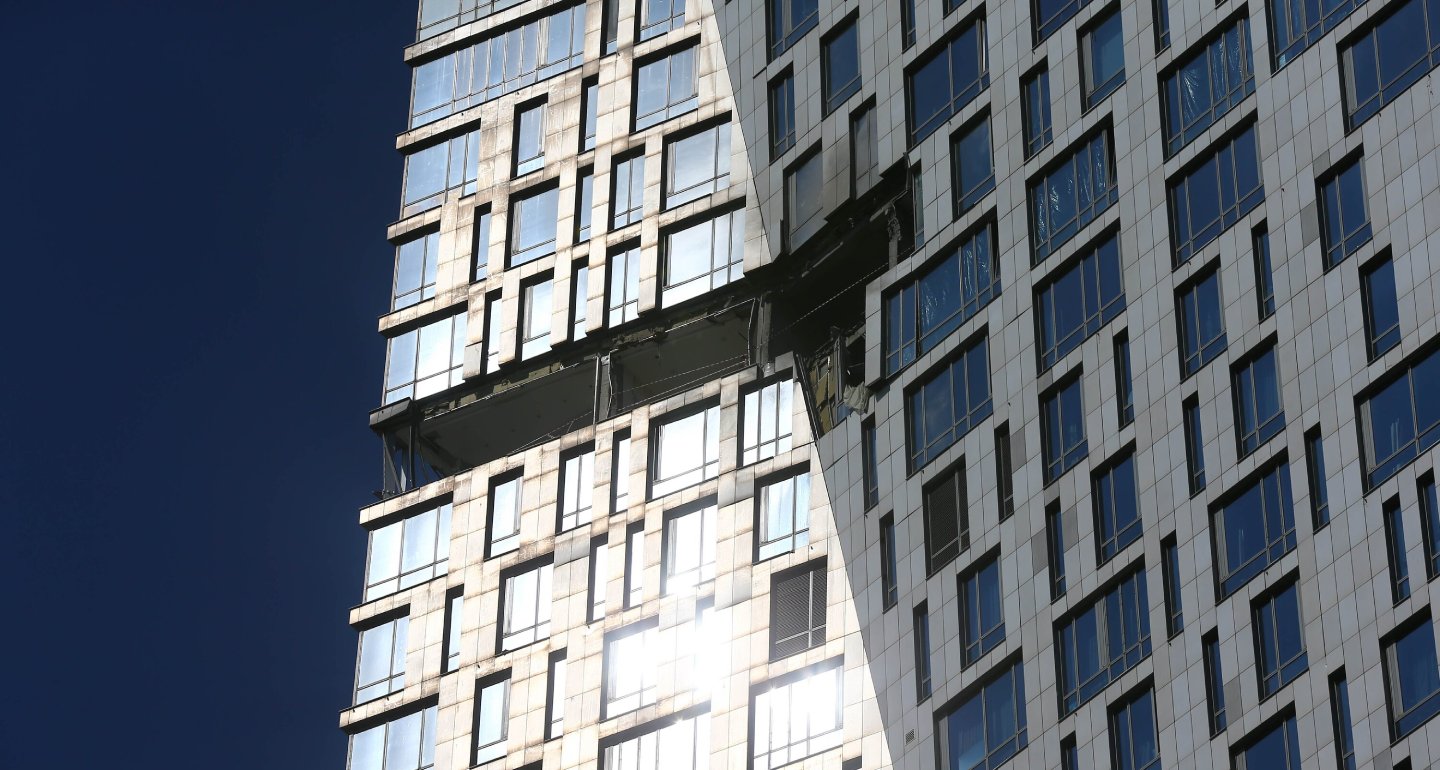
The cost of air defense has become an unregistered tax on revenue for businesses. While military rents are consolidated in the federal budget, the costs of defense are being spread across the balance sheets of companies and regional governments.
Alexandra Prokopenko
Governments in Estonia, Latvia, and Lithuania want to ensure that a U.S. military withdrawal would not leave them dangerously exposed to a Russian attack.

Sergejs Potapkins
Anger over online restrictions has led to a surge in support for the New People party, which has replaced the Communists as Russia’s second most popular political party.

Andrey Pertsev