

Комментарий
Андрей Перцев
{
  "authors": [
    "Андрей Перцев"
  ],
  "type": "commentary",
  "blog": "Carnegie Politika",
  "centerAffiliationAll": "dc",
  "centers": [
    "Carnegie Endowment for International Peace",
    "Берлинский центр Карнеги"
  ],
  "collections": [],
  "englishNewsletterAll": "ctw",
  "nonEnglishNewsletterAll": "",
  "primaryCenter": "Берлинский центр Карнеги",
  "programAffiliation": "russia",
  "programs": [
    "Russia and Eurasia"
  ],
  "projects": [],
  "regions": [
    "Россия",
    "Россия и Кавказ"
  ],
  "topics": [
    "Политические реформы",
    "Экономика",
    "Внутренняя политика России"
  ]
}
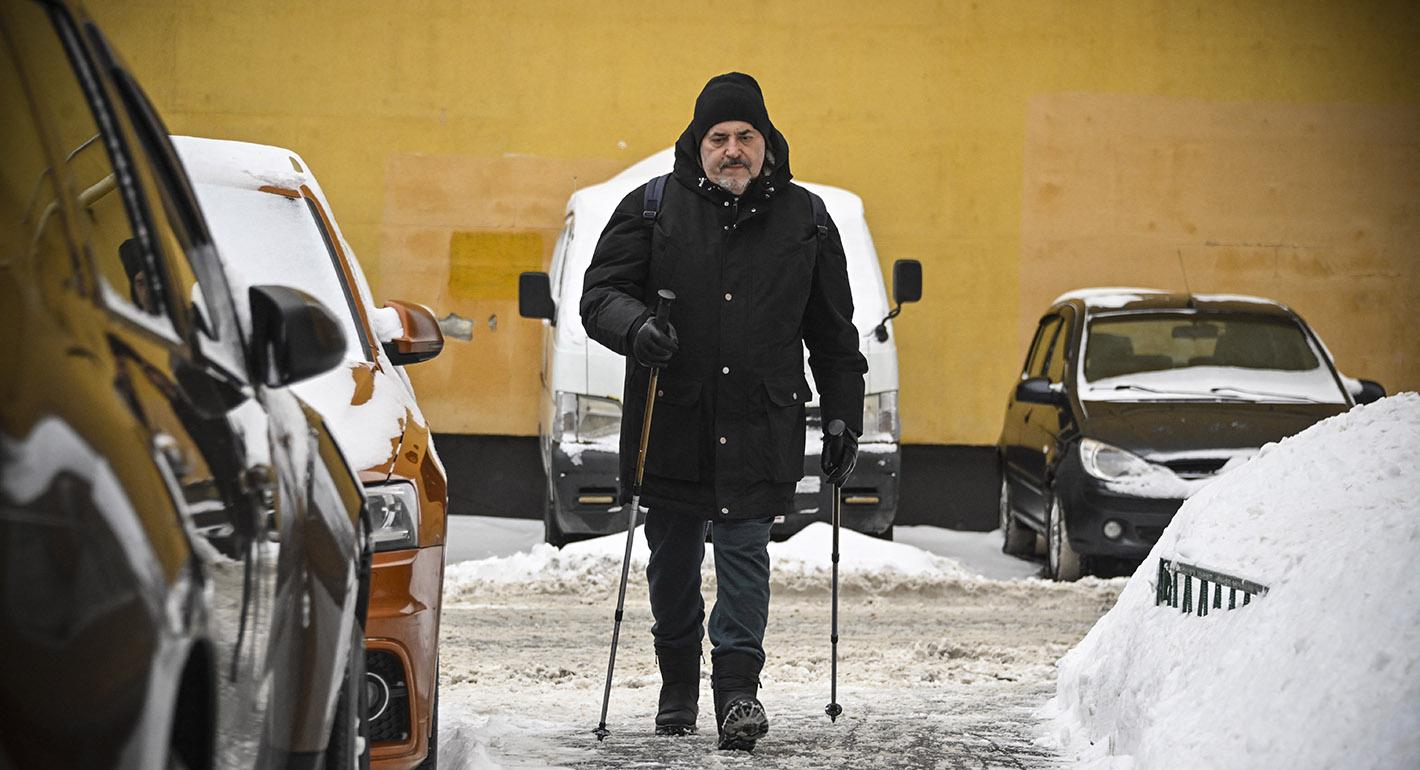
Источник: Getty
Активные граждане, истосковавшиеся по политическим действиям, с радостью включились в квест «Поставь подпись против Путина и войны». Настроенные против войны россияне увидели, что они не одиноки в своей позиции
Сбор подписей за «системного либерала» Бориса Надеждина, который нацелился на участие в президентских выборах — 2024, неожиданно стал самым ярким политическим событием января. Почти 200 тысяч человек в России потратили время и силы, чтобы поддержать политика, открыто выступившего с антивоенными лозунгами. В условиях жестких наказаний за любое инакомыслие стояние в очереди «за Надеждина» — это серьезное и осознанное политическое действие. Вполне вероятно, что к выборам политика не допустят. Но эта история в любом случае не пройдет бесследно ни для оставшихся в России сторонников перемен, ни для российского истеблишмента.
Как только имя Бориса Надеждина появилось среди возможных участников мартовских выборов, наблюдатели сделали однозначный вывод: речь идет о проекте политического блока Кремля. Цель — обеспечить хоть какое-то разнообразие кандидатов, повысить явку и по итогам голосования продемонстрировать и российскому обществу, и внешнему миру, насколько в России непопулярны политики либерального толка.
Аргументов в пользу этой версии хватало. Надеждин известен своими давними связями с первым замглавы президентской администрации Сергеем Кириенко. Они знакомы очень давно. Еще в 1998 году Надеждин был помощником премьера Кириенко, а затем они вместе с другими видными демократами входили в «Союз правых сил» (СПС).
Попав в Госдуму в 1999 году, СПС долгое время сохранял лояльность Кремлю и президенту Путину. Когда в конце 2000-х партия раскололась, Надеждин остался в лояльном политическом поле. За последние годы он посотрудничал со многими: участвовал (безуспешно) в праймериз «Единой России», избрался в Совет депутатов Долгопрудного от «Справедливой России», попытался (опять же безуспешно) попасть в бюллетени на выборах губернатора Московской области как кандидат от малой партии «Гражданская инициатива».
В общем, из его биографии понятно, что Надеждин предпочитает пользоваться системными проектами власти для достижения своих целей (например, депутатского мандата), а не противостоять режиму.
В политблоке президентской администрации некоторое время обсуждали идею выдвинуть на выборах-2024 кандидата с амплуа «системного либерала». Надеждин хорошо бы подошел на эту роль, и, вероятно, с ним уже велись предварительные переговоры. Но проект быстро свернули. А дальше, не вписавшись в схему Кремля, Надеждин решил все-таки попробовать сделать свой «проект», который бы помог ему в достижении личных политических целей.
Ничего безумного в таких планах не было. Как показывает практика, российская система действительно готова награждать участников важных кампаний, если они ведут себя правильно. Например, Ксения Собчак — «либеральный кандидат» на выборах-2018 — получила чуть более 1% голосов. Зато после голосования ей досталось немало новых контрактов и медийных проектов. Другой пример — бывший кандидат в мэры Москвы Михаил Дегтярев. В награду за провальное выступление с результатом менее 3% он получил пост губернатора Хабаровского края.
Так что были все основания рассчитывать, что президентская администрация может наградить аналогичным образом и Надеждина. Например, дать ему кресло в Госдуме или хотя бы в Мосгордуме (выборы туда пройдут осенью). Ему надо было лишь внимательно следить за тем, чтобы не пересекать кремлевские красные линии. Не критиковать решение о начале войны, не выступать за ее прекращение, не нападать на Путина.
Однако в итоге ситуация повела Надеждина по другому пути. Нынешние публичные заявления политика не позволяют считать его спойлером или согласованным кандидатом. «Путин видит мир из прошлого и тащит Россию в прошлое», «Путин совершил фатальную ошибку, начав СВО», «Страна все больше сползает в средневековый феодализм и мракобесие», — все это цитаты из его предвыборного манифеста. Такое с Кремлем не согласуешь.
Не так важно, что сподвигло Надеждина начать реальную оппозиционную кампанию. Возможно, смелые лозунги появились после отказа президентской администрации от торгов и должны были принудить кураторов к новому раунду переговоров. Возможно, победил личный азарт самого Надеждина — политика старой школы. Важно, что его лозунги стали магнитом для значительной части российского общества, выступающей против войны и желающей смены высшего руководства страны.
Соцопросы подтверждают, что при всей декларируемой поддержке Путина большинство россиян устали от войны и хотели бы ее окончания. Надеждин стал монополистом на этом рынке. Это также поняли, в числе прочих, уехавшие представители оппозиции и лидеры мнений (Максим Кац, Екатерина Шульман, соратники Алексея Навального и многие другие), которые сыграли не последнюю роль в мобилизации людей.
Активные граждане, истосковавшиеся по политическим действиям, с радостью включились в квест «Поставь подпись против Путина и войны». Это стало легальным и безопасным способом выразить гражданскую позицию. А когда у пунктов сбора подписей стали возникать очереди, то появились уже ассоциации с массовыми протестными акциями. Настроенные против войны россияне увидели: они не одиноки в своей позиции. Тем временем сам Надеждин оседлал эту волну и стал еще жестче критиковать Путина и его режим.
На деле очереди образовались во многом из-за того, что штабы Надеждина не ожидали такого потока людей. Им пришлось работать на пределе своих возможностей. Но парадоксальным образом это сыграло на руку Надеждину и тем оппозиционерам, кто решил его поддержать. Мы увидели красивую и мотивирующую картинку массовой поддержки антивоенного кандидата.
Подобная технология хороша знакома российским властям. На референдуме 2014 года в Крыму, например, открылись не все участки, так что на оставшихся образовались немалые очереди, что дало отличную картинку для госСМИ. «Единая Россия» проворачивает подобное на своих праймериз. В случае с Надеждиным это вышло, скорее всего, случайно, но оказалось как нельзя кстати.
Но «очереди за Надеждина» — это не просто красивая картинка. Если посмотреть на статистику по регионам, то выяснится: цифры вполне сопоставимы с масштабами успешных протестов, проходивших там в разные годы. Подписная кампания за Надеждина доказала, что далеко не весь потенциально протестный актив уехал из России.
Поводов для недовольства в стране становится все больше. Это и усталость от войны, и страх новой мобилизации, и рост цен, и коммунальные аварии. А способов высказать возмущение практически не осталось. Поэтому россияне будут хвататься за любую возможность продемонстрировать свою позицию. И повод тут — дело второстепенное. Триггером может быть и кампания Надеждина, и гибель кота Твикса, и арест местного активиста, как в Башкортостане, и недовольство миграционной политикой, как в Якутии. Накопившийся протестный пар все равно пробивается из трещин властной вертикали.
Закономерный вопрос: что дальше? Самый вероятный сценарий — Надеждина просто не допустят к выборам, заявив о браке в подписных листах. У ЦИКа всегда найдутся основания для придирок. Схема давно отработана: графолог признает те или иные подписи недействительными, а избирком и суд это заключение безоговорочно поддерживают.
В президентской администрации есть небольшая группа сторонников регистрации Надеждина — чиновников и политтехнологов, которые извлекут из этого прямую выгоду (например, будут курировать кампанию кандидата или противодействие ему). Однако лоббистские способности этой группы вряд ли позволят ей добиться своих целей. Вероятнее всего, Надеждина не только отстранят от выборов, но и вычеркнут из списка системных политиков, с которыми Кремлю и региональным администрациям можно иметь дело.
Отказ в регистрации, конечно, не спровоцирует мощные протесты — хотя бы потому, что слишком велики риски для их потенциальных участников. Тем не менее стоявшие в очередях люди уже получили опыт политического действия и теперь будут ждать новой возможности высказаться против режима. Потенциально протестный актив может стать движущей силой возможных уличных акций — например, из-за мобилизации или социальных проблем.
Кроме того, головной болью для президентской администрации может стать переориентация этого электората на зарегистрированного кандидата — например, Владислава Даванкова («Новые люди») или даже Николая Харитонова (КПРФ). Выполнить поставленные KPI по рекордам для Путина станет сложнее. Придется масштабно переписывать итоги выборов, еще больше подрывая их легитимность.
Еще важнее то, что кампания Надеждина дала ровно противоположный эффект тому, на который рассчитывал Кремль. Там стремились доказать непопулярность демократических идей и лозунгов, но в итоге получили обратный результат: фото очередей из сторонников антивоенного и антипутинского кандидата, которые доказывают, что в России осталась активная часть общества, желающая перемен.
Если вы хотите поделиться материалом с пользователем, находящимся на территории России, используйте эту ссылку — она откроется без VPN.

Журналист
Недавние работы
Андрей Перцев
Андрей Перцев
Карнеги не занимает институциональных позиций по вопросам государственной политики; изложенные здесь взгляды принадлежат автору(ам) и не обязательно отражают взгляды Карнеги, его сотрудников или попечителей.

Европейские крайне правые, возможно, не смогут развернуть политику ЕС в нужное России русло. Но они способны создать внутри Европы достаточно конфликтов, чтобы эффективно нейтрализовать любые ее геополитические амбиции. С точки зрения Кремля, это совсем неплохой результат.

Димитар Бечев

Севморпуть оживает ровно в той мере, в какой воюет остальной мир. Сейчас его подогревают сразу три конфликта, но с уменьшением их интенсивности ситуация, скорее всего, вернется туда, где была 10 лет назад.

Михаил Коростиков

Принудительная мобилизация с адресным контролем стала основной электоральной моделью. Вместо настоятельных просьб об одобрении своей политики Кремль теперь буквально требует голоса электората.
Андрей Перцев
Когда рутинно натягиваются эти самые 58%, а конституционное большинство добирается за счет не зависящих от этого процента мажоритариев, любой, кто попытается возвысить голос, будет выглядеть смешно.
Леонид Бершидский
Победить собственного избирателя оказалось проще, чем иностранную армию. Однако в результате такой победы отечественный избиратель начинает чувствовать себя оккупированным.

Александр Баунов