

Article
Wang Tao
{
  "authors": [
    "Wang Tao"
  ],
  "type": "legacyinthemedia",
  "centerAffiliationAll": "",
  "centers": [
    "Carnegie Endowment for International Peace",
    "Carnegie China"
  ],
  "collections": [
    "China and the Developing World",
    "China’s Foreign Relations"
  ],
  "englishNewsletterAll": "",
  "nonEnglishNewsletterAll": "",
  "primaryCenter": "Carnegie China",
  "programAffiliation": "",
  "programs": [],
  "projects": [],
  "regions": [
    "East Asia",
    "China",
    "Southeast Asia"
  ],
  "topics": [
    "Climate Change",
    "Foreign Policy"
  ]
}
Source: Getty
Development of the China-Myanmar gas pipeline holds significant implications for Myanmar’s reintegration into the international community and for China’s energy security.
Source: CCTV
Speaking to CCTV, Carnegie-Tsinghua’s Wang Tao explained the political details behind the production sharing agreement signed between China, Myanmar, South Korea, and India that has produced the China-Myanmar Pipeline. Wang noted that China’s engagement with foreign multinationals during production of the pipeline, which will funnel an annual two million tons of crude oil to Myanmar, likely helped the project move forward and gain security.
Despite fears that China may be losing its historical competitive advantage in development projects in Myanmar, Wang indicated that Chinese cooperation with international oil companies and multinationals can help reduce project risk in sensitive areas. He added that such cooperation may also grant Chinese companies "unique knowledge or techniques" for dealing with local communities and it will assist Myanmar in reintegrating into the international community. Wang stated that Chinese aid to local communities in Myanmar during production of the pipeline was necessary, and that Chinese companies operating abroad should seek to be transparent and engage with local communities.
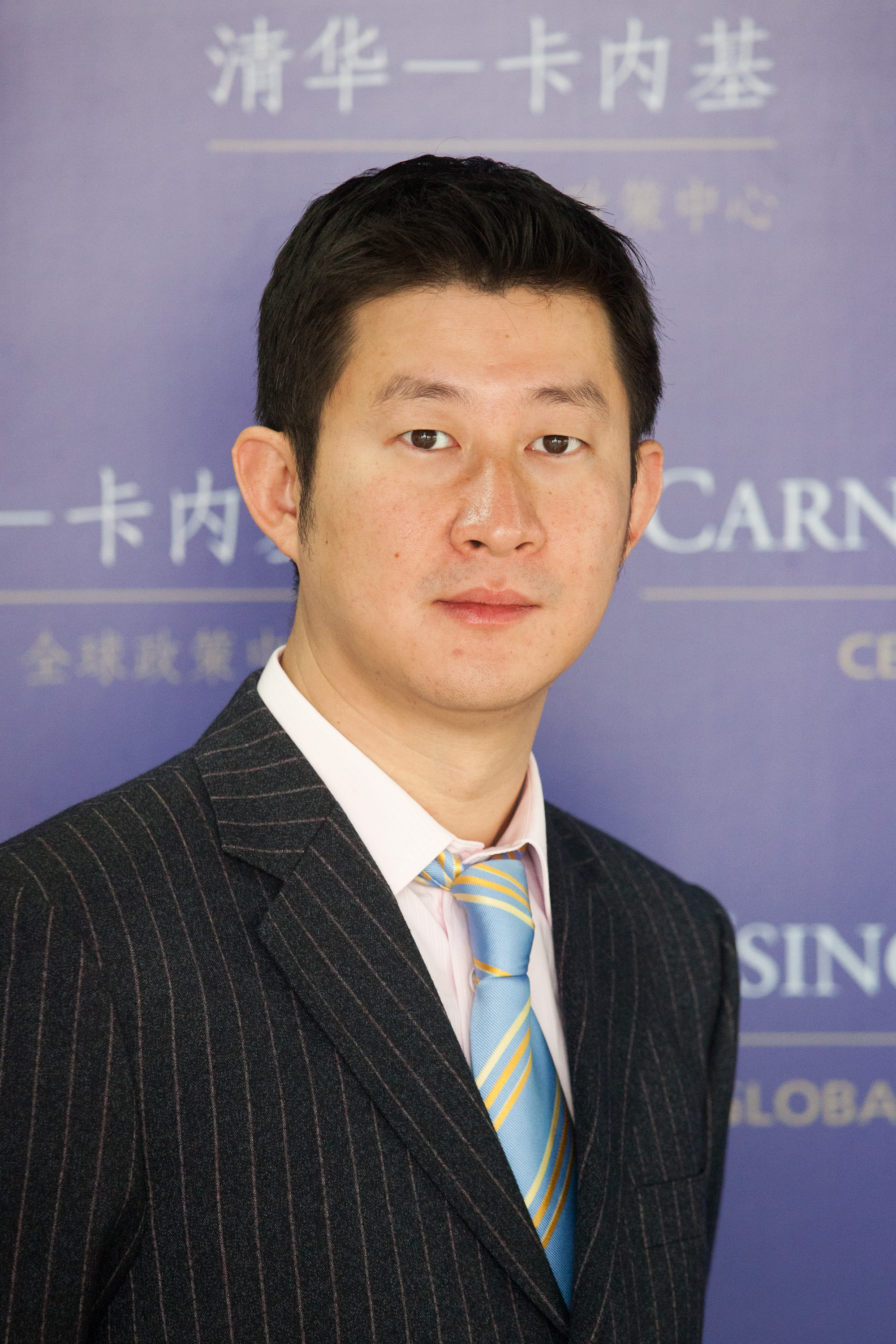
Former Nonresident Scholar, Carnegie-Tsinghua Center for Global Policy
Wang Tao was a nonresident scholar in the Energy and Climate Program based at the Carnegie–Tsinghua Center for Global Policy.
Recent Work
Wang Tao
Wang Tao, Yang Yifang
Carnegie does not take institutional positions on public policy issues; the views represented herein are those of the author(s) and do not necessarily reflect the views of Carnegie, its staff, or its trustees.

Despite a new textbook, an influx of Russian teachers and managers, and an end to the teaching of Ukrainian, the Kremlin is unlikely to have “reprogrammed” locals.

Konstantin Skorkin

Cargo traffic through Russia’s Northern Sea Route has increased because of the disruption caused by the conflict in the Middle East, the Ukraine war, and U.S.-China tensions.

Mikhail Korostikov

Minsk clearly expected the dialogue with Washington to yield more results, in particular the lifting of EU sanctions and permission to export potash.

Artyom Shraibman

With the growth in points of friction between the great powers, organizations like the SCO will continue to play a role in the strategic adaptation of the smaller powers caught between them.

Temur Umarov

When faced with fuel shortages in the past, Central Asian governments could always count on additional supplies from Moscow. That safety net no longer exists.

Galiya Ibragimova