

Commentary
In the discussions made possible by the State Duma election campaign, one question is being asked more and more loudly. “What next?”
Andrey Pertsev
{
  "authors": [],
  "type": "other",
  "centerAffiliationAll": "dc",
  "centers": [
    "Carnegie Endowment for International Peace"
  ],
  "collections": [
    "Arab Awakening"
  ],
  "englishNewsletterAll": "menaTransitions",
  "nonEnglishNewsletterAll": "",
  "primaryCenter": "Carnegie Endowment for International Peace",
  "programAffiliation": "MEP",
  "programs": [
    "Middle East"
  ],
  "projects": [],
  "regions": [
    "North Africa",
    "Egypt"
  ],
  "topics": [
    "Political Reform",
    "Civil Society",
    "Religion"
  ]
}
Source: Getty
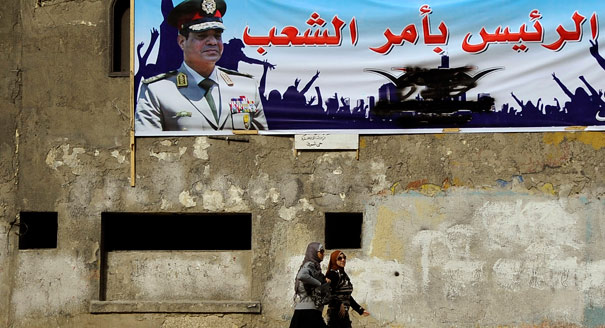
This page provides a selection of leading Egyptian parties and political figures.
After the removal of restrictive measures against political parties, the period following Egypt’s January 2011 revolution witnessed the creation of more than 80 parties across the political spectrum, as well as the outlawing of Mubarak’s National Democratic Party (NDP). In 2012, Egypt’s first democratic parliamentary elections resulted in a major victory for Islamists, including the Muslim Brotherhood’s Freedom and Justice Party (FJP). In June 2012, the Supreme Constitutional Court—composed primarily of Mubarak-era judges—dissolved the People’s Assembly just two days prior to presidential elections. Egypt has been without a parliament ever since, and all legislative power continues to rest with the president until a parliament reconvenes. Since the ousting of former president Mohamed Morsi, most postrevolution parties have either been outlawed, such as the FJP, or have significantly scaled back their operations. Parliamentary elections have been repeatedly postponed, most recently in March 2015.
For analysis of the postponed 2015 parliamentary elections, click here.
For analysis of the 2012 parliamentary elections, click here.
For analysis of the 2010 parliamentary elections, click here.
Egypt's Cabinet Reshuffle Reflects Economic Difficulties (March 24, 2016)
Who's Who in Egypt's New Cabinet (September 19, 2015)
Egypt's New Cabinet: What Changed and What Didn't (September 19, 2015)
Ibrahim Mahlab (Prime Minister)
Sedki Sobhi (Defense Minister)
Sameh Shoukry (Foreign Minister)
Magdy Abdel Ghaffar (Interior Minister)
Mohamed Mokhtar Gomaa (Minister of Religious Endowments)
Khaled Fawzy (Director of General Intelligence)
Mahmoud Hegazy (Armed Forces Chief of Staff)
Mohamed el-Assar (Assistant Defense Minister)
Adly Mansour (Former Interim President)
Mohamed Morsi (Former President)
Amr Moussa (Former Head of Committee of 50)
Mohamed ElBaradei (Co-Founder of al-Dostour Party)
Abdel Moneim Aboul Fotouh (Leader of Strong Egypt Party)
Hamdeen Sabahy (Former Presidential Candidate and Opposition Politician)
Naguib Sawiris (Egyptian Businessman and Co-Founder of Free Egyptians Party)
Fayza Abul-Naga (National Security Adviser, Former Minister of Planning and International Cooperation)
Mohamed Ibrahim (Adviser to the Prime Minister, Former Interior Minister)
Ahmed Maher (Co-Founder of April 6 Youth Movement)
Ahmed Douma (Co-Founder of April 6 Youth Movement)
Alaa Abdel Fattah (Youth Leader)
Mahmoud Badr (Co-Founder of Tamarod)
Mohammed Badie (Supreme Guide of the Muslim Brotherhood)
Khairat El-Shater (Deputy Supreme Guide of the Muslim Brotherhood)
Yasser Borhami (Deputy Head of the Salafi Call)
Carnegie does not take institutional positions on public policy issues; the views represented herein are those of the author(s) and do not necessarily reflect the views of Carnegie, its staff, or its trustees.

In the discussions made possible by the State Duma election campaign, one question is being asked more and more loudly. “What next?”

Andrey Pertsev
While the Nazis rushed ahead in a revolutionary fervor, Russia’s modern crusaders against enemies of the state work methodically, giving their targets time to adjust to restrictions before closing the loopholes.

Leonid Bershidsky

Two divergent trends—Putin’s hardline vision of how to prosecute the war in Ukraine, and a growing desire for change in Russia—could tear the regime apart.

Tatiana Stanovaya
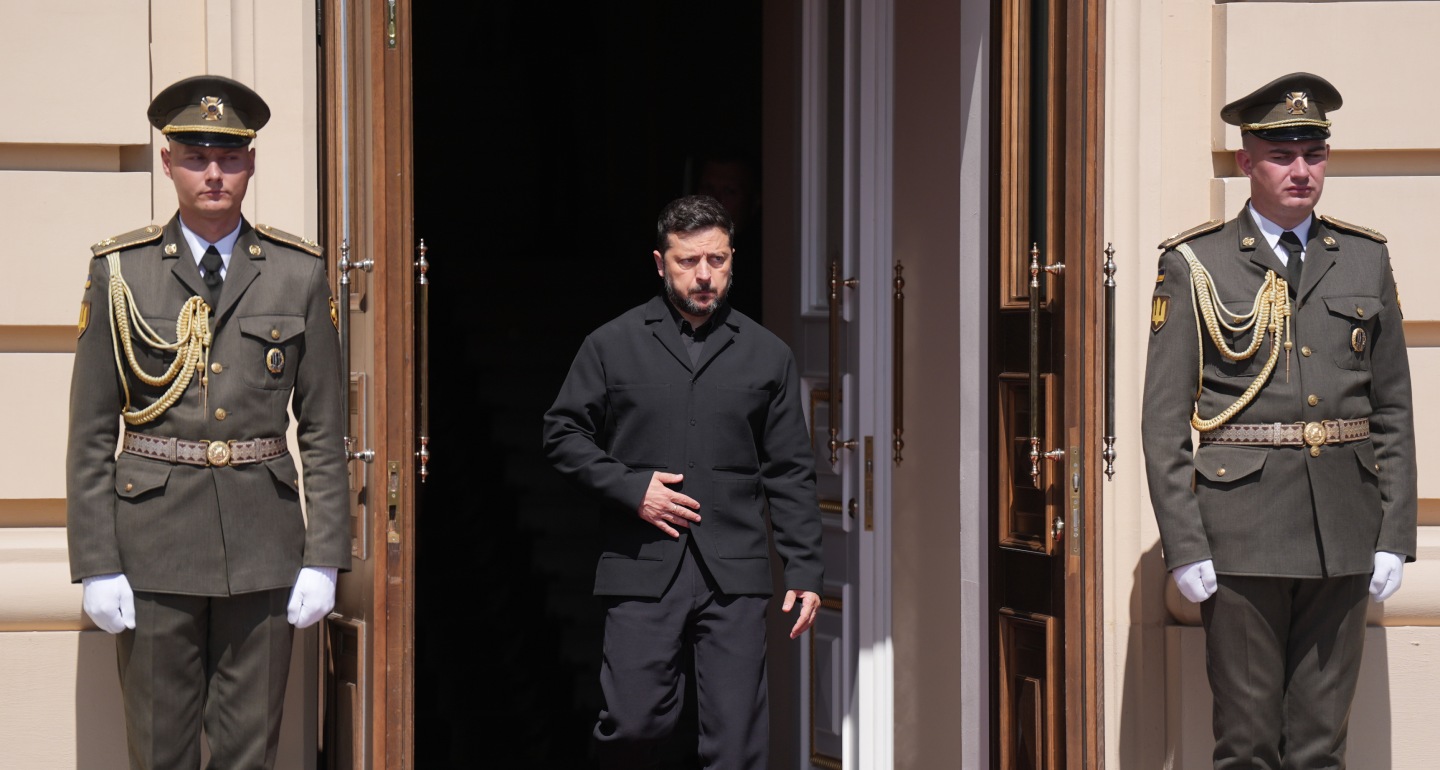
Ultimately, Zelensky sided neither with the reform camp nor with the military establishment as such, but with political control.

Balázs Jarábik
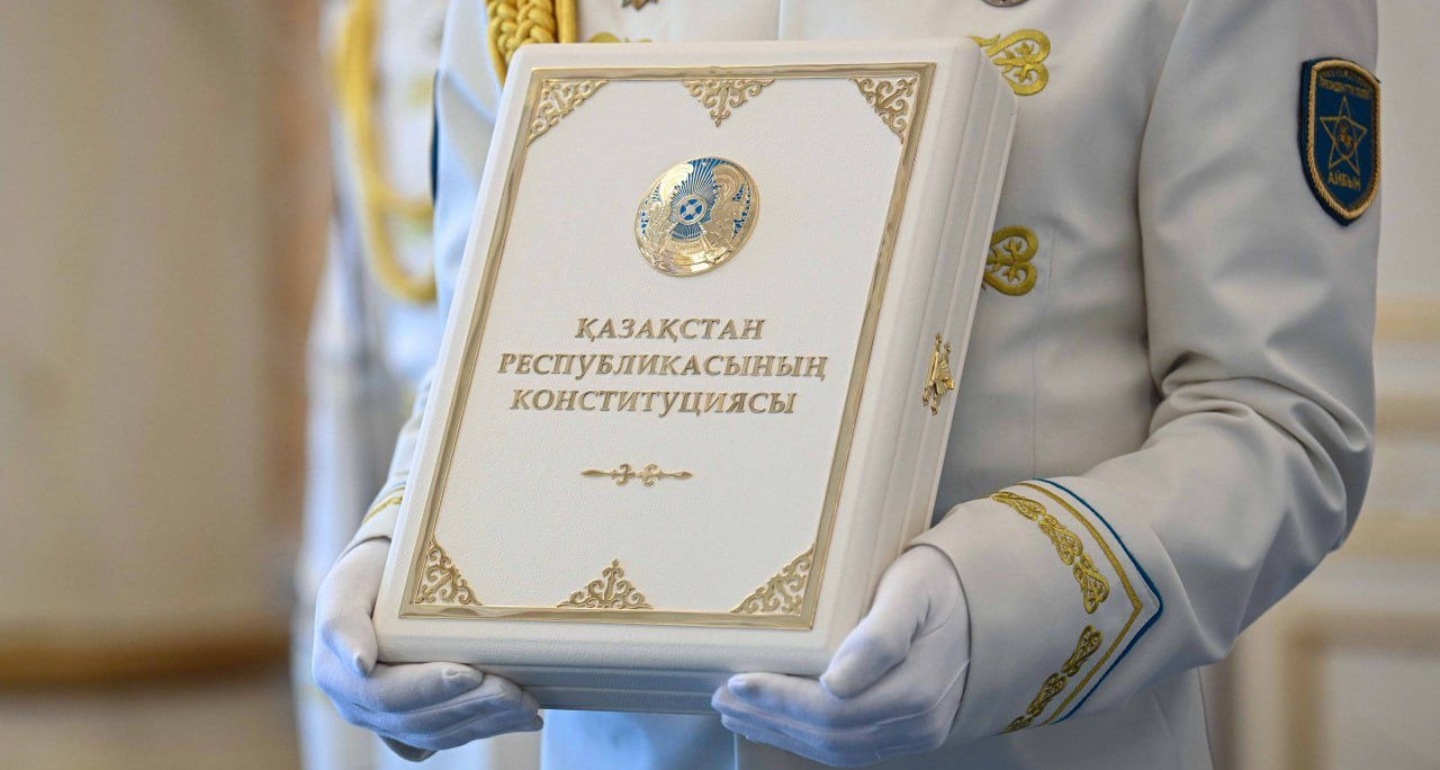
Tokayev’s predecessor, Nursultan Nazarbayev, outlined arrangements for a power transition too soon and in too much detail, ultimately losing control over the process. Tokayev is determined not to meet the same fate.

Temur Umarov