

Research
- +10
Rosa Balfour, Frances Z. Brown, Yasmine Farouk, …
{
  "authors": [
    "Moisés Naím"
  ],
  "type": "legacyinthemedia",
  "centerAffiliationAll": "",
  "centers": [
    "Carnegie Endowment for International Peace",
    "Malcolm H. Kerr Carnegie Middle East Center"
  ],
  "collections": [],
  "englishNewsletterAll": "",
  "nonEnglishNewsletterAll": "",
  "primaryCenter": "Carnegie Endowment for International Peace",
  "programAffiliation": "",
  "programs": [],
  "projects": [],
  "regions": [
    "North America",
    "United States",
    "Middle East",
    "Türkiye",
    "Iraq",
    "Syria",
    "Southern, Eastern, and Western Africa",
    "Russia",
    "Eastern Europe",
    "Ukraine",
    "Levant"
  ],
  "topics": [
    "Political Reform",
    "Security",
    "Foreign Policy"
  ]
}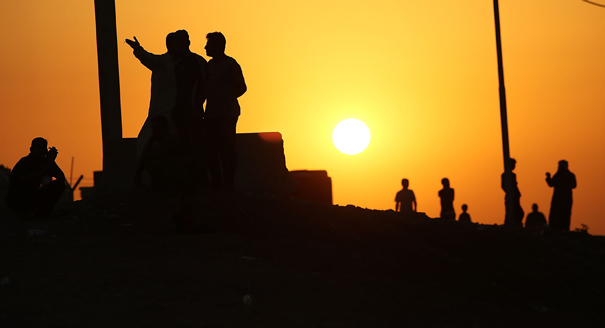
Source: Getty
The Ebola epidemic, ISIS’s ascent, and Vladimir Putin’s belligerence may be three of the most disruptive developments of 2014, but in 2015 they could all lose their potency.
Source: Atlantic
The Ebola epidemic, ISIS’s ascent, and Vladimir Putin’s belligerence may be three of the most disruptive developments of 2014, but in 2015 they could all lose their potency. It’s hard to imagine such an outcome at the moment, of course, but then again most big news stories are devilishly difficult to predict.
It is always tempting to assume that conditions tomorrow will resemble those prevailing today. Weathermen call this the “rule of persistence.” Obviously, it’s not always accurate—seasons and geography, not to mention climate change, make a difference. And the rule is similarly faulty in the realm of international affairs.
As 2013 drew to a close, did anyone think that ISIS would suddenly become a formidable military force capable of invading Iraq? Or that Vladimir Putin would invade Crimea and destabilize Ukraine, prompting the West to impose tough economic sanctions on Russia? Who anticipated that the Ebola outbreak in West Africa would unleash a global panic or that oil prices would be in free fall? Nobody. Not governments, their militaries, or their intelligence services. Not international organizations like the World Bank or the IMF, or any large private banks or multinational companies. Not academics, editorialists, or futurists. Nobody.In the coming year, Ebola will continue to claim lives, as some countries manage to contain its spread and others suffer fresh outbreaks. This dynamic is evident already; while the rate of new Ebola infections has dropped in Liberia, cases are up in Sierra Leone. But fortunately, the worst predictions about the crisis have not come true. Just a couple months back, the World Health Organization warned that there could be 10,000 new Ebola cases a week by December, and the Centers for Disease Control and Prevention estimated a worst-case scenario of 1.4 million cases and hundreds of thousands of casualties by January 2015. In reality, the death toll is approaching 7,000 and the total number of cases is roughly 16,000. In October, the World Bank predicted that Ebola could cost sub-Saharan Africa $32 billion by the end of 2015, but a more recent analysis reduced that estimate to $3 to $4 billion.
ISIS too is receding. Its military operations will continue and at times succeed in the territory it has amassed in Syria and Iraq, and individuals and cells directed or inspired by ISIS will still attack targets in other countries. But the Islamic State’s financing, leadership, mobility, and weapons are already contracting. According to West Point’s Combating Terrorism Center, ISIS derived much of its initial power from the unpreparedness of its enemies. But the group now faces a hitherto unimaginable alliance of more than 60 nations from Europe, the Middle East, and Asia. While most of these nations are playing no direct combat role, they do create a web of constraints that makes it harder for ISIS to retain its military capabilities. Indeed, since the international campaign against the Islamic State began, the organization has not made any real gains. “ISIS can only expand in areas where it can enter into partnerships with the local population, and that largely limits the scope of the expansion of ISIS to Sunni, disenfranchised areas,” my colleague Lina Khatib, told The New York Times.
In 2015, Vladimir Putin’s weaknesses will probably be more destabilizing than his strengths. Like ISIS, Putin has stimulated previously unthinkable alliances of Western nations bent on curbing his geopolitical misdeeds. The decisions of the Russian president have isolated his country and gravely damaged its already frail economy, which is reeling from a drop in oil prices, massive capital flight, and severe economic sanctions. The danger, of course, is that Putin could choose to pick fights abroad as a distraction from Russia’s domestic woes.
These are, at least, the trend lines of these stories heading into 2015. But it is useful to remember—ahead of what will surely be a torrent of year-end predictions—that what will transform the world in the coming year is ultimately unknowable. All one can do is look for clues to the surprises in store—whether they come in the form of a cyberattack, a climate disaster, instability in oil-exporting countries struggling with falling crude prices, or none of the above. After all, by December 2013, the seeds of 2014’s biggest stories were already planted: the newly named Islamic State of Iraq and Syria was challenging the Nusra Front for territory in Syria, Ebola had broken out in Guinea, and major protests were building in Kiev.
We will all be wiser if we pay heed to the rule of impersistence in geopolitics—and accept that in 2015, as in 2014, and most years before that, the events that disrupt the world will take everyone by surprise.

Distinguished Fellow
Moisés Naím is a distinguished fellow at the Carnegie Endowment for International Peace, a best-selling author, and an internationally syndicated columnist.
Recent Work



Rosa Balfour, Frances Z. Brown, Yasmine Farouk, …
Moisés Naím
Carnegie does not take institutional positions on public policy issues; the views represented herein are those of the author(s) and do not necessarily reflect the views of Carnegie, its staff, or its trustees.
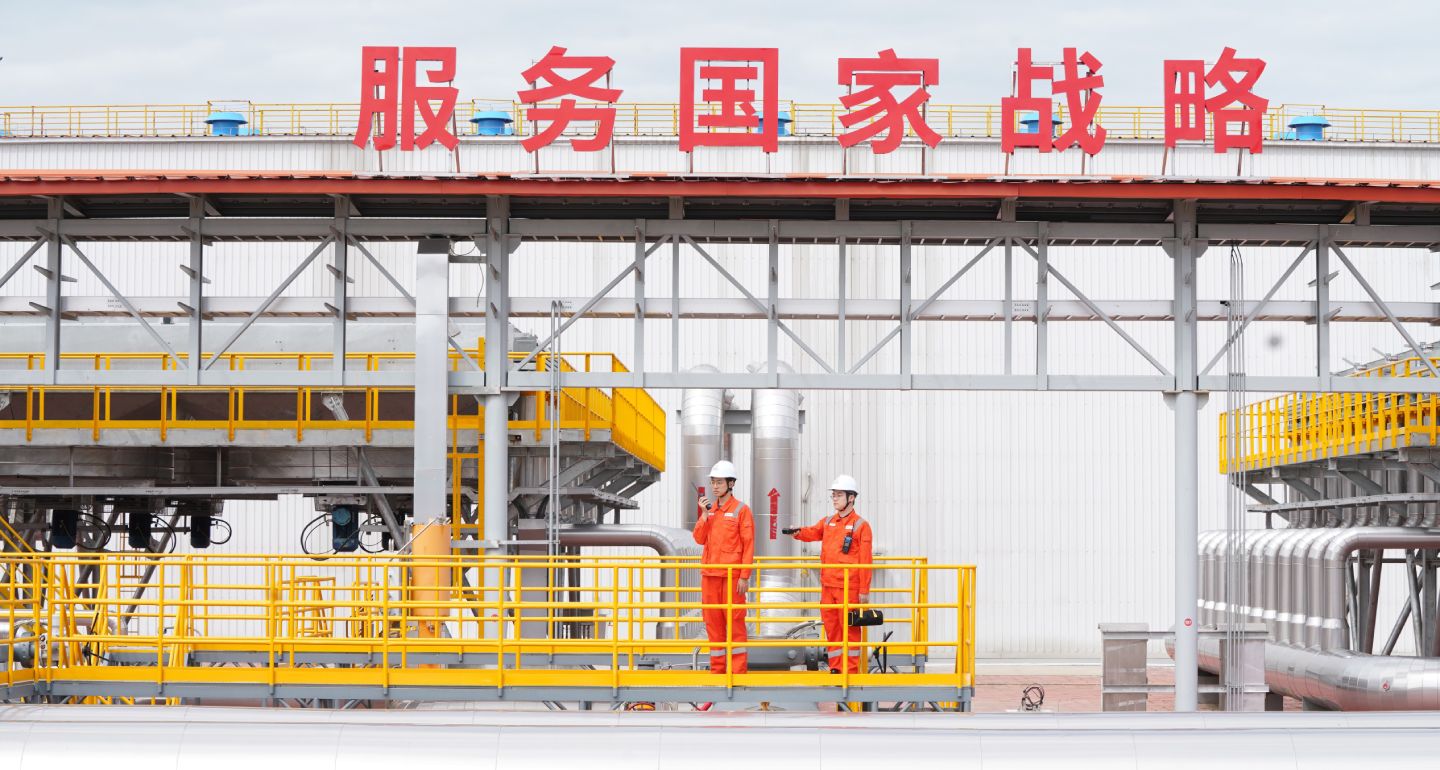
A leak of Russian gas price data helps establish that China is paying Russia far less than Central Asian countries and Gazprom’s former European customers.

Sergey Vakulenko

Japan’s long-term security policy is driven by concerns about China, and there is little appetite for (or interest in) pursuing a confrontation with Moscow.

James D.J. Brown

The truth of the strategic situation is that Europe and Russia are extremely unlikely to be able to “turn the page” on their confrontation within the next two decades.
Arkady Moshes
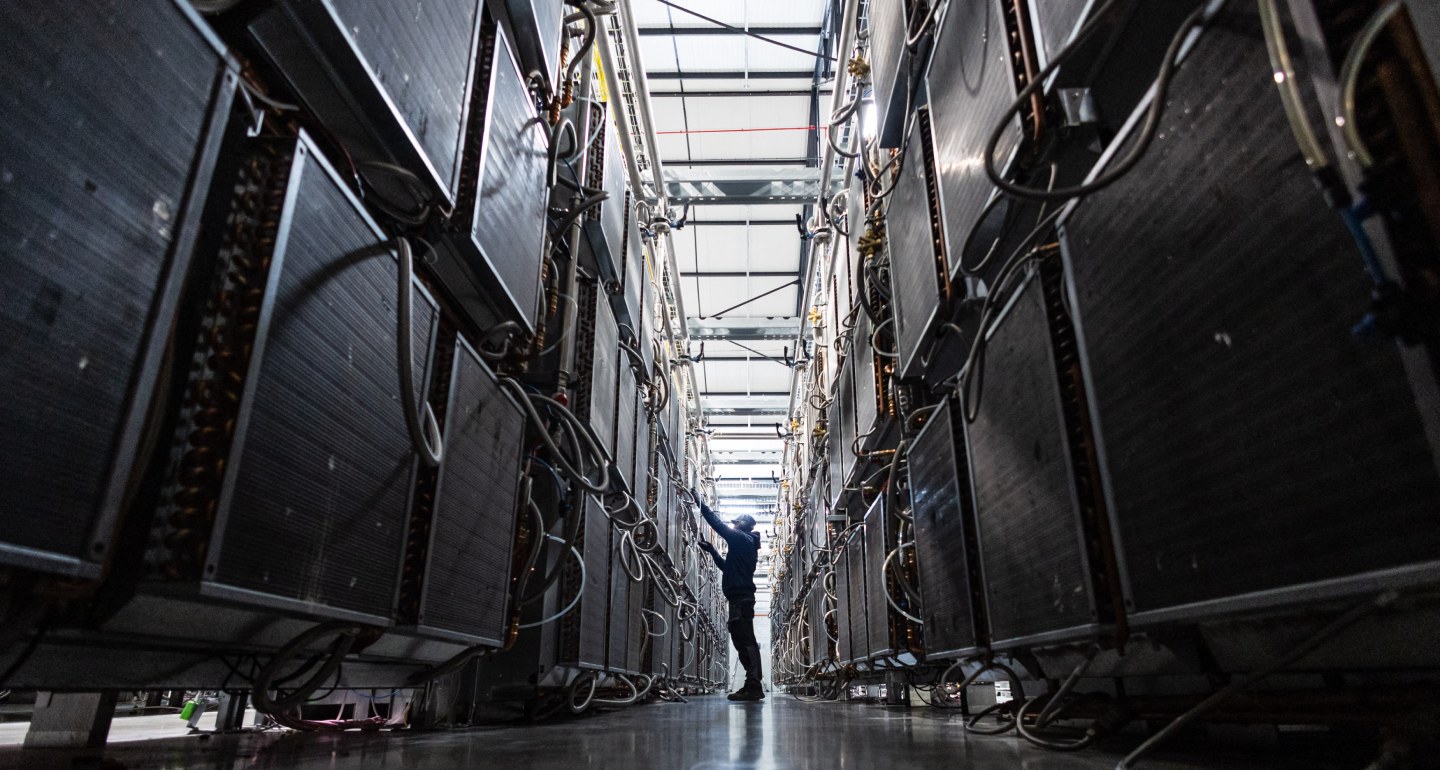
Russia spent years building a “sovereign internet,” concentrating web infrastructure exclusively within Russian territory. Ukrainian drone attacks have shown how vulnerable that approach has left the Russian internet.

Maria Kolomychenko

Putin’s conservative staffing policies and search for ever greater control have cemented parliament’s transformation into a bureaucratic appendage of the executive branch.

Andrey Pertsev